yahoo Press
Fossil kept in drawer for decades turns out to be first ever Antarctica dinosaur bone
Images
1 / 9
2 / 9

3 / 9

4 / 9
5 / 9
6 / 9
7 / 9

8 / 9

9 / 9
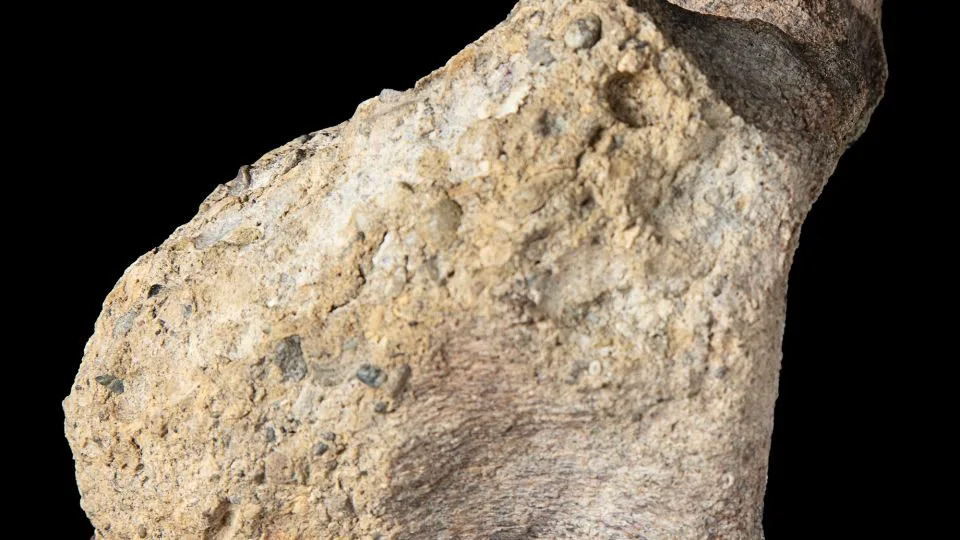
A fossil that was sitting in a collection drawer for decades has been found to belong to the first dinosaur remains ever discovered in Antarctica.

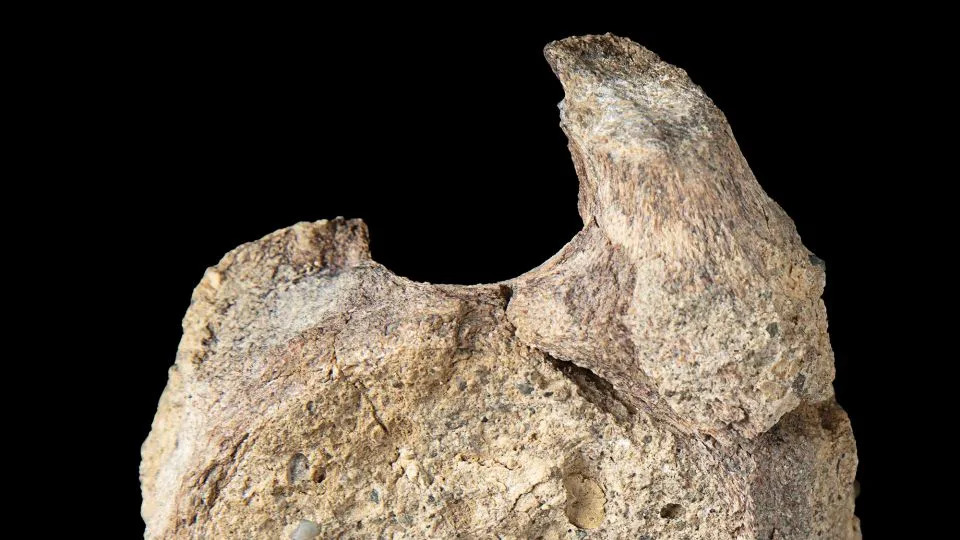
The vertebra or backbone was found in 1985 by a British Antarctic Survey (BAS) expedition, but was initially assessed as belonging to a large reptile, according to a statement from London’s Natural History Museum on Monday.

After multiple decades in storage, it was spotted by Mark Evans, a palaeontologist and manager of the geological collections at the BAS.

“It looks unusual, I just needed to make sure it was what I thought it was,” Evans told CNN on Tuesday.

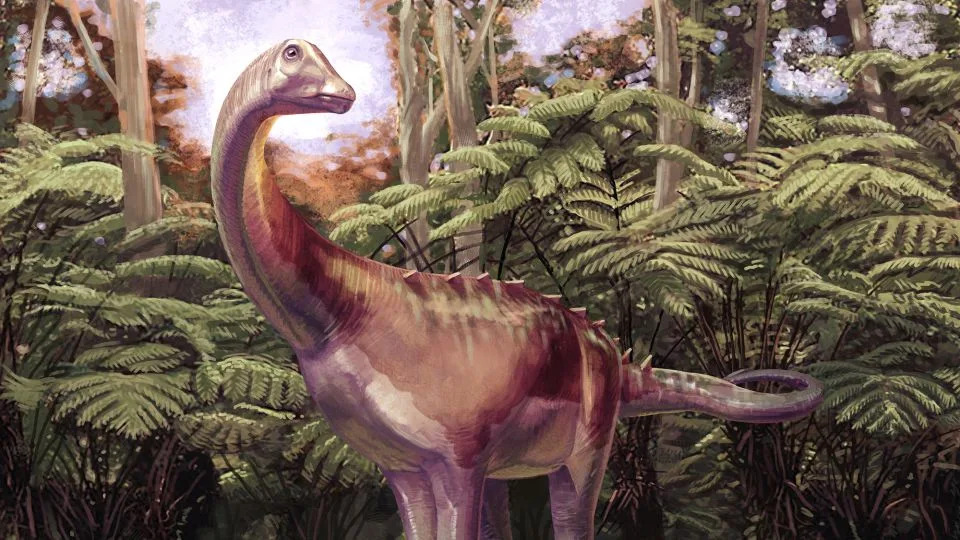
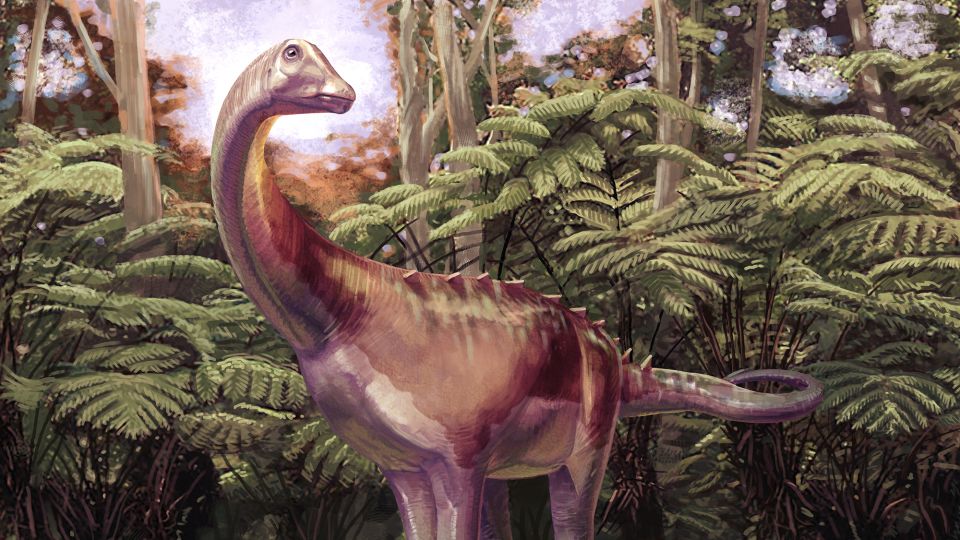
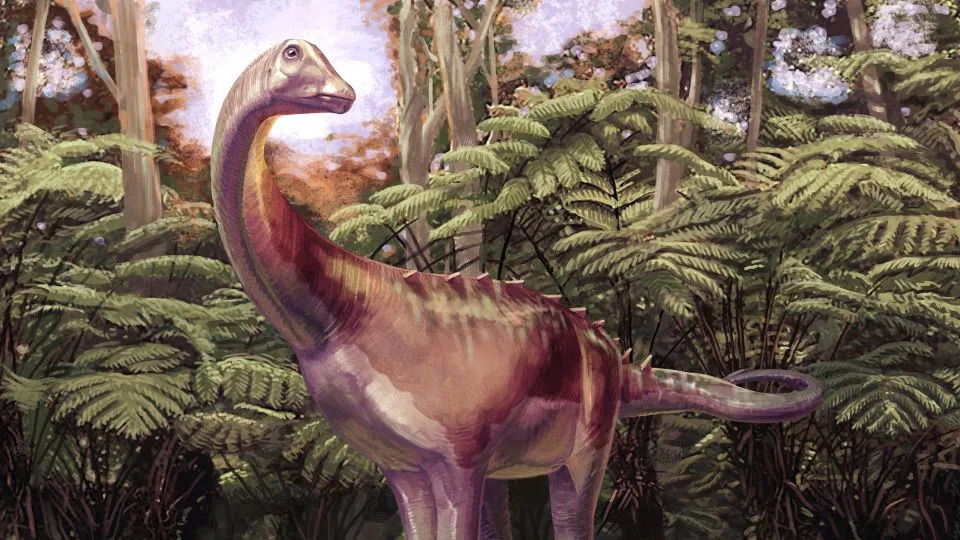
The fossil belonged to a Titanosaur, a group of long-necked herbivorous sauropods that includes the largest dinosaurs that ever lived.

They had a standard weight of 15 metric tons (16.5 US tons), according to the Natural History Museum. The largest known specimen was estimated to be 37 meters (about 121 feet) long and weighed about 63.5 metric tons (70 US tons).

However, this particular vertebra, which measures around 10 centimeters (four inches) in diameter, belongs to a juvenile or small adult that would have been around six to seven meters (20-23 feet) long, according to the statement.

“This bone sat in a collection drawer for decades until new research revealed it for what it was: rare evidence that long-necked sauropod dinosaurs once lived in Antarctica,” said study coauthor Matthew C. Lamanna, Mary R. Dawson curator in vertebrate paleontology at the Carnegie Museum of Natural History, in the statement.

“At first glance this appears to be an unremarkable fossil, but it holds an important place in the history of Antarctic exploration as the first dinosaur fossil found on the continent,” said Paul Barrett, merit researcher at the Natural History Museum, in the statement.

The dinosaur it belonged to lived around 82 million years ago, during the Late Cretaceous period.

“At the time this animal lived, we know Antarctica would have (been) covered in lush temperate forest providing ample food for large herbivores,” said Barrett.

The ice that currently covers most of the continent means that it has a sparse fossil record, but that may change in the future, he said.

“There are likely many more dinosaurs to be discovered on the continent. As climate change causes ice to retreat we may indeed find further evidence of this past biodiversity,” Barrett added.

The research also advances our understanding of how dinosaurs moved around the southern continents, according to study coauthor Samantha Beeston, a palaeontology doctoral student at University College London.

“During the Cretaceous when this animal lived, Antarctica formed part of the supercontinent of Gondwana, and this new find shows that its close relatives travelled between South America and Australia via Antarctica,” Beeston said in the statement.

Roy Smith, a lecturer in vertebrate palaeontology at the University of Portsmouth, England, who was not involved in the research, said that the find is a “wonderful reminder” about the importance of scientific collections.

“Although this fossil is only a single vertebra, its significance is immense,” he told CNN in an email Tuesday.

“As the first dinosaur fossil discovered in Antarctica, it provides crucial evidence for understanding how dinosaurs dispersed across the southern continents and demonstrates that these remarkable animals inhabited every continent on Earth,” said Smith.

“It also highlights the enduring scientific value of carefully curated museum collections, which continue to yield extraordinary discoveries decades after specimens are first collected,” he added.

Steve Brusatte, a professor of paleontology and evolution at the University of Edinburgh in Scotland, who was not involved in the research, told CNN that this is a “cool discovery.”

“We know very very little about the dinosaurs that once lived on Antarctica,” he said Tuesday. “This is just a single incomplete bone, but it has outsized importance.”

A paper on the fossil has been published in the journal Acta Palaeontologica Polonica.

For more CNN news and newsletters create an account at CNN.com
Comments
You must be logged in to comment.