yahoo Press
Debt-saddled Arizona woman, 73, has nothing saved and wants to buy a house. How Dave Ramsey says she can catch up fast
Images
1 / 4
2 / 4

3 / 4

4 / 4
Moneywise and Yahoo Finance LLC may earn commission or revenue through links in the content below.

What would you do if you were over the age of 70, had no retirement savings and were still paying off student loans — but wanted to buy a house?

Despite how it might sound, this is not a hypothetical question.

Dave Ramsey warns nearly 50% of Americans are making 1 big Social Security mistake — here's how to fix it ASAP

JP Morgan sees gold hitting $6,000/oz before 2027 — and a Gold IRA lets you hold the physical metal while deferring the tax bill. Get your free guide from Priority Gold

The ultra-rich use these 6 real estate strategies to build wealth while they sleep — you can start with just $100

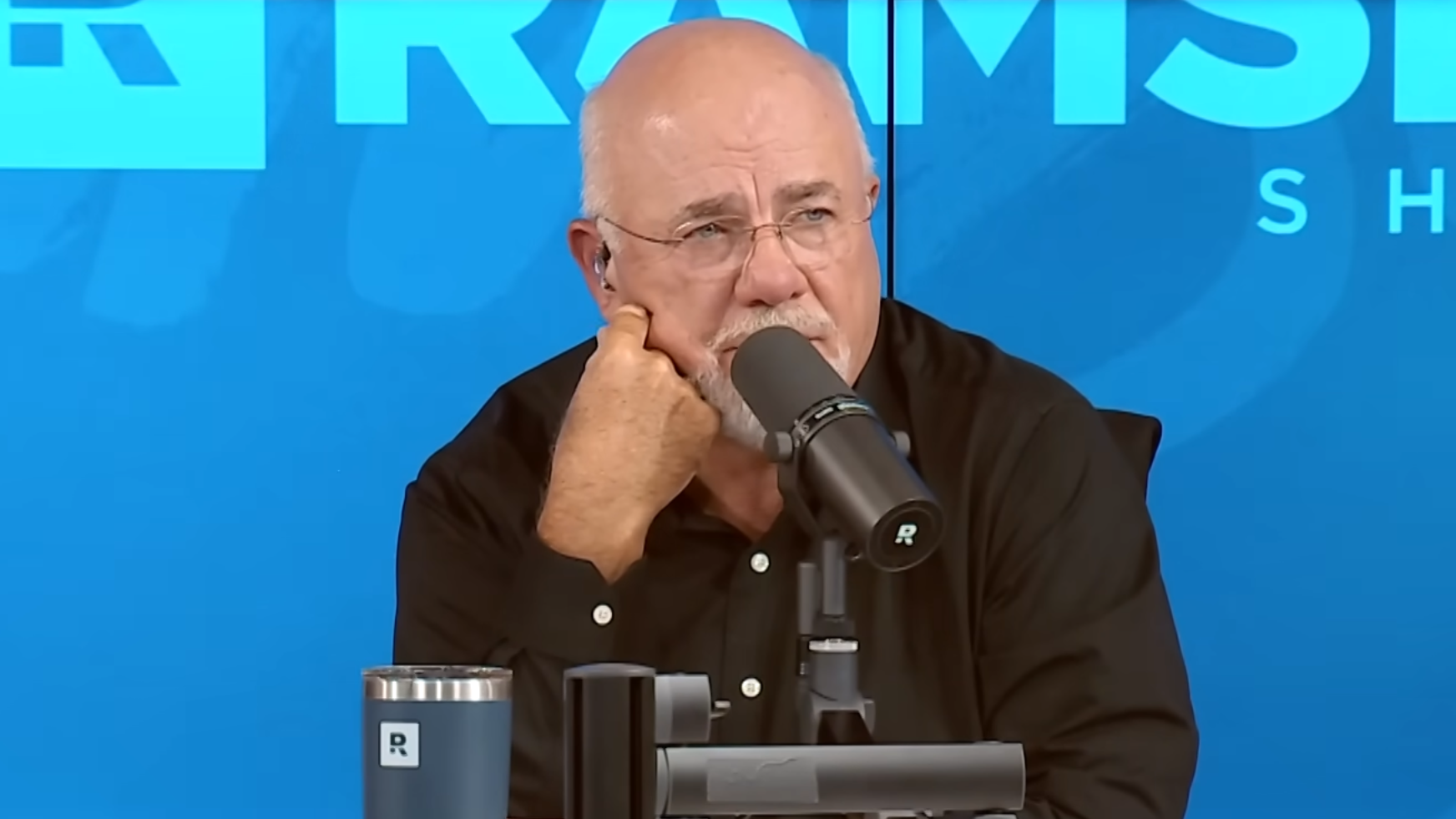
During an episode of The Ramsey Show, a 73-year-old Arizona resident named Robin shared that she has no 401(k) and more than $12,000 in outstanding student loan debt. Even so, she's considering buying a home in the next three years.

Host Dave Ramsey then asked, "How would you be able to buy [a house] if you don't have any money?" Robin says she expects to pay off the student loan by March this year and is setting aside a modest amount for a down payment every month (1).

Even with that plan, she might have to wait more than three years. The median sale price of a house in Arizona was $423,681 in June (2). Assuming a typical 20% down payment, Robin would need to save about $84,736 — a feat that would take her until age 87 if she set aside $500 per month without interest.

To speed things up, Ramsey suggests she cash in on a universal life insurance policy, pay down her student loan faster and maximize her down payment savings right afterward. She might also have to make some lifestyle changes.

"Basically, you're going to live on beans and rice for the next three years," he tells her.

Robin isn't alone in having to make changes. According to a 2025 study from Vanguard, 60% of baby boomers aged 61 to 65 are not on track to keep up their current standard of living once they retire (3). In fact, 56% of 60 to 64-year-olds in America have no retirement savings at all, according to a report by Vanguard using the latest Survey of Consumer Finances data (4).

If you're concerned about being stuck in the same situation, consider these four tips to boost your retirement savings on short notice.

When Ramsey suggests Robin "live on beans and rice," he doesn't mean it quite so literally, but rather, that she should live frugally and cut back on spending where possible.

The first step in getting a hold of your finances is knowing exactly what your income and expenditures are.

A quick daily check-in of your accounts can show you exactly where your money is going.

Monarch Money's expense tracking system makes managing your finances easier. The platform seamlessly connects all your accounts in one place, giving you a clear view of where you're overspending.

By linking your credit card accounts, you can monitor your payment progress in real-time and set specific goals to get out of credit card debt faster.

For a limited time, you can get 50% off your first year with the code WISE50.

Read More: Thanks to Jeff Bezos, you can become a landlord for $100 — without the headache of actually being one

As you begin to budget better, every dollar matters more.

Rising health care costs, uncertain markets and a fixed income can make it harder to stretch your savings — especially if you're trying to plan for the decades after retirement.

You might want to consider joining senior-focused organizations like AARP for discounts on almost everything — from prescriptions and dental plans to travel, entertainment and insurance.

As one of the most trusted organizations for older Americans, AARP not only offers money-saving perks but can also help you make informed financial and health decisions.

AARP members get access to guides that can help you make the most of Social Security, choose the right Medicare plan and uncover other government benefits — potentially saving you thousands. Members also get access to AARP's fraud watch network, retirement and required minimum distribution calculators, and a free national hearing test, among many more perks.

Sign up with AARP today and get 25% off your first year.

Once you know what you're earning and spending, it is probably a good idea to start thinking about getting out of debt, and as quickly as possible.

Dave Ramsey is famous for his anti-debt stance, and holding onto debt when you're close to retirement is a double whammy — the interest you pay on your debt not only costs you every month, but you also lose money you could be putting toward building your retirement fund.

The two big strategies for paying down debt are the avalanche and snowball methods. The first aims to take out your biggest debt first, then go down the line to knock out each successive debt. The snowball approach works from the opposite direction, starting with your lowest debt then working up to the biggest. However, both rely on being able to service your other debts while paying down either the biggest or smallest debt you have.

If you have a substantial amount of debt, another option is to consider a debt consolidation loan to simplify your repayment.

Consolidating all your debts into a personal loan through Credible could be an excellent start to getting rid of your debt faster. That way, instead of juggling multiple monthly payments, you'll have one predictable payment each month.

Through Credible's online marketplace, finding the right loan becomes much simpler. Credible lets you comparison-shop for the lowest interest rates with just a few clicks.

In less than three minutes, you'll see all the lenders willing to help pay off your credit cards or other debts with a single personal loan.

You may also be eligible to clear a significant portion of your debt through a debt relief program.

With Freedom Debt Relief, you can speak with a certified debt relief consultant for free, who can show you how much you can save by partnering with them.

If you're eligible, they can even negotiate settlements with your creditors until all of your enrolled debt is resolved.

Consolidating debts is one way to pay them down, but there are other options you might consider.

Some permanent life insurance policies can pay a portion of the benefit out while the policyholder is still alive. This allows you to cash out a certain amount before maturity, which can ease the burden of unexpected expenses in retirement.

However, you might only want to consider this option to boost your retirement savings if your policy is no longer needed — and only as a last resort. After all, life insurance can help protect your loved ones from unanticipated costs in the future. You don't want to take the nuclear option unless you really have to.

That's why you want insurance to give you peace of mind during your golden years. The opportunity to cash out early, however, could come in handy if things go wrong.

If you want to ensure your family isn't hit with unexpected costs after your death, consider signing up for term life insurance from Ethos. The platform offers simple and affordable coverage for a set period of time — typically between 10 and 30 years.

As a licensed third-party insurance administrator, Ethos has joined forces with some of the industry's top insurance carriers, such as Banner Life, TruStage Financial and Ameritas Life Insurance.

Ethos gives you the flexibility to select coverage amounts ranging from $2,000 to $100,000. Premiums start at just $9.80 a month and are guaranteed throughout the term.

You can get coverage in just 10 minutes online or by phone, with no medical exams or blood tests required.

Finally, if you do manage to pay off those burdensome debts, it might also be time to start maximizing your investments like Ramsey suggested — and make that nest egg grow a bit.

Traditionally, those near retirement are advised to opt for safer investments like bonds or certificates of deposit as they near their golden years. This advice is to shield decades of savings from sudden market downturns that could wipe out years of valuable interest accumulation from a more aggressive stock portfolio.

However, if you're starting from scratch, opting for an aggressive portfolio can give you the possibility of better returns, even if your savings horizon is only a few years.

But you don't always have a deep pool of savings to draw on. If that's the case, consider investing daily with just your spare change. This also consider one of the best better ways to invest if you've still got runway before retirement.

Using a tool like Acorns — an automated savings and investment app — can help you do just that.

How it works is simple: After you link your debit or credit cards, Acorns automatically rounds up each purchase to the nearest dollar and puts the rest into a smart investment portfolio. You can also set up recurring investments, which can reduce any friction in your investing habits.

This way, even the most essential spending translates to money saved for the future. Every bill payment can contribute a little bit to your savings.

Plus, you can invest in a dividend ETF with as little as $5 — and if you sign up with a recurring deposit, Acorns will add a $20 bonus investment to start you off.

Once you start making your money grow, you might want to find somewhere to park those earnings.

A high-yield account like a Wealthfront Cash Account can be a great place to grow your uninvested cash, offering both competitive interest rates and easy access to your money when you need it.

A Wealthfront Cash Account currently offers a base APY of 3.30% through program banks, and new clients can get an extra 0.75% boost during their first three months on up to $150,000 for a total variable APY of 4.05%.

That's ten times the national deposit savings rate, according to the FDIC's March report.

Additionally, Wealthfront is offering new clients who enable direct deposit ($1,000/mo minimum) to their Cash Account and open and fund a new investment account an additional 0.25% APY increase with no expiration date or balance limit, meaning your APY could be as high as 4.30%.

With no minimum balances or account fees, as well as 24/7 withdrawals and free domestic wire transfers, your funds remain accessible at all times. Plus, you get access to up to $8M FDIC Insurance eligibility through program banks.

Drivers who shop around could save up to $1,100 a year on car insurance. Compare 100+ quotes with Insurify in just 5 minutes — no phone calls required

Robert Kiyosaki says this 1 asset will surge 400% in a year and begs investors not to miss this 'explosion'

The new tax breaks in Trump's 'big beautiful bill' expire after 2028 — and financial experts say most people won't act in time. Here's what to do before the window closes

I'm 49 years old and have nothing saved for retirement. What do I do? Don't panic. Here are 10 ways to catch up fast

Join 250,000+ readers and get Moneywise's best stories and exclusive interviews first — clear insights curated and delivered weekly. Subscribe now.

We rely only on vetted sources and credible third-party reporting. For details, see our editorial ethics and guidelines.

The Ramsey Show Highlights/ YouTube (1); Zillow (2); Vanguard (3); USA Facts (4)

This article provides information only and should not be construed as advice. It is provided without warranty of any kind.
Comments
You must be logged in to comment.