yahoo Press
Supreme Court hangs up on whether smartphone search was 'reasonable'
Images
1 / 8
2 / 8

3 / 8

4 / 8
5 / 8
6 / 8

7 / 8

8 / 8
WASHINGTON – The Supreme Court decided that police who sifted through smartphone data to locate unidentified suspects in crimes conducted a "search" under the Constitution's Fourth Amendment, but sent the case back to lower courts to determine whether the search in a bank-robbery investigation was reasonable.

The case focused on Okello Chatrie, who was convicted of robbing a bank in Virginia in 2019 after police tracked him down by searching for smartphones in the area where robbery occurred. Chatrie argued the police warrant for Google to sift through 500 million customers to find his Samsung Galaxy X9 phone violated his Fourth Amendment right against an unreasonable search because police hadn't identified him as a suspect.

But the Justice Department said Google only named three suspects out of the millions searched. Deputy Solicitor General Eric Feigin said blocking such searches would handicap police searching for murderers, kidnappers and robbers.

Justice Elena Kagan wrote for a splintered majority that police conducted a "search" for purposes of the Fourth Amendment "when they gained access to Location History data."

"An individual has a reasonable expectation of privacy in records about his cell phone's location, and police intrude on that constitutionally protected interest when they demand the information," Kagan wrote.

The court sends the case back to the lower court for it to determine whether the search was reasonable, "meaning that each of its steps was properly described with particularity and found to be supported by probable cause."

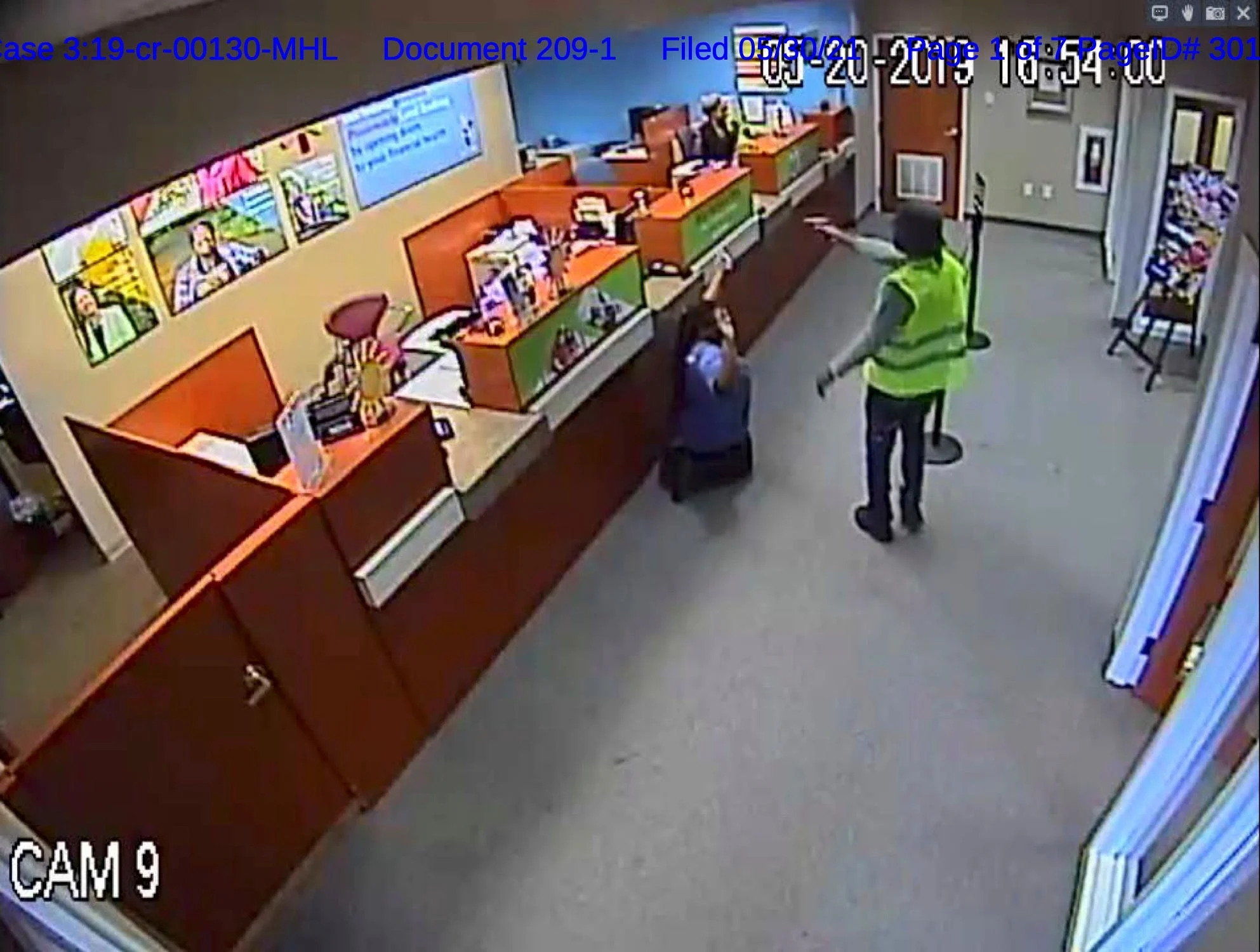
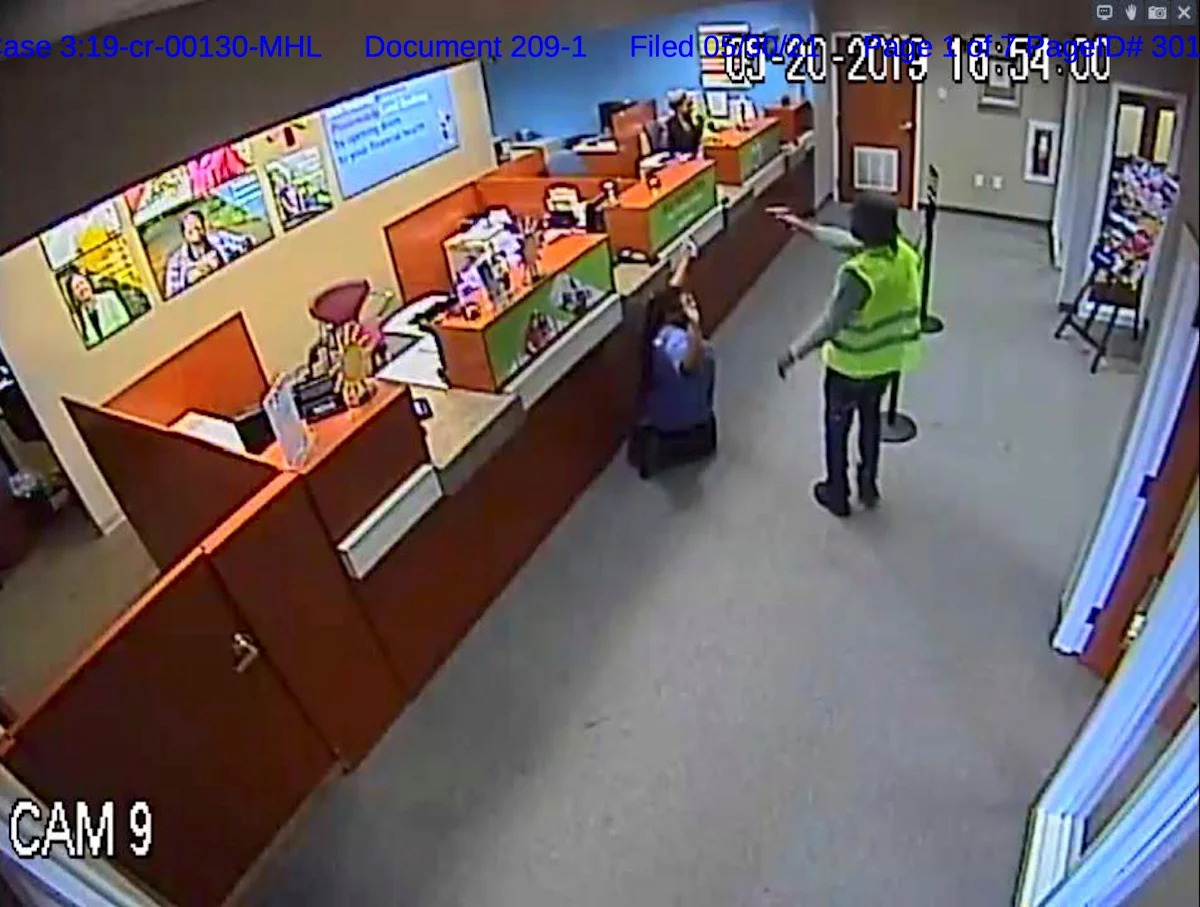
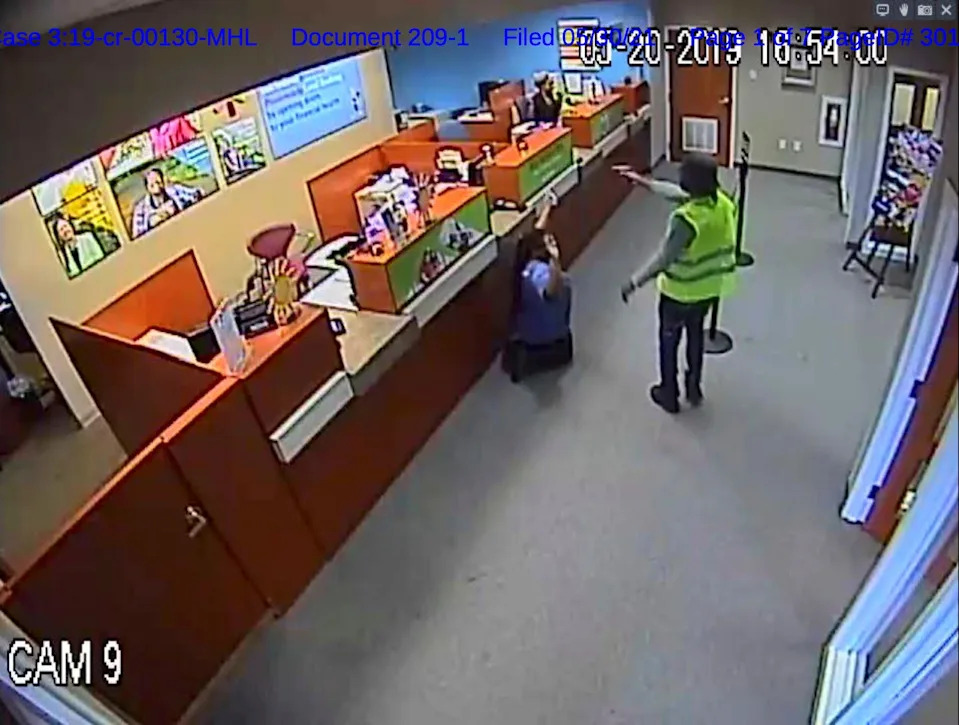
Chatrie pleaded guilty to robbing Call Federal Credit Union at gunpoint on May 20, 2019, and was sentenced to nearly 12 years in prison. Video showed Chatrie walking into the bank in Midlothian, Virginia, at 4:52 p.m. while talking on a cell phone.

Police got a warrant demanding Google identify smartphones near the bank at the time, which narrowed the suspects to three, but the review also swept in more than a dozen people who remained anonymous to police who were in a church nearby.

Authorities call such a search a "geofence" because it designates boundaries to search within. The data is fairly precise, measured to within 3 meters every 2 minutes based on the Global Positioning System, Bluetooth beacons, cell phone towers and local wifi networks.

Google stopped storing location data on its servers in 2023 and leaves the information on individual phones now.

Judges at the U.S. District Court and 4th U.S. Circuit Court of Appeals had each voiced concerns the search violated his 4th Amendment right against an unreasonable search.

But the lower courts allowed the phone data to be used for his conviction because of the good-faith effort of police who got a warrant in the investigation.

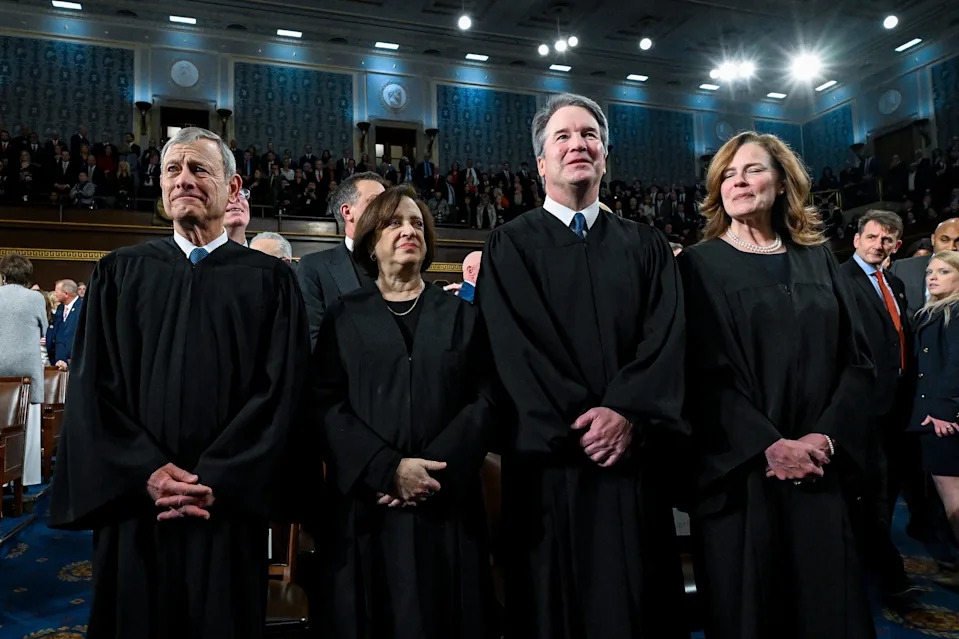
Kagan wrote for a 6-3 majority for Chief Justice John Roberts and Justice Brett Kavanaugh, but others wrote concurring opinions.

Justice Kentanji Brown Jackson agreed with the decision, but wrote with Justice Sonia Sotomayor about her concerns about how police narrowed down the search in coordination with Google, rather than through through a magistrate judge setting limits.

“The facts of this case illustrate why the lack of magisterial oversight is dangerous,” Jackson wrote.

Gorsuch was skeptical about Chatrie’s expectation of privacy after allowing Google access to his location data.

“Why does tracking Mr. Chatrie’s movements digitally over an hour or two invade his reasonable expectation of privacy when an officer tailing him for the same length of time would not?” Gorsuch wrote.

Justice Samuel Alito disagreed with the decision, and Justices Clarence Thomas and Amy Coney Barrett joined in part. Alito wrote that the additional court review would do nothing to alter Chatrie’s case.

“Although today’s decision will send seismic waves through our Fourth Amendment doctrine, not one iota of the majority opinion will affect the outcome of this case,” Alito wrote. “I cannot support this irresponsible escapade.”

This article originally appeared on USA TODAY: Supreme Court hangs up on whether smartphone search was 'reasonable'
Comments
You must be logged in to comment.