yahoo Press
Sen. Bill Cassidy on Trump: 'Sometimes he acts as if Congress is merely an appendage'
Images
1 / 7
2 / 7

3 / 7

4 / 7
5 / 7

6 / 7

7 / 7
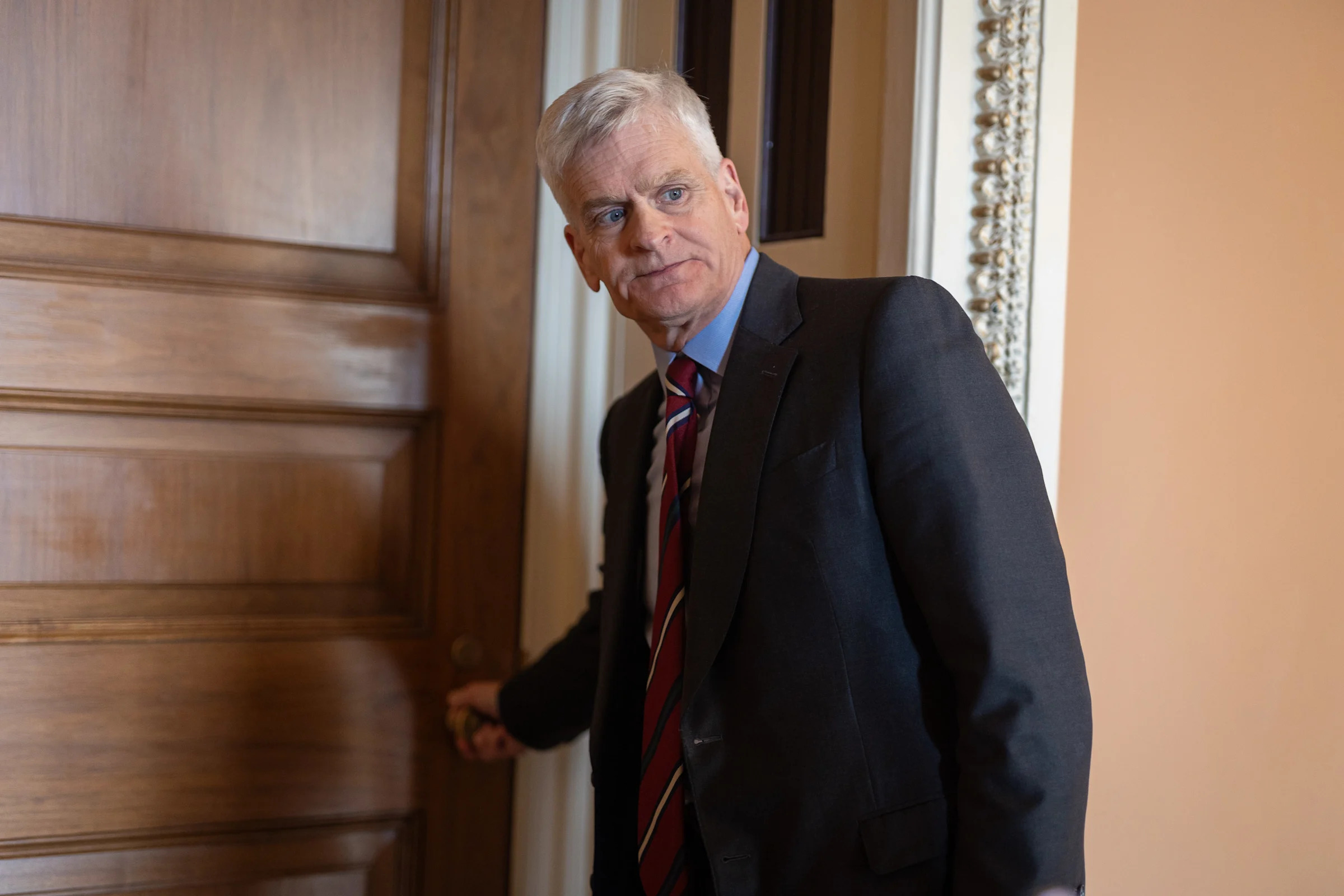
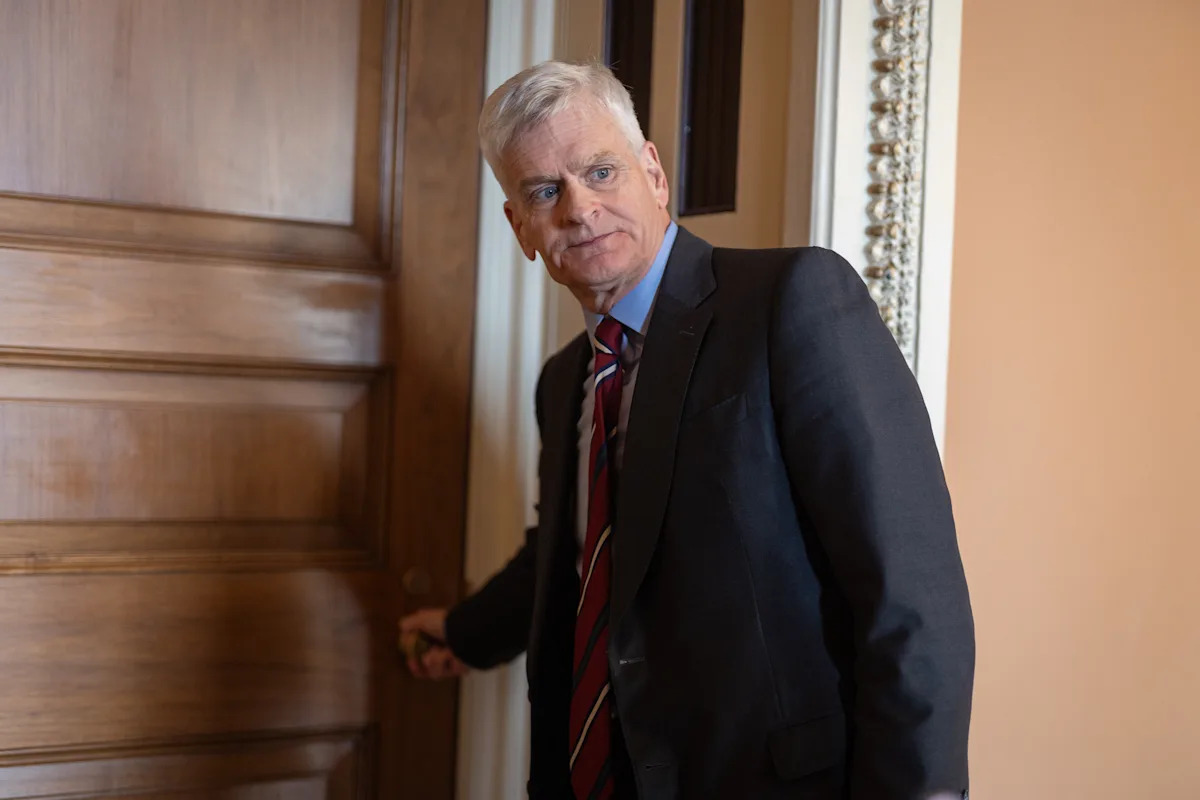
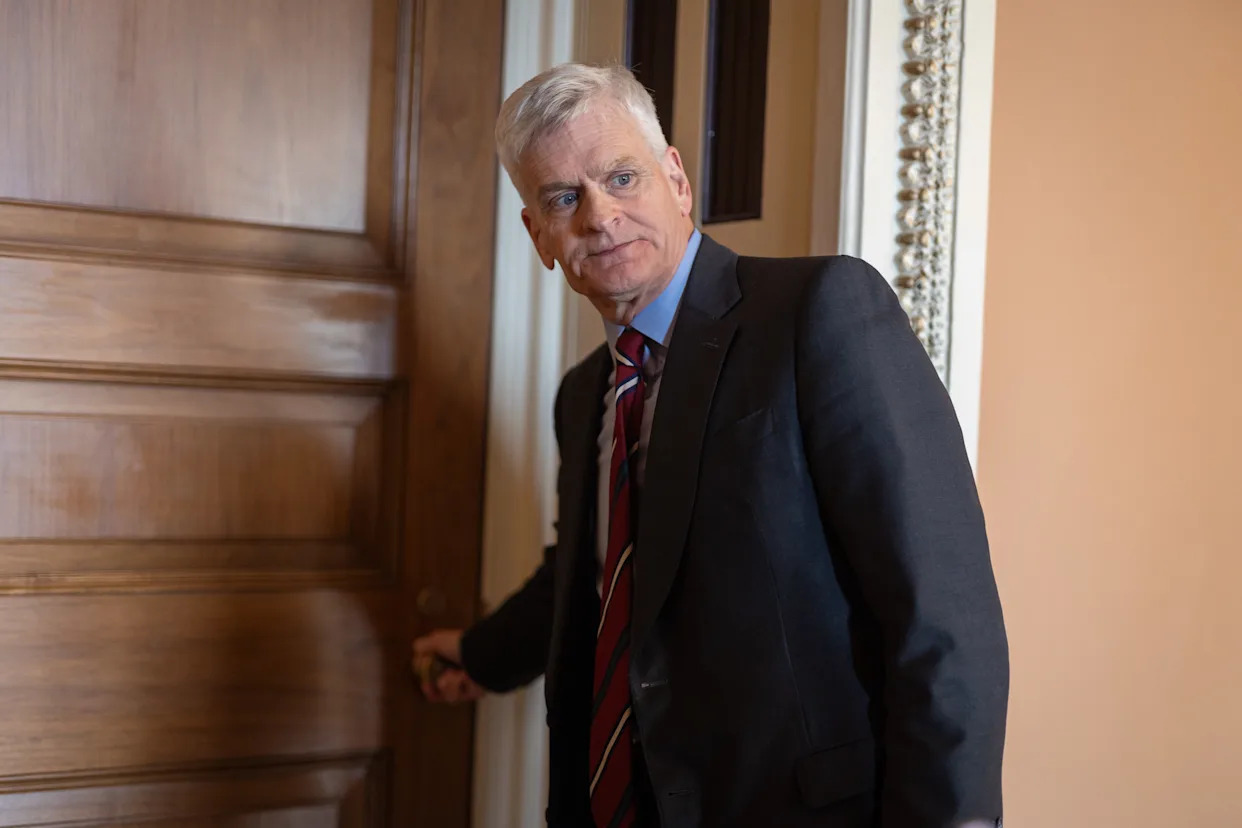
Sen. Bill Cassidy appeared to question President Donald Trump's view of Congress, saying in an interview that he is not sure Trump grasps that Congress "is a separate body, separate from the presidency."

"Sometimes he acts as if Congress is merely an appendage, and, frankly, sometimes Congress acts like it's an appendage," the Louisiana Republican said in a pre-taped interview with CBS' "Face the Nation" that aired Sunday.

The latest criticism in a public clash between the two leaders, Cassidy also told host Margaret Brennan that he would be focused on affordability, including the cost of health care and groceries, if he were president.

"If I were president, I would be focused on those people that they have, my people, our people, us at the kitchen table. How do you make their life better? And that's what I think the president should be focused on," Cassidy said.

The relationship between Cassidy and Trump has been rocky for some time. Cassidy was one of only a handful of Republican leaders who voted to convict Trump for his role in the Jan. 6, 2021, Capitol riot.

Trump and Cassidy recently clashed in a closed-door meeting involving GOP senators, with Cassidy admitting he raised his voice to "match" the president's in a discussion about the Iran war.

"The president said something negative about me. I received it as attempting to bully me from asking a question that I think the American people need to know, and I'm not going to be bullied," Cassidy said at the time.

Cassidy on Sunday recounted the meeting to Brennan, adding that some of his frustration with the president stemmed from the lack of answers provided to senators.

"If you're not telling me answers, I'm going to push for those answers. So, when the president was berating the four people that voted for the War Powers Act, frankly, I'm not there to be berated," he said.

During the meeting, Cassidy said, he raised his hand and asked Trump if he were truly asking for a reason behind why some Republican senators had voted in favor of a resolution designed to rein in the president's power to wage war against Iran. Trump, according to Cassidy, replied that he was.

"I stood up and I said, 'This is why,' and I listed those objectives that I did not see being achieved, and how the kind of endpoint of the war kept stretching out longer and longer," Cassidy said. "He began to speak over me. Unfortunately, I raised my volume to match his, and we spoke to each other like that, or shall we say, spoke at each other, not to each other."

Cassidy admitted that he should not have lost his temper — but added that Trump shouldn't have either.

"Point being, I needed to know. I need to know to serve my people and my state and my country. As it turns out, I got a briefing afterward. In one sense, I actually accomplished the mission of what I needed to do," Cassidy said.

After receiving a special briefing from Vice President JD Vance and special envoy Steve Witkoff, Cassidy then changed his vote on a subsequent Iran resolution.

"They said right now the negotiations are delicate, and they could collapse if they're not nursed along in the appropriate way. I can accept that," Cassidy said.

"That's the reason they said for their kind of lack of being forthcoming. I can accept that, but my goal was to be briefed, to have the truth in order to make a decision for the benefit of my country, and that was satisfied."

Still, Cassidy's stance against Trump has cost him: After serving more than a decade in the Senate, Cassidy lost his campaign for renomination after Trump endorsed against him. Rep. Julia Letlow will be the Louisiana Republican Senate candidate this fall.
Comments
You must be logged in to comment.