bbc Press
Navy to build drone-equipped warships instead of replacing ageing destroyers
Images
1 / 20
2 / 20

3 / 20

4 / 20

5 / 20

6 / 20

7 / 20

8 / 20

9 / 20

10 / 20

11 / 20

12 / 20

13 / 20

14 / 20

15 / 20

16 / 20

17 / 20

18 / 20

19 / 20

20 / 20
Plans to replace ageing destroyer warships will be scrapped in favour of at least six new modern "hybrid" vessels equipped to deploy drones in the UK's upcoming defence plan.

The Ministry of Defence (MoD) said the new vessels would be more suited to the "pace and nature of modern warfare", and a better investment than a "small number of large expensive ships".

Defence Secretary Dan Jarvis said the new equipment would be "designed and built for the increasing threats we face".

Outgoing Prime Minister Sir Keir Starmer has committed to publishing the long-delayed defence investment plan (DIP) before the Nato summit in Turkey on 7 July after months of talks over how to fund it.

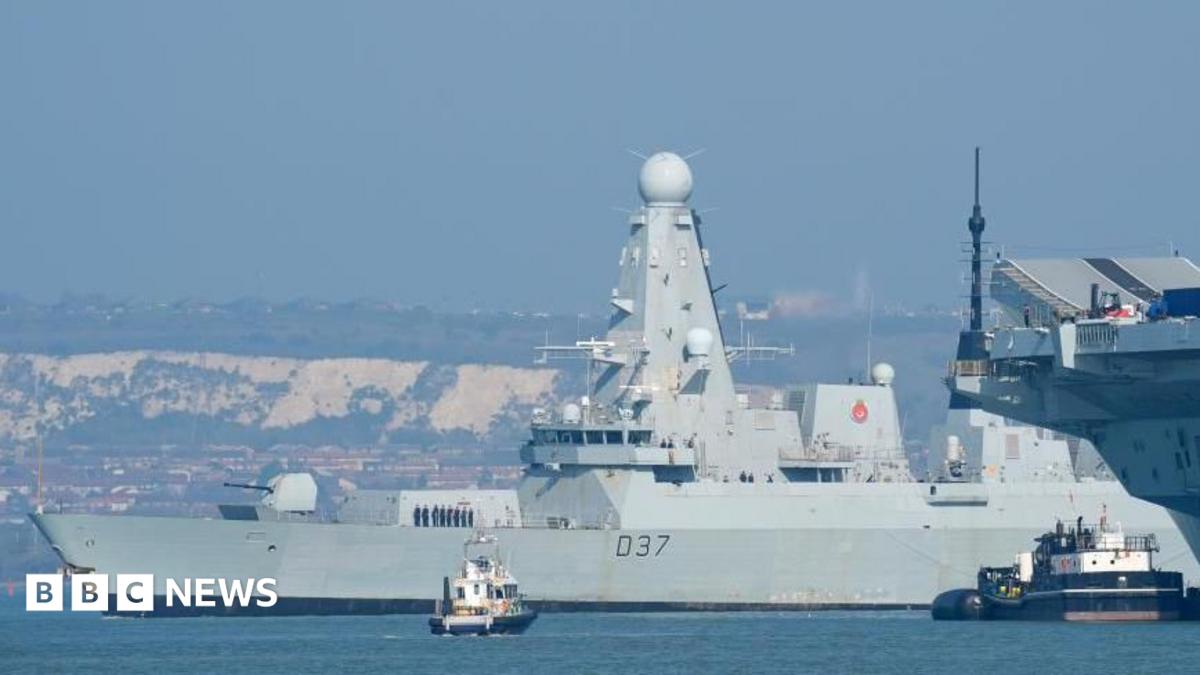
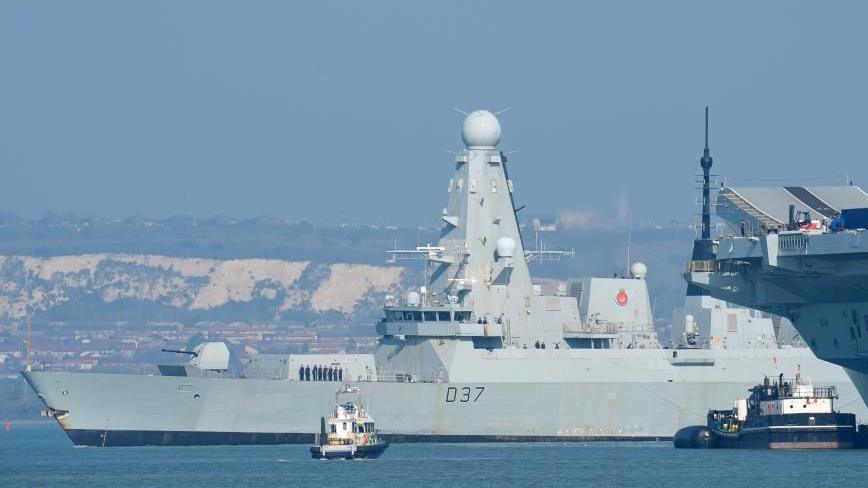
The MoD had been exploring options to replace the Type 45, the Navy's ageing fleet of destroyers, with the Type 83, a concept vessel which was at an early design phase.

Instead, investment will go towards six new Common Combat Vessels, which the department said would be capable of "coordinating uncrewed systems in the air, on the surface and under the sea to deliver more resilient air defence".

It said the change in approach would extend "the Navy's reach, resilience and firepower without a proportional increase in crew or cost".

The government did not specify how much funding had been set aside in the DIP for development of the new vessels.

It said they would be part of operations "to counter Russian activity in the North Atlantic and High North, protect critical underwater infrastructure, and enhance Nato deterrence".

Along with support vessels, the department said the naval programme would be "a once in a generation investment in new maritime capability", and provide work for British shipyards.

Fraught budget negotiations between the MoD, Treasury and departments across government told to make cuts to pay for the DIP have led to the resignations of John Healey as defence secretary and Al Carns as armed forces minister in recent weeks.

Both said the Treasury had not committed enough extra funding to address capability gaps in the British military, or keep up with the pace of change in modern warfare.

Healey said Starmer had been "unable", and the Treasury "unwilling", to commit the resources needed to defend the country at "this time of rising threats".

Carns said the draft DIP plan was "neither transformative enough nor sufficiently funded".

Earlier this weekend, the MoD said the DIP had been "refreshed" over the last fortnight since Healey's resignation, while his successor Dan Jarvis said it would "prioritise getting the latest kit" into the hands of front-line forces, including "new lethal strike drones".

Jarvis has reportedly secured extra funding for the DIP since taking office, though there are no signs it will receive the £28bn extra Healey previously said was needed.

On Saturday, the MoD said £500m would be allocated to equip the UK's elite Commando Force with new boats and the "latest drone and autonomous technology" as part of the plan.

The government has committed to raising defence spending to 2.5% of GDP by 2027, and along with other Nato allies has set out an ambition to increase it to 3.5% by 2035.

Nato figures showed the government spent 2.3% of GDP on defence as of 2025, slightly below the average for alliance members once US spending was discounted.

In his resignation letter, Healey said the draft DIP at the time he left office on 11 June amounted to a planned rise to 2.68% of GDP by 2030.

The Sunday Times reported, external that Andy Burnham, who is widely expected to succeed Sir Keir Starmer as prime minister next month, has seen the DIP and approved it.

It is due to be published before he potentially takes office - which, unless a challenger for the Labour leadership emerges and triggers a full contest, is expected to be on 20 July.

What's happened to UK defence spending?
Comments
You must be logged in to comment.