yahoo Press
A Texas couple pulled $190,000 from their 401(k)s during Covid — Dave Ramsey says it may have cost them double
Images
1 / 4
2 / 4

3 / 4

4 / 4
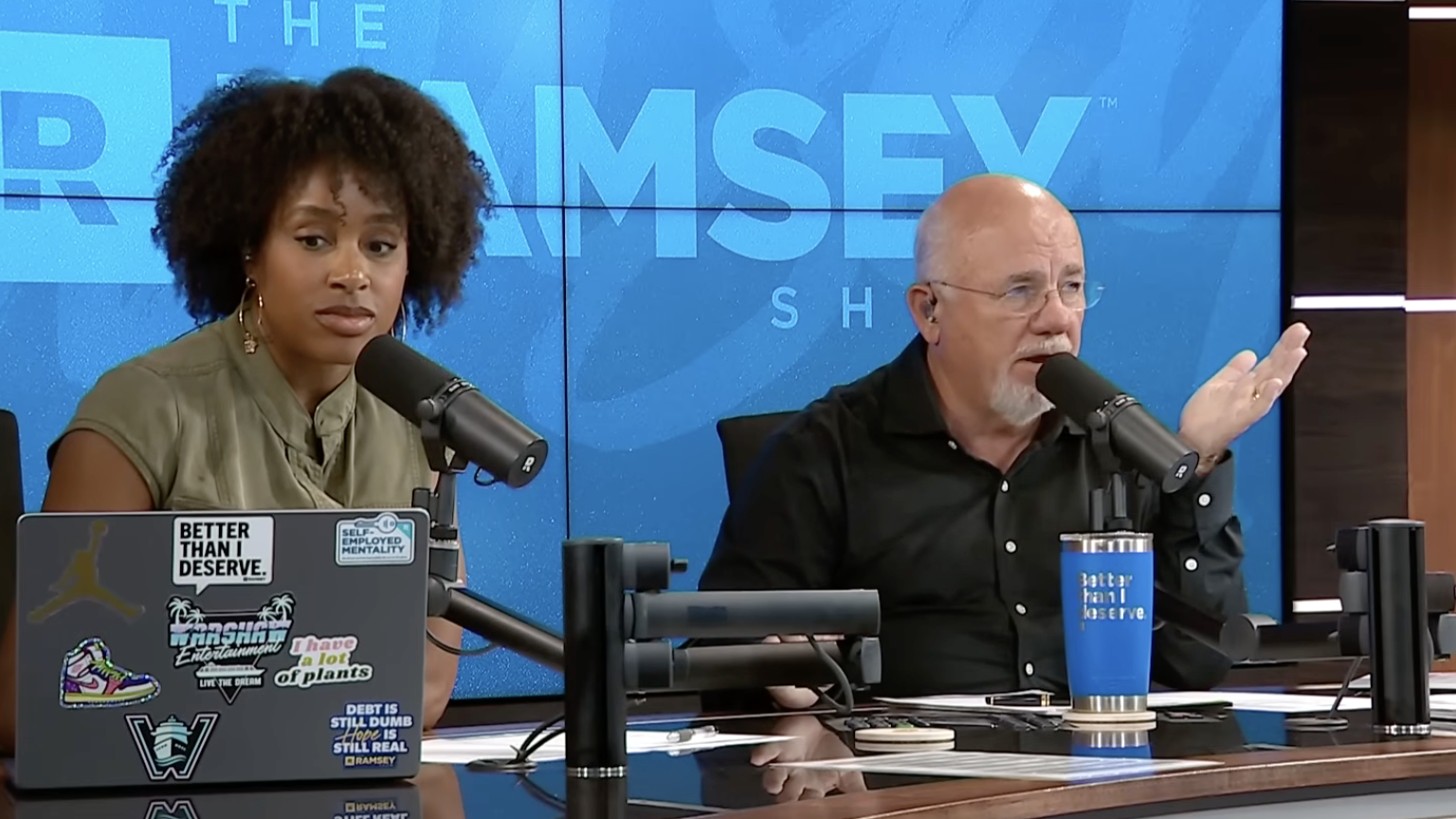
When the stock market plunged during the early days of the COVID-19 pandemic, 71-year-old Donna and her husband, 84, made a decision many investors later regretted.

The Texas couple watched their retirement accounts lose roughly $26,000 in a week and quickly pulled about $190,000 out of their 401(k)s and other retirement investments. Appearing on The Ramsey Show, Donna explained their thinking: "We don't have time to recover (1)."

But according to the hosts, that move may have cost them far more than the initial decline.

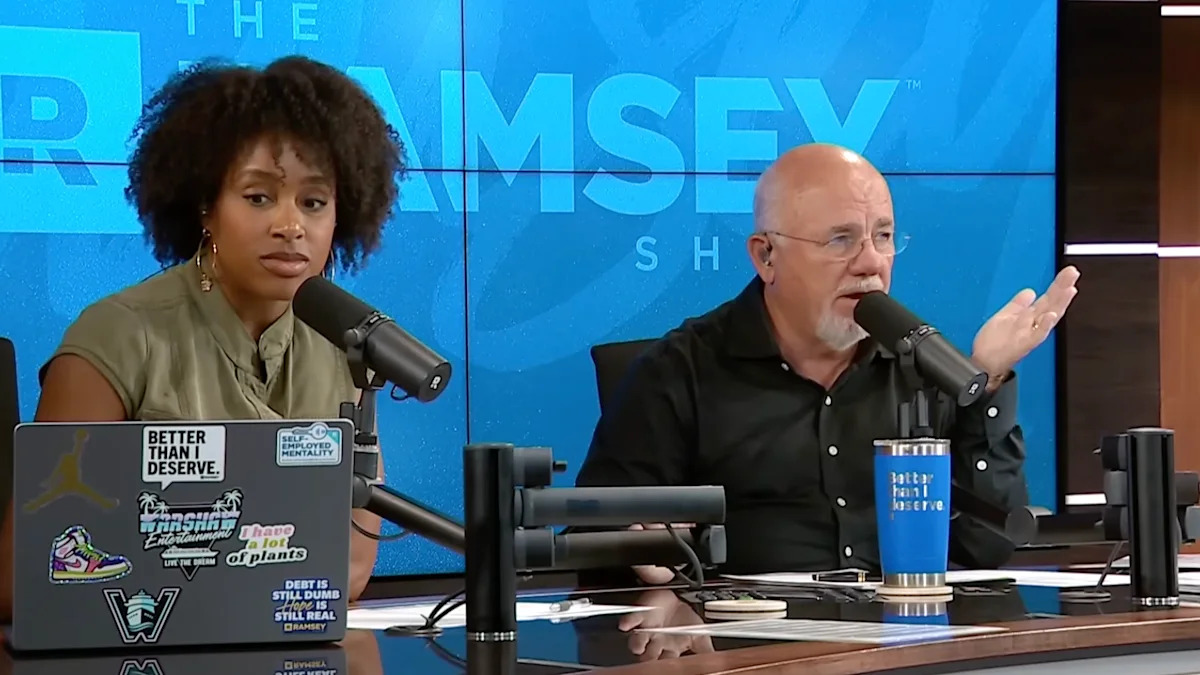
"The moment you took it out, you just locked in that loss," cohost Jade Warshaw told Donna. "It went up 25% three years in a row, and you missed that," Dave Ramsey added (1).

The couple's story highlights a common investing mistake: Selling during periods of market panic and missing the recovery that often follows.

The Covid selloff was one of the fastest market declines in modern history. The S&P 500 fell about 34% between February 19 and March 23, 2020, CNBC reports (2). But it also staged one of the fastest recoveries on record, regaining its losses by August 2020 and finishing the year up more than 16% (3).

Ramsey argued that the couple's fear of further losses caused them to miss the rebound entirely. He estimated their portfolio could have roughly doubled had they remained invested through the subsequent rally.

While Ramsey's estimate is illustrative rather than a precise calculation, market performance after the Covid crash demonstrates his broader point: Investors who exited near the bottom often missed substantial gains.

Research suggests Donna and her husband aren't alone.

According to Dalbar, investors frequently underperform the market because they buy and sell at emotionally driven moments. The firm notes that investors often flee during downturns and fail to reenter before recoveries occur (4).

More recent analysis cited by Wells Fargo Advisors found that the average equity fund investor significantly lagged the S&P 500 (by 8.5%) in 2024, continuing a pattern in which investor behavior — not investment performance — often drives disappointing results (5).

The challenge is especially acute for retirees. Unlike younger investors with decades to recover from losses, older Americans like Donna may feel they have less room for error. That can make market volatility emotionally difficult to endure.

In Donna's case, Ramsey suggested the issue wasn't just market risk but also comfort level. He told her that if market swings consistently keep them awake at night, they may be better served by more conservative options such as high-yield savings accounts, even if those vehicles offer lower long-term returns.

Market volatility can be a reminder to ensure your portfolio matches both your financial goals and your comfort with risk. Fidelity notes that investors should periodically review whether their investment mix still fits their situation and risk tolerance, adding that the goal is to "have a plan that makes sense regardless of short-term market conditions (6)."

Major market declines have historically been followed by recoveries, though the length of those recoveries has varied. Warshaw cited several examples, including the 1987 crash, the dot-com bust, the Great Recession and the COVID-19 selloff, all of which recovered, some within short order (1).

The SEC's Investor.gov guidance says asset allocation should reflect an investor's time horizon and risk tolerance, with investments spread across different asset classes rather than concentrated in a single area (7).

Maintaining a cash reserve can also help retirees reduce the need to sell investments during market downturns. Fidelity notes that cash, cash equivalents and other income-producing assets can provide spending money during volatile periods, helping retirees avoid selling stocks after market declines (8).

For Donna and her husband, the key lesson may be less about the risks of stock picking and more about avoiding emotional decisions during crises. The hardest part was realizing what happened after they left the market. As Ramsey put it (1), they got out at "exactly the wrong time" — a mistake that many investors only recognize once the recovery is already underway.

We rely only on vetted sources and credible third-party reporting. For details, see our ethics and guidelines.

Youtube (1); Cnbc (2); Reuters (3); Dalbar (4); Saf Wellsfargoadvisors (5); Fidelity (6), (8); Investor (7)

This article originally appeared on Moneywise.com under the title: A Texas couple pulled $190,000 from their 401(k)s during Covid — Dave Ramsey says it may have cost them double

This article provides information only and should not be construed as advice. It is provided without warranty of any kind.
Comments
You must be logged in to comment.