buzzfeed Press
“We No Longer Cook For Her” – People Are Sharing The Food Crimes In Their Country
Images
1 / 11
2 / 11

3 / 11

4 / 11

5 / 11
6 / 11

7 / 11
8 / 11
9 / 11
10 / 11
11 / 11
“In the US we are such a culinary polyglot that, outside of sanitation, nothing is a food crime to everyone and at the same time everything is a food crime to someone.”

"Reminds me of my mother-in-law. She wants to sometimes serve toasted bread with dinner (I don't know why), and she toasts it well beforehand. So you have cold, semi-toasted, limp pieces of bread."

"Our dinner is late, so we usually don't have many carbohydrates (rice, pasta, or, for some people, even pizza) for dinner. That is the reason why.

I guess there are many things we don't mention to tourists, lol. This is like the sangria topic: we don't drink it. We prefer tinto de verano, which is related but not exactly the same."

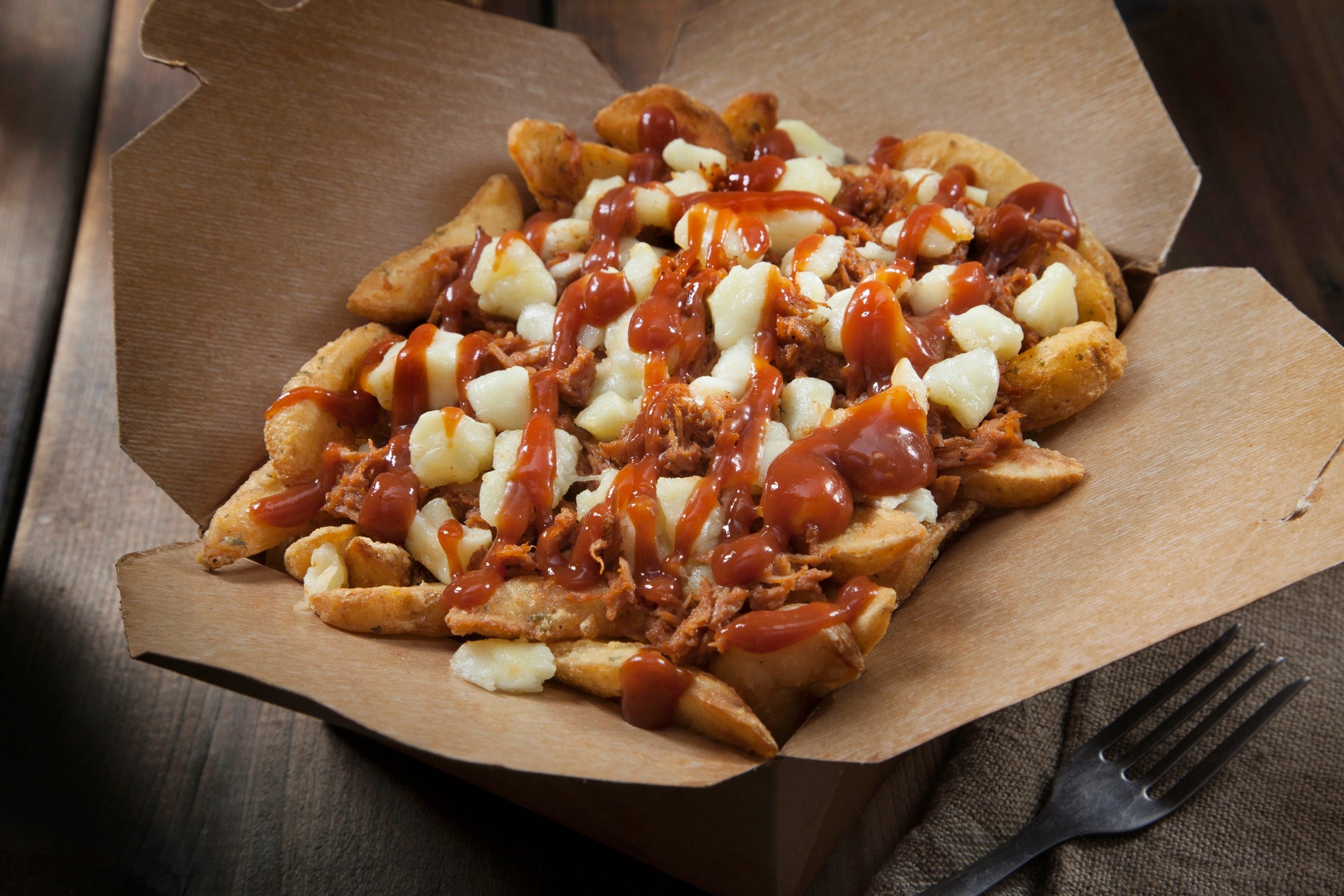
"Shredded mozzarella cheese on poutine."

"Yes, every bone has its own place in the hierarchy and a corresponding level of importance. In most regions, the lamb's head is considered the most prestigious part and is served to the most honoured guest. However, in some regions the custom is reversed: the head is given to the youngest guest, who is then entrusted with carving it and distributing pieces to the children at the table.

The next most important piece is a pelvic bone. Next – thighs, shoulders, ribs, tail fat, neck, usually served to women guests.

Lower legs and feet are for young boys to have their alchiki – ankle bones – to play with afterwards.

The lamb's head is important. Horse heads, on the other hand, are not served at all, but horse meat has its own prized cuts, which have no equivalent in lamb. Beef cuts carry less ceremonial significance, perhaps because cattle have traditionally not been regarded as ritual animals in the same way that sheep and horses are.

Guests' hierarchy is determined by age, kinship, social status and occasion-specific roles. The bride's grandparents are most important at the wedding hosted by the groom's family, for example. Or the eldest son's in-laws are more important than the younger son's in-laws despite being younger, etc.

Quite complicated sometimes, so it's not uncommon to check with elderly relatives to get it all right.

Chicken shared at a family dinner – girls receive wings to fly away, boys have drumsticks to stay firmly.

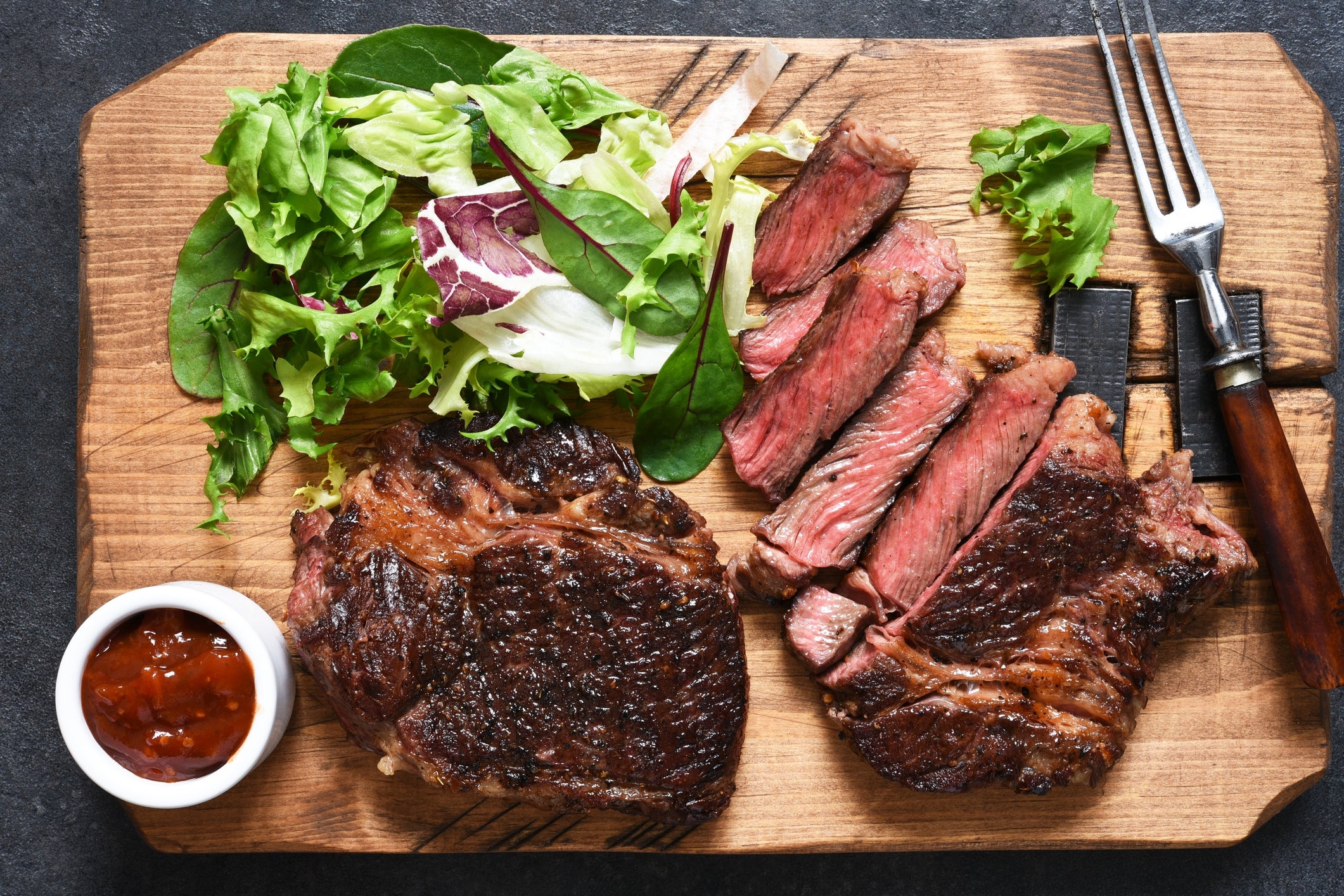
"We have a friend who does this. As in she brought a bottle of ketchup with her to our home when we cooked steak (lovingly seasoned and grilled), and slathered it in the stuff. We no longer cook for her."

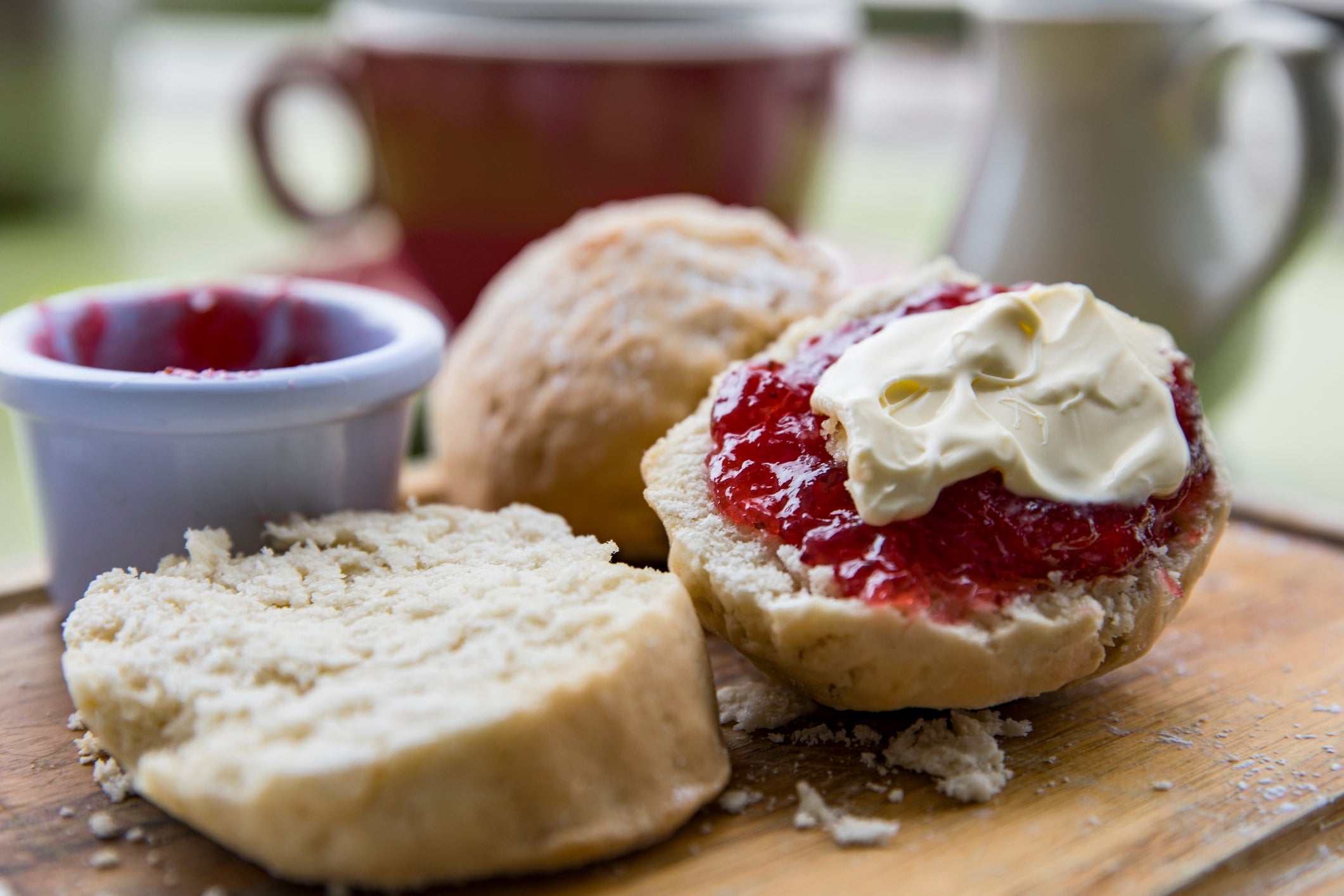
"Depends whether you're in the presence of a Devonian or Cornish person. At my auntie's funeral tea in Plymouth, there were both. I cut the scone in half and did it both ways."

"It's the opposite with cabbage-leaf dolmades, where you need minced meat.

Tzatziki that is either watery or has random herbs, ending up as something like mint yoghurt. Allowed materials are olive oil, garlic (lots), strained yoghurt, cucumber (strained too, to remove excess water), salt. Optionally some white vinegar and, at most, a little dill. Anything else is not acceptable, especially not in the capital."
Comments
You must be logged in to comment.