buzzfeed Press
14 Times Celebrities Called Out Other Celebs, Hollywood, And More During Award Shows
Images
1 / 17
2 / 17

3 / 17
4 / 17
5 / 17
6 / 17
7 / 17
8 / 17
9 / 17
10 / 17
11 / 17
12 / 17
13 / 17
14 / 17
15 / 17
16 / 17
17 / 17
Award shows are supposed to be a celebration, but sometimes, they turn into the best kind of TV: the kind where someone says exactly what they’re thinking.

Dylan covers internet culture, trending stories, and the weird corners of the web you didn't know you needed.

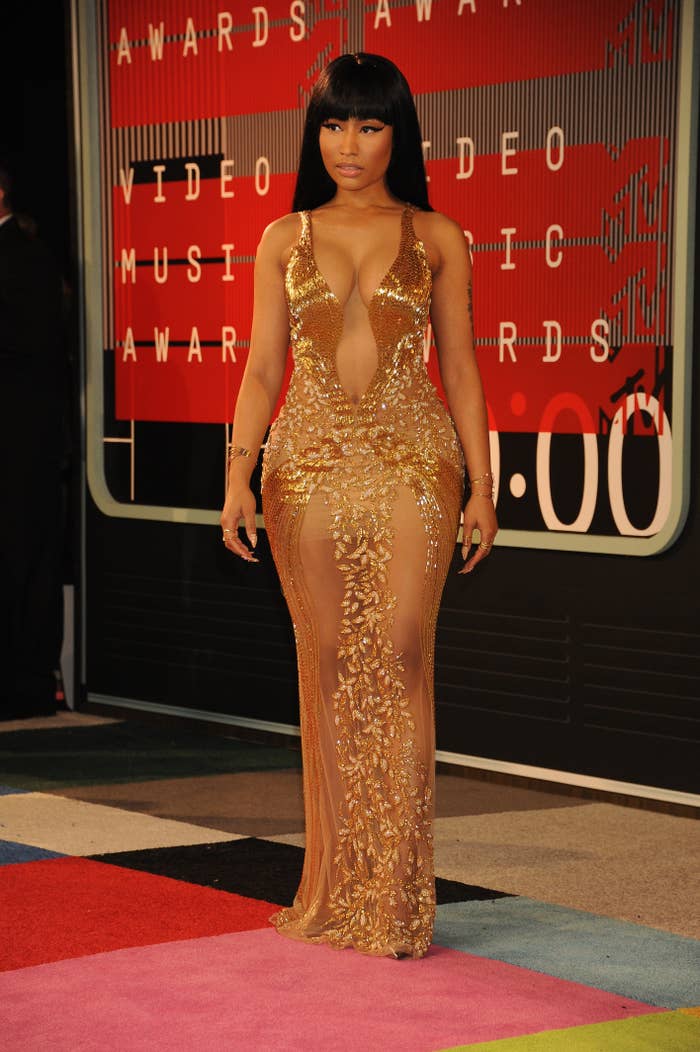
Some context: Nicki had recently called out the VMA nominating process for overlooking Black women, and Miley Cyrus had gone on record with The New York Times, calling her comments "not polite." So,when Nicki won Best Hip-Hop Video and walked up to that stage, she looked directly at Miley — who was hosting the show — and said, "And now, back to this b**** who had a lot to say about me in the press... Miley, what's good?" On live TV. To her face. It remains one of the cleanest, most precise callouts in award show history.

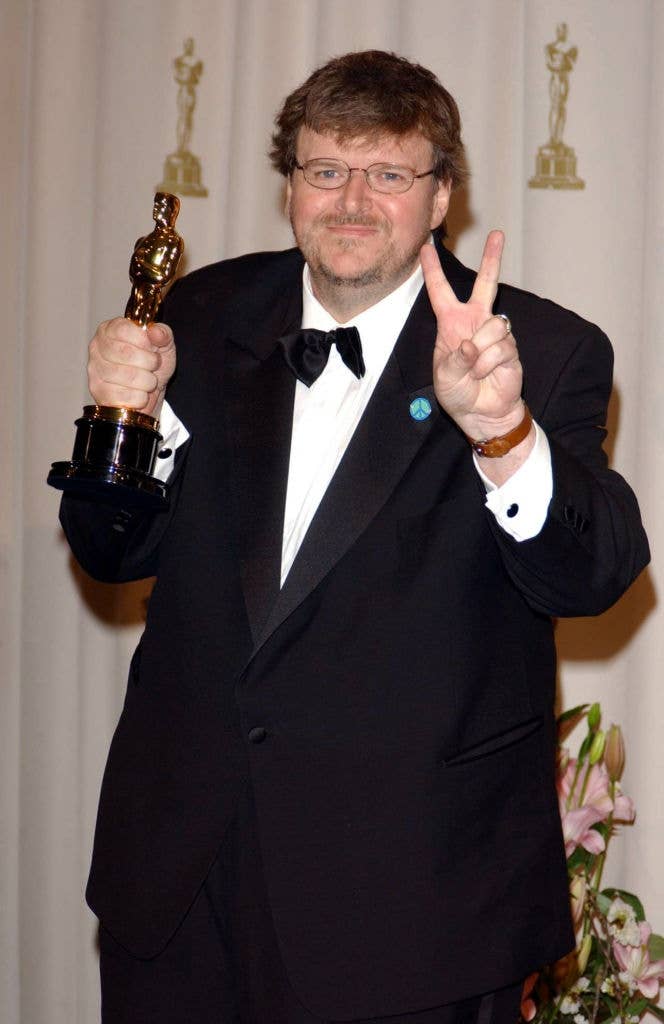
Michael Moore won Best Documentary for Bowling for Columbine — a film about gun violence — and used his acceptance speech to address the invasion of Iraq, which had just started days before. "We are against this war, Mr. Bush. Shame on you, Mr. Bush," he told the audience. He got booed. Loudly. He kept going. Say what you want about the guy, but you don't forget the night someone stood in the Dolby Theatre and told the sitting president to be ashamed of himself.

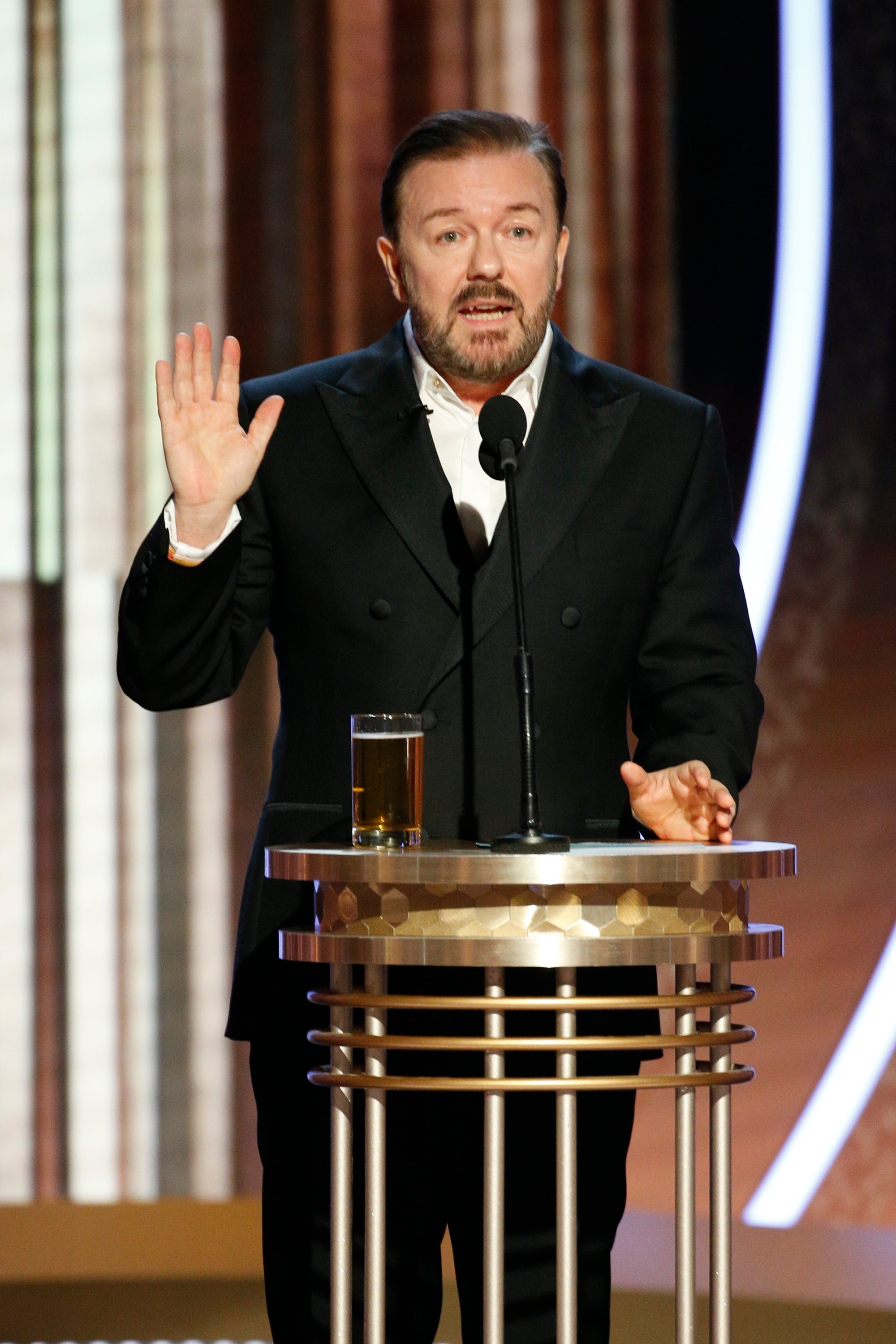
His fifth and final time hosting the Golden Globes, Ricky Gervais came in like a wrecking ball. He called out Hollywood's connections to Jeffrey Epstein, mocked Apple's streaming service, told every celebrity in the room not to give political speeches ("You're in no position to lecture the public about anything. You know nothing about the real world"), and then closed with "If you do win an award tonight, don't use it as a platform to make a political speech. You're in no position to lecture the public." The applause was...uncertain. Nobody quite knew whether to laugh or call their publicist.

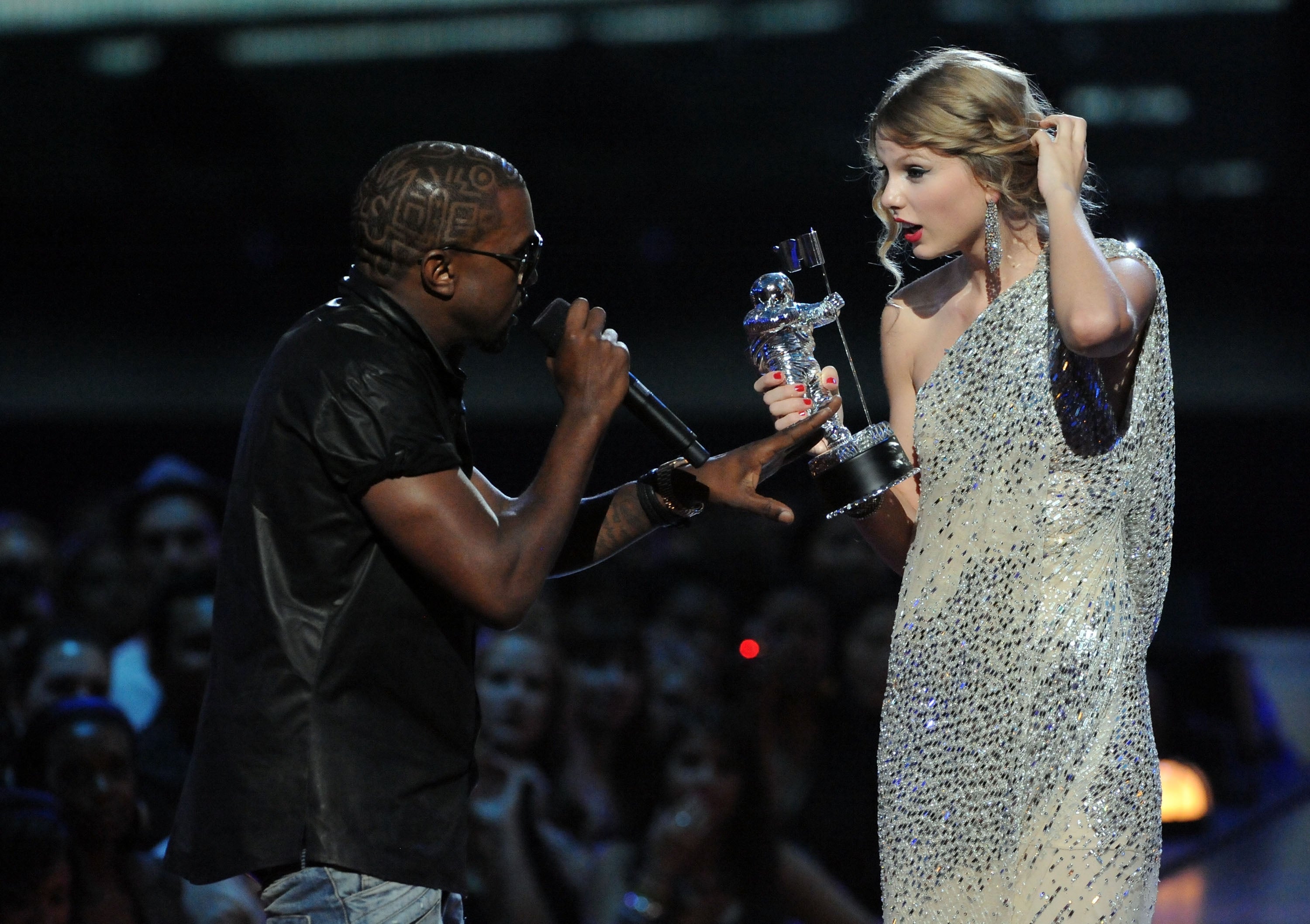
Yes, this absolutely counts. Taylor Swift had just won Best Female Video — her first major VMA — and was mid-speech when Kanye walked up onstage, grabbed the mic out of her hand, and told the world that Beyonce had one of the "best videos of all time." Beyonce, to her credit, looked mortified. Taylor looked like she was going to cry. The moment essentially launched a 10-year pop culture saga that's still not totally over.

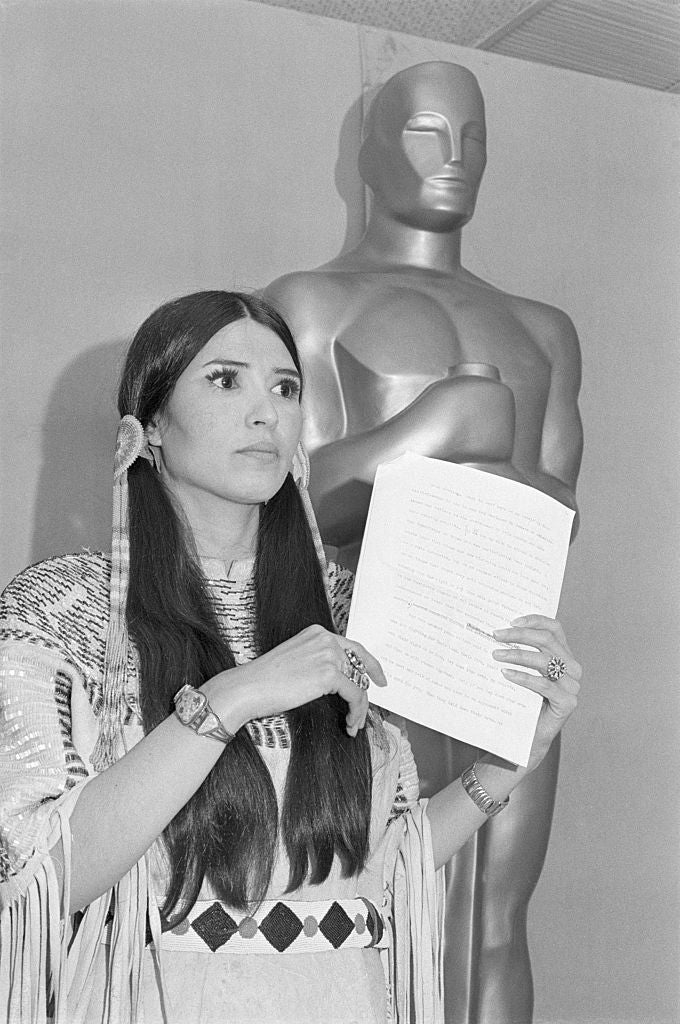
Brando won Best Actor for The Godfather and refused to accept it in protest of Hollywood's treatment of Native Americans and the ongoing situation at Wounded Knee. He sent Apache activist Sacheen Littlefeather in his place to read a statement. The audience jeered. John Wayne reportedly had to be physically restrained from going onstage. Littlefeather was composed and dignified. The whole thing has aged extraordinarily — the crowd boos look a lot different now than they did then.

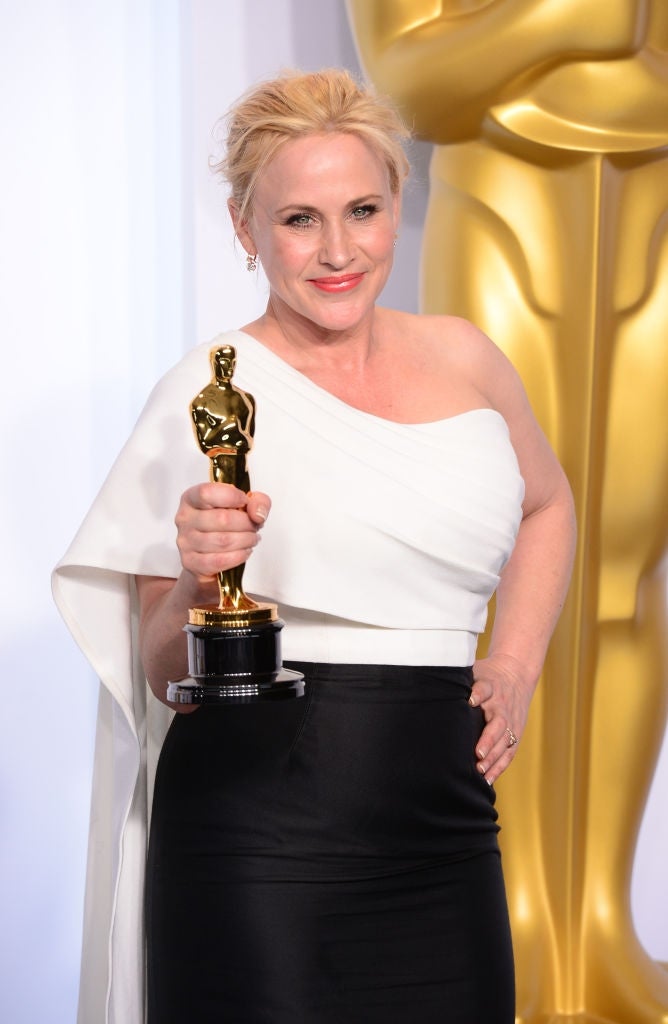
When Patricia Arquette won Best Supporting Actress for Boyhood, she said in her speech: "To every woman who gave birth, to every taxpayer and citizen of this nation, we have fought for everybody else's equal rights. It's our time to have wage equality once and for all." The camera cut to Meryl Streep and Jennifer Lopez in the front row, both standing, both shouting in support. It was one of those moments where the reaction told you everything.

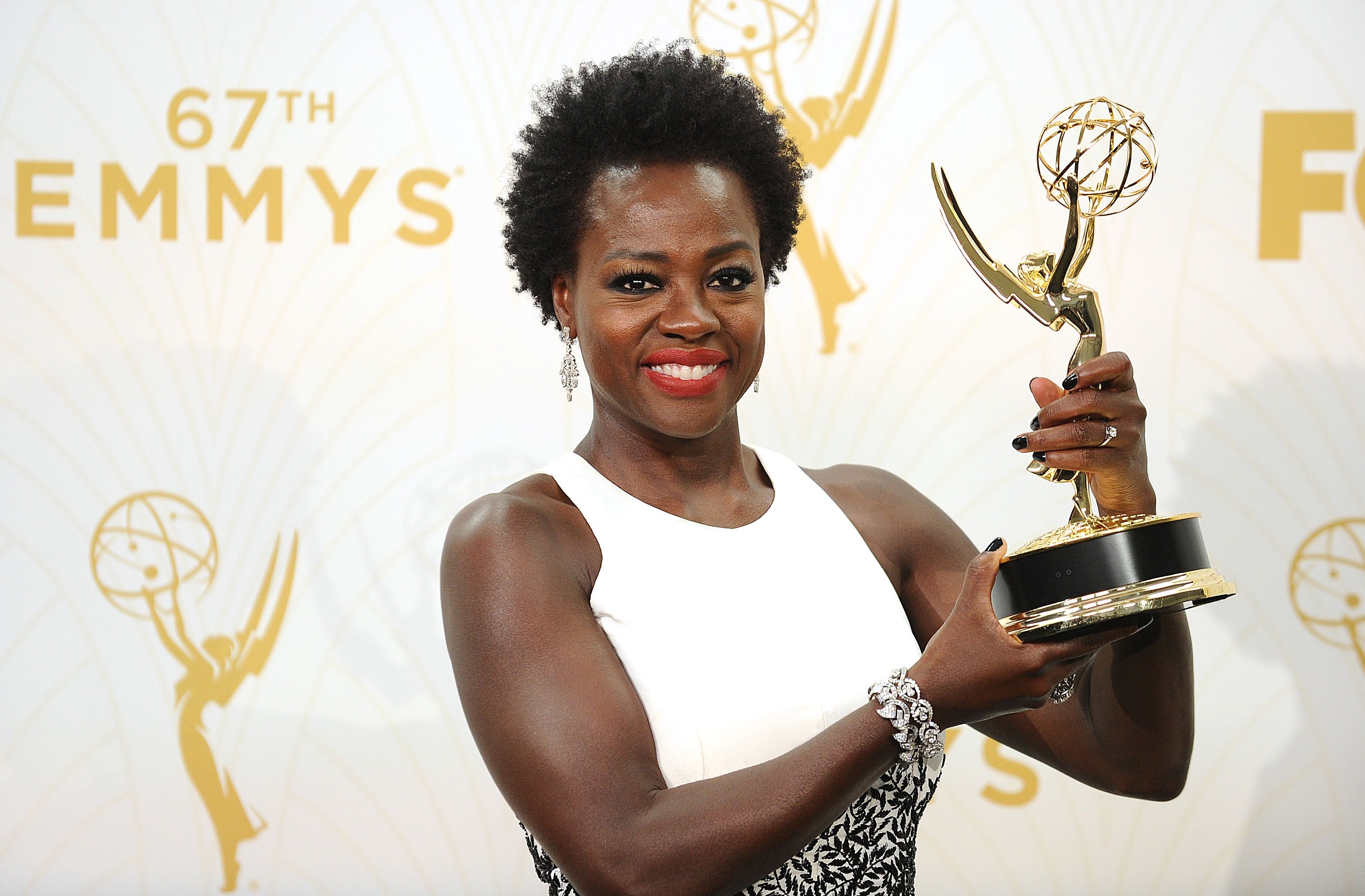
In her acceptance speech for Outstanding Lead Actress in a Drama Series, Viola said,  "The only thing that separates women of color from anyone else is opportunity." She also pointed out that she couldn't have gotten there without the writers who created the role, specifically, writers who chose to write complex, full women of color. She was the first Black woman to win the award.

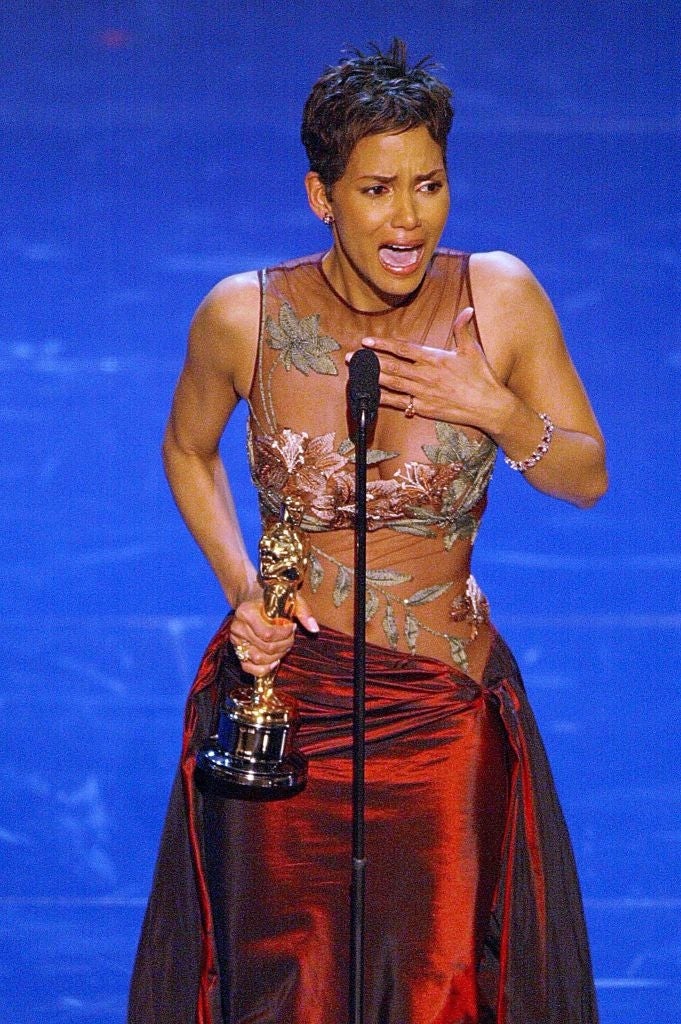
Halle Berry was the first Black woman to win the Oscar for Best Actress in 2002 for her role in Monster's Ball. Her speech was raw and tearful. "This moment is so much bigger than me. This moment is for Dorothy Dandridge, Lena Horne, Diahann Carroll. It's for the women that stand beside me, Jada Pinkett, Angela Bassett, Vivica Fox. And it's for every nameless, faceless woman of color that now has a chance because this door tonight has been opened. Thank you. I'm so honored. I'm so honored," she said. It's still kind of horrifying that it took until 2002 for that to happen at all.

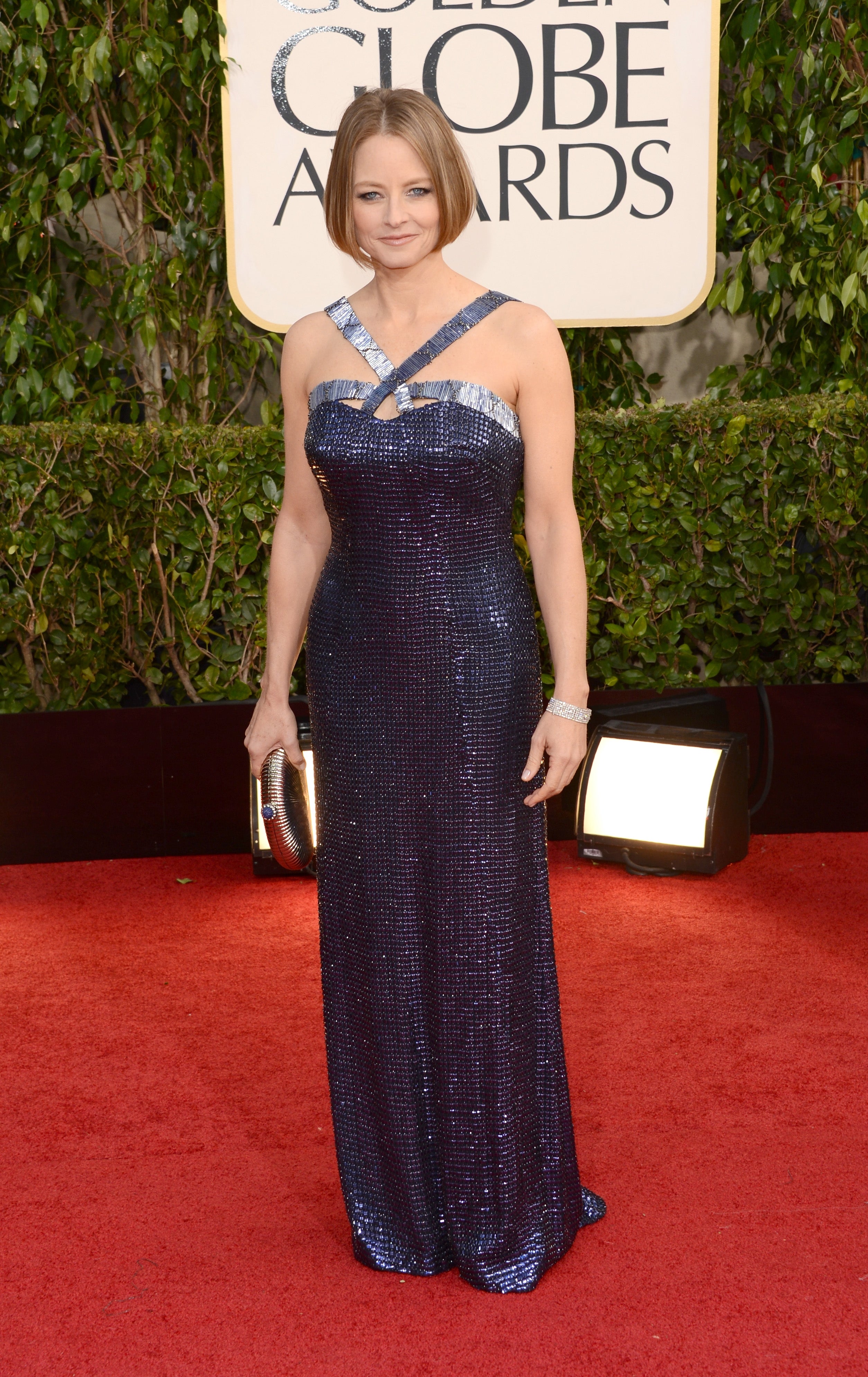
In 2013, Jodie Foster received the Cecil B. DeMille Award at the Golden Globes and delivered one of the most compelling speeches in awards show history. She semi-publicly came out, but also declared her right to privacy, criticized modern celebrity culture, and simultaneously confirmed and dismissed everything. Nobody was quite sure what was happening. But you couldn't look away. It felt real in a way that most award speeches don't.

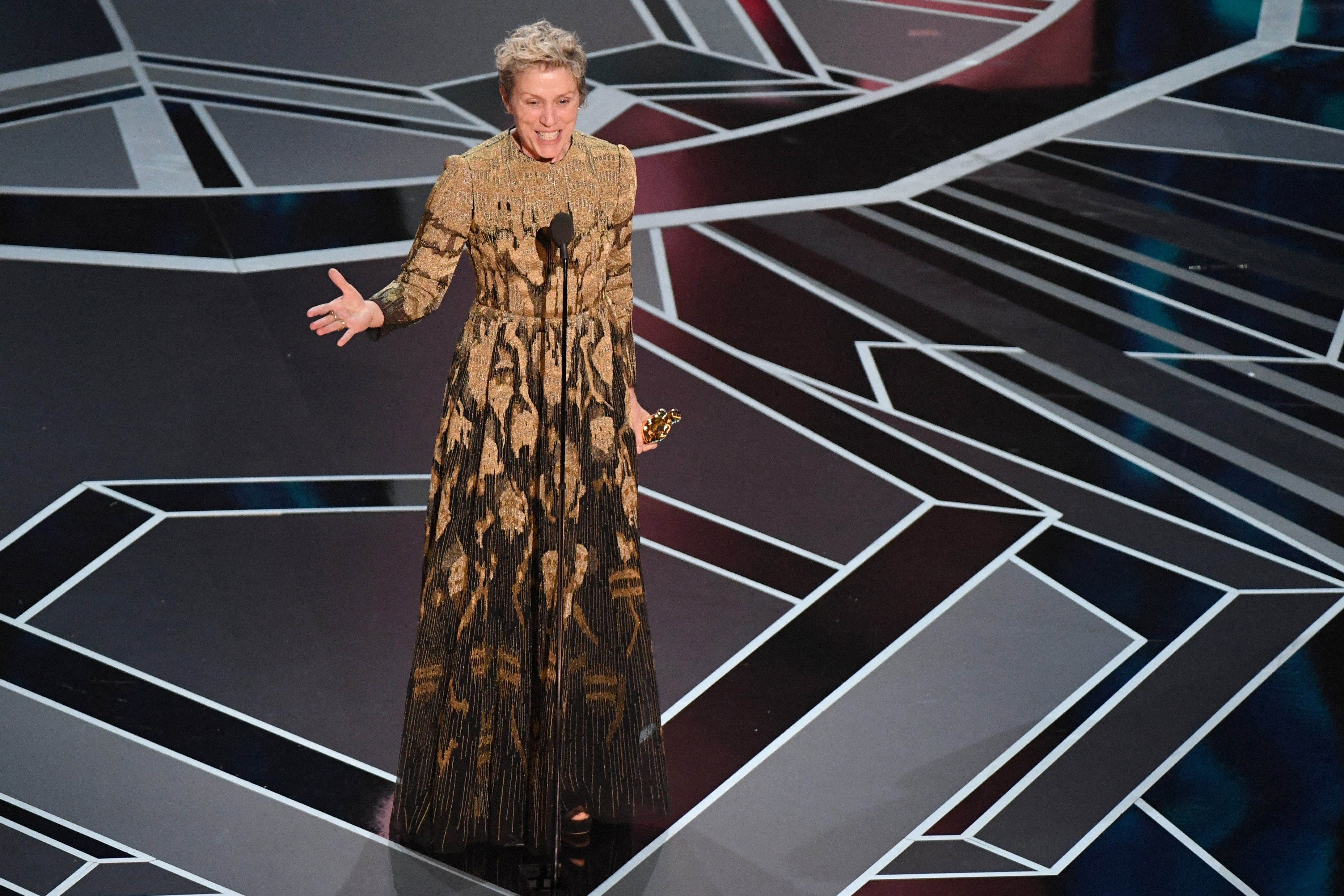
McDormand won the Best Actress for Three Billboards Outside Ebbing, Missouri and gave a speech that ended with: "I have two words for you: inclusion rider." Nobody in the room knew what it was. She told them to look it up. By the next morning, it was everywhere. For those still not in the know, it's a contractual clause that requires studios to meet diversity requirements on their film sets. She turned an acceptance speech into a policy conversation. Brilliant.

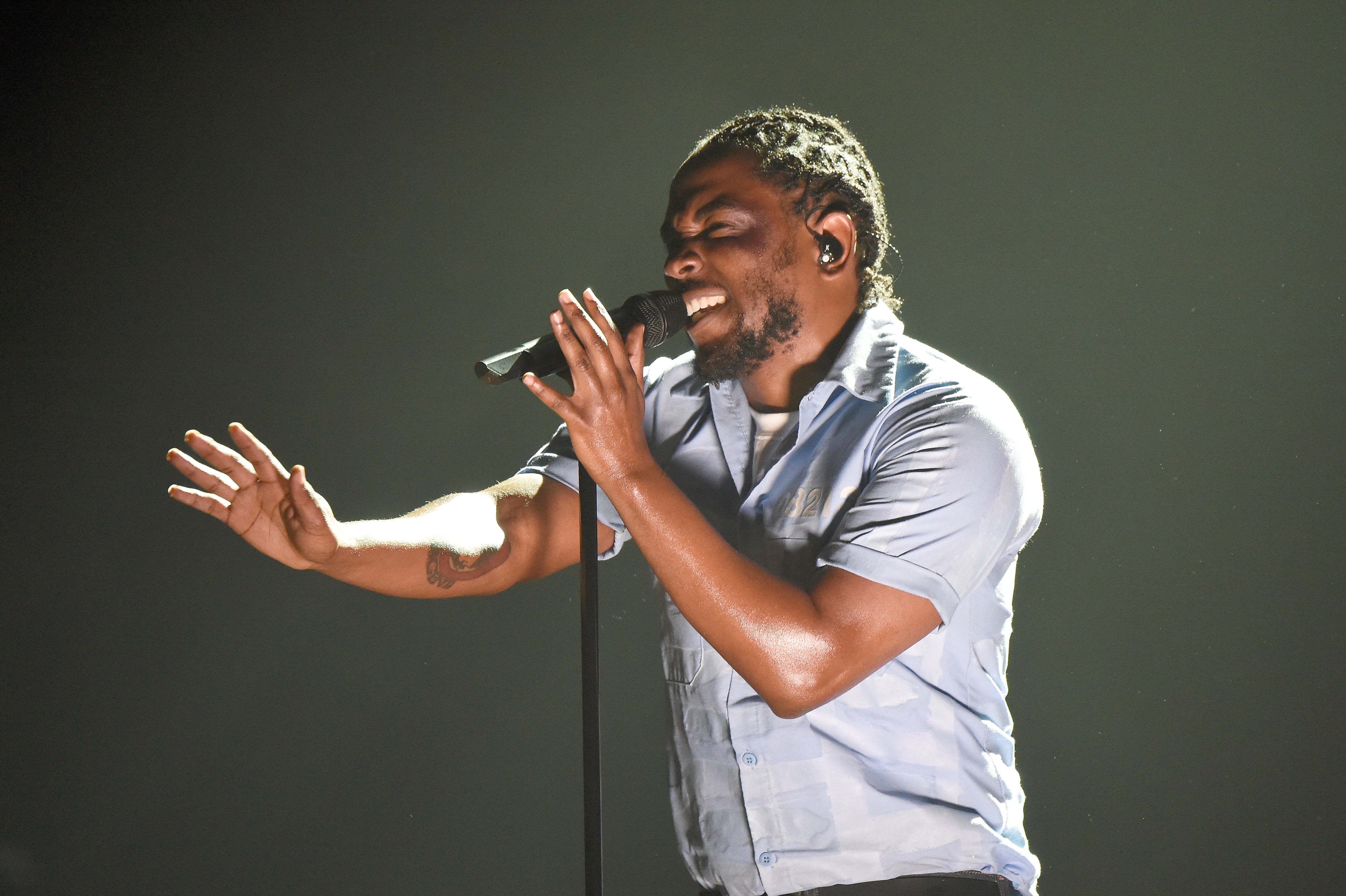
At the 2016 Grammy Awards, Lamar performed in chains, walked out with a group of Black men in orange prison jumpsuits, and performed "The Blacker the Berry" and "Alright" against a backdrop of images from African culture. He was explicitly calling out systemic racism and mass incarceration on the biggest stage in music.

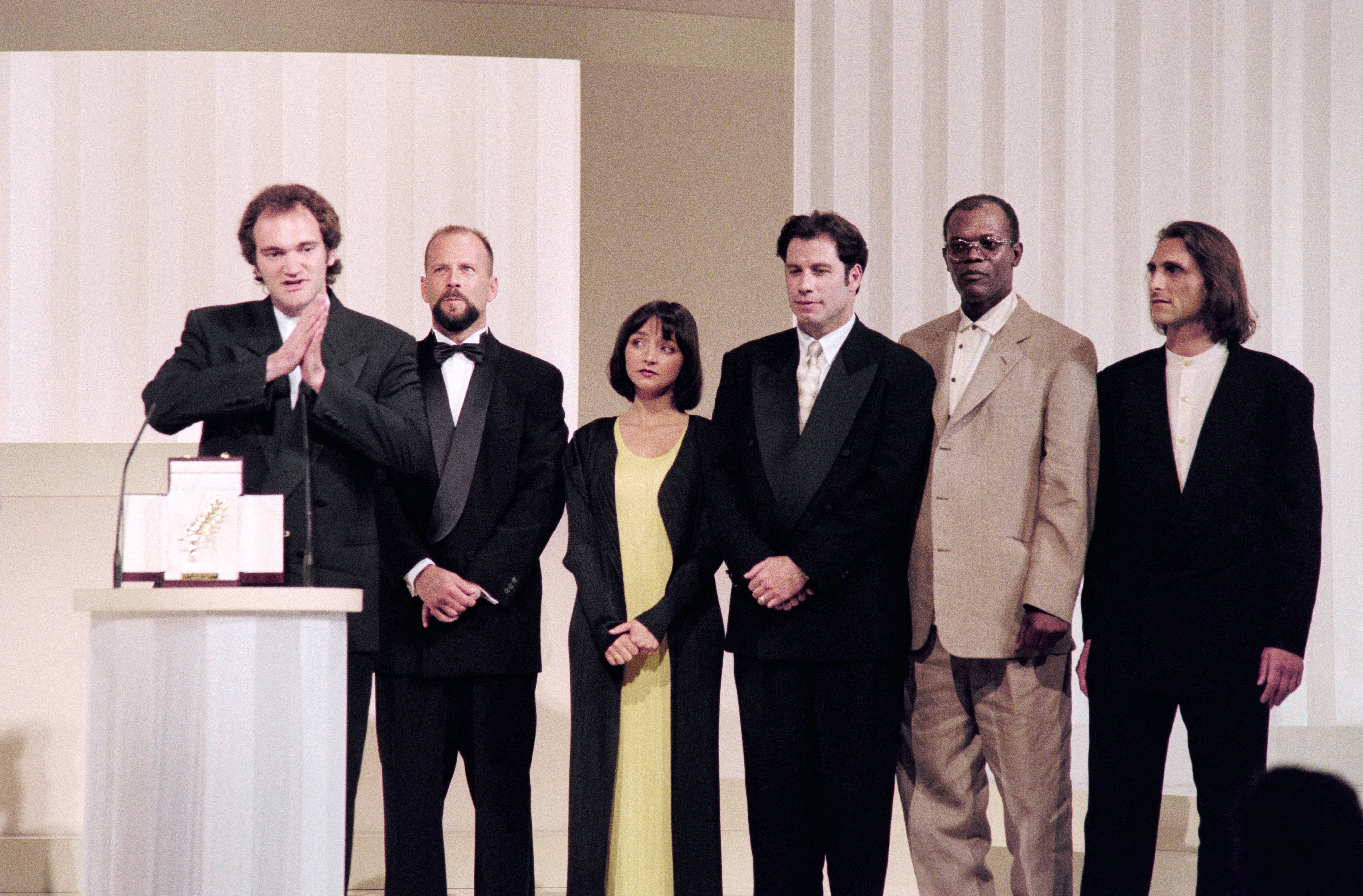
When Pulp Fiction won the Palme d'Or award at the 1994 Cannes Film Festival, Tarantino didn't thank his producers and go home. He used the speech to position himself against safe, commercial cinema and declare that film as an art form was worth fighting for. He's been opinionated about it ever since — sometimes brilliantly, sometimes insufferably. But in 1994, standing there with that award, he meant it.

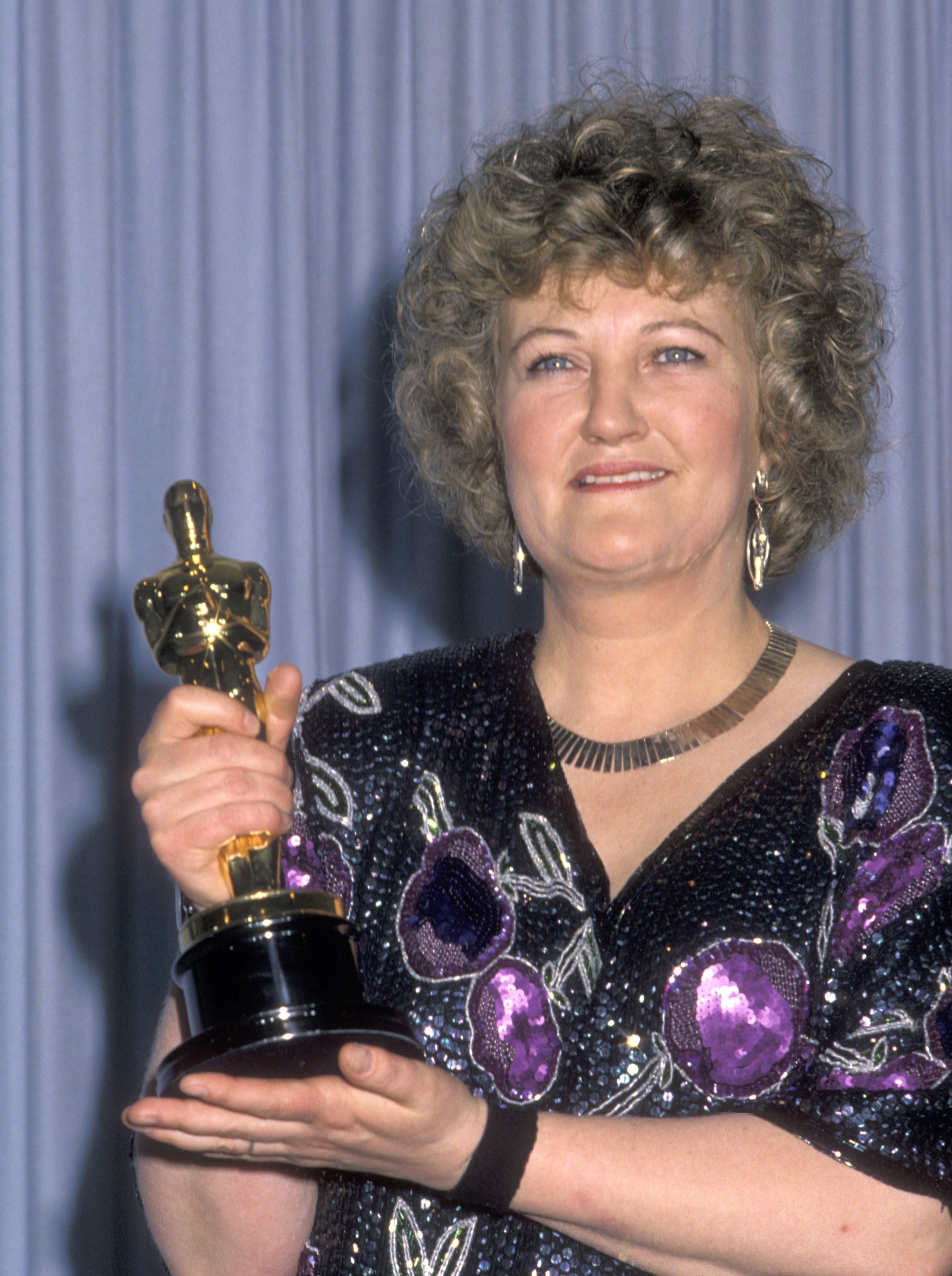
 In 1990, Brenda Fricker won Best Supporting Actress for My Left Foot and gave a quiet, genuine speech that cut right through all the glitter. She thanked her family, then dedicated her win to "all the lonely people." No politics, no agenda, just a real human moment in a ceremony that usually doesn't have many. It's remembered precisely because it didn't try to be anything other than sincere.

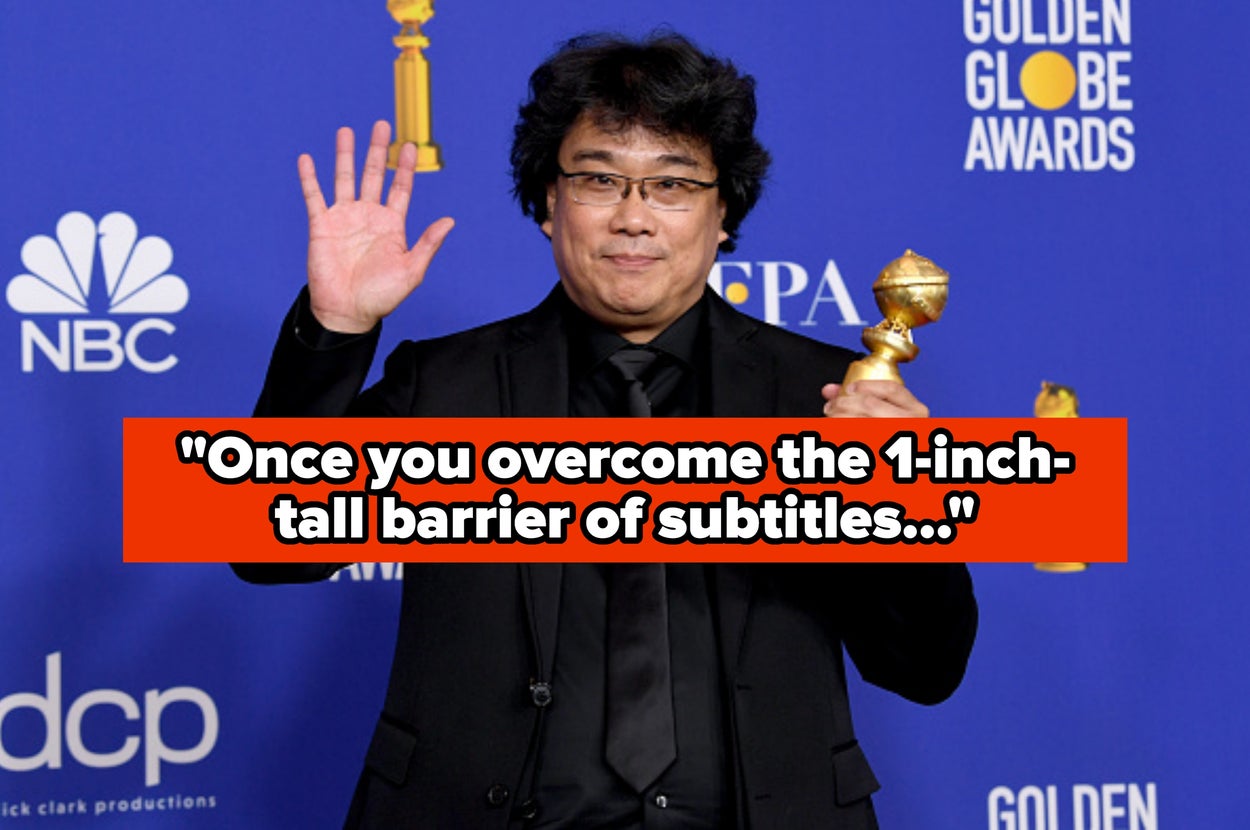
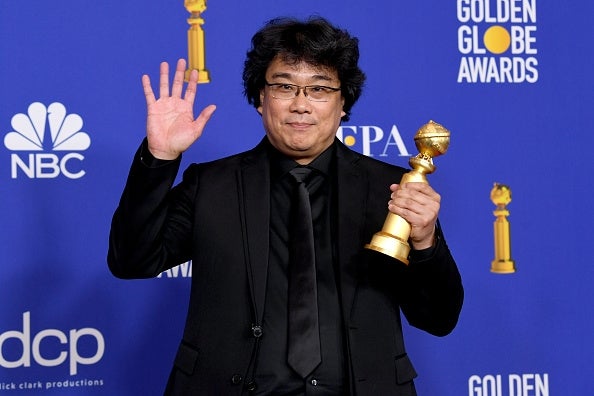
While accepting the Golden Globe for Best Motion Picture, Foreign Language for Parasite, he said: "Once you overcome the one-inch-tall barrier of subtitles, you will be introduced to so many more amazing films." It was a gentle but clear shot at an industry that had historically excluded foreign-language films from serious consideration. Parasite went on to become the first non-English-language film ever to win Best Picture that same night. The speech hit differently after that.
Comments
You must be logged in to comment.