yahoo Press
Iran warns safe passage through Strait of Hormuz not guaranteed
Images
1 / 6

2 / 6

3 / 6
4 / 6

5 / 6

6 / 6
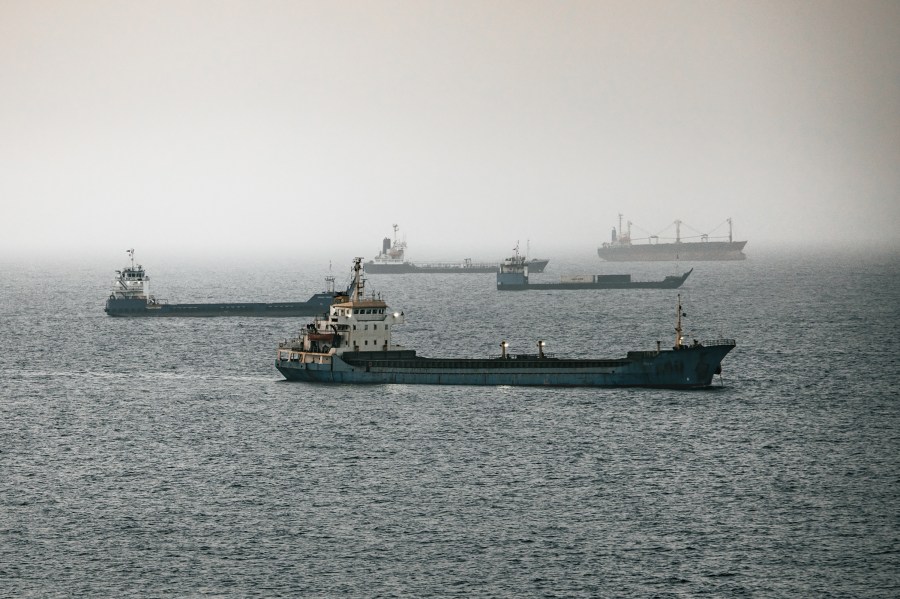
(NewsNation) — Iran warned Friday it cannot guarantee safe passage through the Strait of Hormuz unless ships coordinate with Tehran, raising new concerns about security along one of the world’s busiest shipping routes.

Deputy Foreign Minister Kazem Gharibabadi said designated shipping routes could be suspended if vessels fail to coordinate with Iranian authorities. His comments came after Oman, working with the International Maritime Organization, established temporary routes through the strategic waterway.

The naval arm of Iran’s Revolutionary Guard said some authorities announced a new traffic route in the Strait of Hormuz, but it is “unacceptable and completely dangerous.”

Trump touts Iran farm market as Hormuz attack disrupts shipping

“It is hereby notified to all that the only authorized route for passing through the Strait of Hormuz is the one declared by the Islamic Republic of Iran,” the Iranian force said. “Vessel traffic outside these routes is extremely dangerous and prohibited.”

“Violators will be dealt with,” it added, without elaborating.

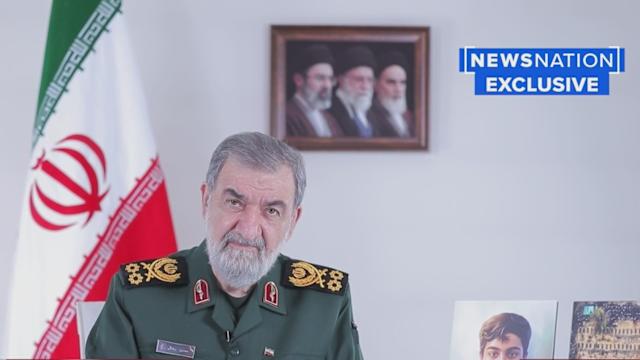
NewsNation’s Robert Sherman asked Dr. Mohsen Rezaei, a senior military adviser to Iran’s supreme leader, about the future of the Strait of Hormuz as negotiations continue.

Rezaei said Iran wants to maintain security in the strategic waterway but suggested countries transporting oil through the strait should help cover the costs of keeping it safe.

“We want to maintain the security of the Strait of Hormuz. We want to protect the environment of the Strait of Hormuz,” he told Sherman.

Rezaei said Iran believes an “insurance mechanism” should be established to cover ships involved in incidents and reduce financial risk for vessels transiting the strait.

“When we provide all of this, these costs cannot come out of the pockets of the Iranian people,” Rezaei told NewsNation. “These costs must be collected from those who are transporting oil through this strait.”

His comments suggest Iran could seek to impose fees or other cost-sharing measures tied to commercial shipping through one of the world’s most important oil transit routes.

Secretary of State Marco Rubio said there was zero support among Gulf countries for a Strait of Hormuz toll, and they also shared other serious concerns. His remarks came Thursday while wrapping up a Middle East trip following the U.S.-Iran interim deal.

Iran’s Islamic Revolutionary Guard Corps (IRGC) warned Friday against any crossings of the Strait of Hormuz without authorization, according to Iranian State Media.

The IRGC Navy said vessels that don’t comply “will be dealt with” and criticized a new route through the waterway.

Their warning comes after three foreign oil tankers attempted to pass through the Strait of Hormuz without authorization and were rerouted towards the Persian Gulf.

Iran criticized a joint statement from the United States and the Gulf Cooperation Council, calling it “interventionist, irresponsible and provocative.”

Tehran said the U.S. military presence in the Gulf remains a source of instability and reiterated its position that navigation through the Strait of Hormuz should be managed jointly by Iran and Oman under last week’s memorandum of understanding.

Congress leaves town with housing, defense and farm bills unfinished

It comes after U.S. Secretary of State Marco Rubio met with foreign ministers from the six-member Gulf Cooperation Council in Bahrain.

The European Union said oil shipments from the Middle East are slowly recovering following last week’s U.S.-Iran agreement.

2 in 3 facing financial hardship from gas prices: Gallup poll

However, officials cautioned it will take time for those supplies to reach Europe. The EU added crude oil markets remain stable for now because of existing global stockpiles.

Reuters contributed to this story.

Copyright 2026 Nexstar Media, Inc. All rights reserved. This material may not be published, broadcast, rewritten, or redistributed.

For the latest news, weather, sports, and streaming video, head to NewsNation.
Comments
You must be logged in to comment.