yahoo Press
BMW’s 1-3% profit margin is a ‘wake-up call for the auto industry’ in the face of competition from China
Images
1 / 4
2 / 4

3 / 4

4 / 4
Global automakers have been agonizing over the formidable threat of Chinese competitors, particularly in the EV sector. It continues to expand (1), though at a slower pace in some markets (especially the US (2)) than in its heyday just a few years ago.

Despite a growing number of electric vehicle registrations (3) worldwide in recent months, the gains have not been evenly distributed. European and North American brands are lagging behind Chinese startups that offer more enticing price points, advanced tech features and lower manufacturing costs.

Robert Kiyosaki says this 1 asset will surge 400% in a year and begs investors not to miss this 'explosion'

Jeff Bezos backs a platform that lets anyone invest in rental homes for as little as $100 — here are 5 ways to build wealth like a landlord without actually being one

Millionaires under 43 hold only 25% of their wealth in stocks. Here's where their money is actually going

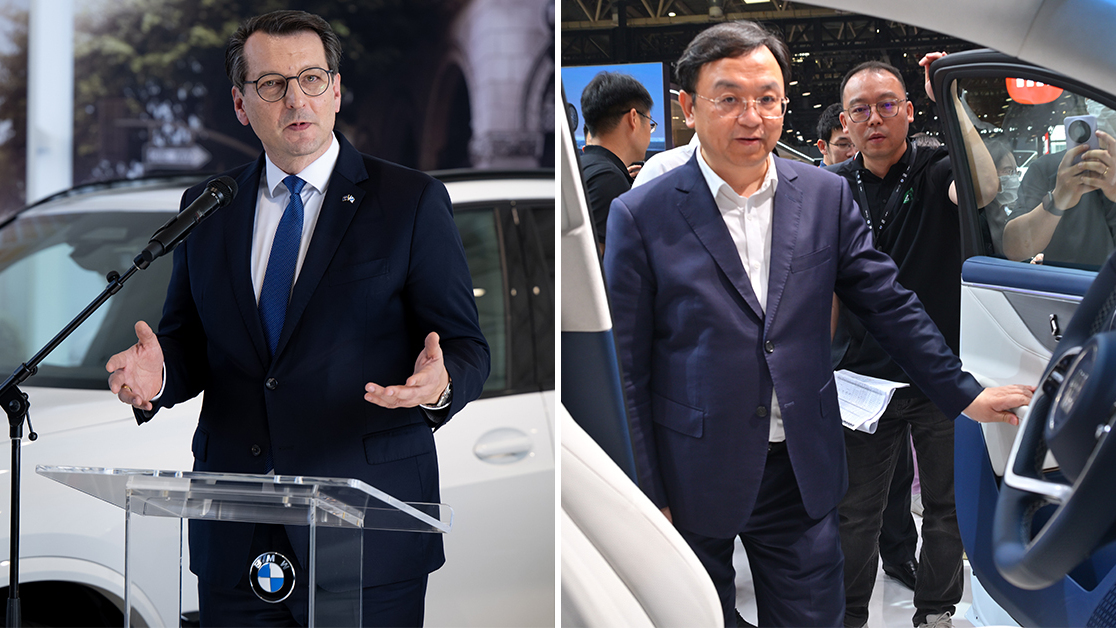
BMW (BMWYY:OTC), for one, has issued a bombshell fiscal update as we head into the second half of 2026. The company slashed its annual profit margin forecast from the 4-6% it initially predicted to just 1-3% (4). Ongoing repercussions from the military action in Iran and, crucially, waning demand in China were provided as the primary reasons for the change.

To cope, the carmaker is rolling out new cost-optimization measures, including cutting 5% of its workforce (5). Meanwhile, analysts at JPMorgan have called the cut "radical" and said it should serve as "a wake-up call" for the entire auto industry.

BMW's shares hit a six-year low (6) as a result of the news, surprising investors who thought the company was better positioned (7) than other European luxury rivals due to its flexibility, resilience and historically strong (8) profit margins.

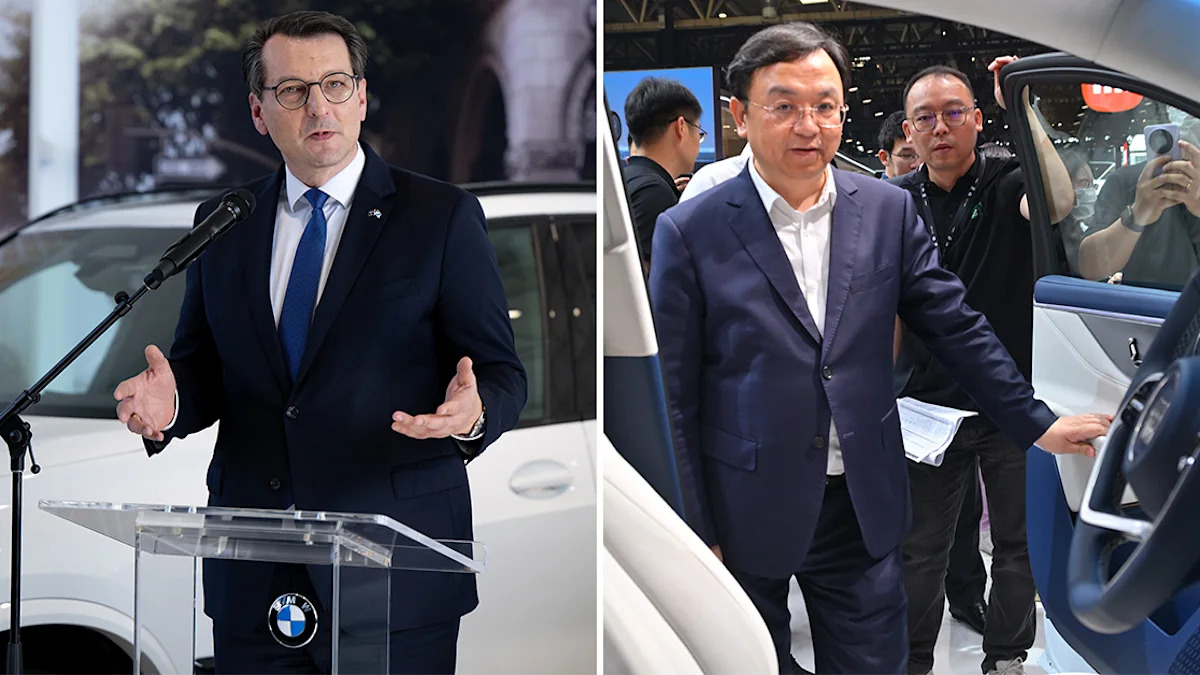
This spring, executives at Toyota, Ford and Honda had to face the reality of China's competitive edge. The CEO of Honda, Toshihiro Mibe, turned heads by saying his company had "no chance against" the level of automation that firms like Shenzhen-founded EV giant BYD have rapidly integrated into their operations.

In Germany, BMW and its peers, including Mercedes-Benz and Porsche, have watched profit margins fall (6) from double-digits in 2021-2023 to between 1% (BMW) and 7.5% (Porsche) for 2026.

In the US, tariffs, the end of federal clean vehicle credits, inconsistent charging infrastructure (9) and a lack of appealing low-cost models have slowed consumer adoption (2) of non-fuel cars. At the same time, the tough economy has pushed new-car purchases down households' priority lists (10).

Meanwhile in China, where the EV market is rife with domestic players and is especially cutthroat, rebate programs for the vehicles were also trimmed in 2026. That move dampened sales activity for the year after a late-2025 sales rush (11).

BMW shuttered one of its Chinese dealerships in March (12), reportedly due to poor sales. That followed the closure of more than 50 locations (12) in the country in 2025.

Read More: Here are 5 fixed costs Americans constantly overpay for. How many are sabotaging your budget?

BMW saw stronger interest in its EVs than ever in 2025 (13) and had aimed for EVs and hybrids to make up 50% of its sales by 2030 (13). For comparison, those vehicles accounted for 18% of sales in 2024, a year when executives said the market had reached a "tipping point" (14) of EV growth surpassing that of fuel models.

The company, under CEO Milan Nedeljković, even spent $712 million to overhaul its first-ever factory in Munich to produce only electric vehicles starting in 2027 (15).

But, many brands have had to completely rethink their EV plan in recent months, even abandoning some models (16) completely and losing millions in the process (17)as China manages to pump out comparable (or even superior (18)) battery-operated autos faster and for less, all in the face of regional market lulls, including in China itself.

An earlier push to ban the sale of new gas cars in Europe by 2035 has now been scaled back (19) due to its impracticality (20) and the drastic consequences it would mean for homegrown firms and jobs. BMW and others have kept combustion engine vehicles central to its long-term strategy (21). Still, the much-hyped battery-electric iX5 is due this summer and the hydrogen fuel cell iX5 slated for 2028.

European customers are expected to lead demand for those models as BMW deals with a 10% year-over-year decline (4) in Chinese sales volumes for passenger sedans overall in the first quarter, whether EV or not.

Dave Ramsey warns this is America's most common retirement mistake — here's what it is and how to fix it ASAP

Thanks to Jeff Bezos, you can now become a landlord for as little as $100 — and no, you don't have to deal with tenants or fix freezers. Here's how

This little-known industry practice is inflating American drivers' insurance bills. Here are 3 easy ways to fight back

Here's the average income of Americans by age in 2026. Are you keeping up or falling behind?

Join 250,000+ readers and get Moneywise's best stories and exclusive interviews first — clear insights curated and delivered weekly. Subscribe now.

We rely only on vetted sources and credible third-party reporting. For details, see our ethics and guidelines.

BloombergNEF (1); Enverus (2); Electric Vehicle Talks (3); Financial Post (4); The Manufacturer (5); Reuters (6); The Wall Street Journal (7), (10); Automotive News (8), (20); InsideEVs (9); CarNewsChina (11), (12); BMW Blog (13); Electrek (14); Bloomberg (15), (17); Car and Driver (16); Mercator Institute for China Studies (18); Automotive Logistics (19); Drive (21)

This article originally appeared on Moneywise.com under the title: BMW's 1-3% profit margin is a 'wake-up call for the auto industry' in the face of competition from China

This article provides information only and should not be construed as advice. It is provided without warranty of any kind.
Comments
You must be logged in to comment.