buzzfeed Press
17 Facts About The Ocean Sound Fake But Are 100% Real
Images
1 / 20
2 / 20

3 / 20
4 / 20
5 / 20
6 / 20
7 / 20
8 / 20
9 / 20
10 / 20
11 / 20
12 / 20
13 / 20
14 / 20
15 / 20
16 / 20
17 / 20

18 / 20
19 / 20
20 / 20
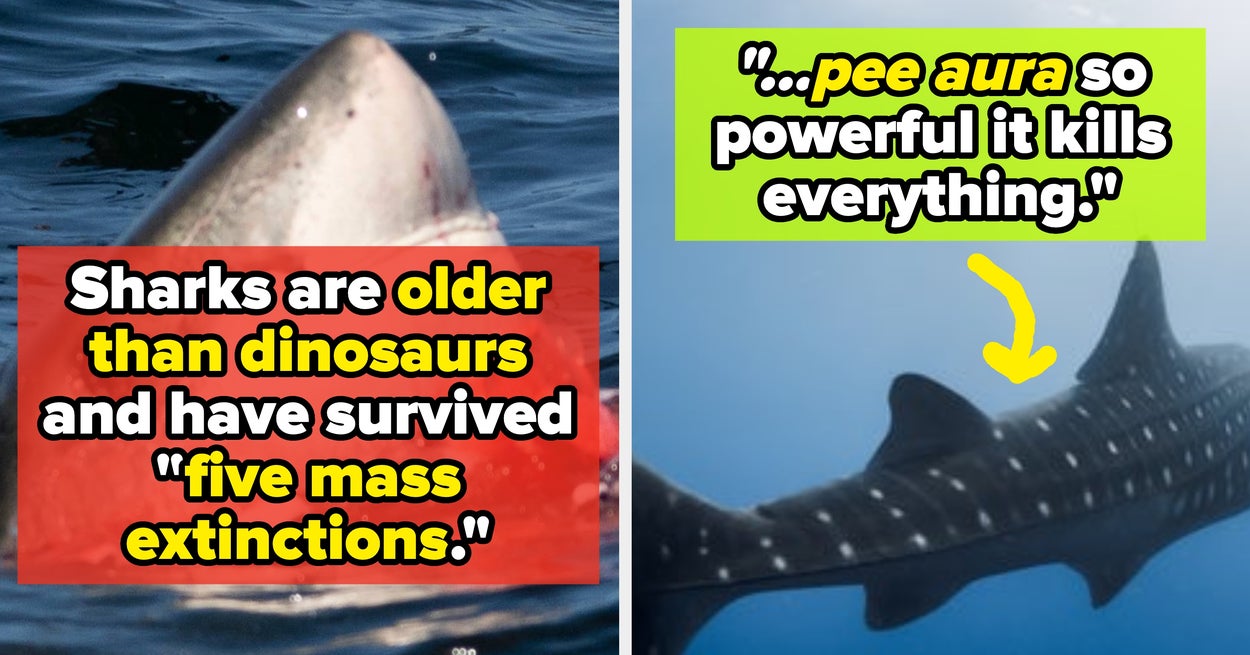
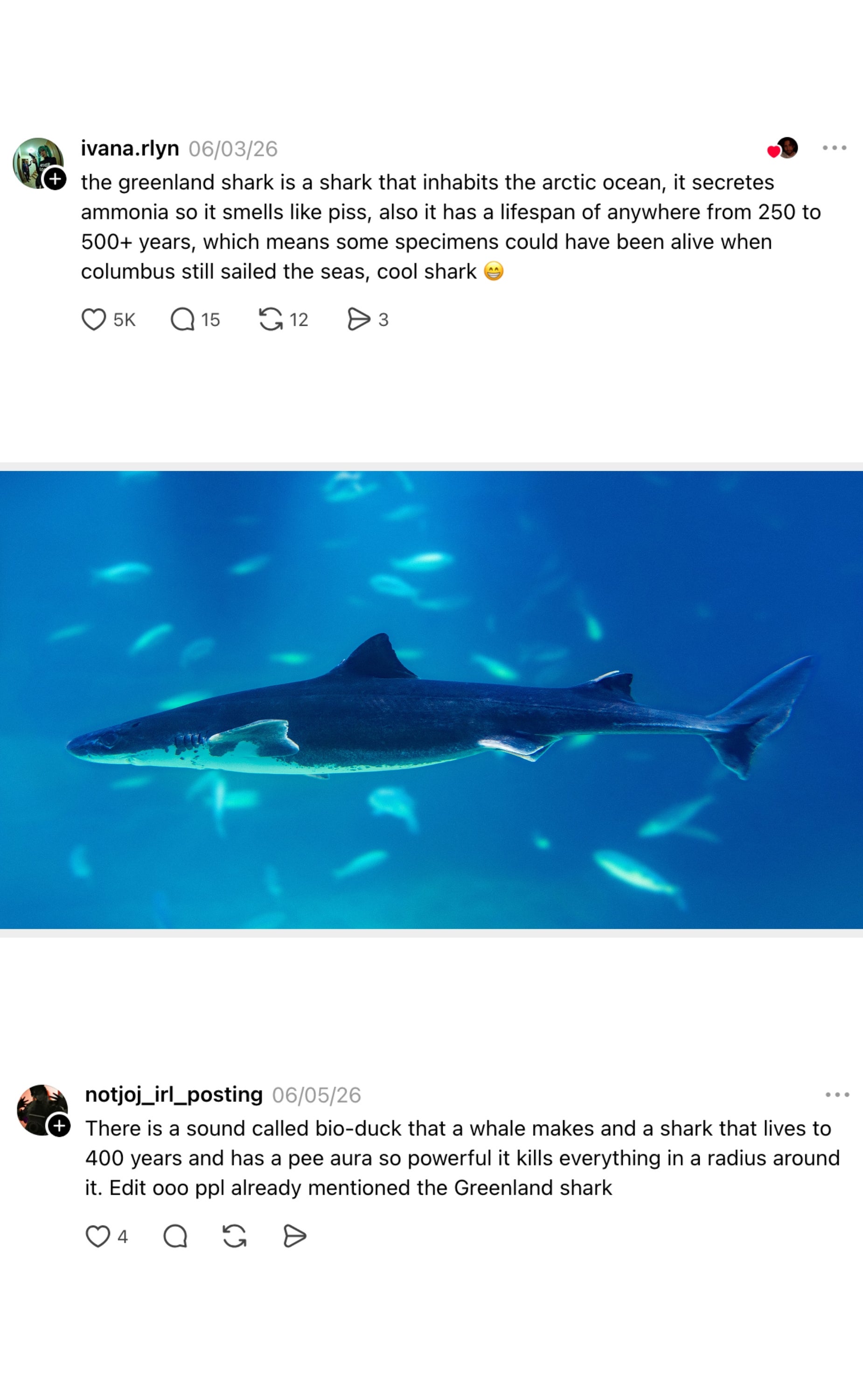
“...lives to 400 years and has a pee aura so powerful it kills everything in a radius around it.”

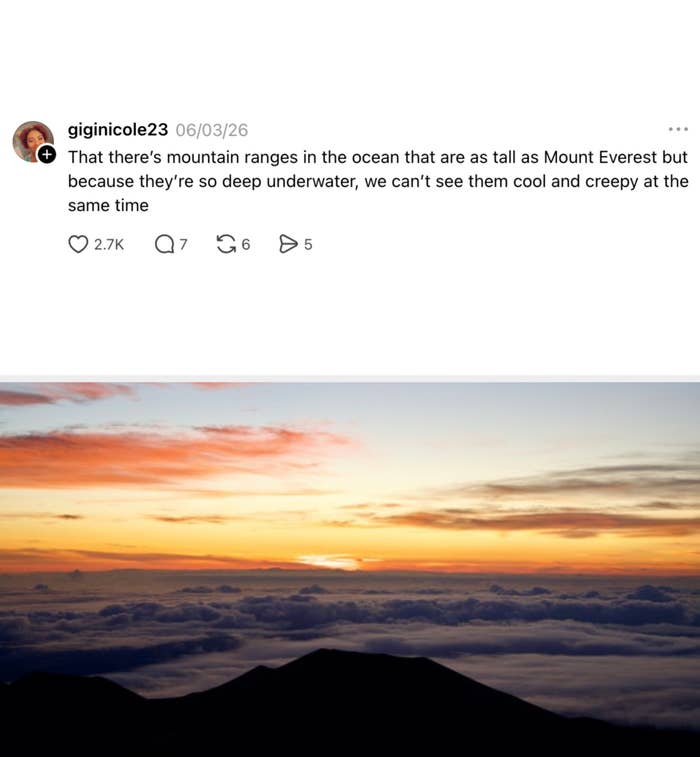
Fun fact: the Mauna Kea volcano in Hawaii is actually the tallest mountain on Earth. Its base starts at 6,000 meters below the ocean surface, and stands tall at 10,000 meters. Mount Everest clocks in at 8,800 meters.

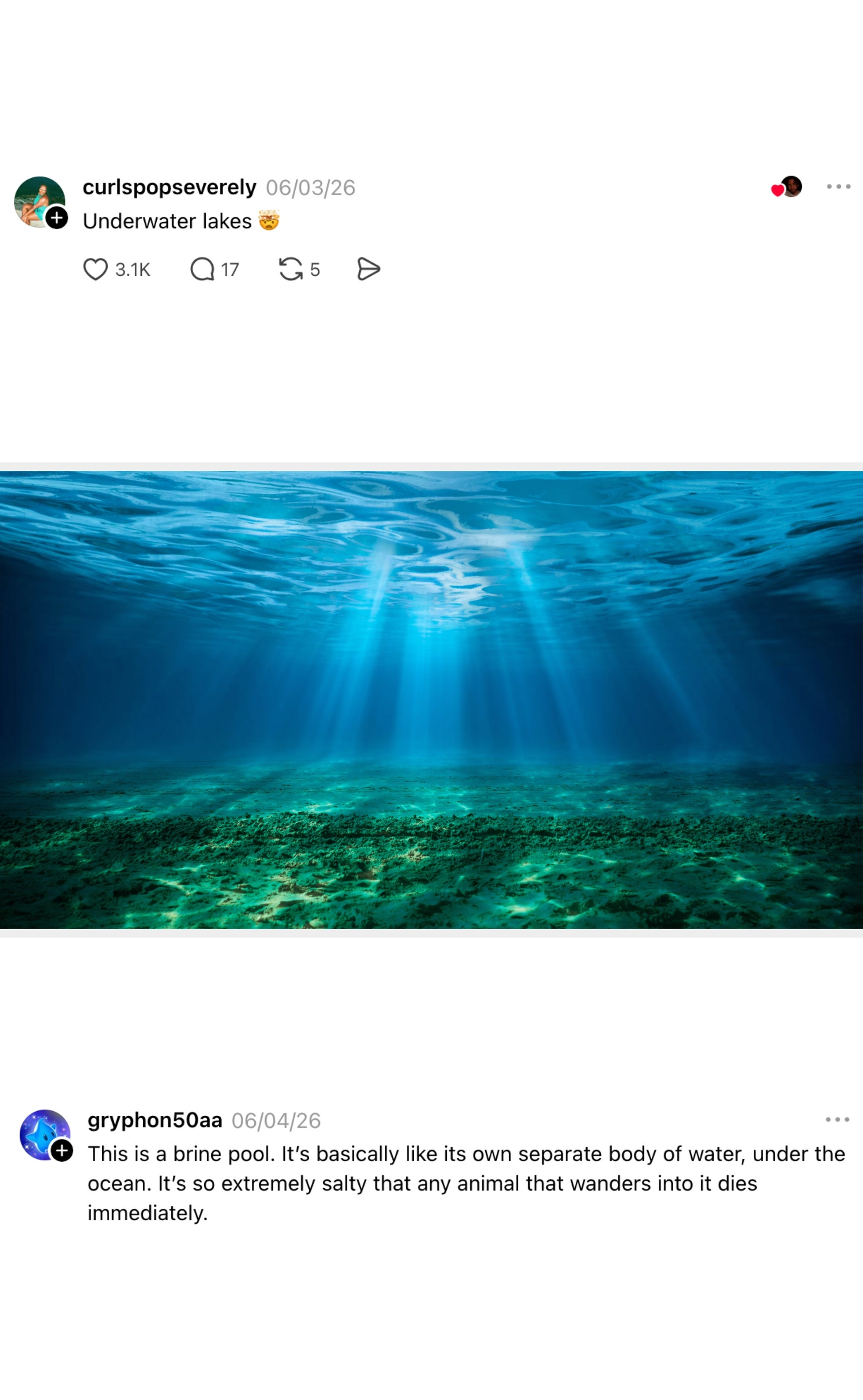
They are "three to eight times" saltier than seawater and very lethal. They're basically considered "dead zones," and most life that comes across them "suffocate" almost instantly.

NASA has a detailed explanation on the aerodynamics here.

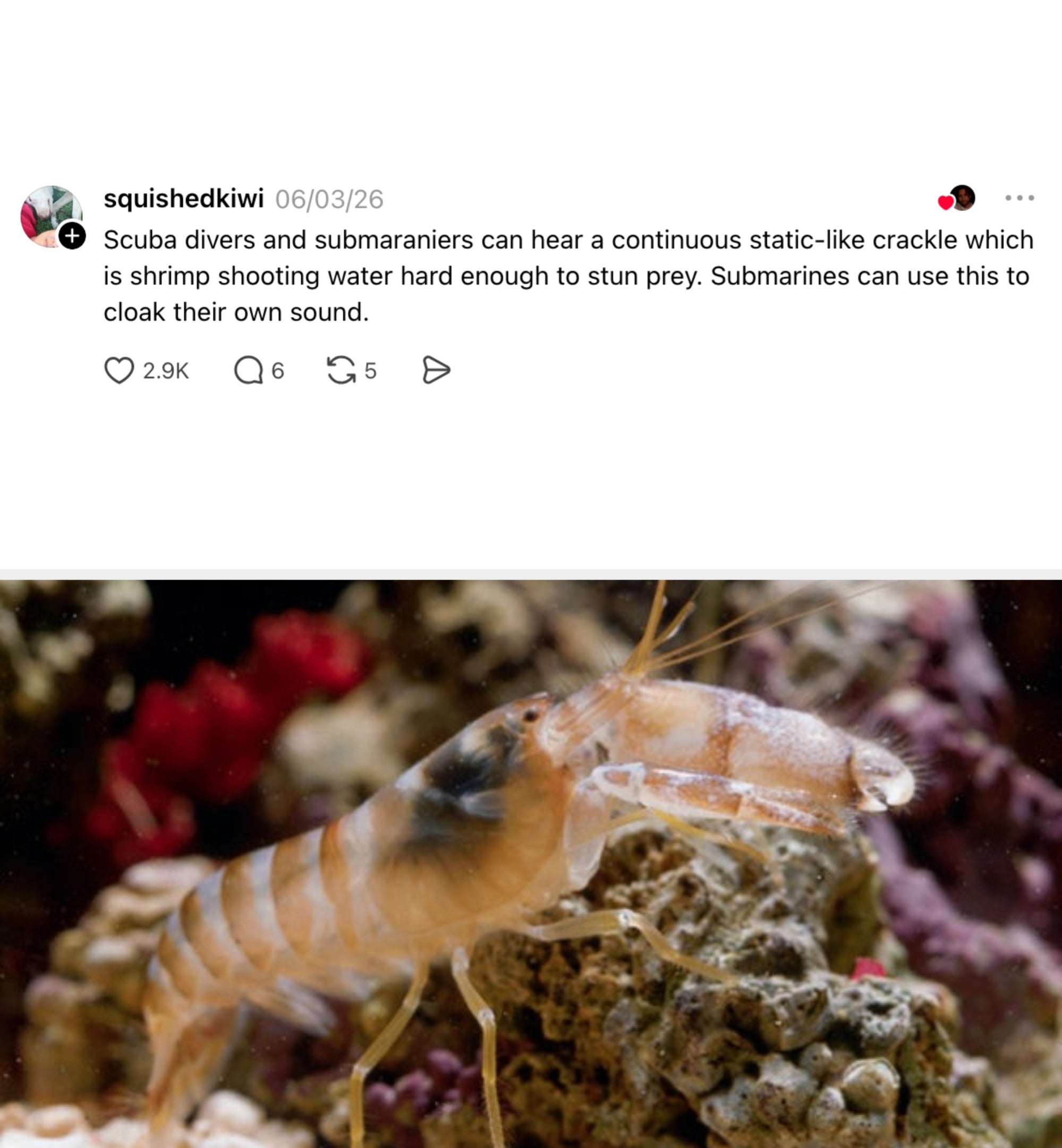
The pistol shrimp can produce "noise of over 200 decibels, louder than a gunshot."  During WWII, they were even used by the US military as an "acoustic screen" to hide submarines.

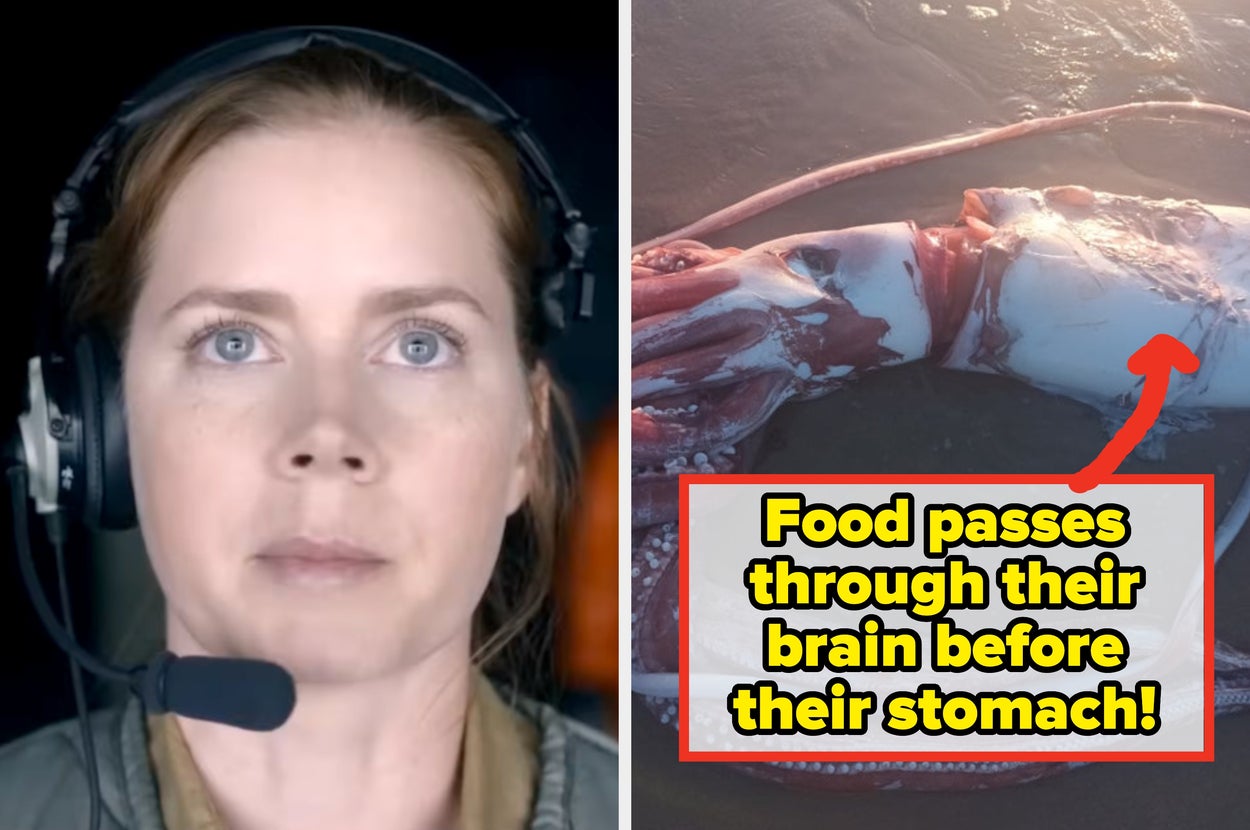
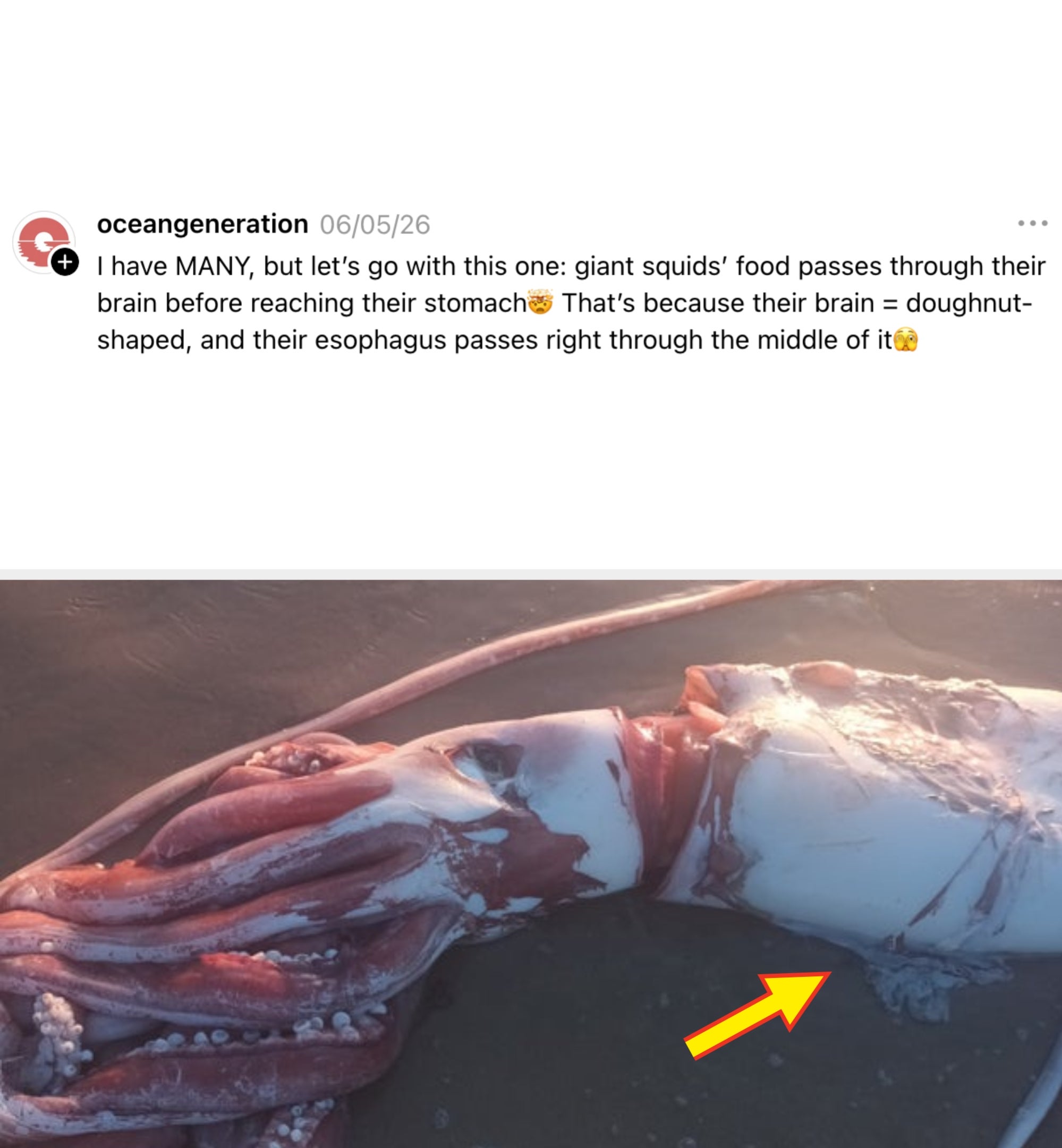
They make sure to chop up their food real well through their beaks — yes, you read that right. They have beaks similar to a parrot found in the center of their arms and tentacles. The food then goes through their esophagus, their brain, and finally to their stomach.

They can live up to 400 years old. (They reach reproductive age at 150 years old.) The unfortunate "pee aura" rumors stem from the shark's flesh, which is poisonous and contains a high level of urea and trimethylamine N-oxide. This helps keep the sharks warm in deep waters, but it also makes them smell like ammonia — or pee.

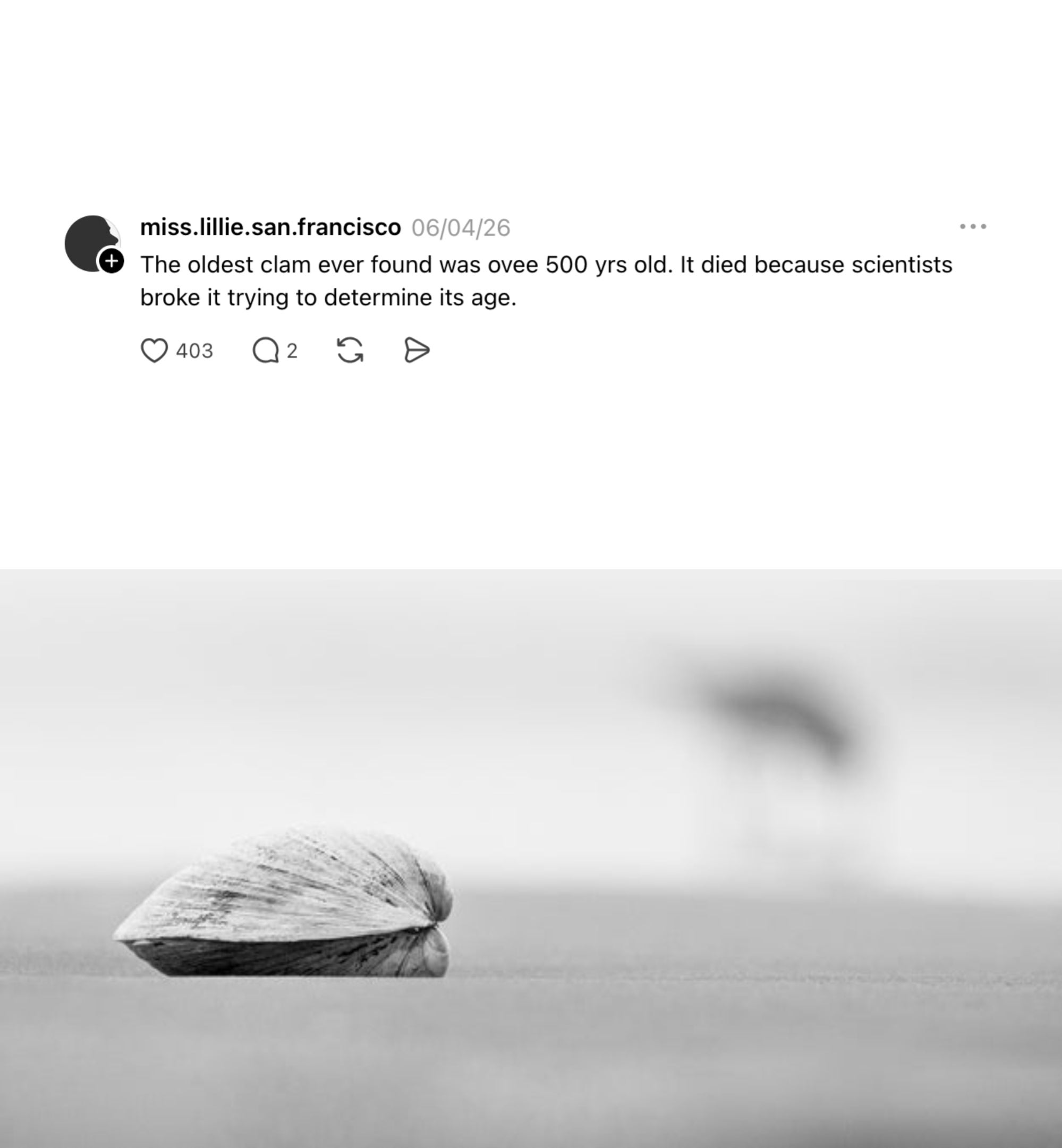
The clam's name was Ming. But in reality, Ming was just one of 200 clams that were killed as part of a research project. They were frozen prior (so, technically "killed") for research on climate change. Ming was around 507 years old.

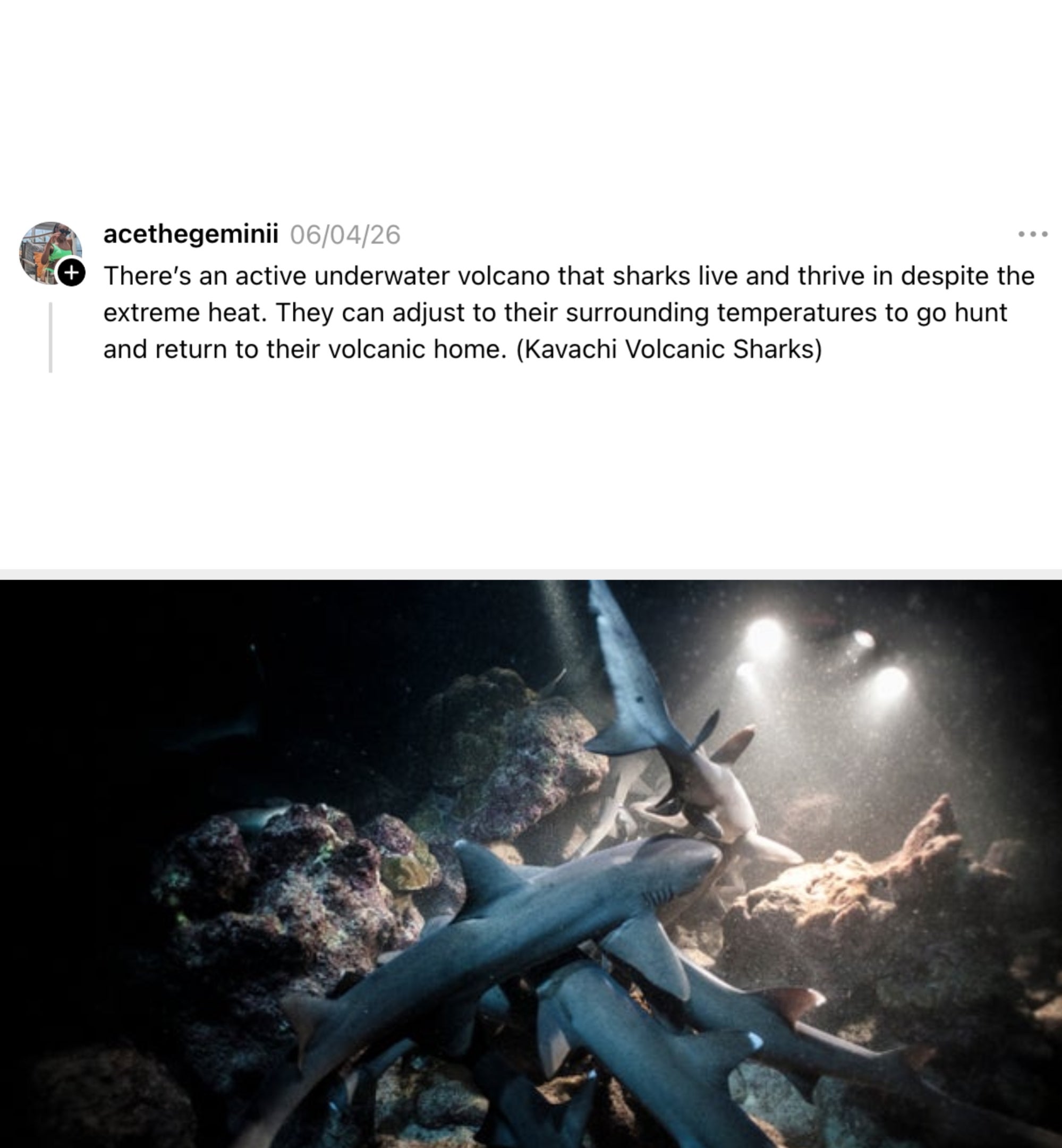
On an expedition in 2015, sharks were discovered living amongst an active volcano in extreme conditions described as hot and "turbid," said a researcher involved in the discovery. But the sharks — a "scalloped hammerhead and the silky shark" were spotted, to name a few — along with multiple fish species, seemed fine. The volcano erupts almost continuously, according to CNN.

You can watch a clip on National Geographic here.

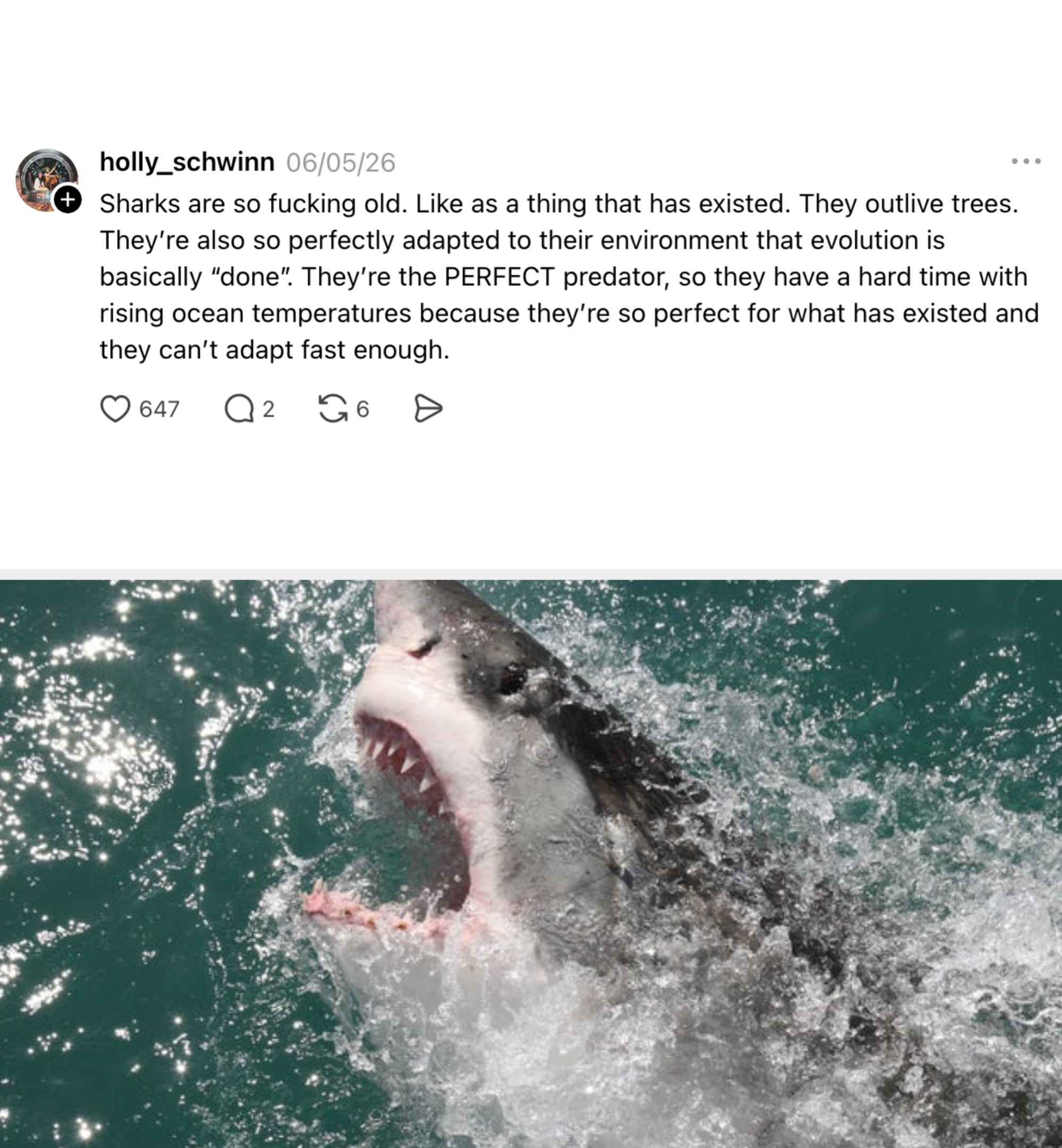
Did you know that sharks are so old that they predate dinosaurs, and have survived "five mass extinctions"? The oldest "fossil evidence" for sharks dates back 450 million years, but was discovered with no teeth. So, the earliest forms of sharks could have been "toothless," which I think would make sharks look even scarier.

This theory stems from the fact that human beings are 200,000 times more sensitive to "petrichor," the smell of rain, compared to sharks, who smell blood at "one part per million." Why? Basic evolution. To survive, humans needed to find fresh water.

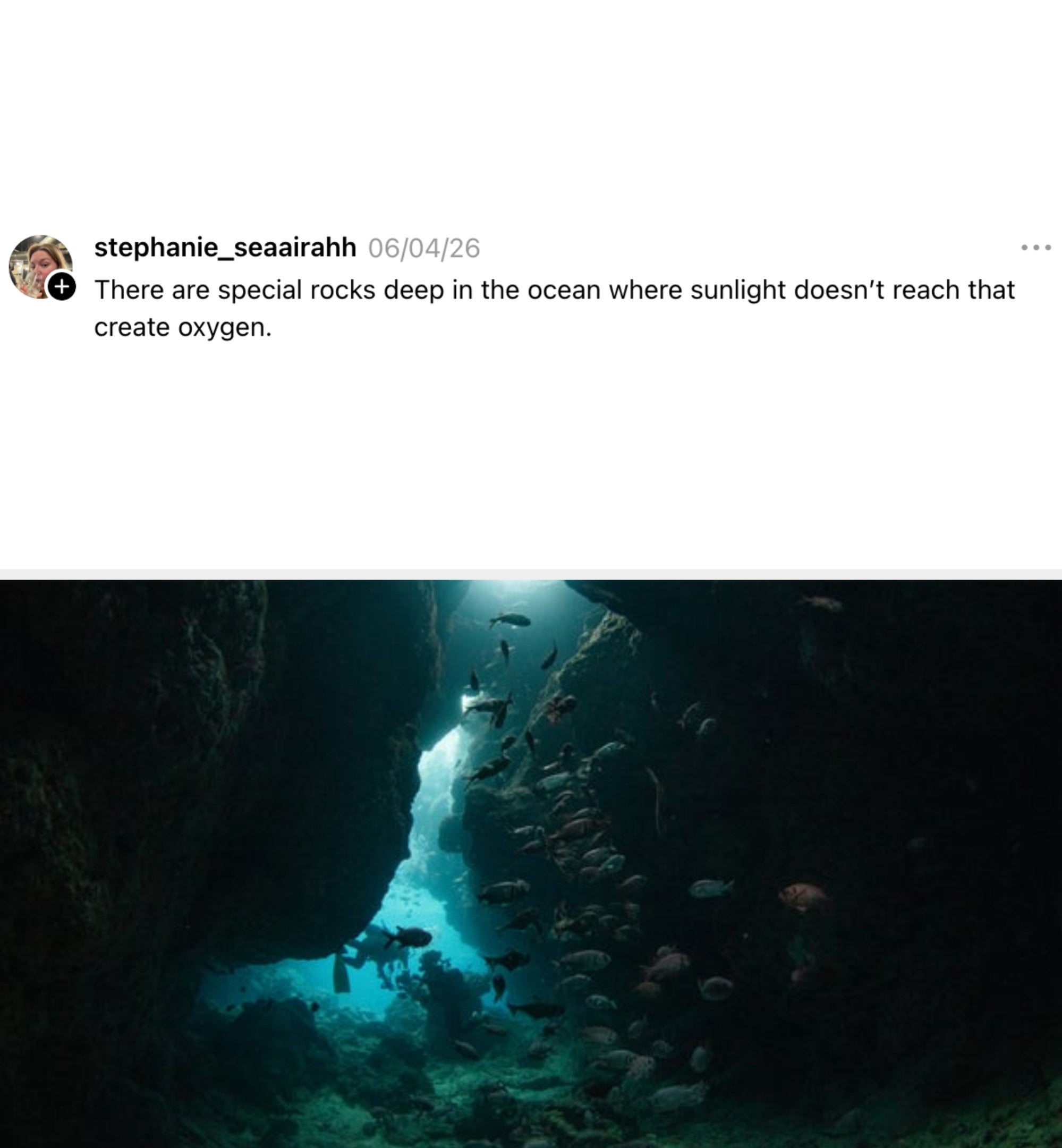
Deep in the ocean in the dark, rock-like formations slowly formed over millions of years, later becoming "polymetallic nodules." They can carry as much power as "0.95 volts." But most importantly, researchers discovered that they could generate oxygen through a process called electrolysis, suggesting that oxygen production on Earth may not depend entirely on sunlight-driven photosynthesis.

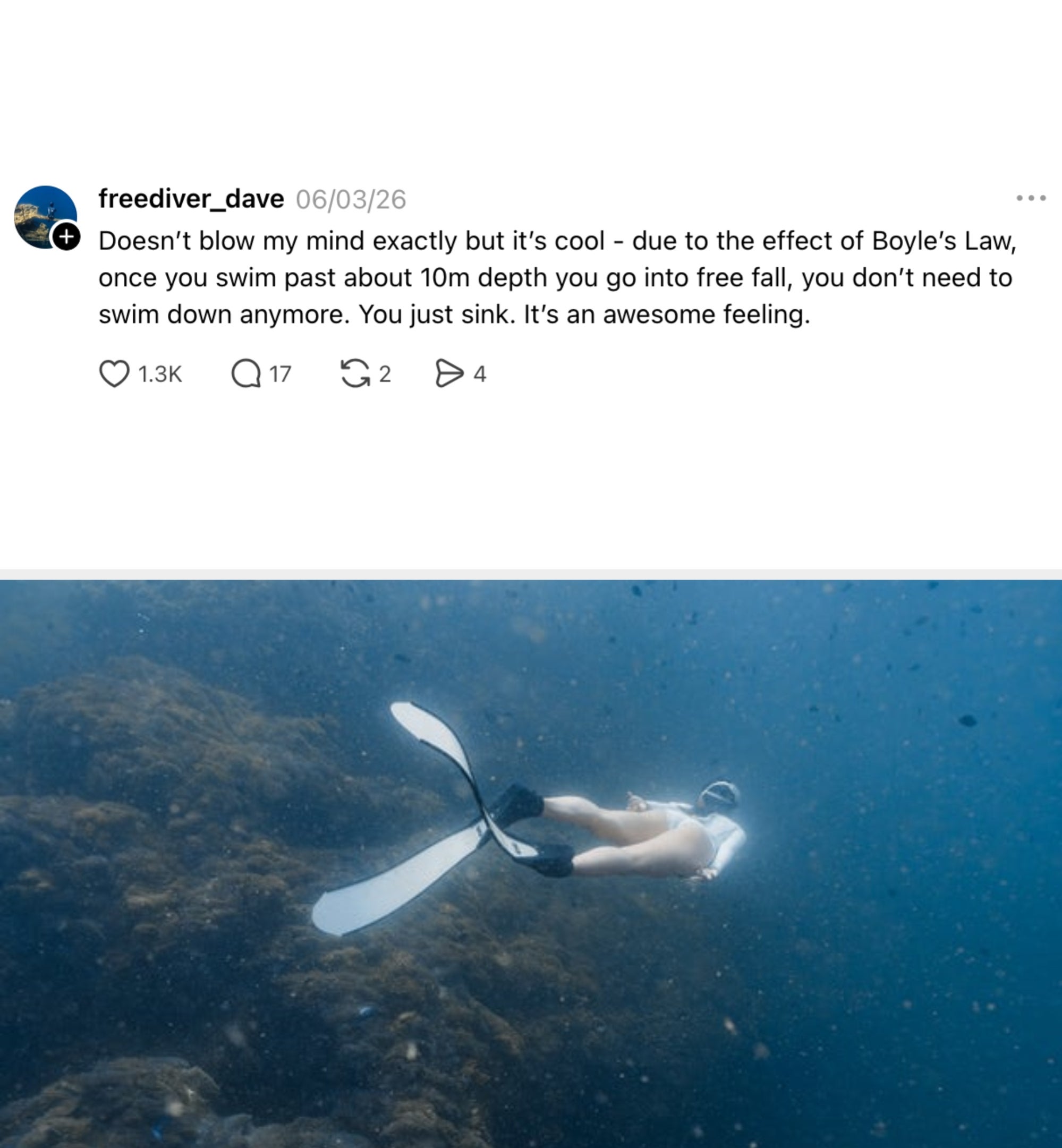
That deep space would be the Tonga Trench in the South Pacific Ocean. It's depth is about 6.7 miles deep. Can you imagine what's down there?

The ceremony takes place on an active military ship, family members are not allowed to attend in person, according to Military.com. But some families choose to observe from a civilian ship nearby.

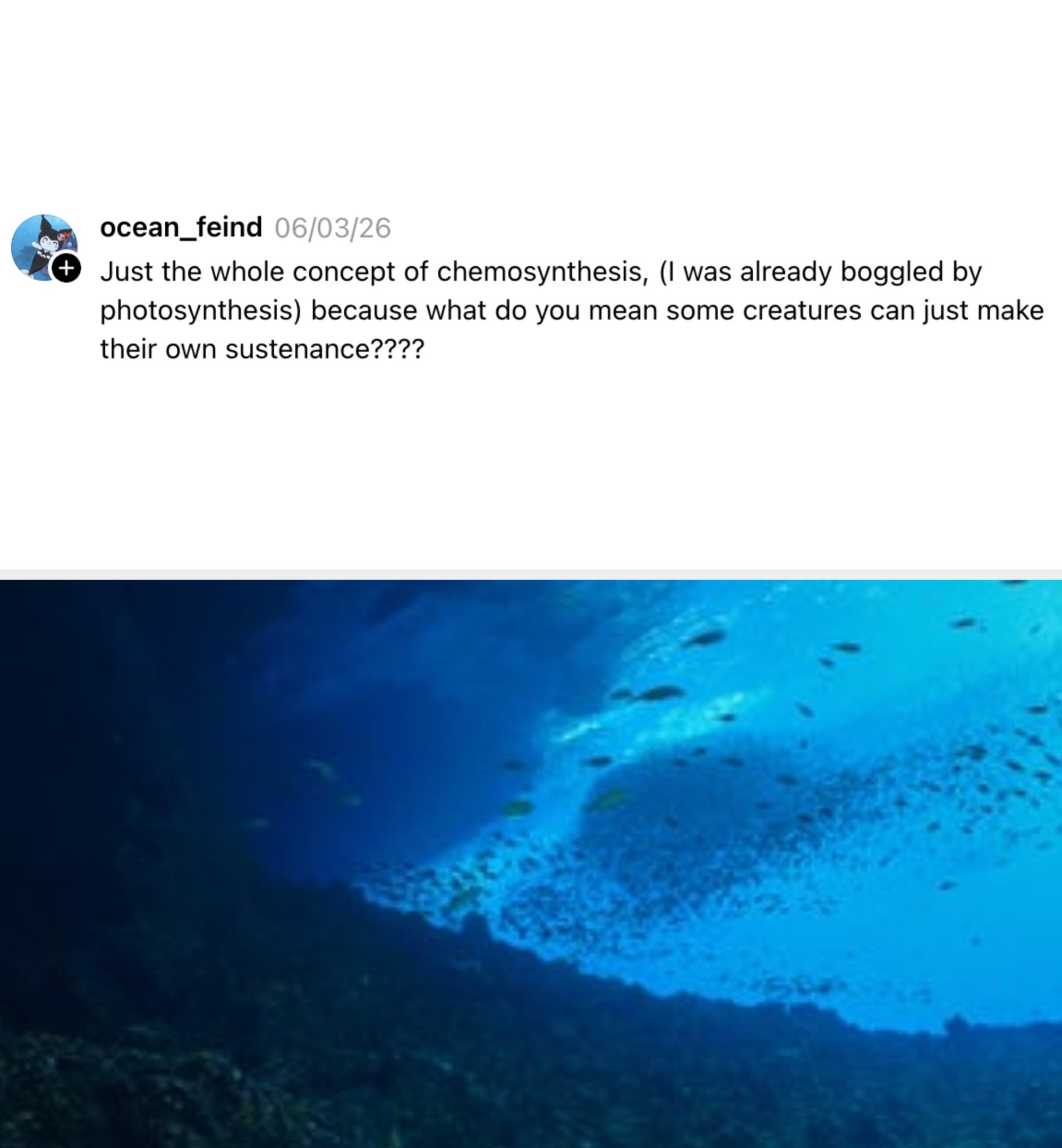
In the darkest depths of the sea, there are microorganisms that survive in these parts due to their ability to harvest "chemical energy." Through chemosynthesis, gases from hydrothermal vents like hydrogen sulfide, hydrogen gas, iron, and ammonia, are turned into food. For these guys, gases from "chemical soup of hot fluid" are their mealtime favorites.

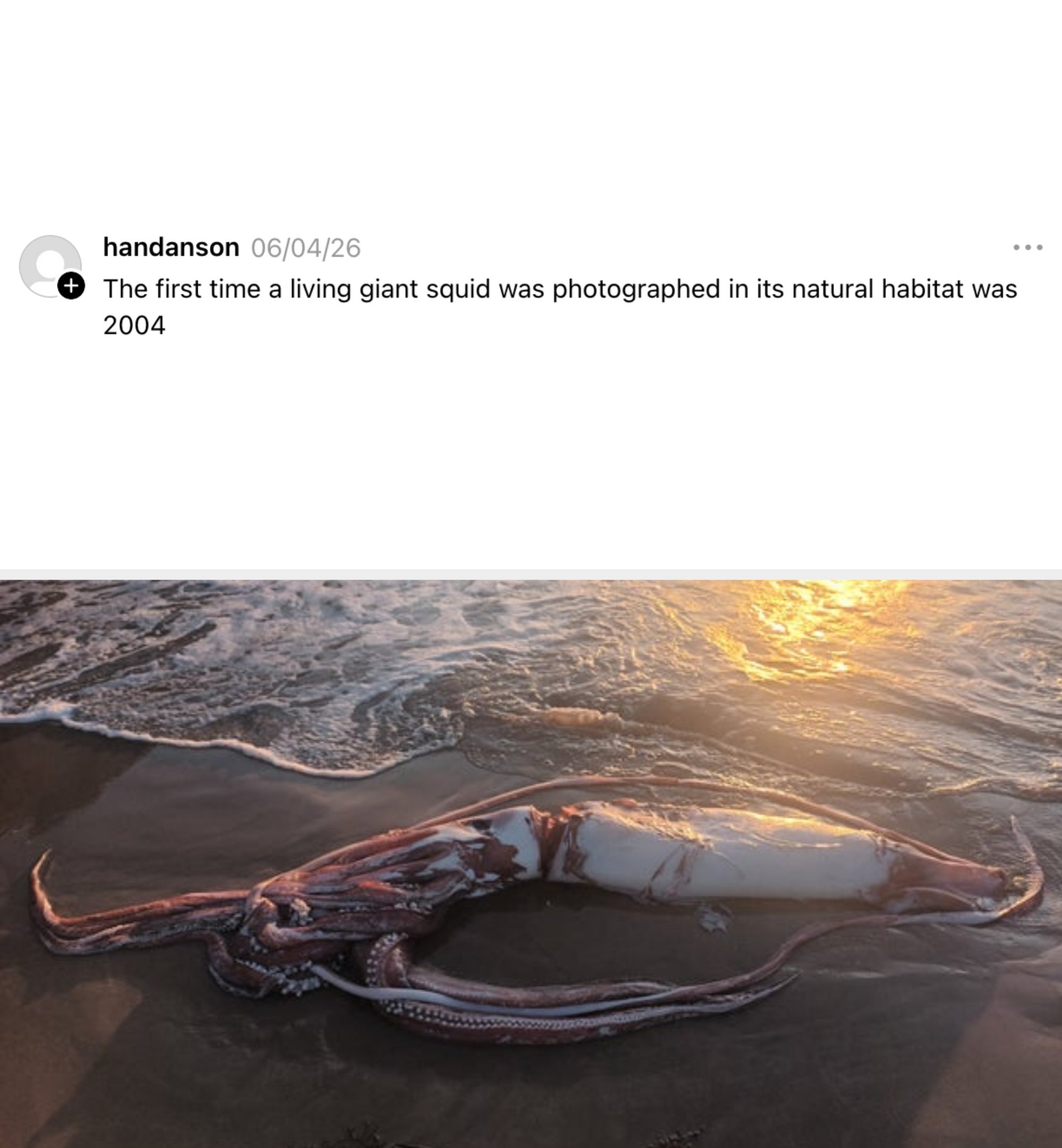
A Japanese zoologist at the National Science Museum in Tokyo first captured the photographic evidence of the squid. A feat, since they normally live very deep in the ocean. A bait was attached to a camera to entice the squid, a 26-foot creature, and when it tried to take the bait but couldn't, it dragged the equipment 300 meters before leaving behind a tentacle and disappearing.

A marine biologist said of the incident, "We are only left with a glimpse of the monster, and more questions than before." But still, the video provides "far more than what was known previously, which was zero."

Experts told AP News, debunking the rumor: "There is no indication sea turtles seek out a marijuana-like high from jellyfish." It would not be "advantageous" for their existence for their main food source to impair them, they said.

Note: Responses have been edited for length/clarity.
Comments
You must be logged in to comment.