yahoo Press
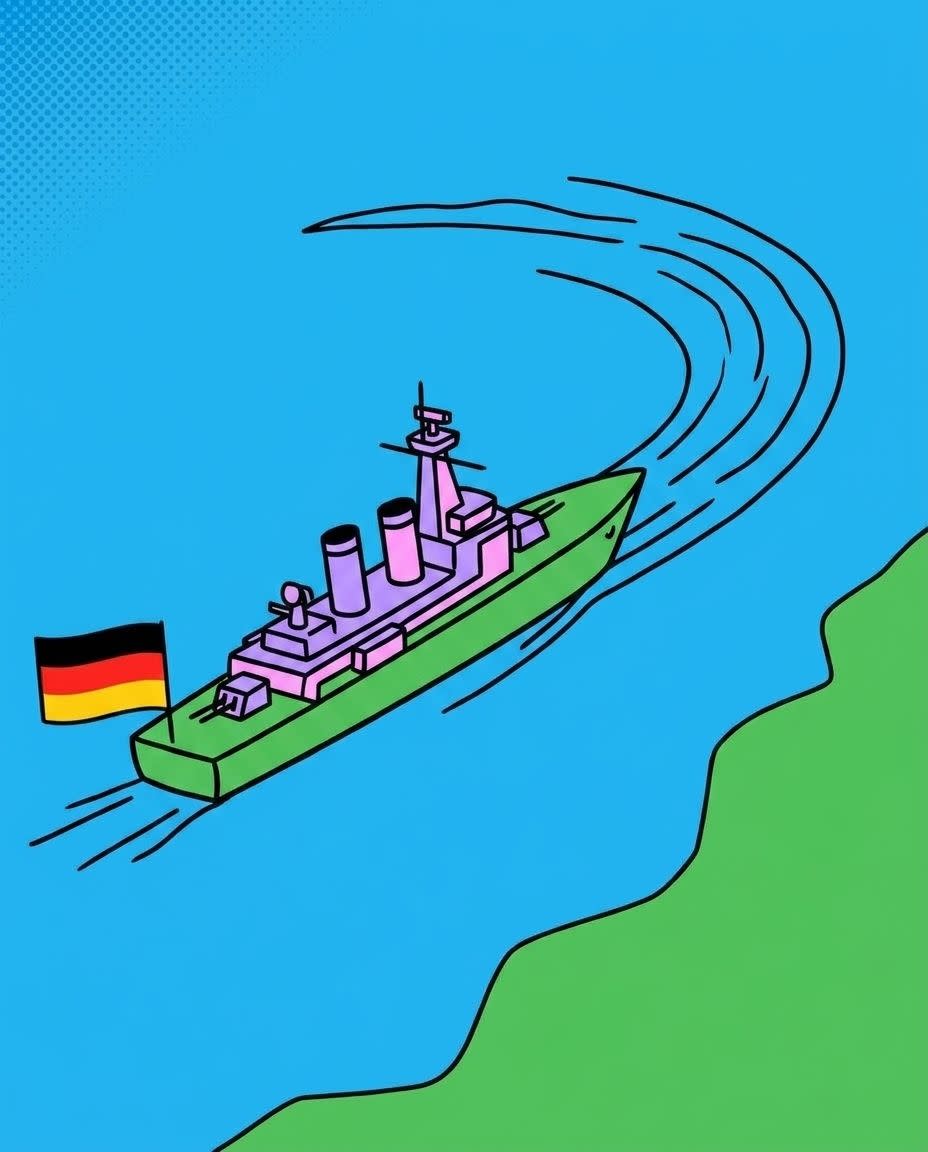
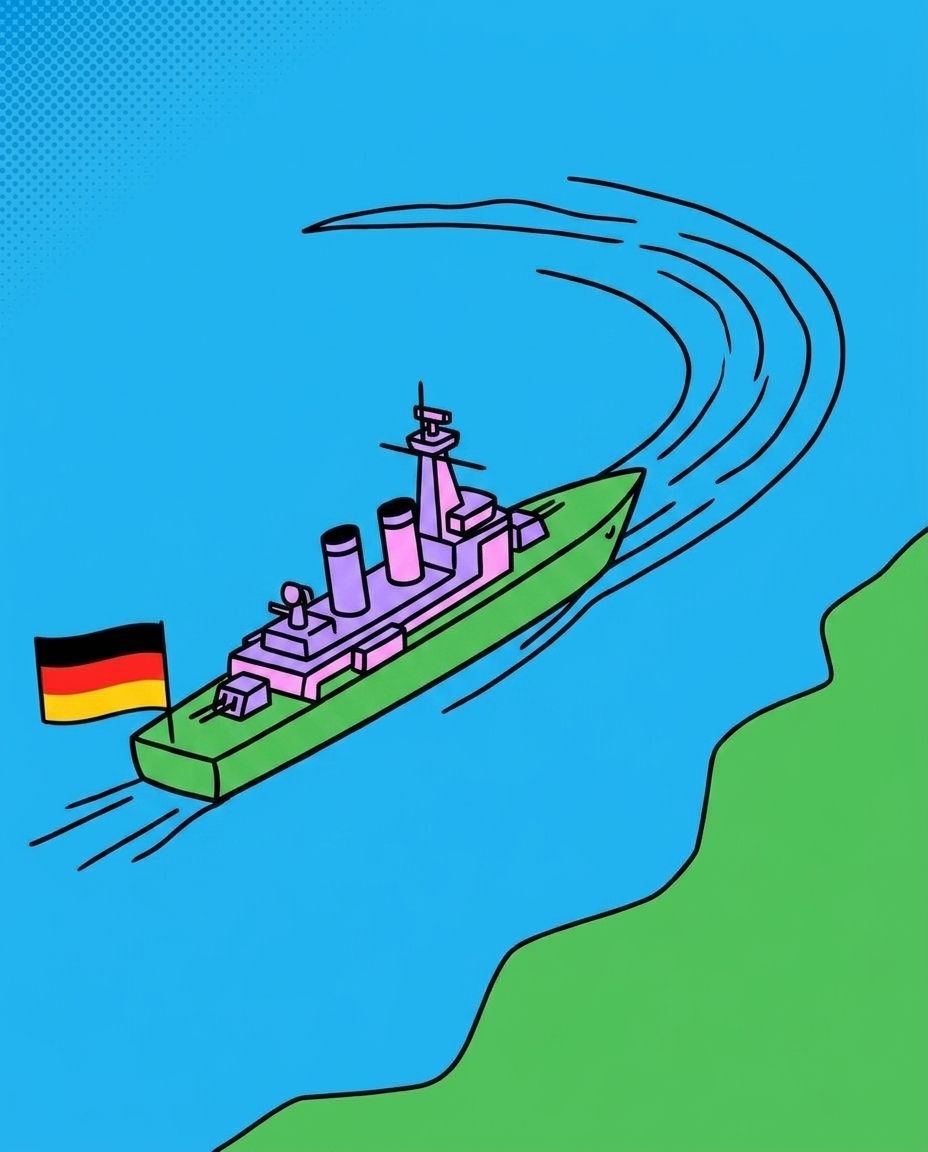
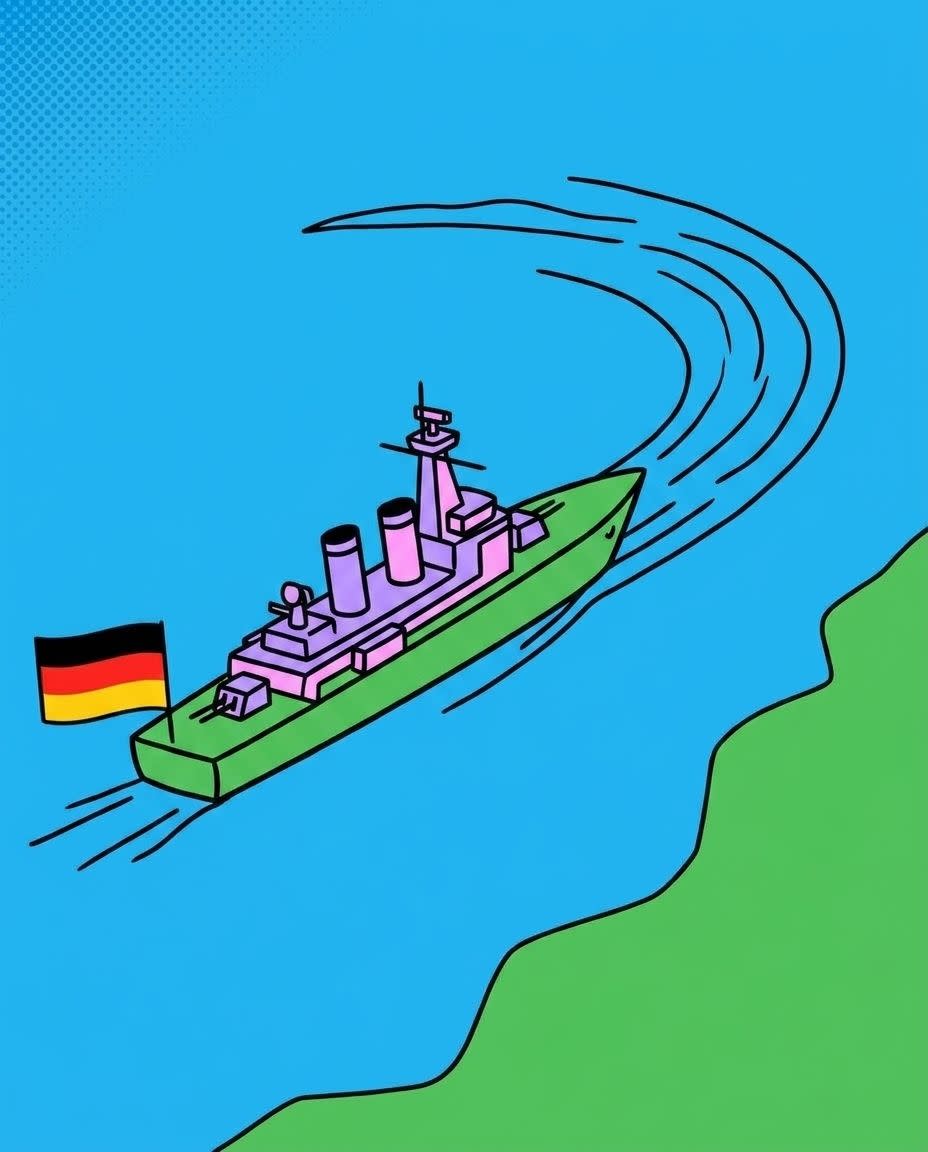
Germany’s Warship U-Turn Torpedoes the Defense Trade
Images
1 / 5
2 / 5

3 / 5
4 / 5

5 / 5
The above button links to Coinbase. Yahoo Finance is not a broker-dealer or investment adviser and does not offer securities or cryptocurrencies for sale or facilitate trading. Coinbase pays us for certain activity generated through this link. Prices displayed are informational.

Our analysts just identified a stock with the potential to be the next Nvidia. Tell us how you invest and we'll show you why it's our #1 pick. Tap here.

European defense stocks sold off after reports that Germany may abandon plans to build six F126 frigates, its largest warship commission since World War II. Rheinmetall took the hardest hit because it was expected to lead the contract. The move is a reality check for a sector priced on big spending promises that still have to translate into revenue.

Defense stocks fell across Europe after reports said Berlin plans to scrap the F126 frigate program, a multibillion-euro project to build six large warships for the German navy.

Rheinmetall dropped as much as 17% in midday trading, putting the stock on track for its worst session in decades. The company had been expected to lead the program in a deal reportedly worth up to €12.8 billion (about $14.6 billion).

Instead, Germany is expected to buy eight smaller MEKO A-200 frigates from TKMS. Rheinmetall sank while TKMS shares jumped as investors shifted toward the company now seen as the winner of Berlin’s naval pivot.

The selloff spread beyond Rheinmetall. Hensoldt, Renk, Saab, Leonardo and BAE Systems also fell, even as the broader European market stayed relatively calm. Defense investors were asking whether expectations had outrun actual purchase orders.

Germany’s Defense Ministry said the decision reflected delays, expected cost increases, and the risks of changing the main contractor. The F126 program had already run into software delays, cost overruns, and tensions between German officials and Dutch shipbuilder Damen Naval, which originally won the contract.

The reversal comes at an awkward time. Germany has pledged to overhaul its military and become a leading European defense power. It is also moving to take a 40% stake in tank maker KNDS alongside France, just as KNDS prepares for a major IPO.

The defense trade has been one of Europe’s easiest stories to follow: Russia invaded Ukraine, Europe woke up, governments promised to spend, and defense stocks went vertical.

Now investors are learning that the gap between “promise” and “profit” is filled with committees.

Germany’s F126 reversal matters because it punctures the cleanest version of the rearmament thesis. The market wanted to believe defense companies were positioned for a huge wave of state spending that would translate into rising sales, bigger backlogs, and better margins almost automatically.

But governments do not spend like shoppers clicking “buy now.” They spend slowly, politically, and with plenty of paperwork, budget reviews, and procurement fights.

That is the risk Rheinmetall just ran into.

One stock. Nvidia-level potential. 30M+ investors trust Moby to find it first. Get the pick. Tap here.

The company has been one of the biggest winners of Europe’s defense boom, helped by demand for ammunition, artillery, armored vehicles, and military modernization. It has also been trying to expand beyond land systems into naval, air, and space-related defense. The F126 program was a major part of that story.

Losing it does not break Rheinmetall. But it does raise questions about how much of the company’s long-term growth plan was already priced into the stock.

That matters because defense valuations had become rich. Investors were not just paying for today’s revenue; they were paying for years of future NATO pressure, German budget increases, and a new era of European hard power. That can work when the news keeps confirming the story. It hurts when one of Europe’s biggest military spenders starts canceling marquee projects.

The broader selloff shows how fragile sentiment has become. Hensoldt, Renk, Leonardo, Saab, and BAE were not the direct losers from this specific frigate decision, yet their stocks still fell. That is what happens when investors stop treating defense as one unstoppable theme and start pricing execution risk company by company.

For Germany, the optics are rough. Berlin wants to be taken seriously as Europe’s security anchor. Yet here it is, scrapping a flagship naval program after sunk costs, delays, and procurement drama.

Still, the decision may be defensible. If the F126 had become too expensive, too delayed, and too legally messy, switching to smaller MEKO frigates could be the more practical move. Defense spending is not useful just because it is large; the hardware actually has to arrive.

That is the uncomfortable lesson here. Europe does need to rearm. But investors cannot assume every big announcement will land neatly on a contractor’s income statement.

The rearmament boom is real. So is the bureaucracy.

Investors will be watching for confirmation of Germany’s new naval plan and any formal response from Rheinmetall.

The big question is how much this changes Rheinmetall’s medium-term targets, especially its ambitions in naval systems. Analysts are already asking whether the company can still hit its goals without the F126 contract doing the heavy lifting investors expected.

The sector also needs to prove this is an isolated procurement mess rather than a broader warning about European defense spending. If more projects slip, shrink, or get redirected, the market will keep trimming the premium it gives these stocks.

Defense is still one of Europe’s strongest long-term industrial themes. But Wednesday was a reminder that even in a rearmament boom, not every contractor gets the contract.
Comments
You must be logged in to comment.