yahoo Press
easyJet Tells Private Equity to Find Another Runway
Images
1 / 5
2 / 5

3 / 5
4 / 5

5 / 5
The above button links to Coinbase. Yahoo Finance is not a broker-dealer or investment adviser and does not offer securities or cryptocurrencies for sale or facilitate trading. Coinbase pays us for certain activity generated through this link. Prices displayed are informational.

Our analysts just identified a stock with the potential to be the next Nvidia. Tell us how you invest and we'll show you why it's our #1 pick. Tap here.

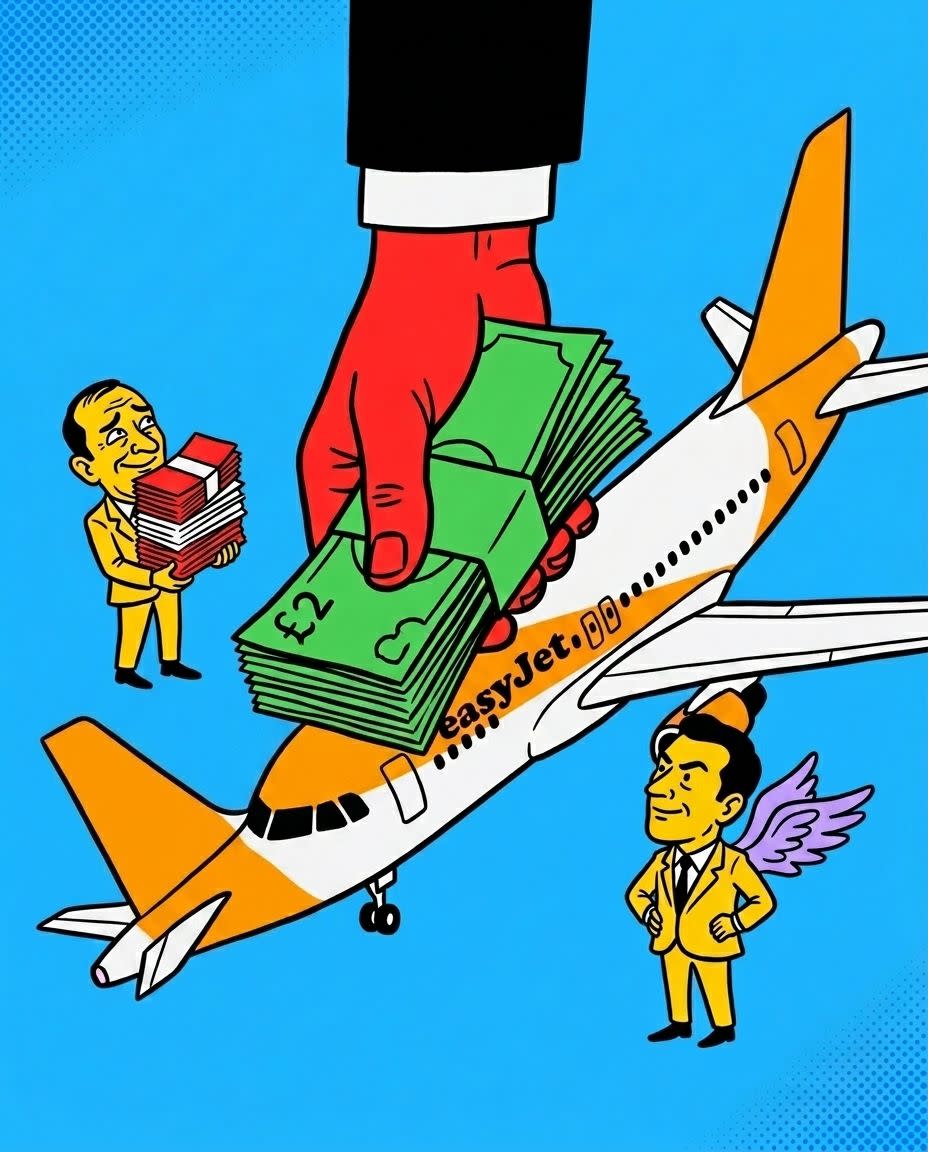
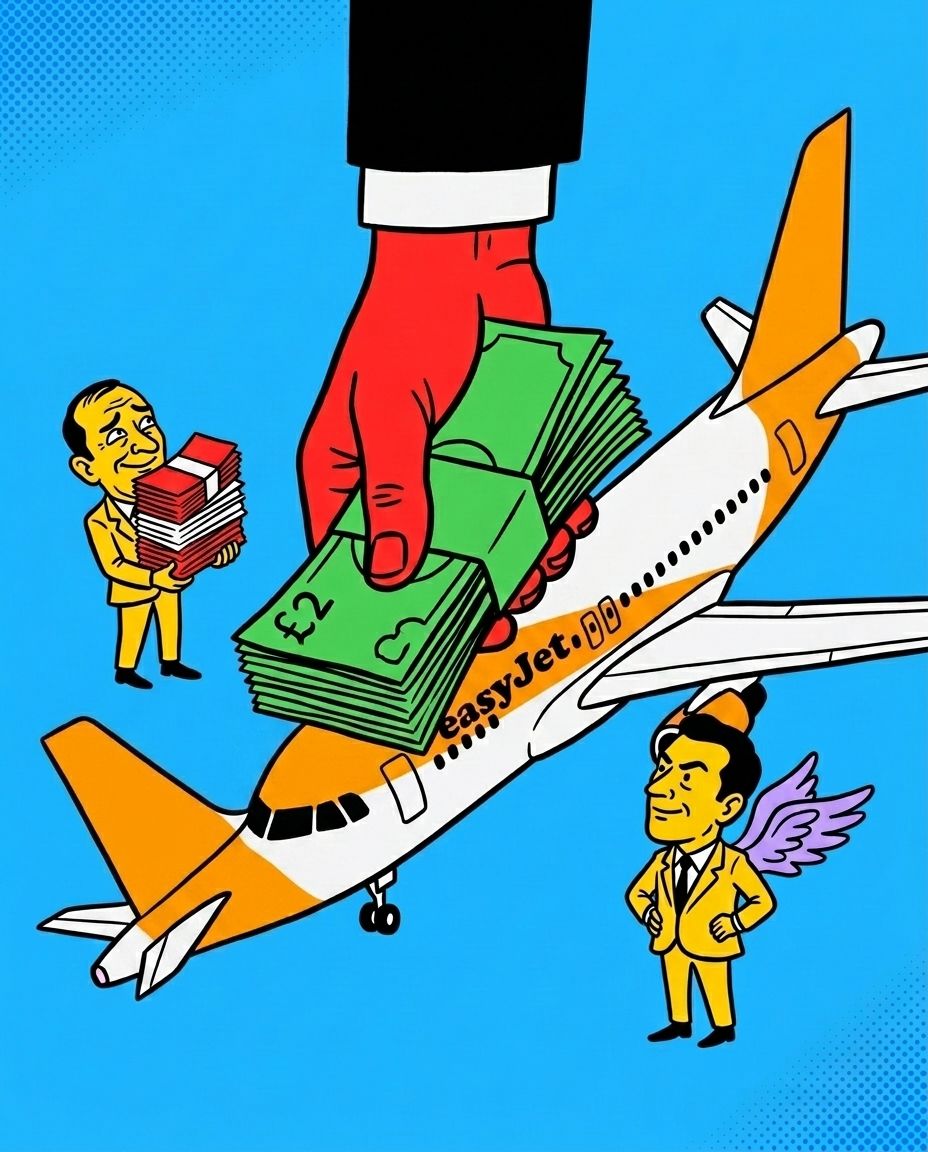
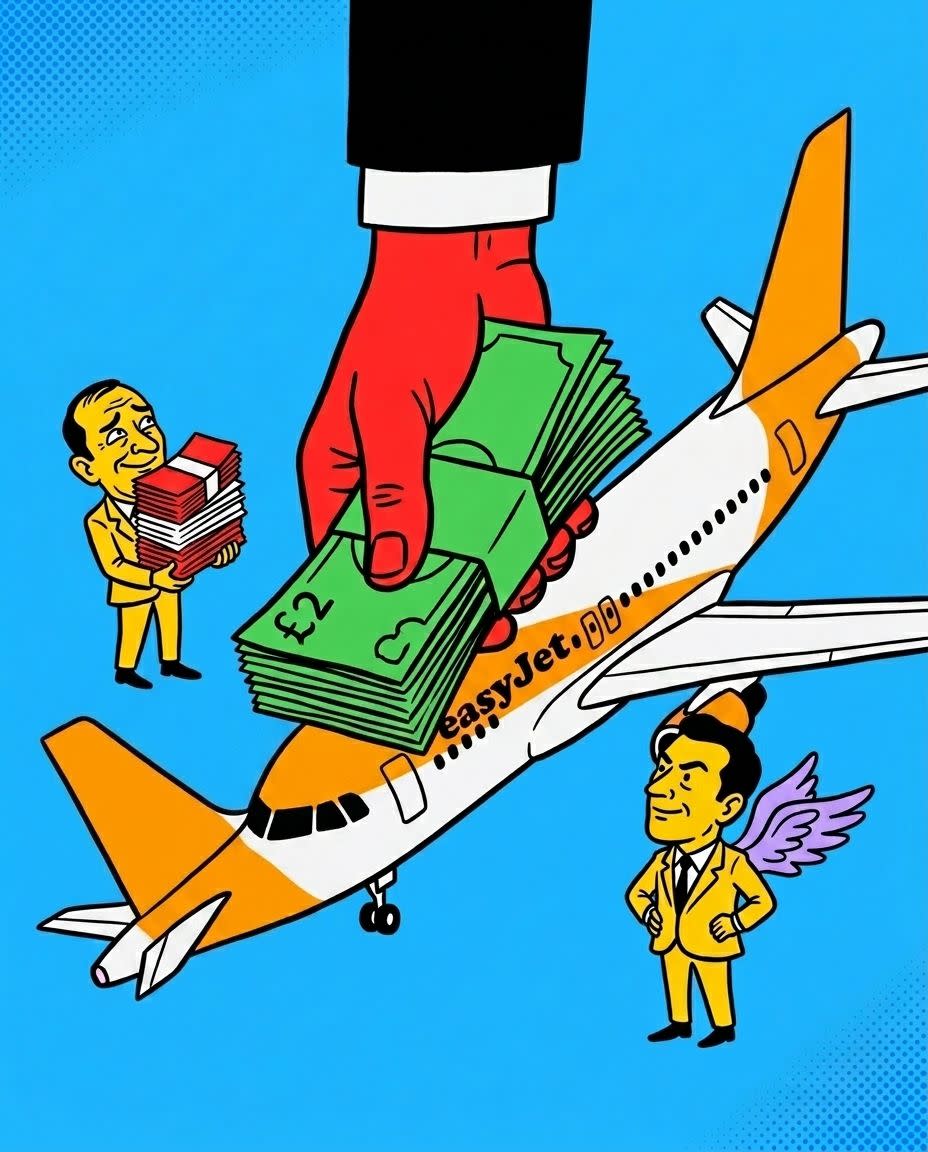
easyJet rejected a £4.74 billion takeover bid from private equity firm Castlelake, turning a quiet pursuit into a public fight over whether one of Europe’s biggest budget airlines is being lowballed right before its turnaround starts showing up in the numbers.

easyJet’s board unanimously rejected an unsolicited cash offer from Minneapolis-based Castlelake worth 625 pence per share, saying the bid undervalues the airline and its long-term prospects.

The offer was Castlelake’s third proposal in less than a week. The firm first came in at 560 pence per share on June 16, then raised that to 600 pence over the weekend, before returning Sunday night with the 625 pence bid.

Investors immediately started pricing in a takeover premium. easyJet’s London-listed shares climbed more than 4% in morning trading to around 525 pence as traders weighed whether Castlelake might return with a higher offer or take the fight directly to shareholders.

Castlelake already owns a 2.14% stake in easyJet through managed funds, giving it a small foothold. But easyJet’s board has refused to open the books or allow due diligence, making it clear that this offer is not getting Castlelake into the cockpit.

The bid also comes with a regulatory wrinkle. European airlines must remain majority-owned and controlled by European nationals, so Castlelake proposed using a European Union-based holding company owned 51% by European citizens. Former Ryanair and easyJet executive Peter Bellew and aviation consultant Mark Breen were named as the majority partners. Castlelake would hold 49% while providing the main financial backing.

Goldman Sachs has reportedly indicated it could help arrange the debt financing needed for the take-private deal.

This is private equity doing what private equity does best. Find an asset that looks temporarily unloved, argue the public market is being too emotional, then try to buy the whole thing before sentiment gets its act together.

easyJet’s board is not buying it.

Management’s argument is simple. Castlelake is trying to buy easyJet while airline stocks are still getting hit by fuel volatility, geopolitical tension, shaky consumer confidence and softer travel sentiment. That may make the company look cheap on a screen. But easyJet thinks that screen is missing the bigger picture.

One stock. Nvidia-level potential. 30M+ investors trust Moby to find it first. Get the pick. Tap here.

The airline has spent years rebuilding the business around a more efficient fleet, stronger holiday economics and tighter cost discipline. The board believes easyJet is now closer to the payoff phase than the market realizes. Castlelake is effectively trying to board during the delay, then enjoy the upgrade once the flight finally leaves on time.

The fleet plan is a major part of that argument. easyJet is scheduled to receive 90 Airbus neo-family aircraft through fiscal 2028 while retiring 79 older A319 planes. Newer planes burn less fuel, carry more passengers and improve the economics of every seat sold. For a low-cost airline, that is where the money lives.

Then there is easyJet Holidays, which may be the sleeper asset in the whole story. The division is capital-light, growing faster than expected and targeting £450 million in annual pre-tax profit by 2030. Airlines are brutal businesses because they need huge capital spending, endless operational discipline and a little mercy from oil markets. A higher-margin holiday business gives easyJet something more attractive than just another seat to Malaga.

That is why the board thinks 625 pence is too light. easyJet is targeting more than £1 billion in medium-term pre-tax profit, and analysts have pointed to the value of its aircraft and airport slots as a major piece of the investment case. Those slots matter. At capacity-constrained airports, they are basically beachfront property with boarding gates.

The balance sheet is another sticking point. easyJet has fought to keep financial flexibility in an industry where the next shock is always lurking somewhere between fuel prices, weather, air traffic control and consumer confidence. A debt-heavy buyout could make that flexibility disappear fast.

So the fight comes down to timing. Castlelake sees a public company trading below its true private-market value. easyJet sees an opportunistic bid arriving right before its own plan starts working.

Both can be true. But only one side gets the airline.

The next major deadline is Friday at 5 p.m., when Castlelake must either announce a firm offer under the UK Takeover Code or walk away.

Before then, easyJet’s management will likely rally major institutional shareholders and argue that the standalone plan offers more upside than Castlelake’s cash bid.

The big question is whether Castlelake raises its offer. If it does, this becomes a real shareholder fight. If it does not, easyJet still has to prove it was right to say no.

Because once investors see private equity circling the runway, they tend to remember the price on the ticket.
Comments
You must be logged in to comment.