aljazeera Press
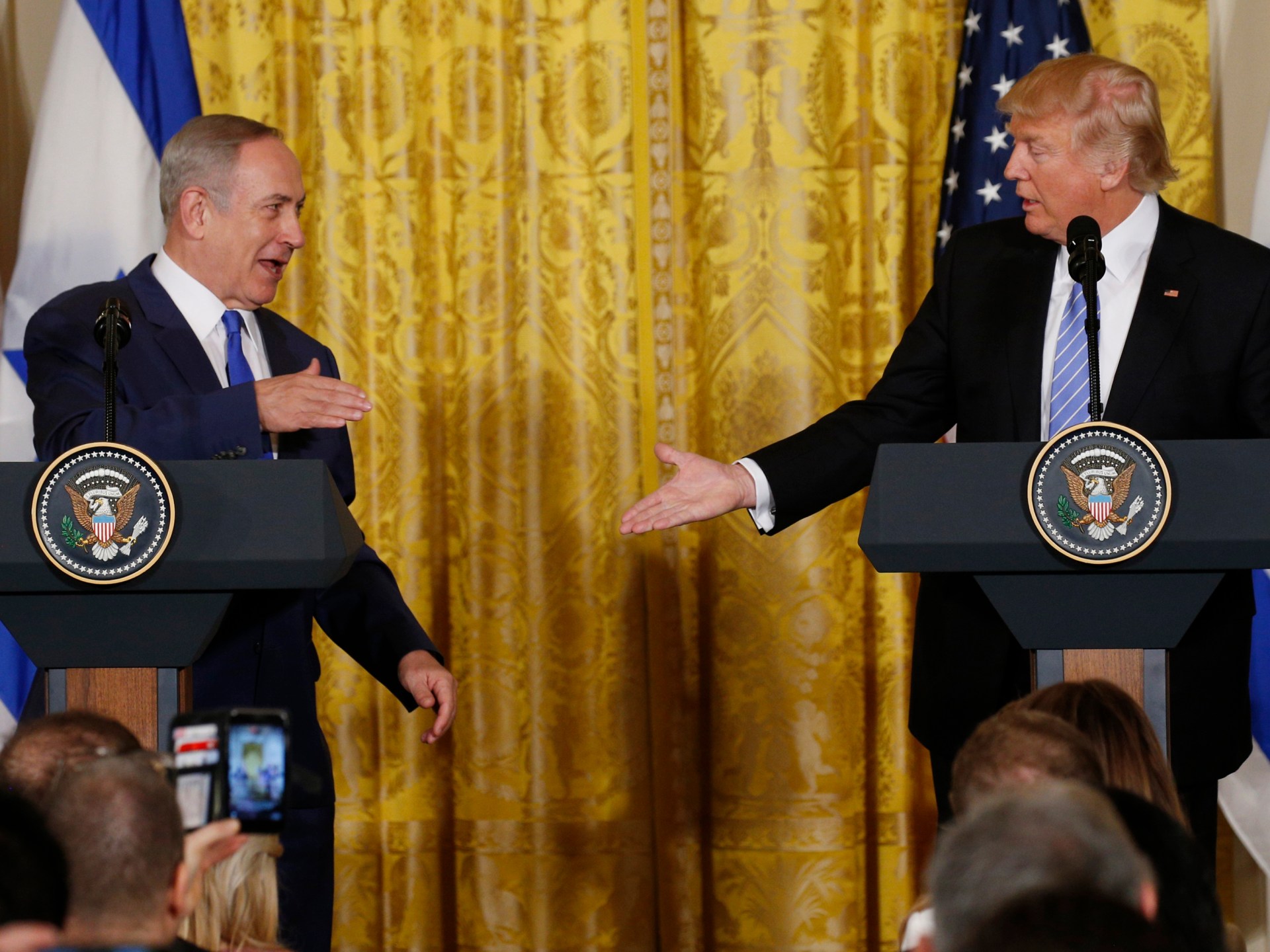
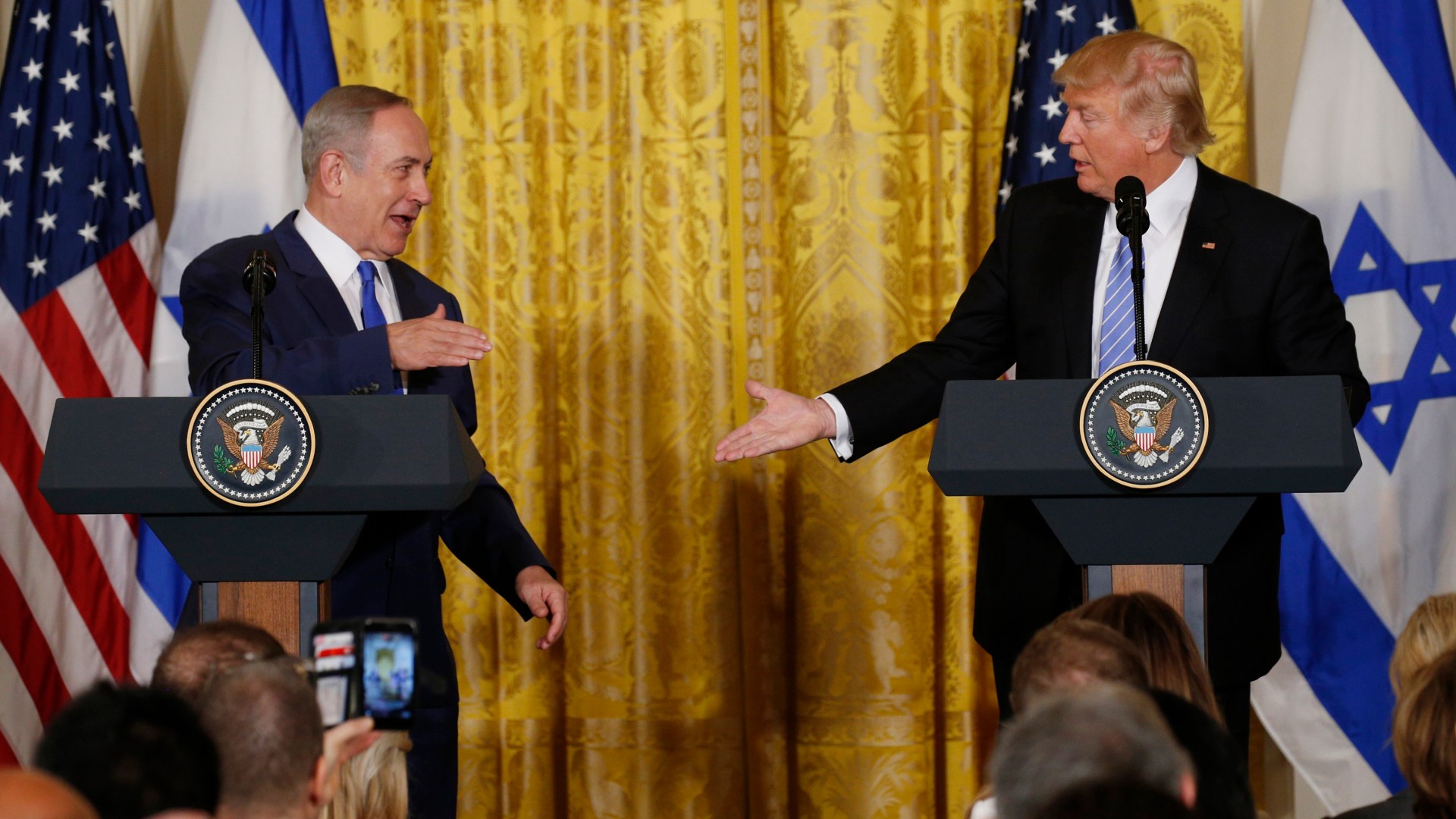
Trump-Netanyahu tensions: Have Israeli and US leaders clashed before?
Images
1 / 11
2 / 11
3 / 11
4 / 11

5 / 11

6 / 11

7 / 11

8 / 11

9 / 11

10 / 11

11 / 11
Media have often reported about rifts between Israeli and American leaders, but it has not changed US policy towards Israel.

Save

Share

The deal between the United States and Iran to end the US-Israel war on Iran has faced fierce opposition from Israel, including Prime Minister Benjamin Netanyahu. Israel has continued to bomb Lebanon in what appears to be a violation of the deal formally signed on Wednesday by US President Donald Trump and his Iranian counterpart, Masoud Pezeshkian.

Trump has expressed his displeasure at the continued Israeli attacks on Lebanon. Netanyahu “has to be more responsible” in Lebanon, the US president said at the Group of Seven (G7) summit in France on Tuesday. “I’m not happy” with Israel’s invasion and handling of Hezbollah, he said.

On Sunday, Trump condemned Israel’s bombing of Beirut, the Lebanese capital, just moments before the deal with Iran was to be locked.

The US media have published stories based on anonymous sources of rifts between US presidents and Israeli leaders, but such reported tensions have not wavered US support for its close ally. The Trump-brokered deal to end the Gaza war, experts say, gave Israel an opportunity to deepen its occupation of the Palestinian enclave.

In fact, some of the most bitter public disputes between the US and Israeli leaders have been followed by deeper security cooperation and sustained military support for Israel.

Netanyahu was scathing in his attack on former US President Barack Obama for inking the 2015 nuclear deal with Iran, but that did not stop the US administration under Obama from rewarding Israel with the biggest military aid package ($38bn) in the two countries’ history.

Here’s the charted history of clashes between the US and Israeli leaders that have shaped the bilateral relationship.

Israel has been furious at the US’s deal with Iran that mandates ending hostilities on all fronts, including in Lebanon.

Israeli forces now control some 20 percent of Lebanon’s territory, and Netanyahu and his cabinet colleagues have vowed that the Israeli military would not withdraw from the country’s land.

In a rare move, the US president appeared to lecture Israel over civilian casualties in its strikes on the region. “Too many people have been killed. And you do not have to knock down an apartment every time you are looking for somebody,” Trump said on Tuesday, referring to Netanyahu’s tactics in Lebanon, which mirror Israel’s genocidal war in Gaza.

The US media has been rife with reports of simmering tensions between Trump and Netanyahu. On June 2, US-based news outlet Axios reported that Trump called Netanyahu “f***ing crazy” and berated him over Israel’s escalation in Lebanon, where nearly 4,000 people have been killed and 1.2 million displaced.

Israeli media reported in May last year of a rift between Trump and Netanyahu over the latter’s trip to the Middle East that excluded Israel and over Washington’s engagement of Iran and its regional allies, the Houthis.

Trump, who brokered the Gaza ceasefire, persuaded Netanyahu to accept the deal to end that war. He reportedly told Netanyahu, “Bibi, you can’t fight the world” while pushing him to sign the deal.

Perhaps the most serious US-Israel confrontation ever came during the Suez Crisis.

Israel had joined Britain and France in attacking Egypt after Cairo nationalised the Suez Canal, leaving then-US President Dwight Eisenhower furious.

Washington feared the war would strengthen Soviet influence in the Arab world as Eisenhower publicly demanded that then-Prime Minister David Ben-Gurion withdraw Israeli forces, reportedly threatening economic and diplomatic pressure. Egypt was able to retain control of the waterway.

Middle East analysts look back at this as the strongest pressure a US president has successfully exerted on Israel.

The incident happened years before the US-Israeli ties were solidified after the 1967 war, when Israel captured the West Bank, East Jerusalem and Gaza.

After the Gulf War, US President George Bush sought Arab-Israeli peace talks and opposed the expansion of Israeli settlements in the occupied Palestinian territories.

The Bush administration delayed $10b in loan guarantees sought by Prime Minister Yitzhak Shamir until Israel addressed settlement concerns.

This resulted in a public standoff, with Bush infamously describing himself as “one lonely little guy” on Capitol Hill, pushing back against pro-Israel lobbying attempts.

However, it did not end up reducing the aid fundamentally, and the military relationship continued and expanded under subsequent administrations.

Barely a month into office for the first time, in 1996, Netanyahu met US President Bill Clinton in Washington. That did not end well.

Clinton reportedly asked his aides afterwards: “Who the f*** does he think he is? Who’s the f***ing superpower here?”

While Clinton came into office deeply invested in the Oslo Accords launched under former Israeli PM Yitzhak Rabin, Netanyahu was opposed to the Oslo stipulation that called for the freezing of settlements. Netanyahu later boasted about how he undermined the Oslo process. Israel’s settler population has grown from 250,000 in the 1990s to 700,000 today.

Despite their strained ties, Clinton devoted political capital to brokering the 1998 Wye River Memorandum, which promised Palestinians faster and further autonomy. It involved intensive negotiations between Netanyahu and Palestinian leader Yasser Arafat.

In May next year, the Netanyahu-led coalition collapsed, and Ehud Barak took over as Israel’s prime minister.

This was perhaps the most public clash in recent decades.

The Obama-Netanyahu relationship deteriorated first over Israeli settlement construction in the occupied West Bank and later over the US administration’s negotiations with Iran over its nuclear programme.

The confrontation peaked in 2015 when Netanyahu accepted an invitation from Republicans to address Congress and speak out against Obama’s Iran policy without coordinating with the White House.

Netanyahu argued the proposed nuclear agreement “paves Iran’s path to the bomb”. Obama administration officials criticised the move, and several Democrats boycotted the address.

But still, next year, Obama signed the biggest cheque to Israel, worth over $38bn.

“America’s commitment to Israel’s security is unshakeable,” the White House said in a statement announcing the aid. “For as long as the state of Israel has existed, the United States has been Israel’s greatest friend and partner, a fact underscored again today.”

Netanyahu and Trump remain in a complicated relationship.

“Trump likes Netanyahu because there is something that reminds him of himself,” said Yossi Mekelberg, a senior consulting fellow with the Middle East and North Africa Programme at Chatham House, a London-based think tank. “Someone that is transactional, self-serving, and ready to go to war – that’s appealing to Trump.”

Similarly, Netanyahu understands the United States, and “Netanyahu thinks he can manipulate because he lives on manipulation. He has manipulated Israeli society,” Mekelberg told Al Jazeera.

“Netanyahu can spin any situation the way he wants,” he said. “But, at times, he also knows where to put the brakes.”

But now, Trump appears to push Netanyahu into deep waters, said Mekelberg.

“The US and Israel relations go beyond a single person: there is commonality of interest and values. But the bipartisan support for Israel has been waning in the US,” he noted, adding that US support under Trump could not be taken for granted by Israel.

“If Israel was seen as a strategic asset once, the way it is has been under Netanyahu, Israel is now seen as a burden.”
Comments
You must be logged in to comment.