bbc Press
Jarvis meets Nato allies without military investment plan in place
Images
1 / 9

2 / 9
3 / 9

4 / 9
5 / 9
6 / 9

7 / 9
8 / 9
9 / 9
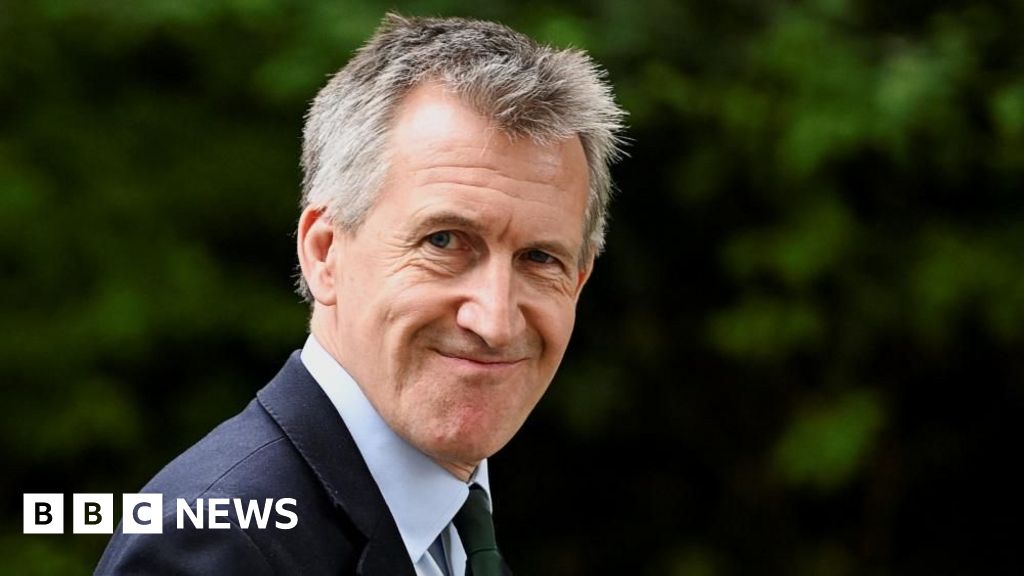
Defence Secretary Dan Jarvis said he is meeting his Nato counterparts at a "moment of challenge", as he arrived in Brussels without the UK's long-term military spending plan.

Nato General Secretary Mark Rutte has urged the alliance's members to present "clear, concrete and credible plans" for how they will raise defence spending ahead of a summit on 7 July.

US Defence Secretary Pete Hegseth also criticised some Nato members that have "yet to show a credible path" to higher defence spending.

Jarvis arrived at the meeting with details of the UK's long-delayed defence investment plan (DIP) yet to be published, amid warnings from defence chiefs of the need for more cash.

His predecessor John Healey resigned last week and warned the DIP "falls well short" of what is needed to protect the UK.

The UK government has vowed to increase defence spending to 3.5% of GDP by 2035, in line with Nato commitments.

But Healey said the DIP presented to him only set out "a rise at 0.08% from next year to 2030", with "no date for reaching 3%, no path to 3.5%".

The plan was "backloaded" when the need to "speed up readiness to fight is in the first two years," he said in his resignation letter.

Air Chief Marshal Sir Richard Knighton, the chief of the defence staff, echoed the concerns as he warned the armed forces will have to "dial back" training and operations if they do not receive more cash than is currently being offered.

The DIP, which was initially expected in autumn 2025, was due to be published last week but was delayed further following Healey's resignation.

Discussions are ongoing within government about defence spending.

Prime Minister Sir Keir Starmer this week said that Jarvis has his "own thoughts now on what the priorities should be", although there has been no suggestion from Downing Street that extra cash will be found.

Jarvis did not mention the DIP as he spoke to reporters ahead of a meeting of Nato defence ministers on Thursday.

He said: "It's very clear to me, as the new defence secretary for the United Kingdom, that this is a moment of challenge.

"The international security is incredibly challenging, and that's why this gathering here today is so particularly important."

Jarvis said the talks offered a "very good opportunity to make sure that we are doing everything that we can to support Ukraine in their fight" against Russian President Vladimir Putin's "barbaric invasion".

Speaking at the opening of Thursday's summit, Hegseth was critical of those Nato countries that he believes are not yet showing how they will meet their spending commitments.

He said: "Some of Nato's largest economies, some of our richest countries, allies that are happiest to go on about the rules-based international order and middle powers banding together, still seem to think the era of free-riding is here."

Hegseth also announced a six-month review of America's military footprint in Europe, which "will be designed to ensure that Nato is moving fast and irreversibly toward Europe leading" on the continent's security.

He added: "At the same time, going forward, our annual Nato dues will be contingent on other countries meeting their defence spending targets.

"Where other allies do not spend with urgency, our dues contributions will go down. Nato will be a two-way street."

Reports have suggested the UK government was preparing to announce a £13.5bn funding increase for the Ministry of Defence (MoD) over the next four years, less than the extra £28bn requested by the department.

Sir Keir argued he has made "hard-edged" choices, including getting every department to make cuts to pay for defence.

Rupert Pearce, UK national armaments director at the MoD, on Wednesday said the delay in publishing the Dip was "regrettable" and warned that raiding budgets in areas such as energy or transport to fund defence could reduce economic growth.

This, he warned, "could come back to haunt us in defence" - because the defence budget is calculated as a percentage of national income.

On the eve of the meeting of defence ministers, Rutte made clear his desire for members of the alliance to show how they plan to raise defence spending to 5% of gross domestic product (GDP) by 2035 ahead of the Nato summit in Ankara, Turkey.

The commitment is split into a 3.5% GDP core defence spending commitment, and a 1.5% GDP commitment to wider resilience spending.

Rutte said: "Investing 5% of GDP in defence by 2035. That's what we agreed.

"So, I expect nations to present clear, concrete and credible plans to reach that goal.

"Ideally, well ahead of the agreed timeline. And many are already showing that they are doing exactly that."

The UK government has said it wants to publish its DIP before next month's summit.

The DIP will explain how new equipment and defence infrastructure will be funded over the coming decade.

Sign up for our Politics Essential newsletter to keep up with the inner workings of Westminster and beyond.

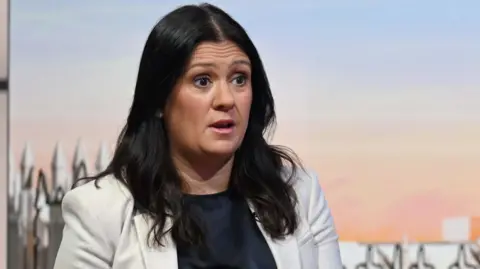
Negotiations continue over defence spending, Lisa Nandy says, days after John Healey resigned over funding.

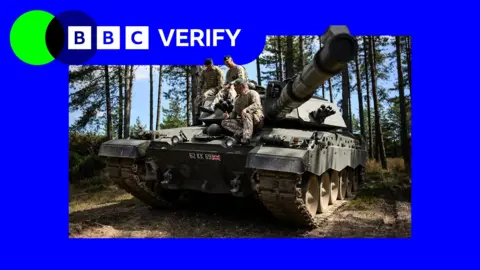
BBC Verify looks at the size of the UK military after Lord Robertson criticises the government over defence spending.

The US is considering options for punishing Nato allies which it considers to have failed to offer support during the Iran war, according to a Pentagon memo seen by Reuters.

The exercise tested the army's ability to plan military operations involving NATO and UK forces.

Trump has repeatedly insisted that European countries must spend more on defence, and there are signs that has been successful.
Comments
You must be logged in to comment.