yahoo Press
He made money on SpaceX's IPO — but leaving $60,000 on the table made him and others 'feel like idiots'
Images
1 / 4

2 / 4

3 / 4

4 / 4
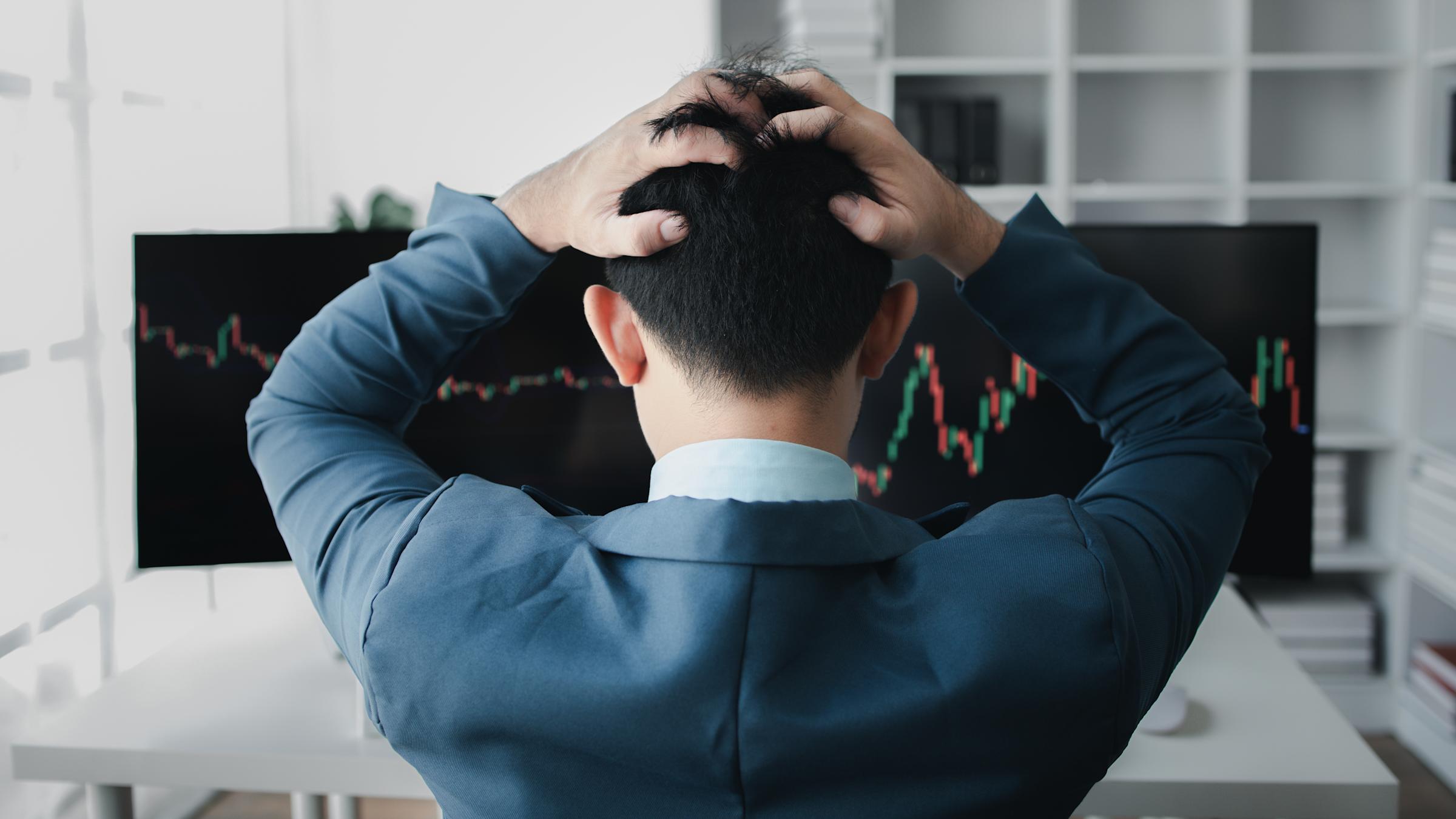
Selling a stock at a profit is supposed to feel like a win. Allen Tran booked the profit, but he still feels like he ran at a loss.

Tran, a 28 year old who runs the investing community HaiKhuu Trading, bought SpaceX shares on the Friday they started trading, sold them the same afternoon and walked away with a small five-figure gain. Then the stock kept going up. He now estimates he left about $60,000 on the table (1) by not just holding. “I would much rather have done nothing and made more,” he told The Wall Street Journal. “I don’t think anyone expected SpaceX to rally like this (1).”

The ultra-rich use these 5 real estate strategies to build wealth while they sleep — you can start with just $100

Robert Kiyosaki says this 1 asset will surge 400% in a year and begs investors not to miss this ‘explosion’

Millionaires under 43 hold only 25% of their wealth in stocks. Surprised? Here’s where their money is actually going

It’s not just him who feels this way. In trading group chats this week, according to Tran, people are regretting they never bought a single share. “We all feel like idiots for not trying to buy it at $135,” Tran said, naming the IPO price.

That’s the strange mood around SpaceX right now — a stock so hot that even the people who made money on it feel like they lost.

SpaceX (NASDAQ: SPCX) went public on June 12 priced at $135 a share (2) — the largest IPO on record, raising about $86 billion (3). Regular investors could request shares before the debut through brokerages like Fidelity and Robinhood, and plenty did. The first full day, it closed around $161, up roughly 19% (2).

By Tuesday the stock was up nearly 50% from its offer price, and a 4.8% pop that day pushed SpaceX past Amazon to become the world’s fifth-largest public company by market value (1). The jump came after SpaceX announced that it would buy AI-coding startup Cursor for $60 billion in stock (4).

Among IPOs that raised more than $10 billion, it’s one of the best three-day starts on record — only Rivian did better, according to FactSet data cited by Wall Street Journal (5).

Read More: About 1 in 5 Americans over 50 has zero retirement savings. Here's why it's not too late

Tran made money, and that’s the strange part. He came out ahead, just less ahead than if he’d done nothing, which somehow stings more.

He’s not the only person second-guessing the sell button. Aaron Cook, 29, got one share before the IPO, bought 11 more after and sold about half as the price climbed. “It was just me cutting my risk,” he told the Journal (5). “Who expects 20% [gains] three days in a row?”

Meanwhile, investors are posting memes and screenshots of windfalls from people who owned just one share and watched it balloon. This is investing’s oldest trap in a new outfit. When a stock goes vertical, people who aren’t in it feel like they’re missing out on free money, and that urge to chase it drowns out every rule they’d normally follow.

Before you treat a hot IPO like easy money, here’s what you should know.

Selling fast can cost you more than the extra upside you miss. Many brokerages don’t like it when you flip IPO shares quickly. Fidelity, for example, won’t let investors who sell within the first 15 trading days join future offerings (6). That trade that feels smart can actually lock you out of the next one.

A brand-new stock also has almost no trading history and not many shares changing hands. That’s what makes the price jump up and down wildly. A stock that climbs nearly 50% in three days can fall just as fast. IPOs also typically have a lockup period that keeps insiders from selling for the first few months (7). Once that lockup ends, all those new shares can flood the market and pull the price down regardless of how well the company is doing.

Retail investors are already split on SpaceX. Forde Todd, a 20-year-old college student in Philadelphia, sold a few shares Tuesday as SpaceX blew past $200. “I am a little cautious,” he told the Journal. “You’re paying a Musk premium, pretty much.”

Others aren’t selling, though.

Devin Powell, a 48-year-old investor in Arlington, Texas, says he’s in for the long haul, and said of Elon Musk, “He’s almost at the point where he’s too big to fail in some ways (5).”

If you’re stressing over the chart, Powell offered the most grounded advice anyone gave all week. “You gotta give it some time,” he said. “Then you’ll see what you really have.”

Dave Ramsey warns this is America's most common retirement mistake — here's how to fix it ASAP

Insurance companies profit most from drivers who auto-renew without shopping around. Comparing 100+ quotes takes 2 minutes and costs nothing

Thanks to Jeff Bezos, you can now become a landlord for as little as $100 — without managing a single property

Here are the 4 costs Americans (still) overpay for every single month. How many of these are sabotaging your budget?

Join 250,000+ readers and get Moneywise’s best stories and exclusive interviews first — clear insights curated and delivered weekly. Subscribe now.

We rely only on vetted sources and credible third-party reporting. For details, see our ethics and guidelines.

The Wall Street Journal (1), (5); CNBC (2), (4); The Straits Times (3); Fidelity Investments (6); Investopedia (7)

This article originally appeared on Moneywise.com under the title: He made money on SpaceX's IPO — but leaving $60,000 on the table made him and others 'feel like idiots'

This article provides information only and should not be construed as advice. It is provided without warranty of any kind.
Comments
You must be logged in to comment.