aljazeera Press
Iranian tankers exit US blockade zone before talks to end war
Images
1 / 7
2 / 7
3 / 7
4 / 7

5 / 7

6 / 7

7 / 7
As US and Iran prepare to sign MoU and start more talks, TankerTrackers monitor says Iran exports its first oil in two months.

Save

Share

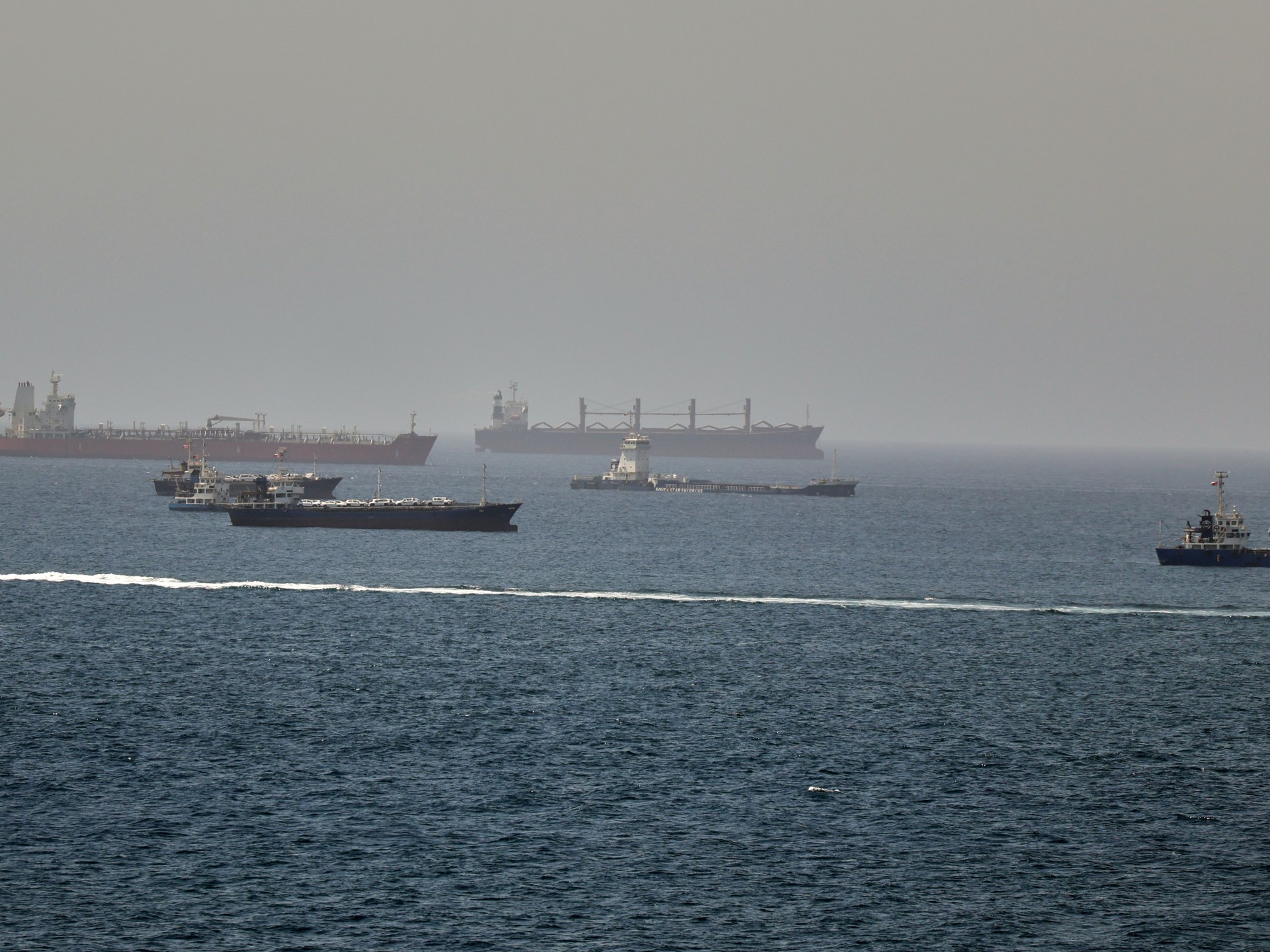
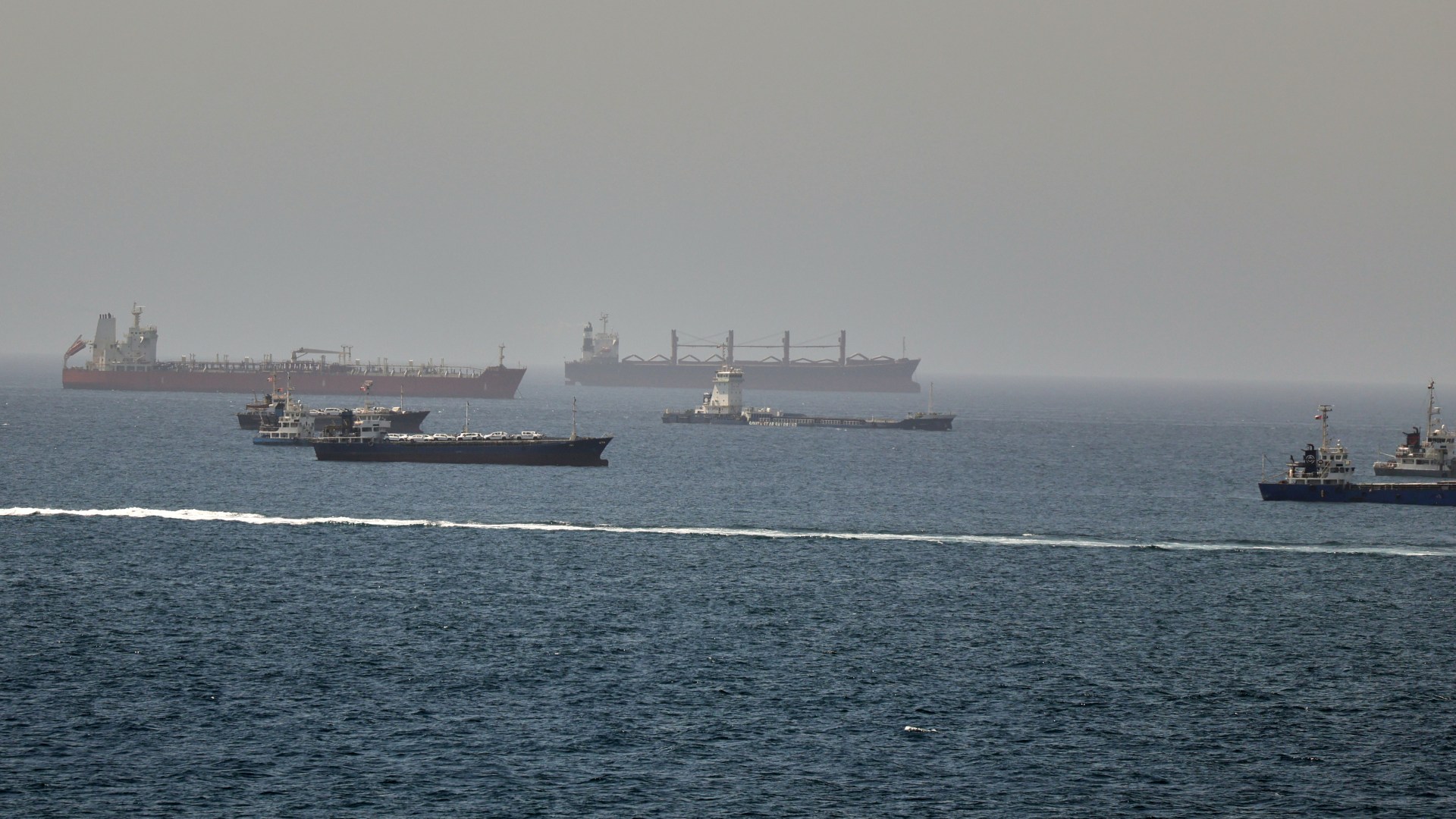
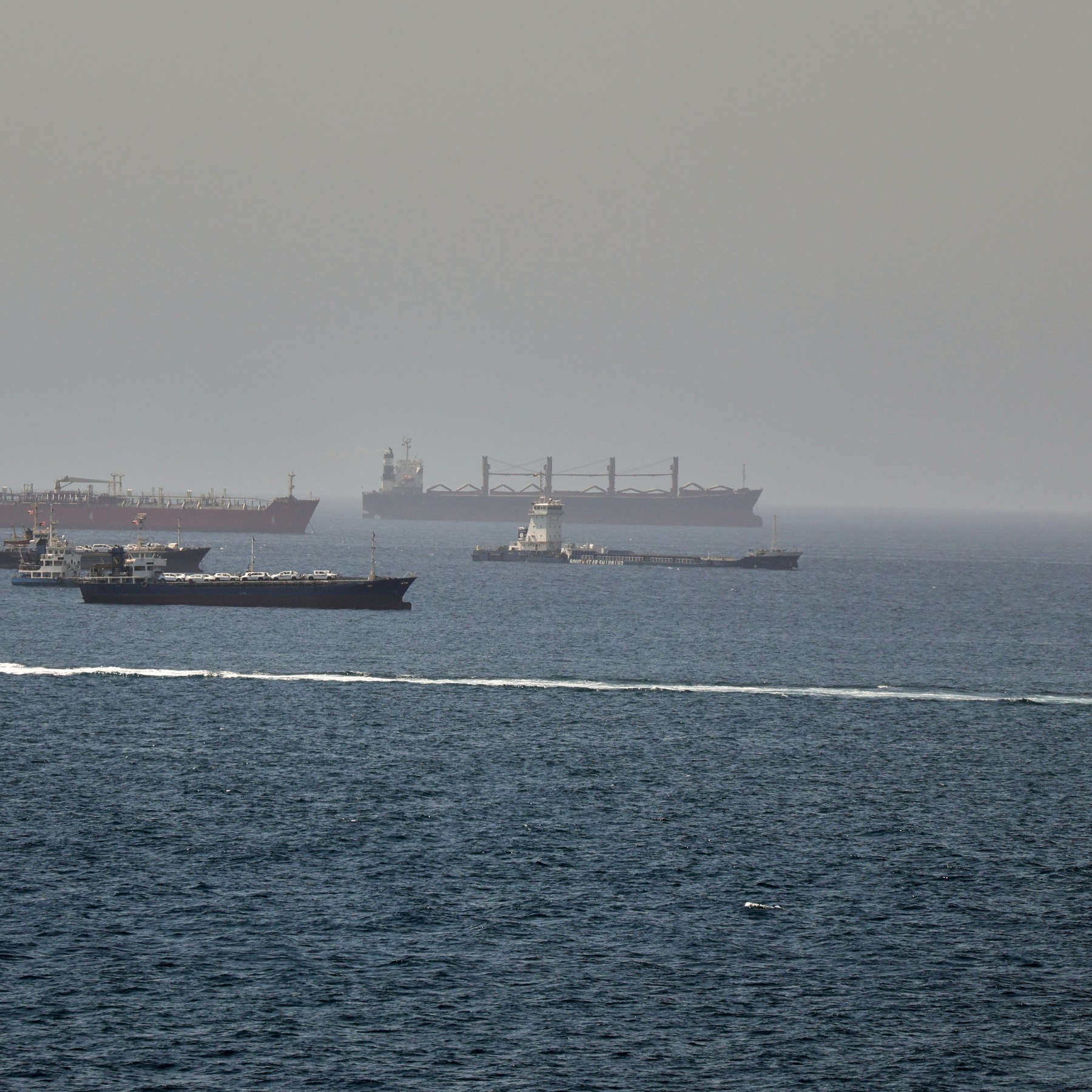
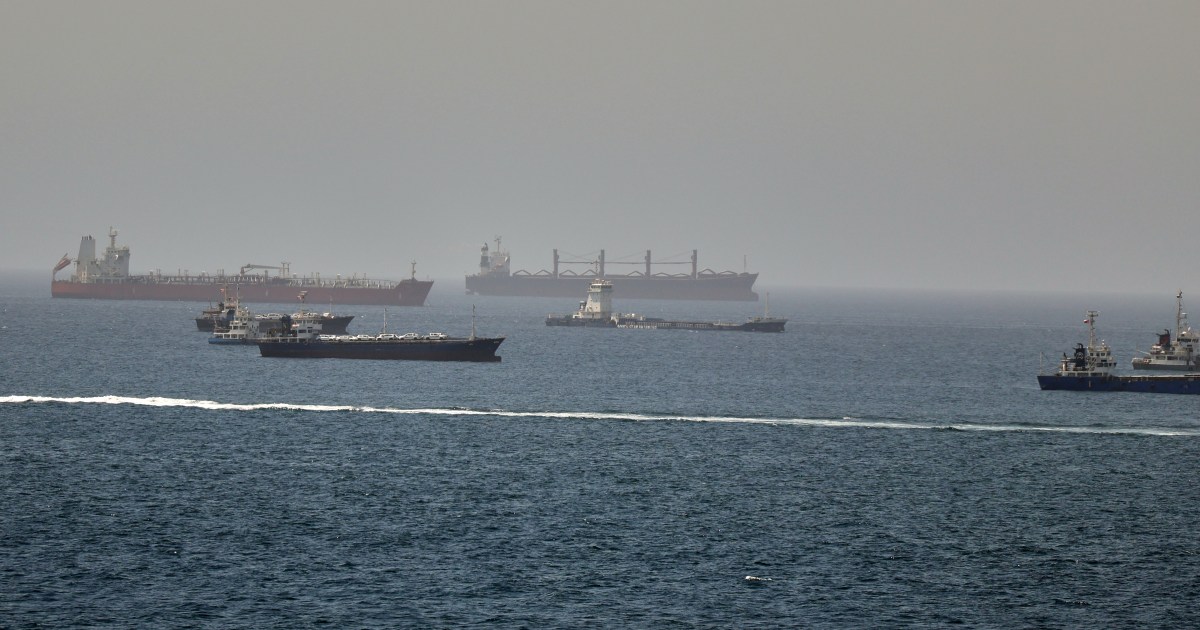
Several tankers carrying Iranian oil have crossed the United States blockade line in the Strait of Hormuz, according to a tracking website, two days before Washington and Tehran are to launch more talks after reaching a framework agreement to end their war.

The TankerTrackers website, which monitors oil shipments and storage, on Wednesday identified Iran’s “first crude oil exports in two months”, citing digital tracking data corroborated by satellite imagery.

The talks on a final settlement to end the war, triggered by US-Israeli strikes on Iran on February 28, are to begin on Friday at Switzerland’s Burgenstock mountain resort as news that the Strait of Hormuz will reopen sent world oil prices tumbling.

According to TankerTrackers, two National Iranian Tanker Company (NITC) tankers – the Diona and Hero 2 – carrying a total of 3.8 million barrels of Iranian oil, exited the blockade line on Tuesday while another tanker, Stream, was sailing towards Iranian ports on Wednesday.

A third tanker operated by the NITC and carrying 1 million barrels of Iranian crude sailed past the US Navy’s blockade line in the Gulf of Oman on Wednesday, according to TankerTrackers.

In a post on X, the maritime tracking service said the Sonia I “exited the blockade line” at 01:11 GMT.

The negotiations between the US and Iran are to start immediately after they sign a memorandum of understanding (MoU). They are due to continue over 60 days and are aimed at leading to an agreement on Iran’s nuclear programme and a plan to lift international sanctions on Iran, officials said.

The US will allow Iran to immediately begin selling oil and fuel after signing the MoU, The Wall Street Journal reported on Tuesday, quoting unnamed people familiar with the agreement.

A waiver of sanctions on oil sales will take effect immediately, the Journal added, and will cover services such as banking, transportation and insurance as well.

According to a senior US official speaking on condition of anonymity, the framework agreement has already been signed electronically by US President Donald Trump, Vice President JD Vance, Iranian Deputy Foreign Minister Majid Takht-Ravanchi and Tehran’s top negotiator, Mohammad Bagher Ghalibaf.
Comments
You must be logged in to comment.