buzzfeed Press
21 Men Who Went To Therapy And Said It Changed Their Lives...Or Why They're Never Going Back
Images
1 / 10
2 / 10

3 / 10
4 / 10

5 / 10
6 / 10
7 / 10

8 / 10
9 / 10

10 / 10
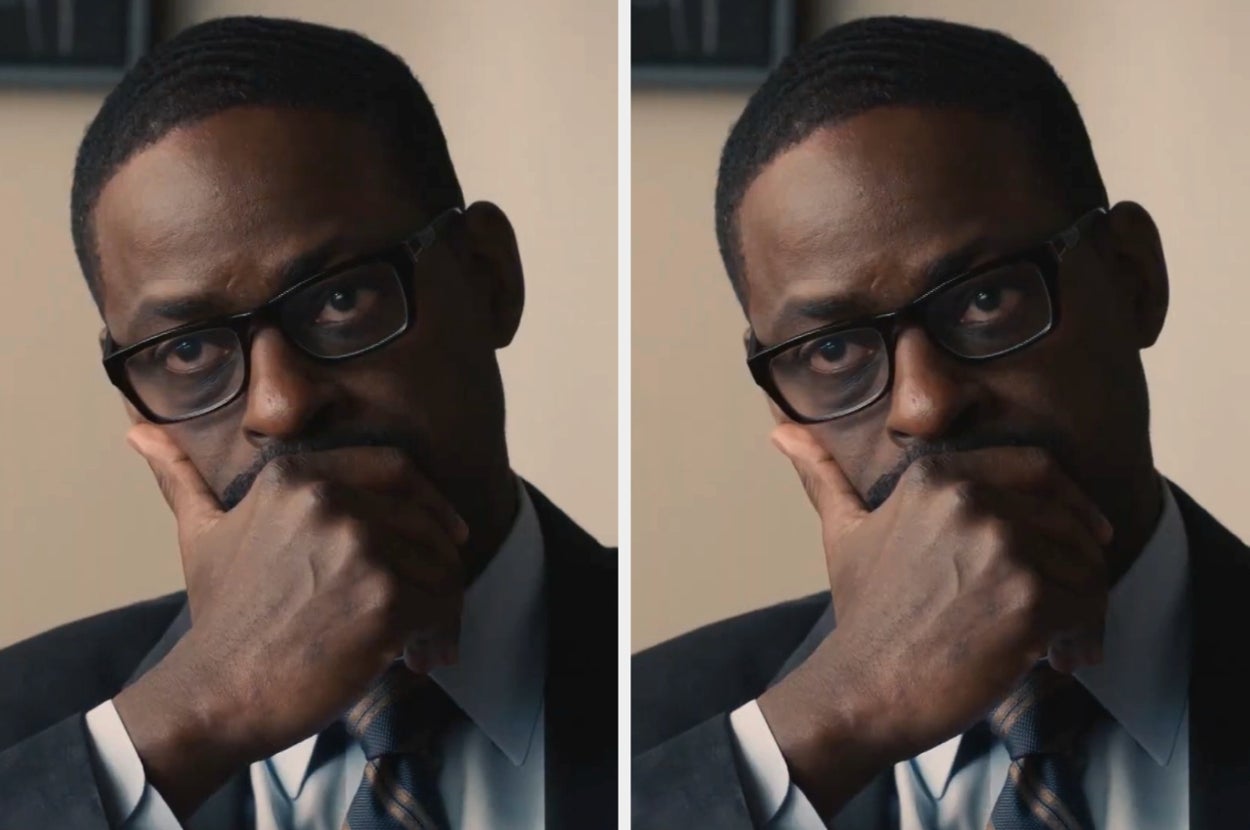
“I went by myself once when my wife was sick, and the therapist asked me, ‘What could you do differently at home?’ This question gave me pause because I’d never really thought about that.”

Answers were also taken from several reddit threads, which can be found here, here, here, here, here, here, here, here, and here.

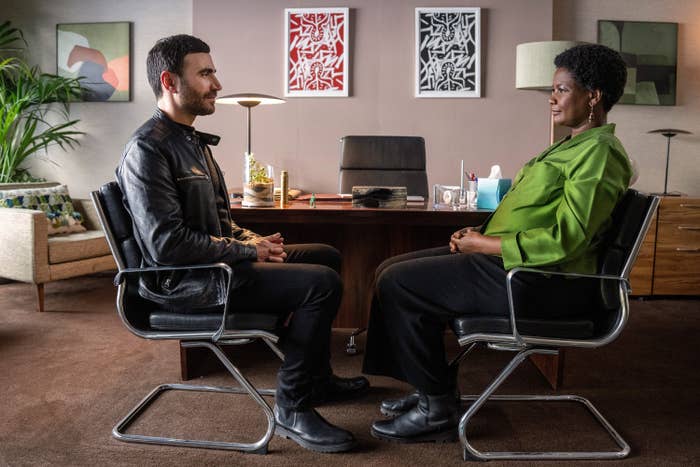
"There is a serious stigma around therapy. The truth is, it feels absolutely amazing to have a non-judgmental, well-educated person to vent all your thoughts to. My therapist is the first person ever, besides my girlfriend, that I've been able to talk to so openly. Of course, I still have days that I don't feel like going, but I always feel better after a session."

"I am a very emotional, open guy, and he was not, so I misinterpreted his lack of showing love as rejection in my youth. Therapy helped me understand him better and let that wound heal in time. We could even both say our 'I love you's before he passed some years ago."

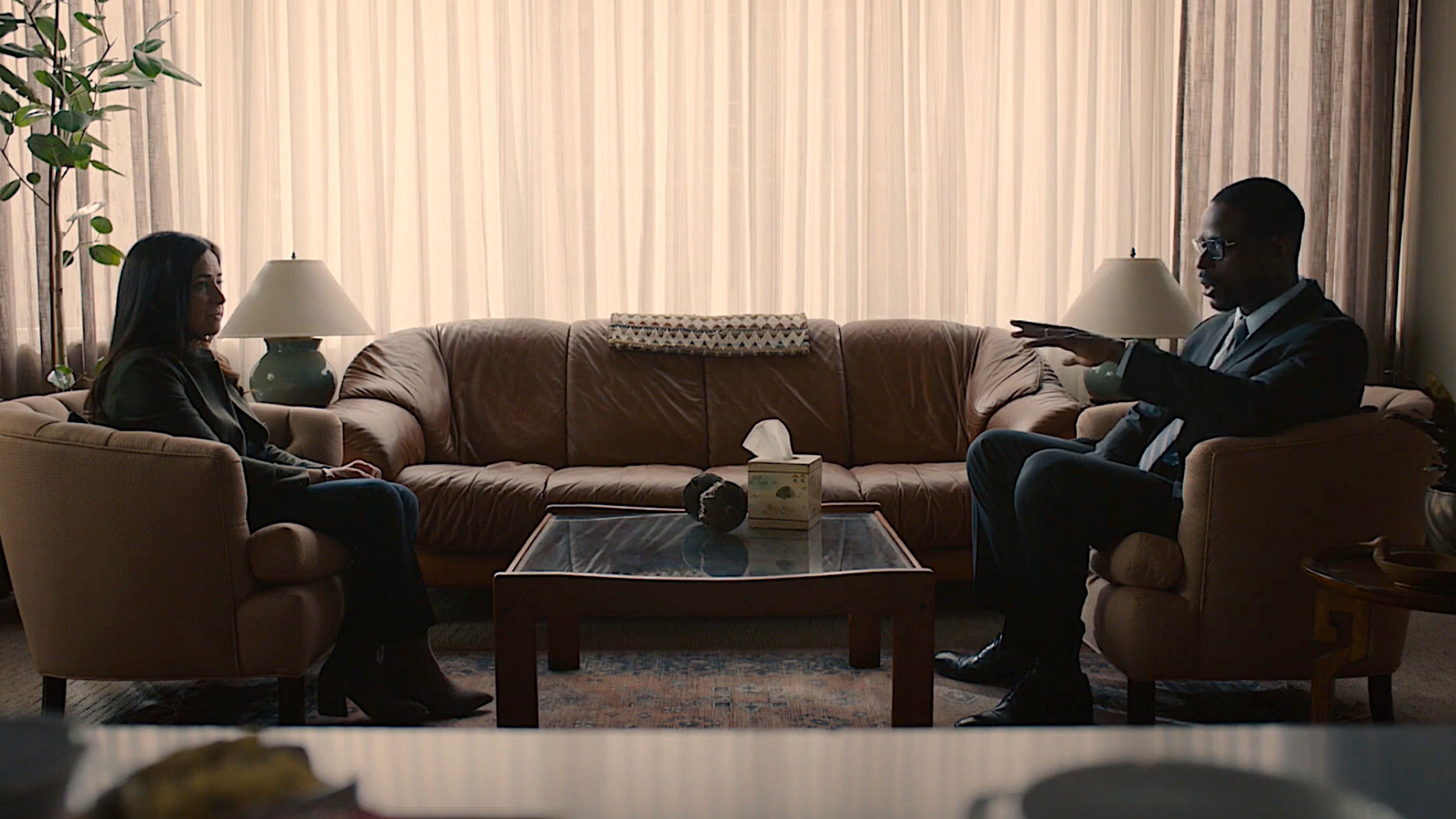
"This question gave me pause because I'd never really thought about that. I mentioned a few ideas, including reintroducing nonsexual physical touch that I hadn't done in years. That last one did SO much for my wife. She began to initiate sex often, not just 'duty sex,' and it was clear how much she enjoyed it.

I was so grateful that I started doing more around the house: Cleaning, picking up, laundry. We had always shared the load of keeping house, but what used to be chores of necessity became an enthusiastic act of service to show my appreciation to my wife, and guess what? She responded to that, too. She gave me even more of what I wanted.

This started a virtuous cycle that has continued since that fateful therapy session. Each of us gives more of what the other person wants, and we openly communicate about how we can please the other person even more. We talked about all this in therapy a few weeks later. The therapist told us, 'Where you are is where I wanted you to be.' We asked if we needed to come back. Nope. We're done here!"

"They tried all kinds of styles and techniques, but when all was said and done, the message was simply 'You need to get over it and move on.' The real problem was that the moment I walked back into the real world, whatever gain I made in a session was moot, as I still had to deal with life on its own terms."

"I see my guy twice a month, and it helps me reflect and understand other people's choices and decisions. It's something I plan to continue; while it may not be essential now, at some point, life will fling some shit your way."

"The real benefit of therapy, if you can afford it, is the continuity of feeling seen by someone and having your social-psychological needs being met."

"Having awareness and certain mental tools helps in ways, but I think the biggest benefit of continued therapy is having someone to bear witness and be a sounding board for your issues."

"I had some minor diagnoses and had quite a few red flag 'we need to watch this and make sure it doesn’t turn into something serious' notes in my psychologist's file. Eventually, I learned to use the therapist as a sounding board and give myself a voice when I felt no one else was really listening. The growth that happened in those sessions, coupled with a well-timed life event, fundamentally shaped who I am today."

"I kept asking what the 'plan' was, and they couldn't give me an answer. I asked for a concrete map of outcomes, and they said, 'It's not that simple.' So, I just went and let them dig through my entrails for six months until I'd had enough. Therapy – talk therapy in particular – doesn't work if you have tangible goals. I tried cognitive behavior therapy and directed hypnotherapy later on and had much better results, but nothing spectacular."

"Years later, after my wife chose to end her life, I saw a therapist for 13 weeks just to get her to sign a report for my doctor to allow me to stop taking my antidepressants."

If you are struggling or need to speak to someone immediately,  you can dial 988 to call the National Suicide Prevention Lifeline. The line is open 24/7/365, and conversations are free and confidential. Other international suicide helplines can be found at befrienders.org.

The National Alliance on Mental Illness helpline provides information and referral services. You can call them at 1-800-950-6264, or text ‘HOME’ or ‘HOLA’ to 741741 to speak with a volunteer. GoodTherapy.org is an association of mental health professionals from more than 25 countries who support efforts to reduce harm in therapy.

If you or someone you know is struggling with substance abuse, you can call SAMHSA’s National Helpline at 1-800-662-HELP (4357) and find more resources here.

Disclaimer: Submissions have been edited for length and/or clarity.
Comments
You must be logged in to comment.