yahoo Press
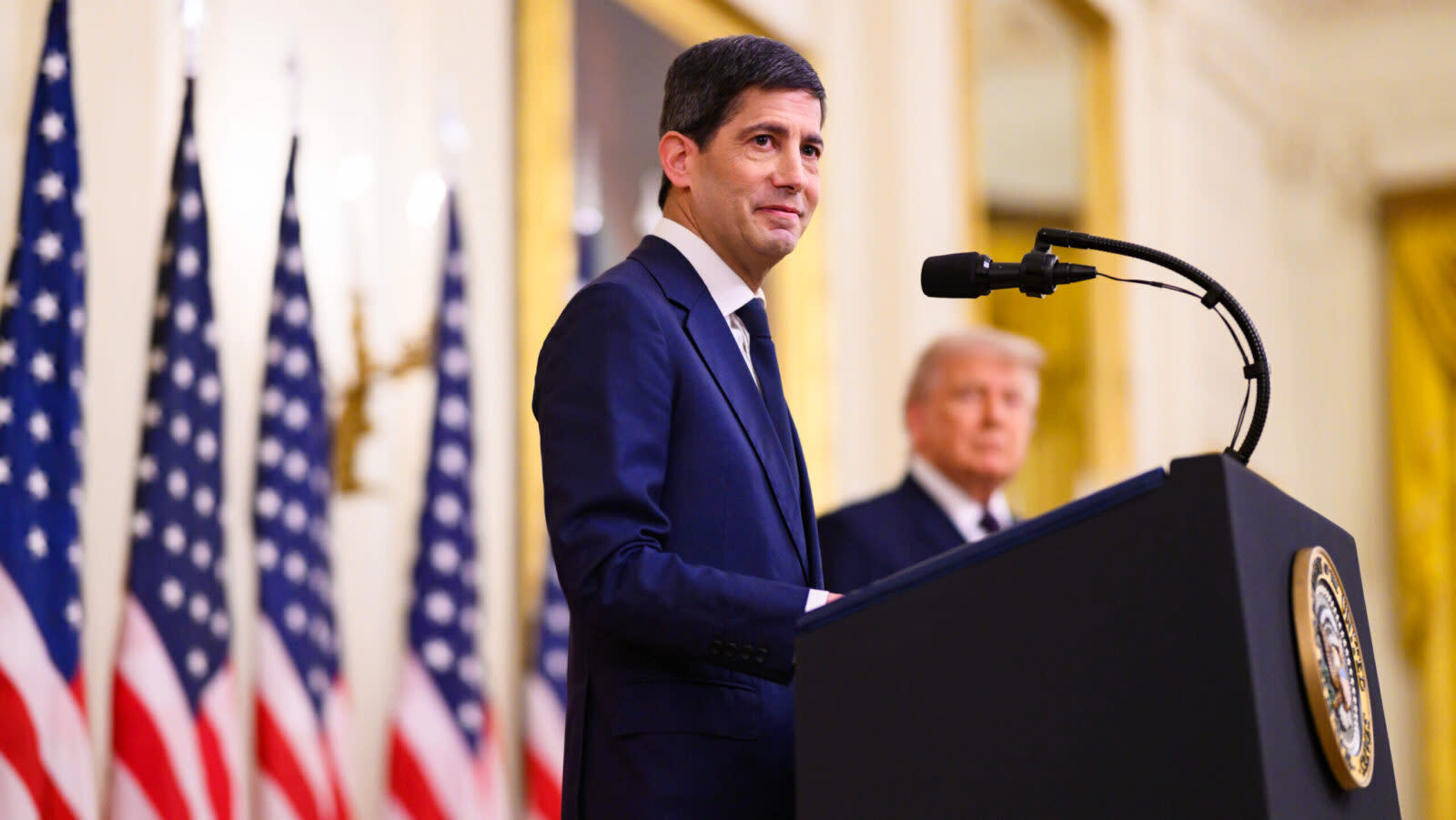
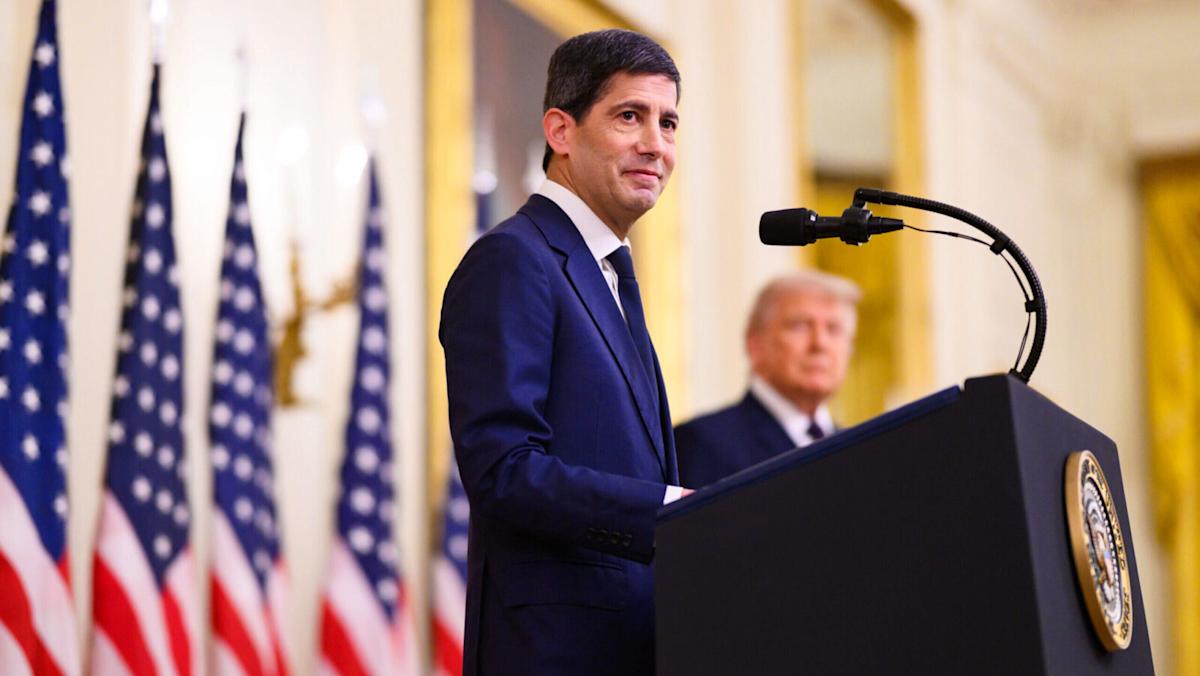
Wall Street Is Preparing for Kevin Warsh’s First FOMC Meeting as Head of the Fed
Images
1 / 4
2 / 4

3 / 4

4 / 4
Concerned about an AI bubble? Sign up for The Daily Upside for smart and actionable market news, built for investors.

It’s Warsh’s world; we just live in it.

The Federal Open Market Committee (FOMC) meets for the first time this week under new Federal Reserve chair Kevin Warsh. With the labor market looking solid but inflation jumping to a three-year high of 4.2% in May, a rate cut likely isn’t in the cards. As of Friday, CME FedWatch puts the probability of the Fed holding rates steady at nearly 99% for this meeting, and 92% for the one in July.

But it’s not necessarily the direction of interest rates this month that investors, economists and all the experts in between will be paying attention to. It’s what Warsh says about where rates are heading, and how he says it.

Sign up for The Daily Upside at no cost for premium analysis on all your favorite stocks.

READ ALSO: Have Fuel, Will Travel: Airline, Cruise Stocks Gain Momentum with Iran Deal and Anthropic Fights to Bring Most Powerful AI Models Back Online

For eight years, Wall Street navigated a Jerome Powell-led Fed as he “revolutionized the way Fed chairs communicate with the public,” David Rubenstein, co-founder of the Carlyle Group recently said in an interview with CNBC. Former Fed Chair Ben Bernanke held the first post-FOMC press conference in 2011, kicking off a quarterly tradition. Powell was the first Fed head to talk to the media after every meeting. “Jay Powell has brought transparency to the Fed and I think that’s a good thing,” Rubenstein said.

Not everyone agrees. During his confirmation hearing, Warsh criticized FOMC members for essentially talking too much about which direction they think interest rates should go. He didn’t say he would get rid of the press conferences, and one is slated for Wednesday, but it wouldn’t come as a surprise if he keeps the public at arm’s length.

Time will tell, but all eyes will be on the central bank by mid-week:

John Luke Tyner, portfolio manager at Aptus Capital Advisors, tells The Daily Upside Warsh will likely spend most of this week’s press conference trying to clearly communicate what the market is pricing in (“no cuts, but [he] may try to talk down hike expectations”). Separately, Warsh is going to have to spend time and his political capital in driving consensus across the Fed board, since his talking points diverging significantly from the overall committee could spook markets, he added.

JPMorgan Wealth Management’s chief investment strategist Phil Camporeale predicts “an explicit move away from a bias toward easing to a neutral stance on rates.” Market watchers will also be homing in on the dot plot, a quarterly chart that shows where policymakers expect the federal funds rate to be at the end of the year, in the next few years and in the long run.

If Not Now, Then When? A majority of economists surveyed by Reuters believe the Fed will hold the federal funds rate steady throughout 2026. Goldman Sachs now expects rate cuts in June and December 2027, compared with the December 2026 and March 2027 cuts it had previously predicted.

This post first appeared on The Daily Upside. To receive razor sharp analysis and perspective on all things finance, economics, and markets, subscribe to our free The Daily Upside newsletter.
Comments
You must be logged in to comment.