yahoo Press
Jeff Bezos Proposes Eliminating Federal Income Taxes for the Lower Half of Earners—Here's What It Means
Images
1 / 5
2 / 5

3 / 5
4 / 5

5 / 5
Jeff Bezos proposed eliminating federal income taxes for the bottom half of U.S. earners to help struggling households.

A similar proposal from lawmakers would eliminate taxes for lower earners and provide tax cuts for middle-income households.

These types of tax changes would mainly benefit middle-income households, as many lower-income taxpayers already pay no federal income tax due to credits and deductions.

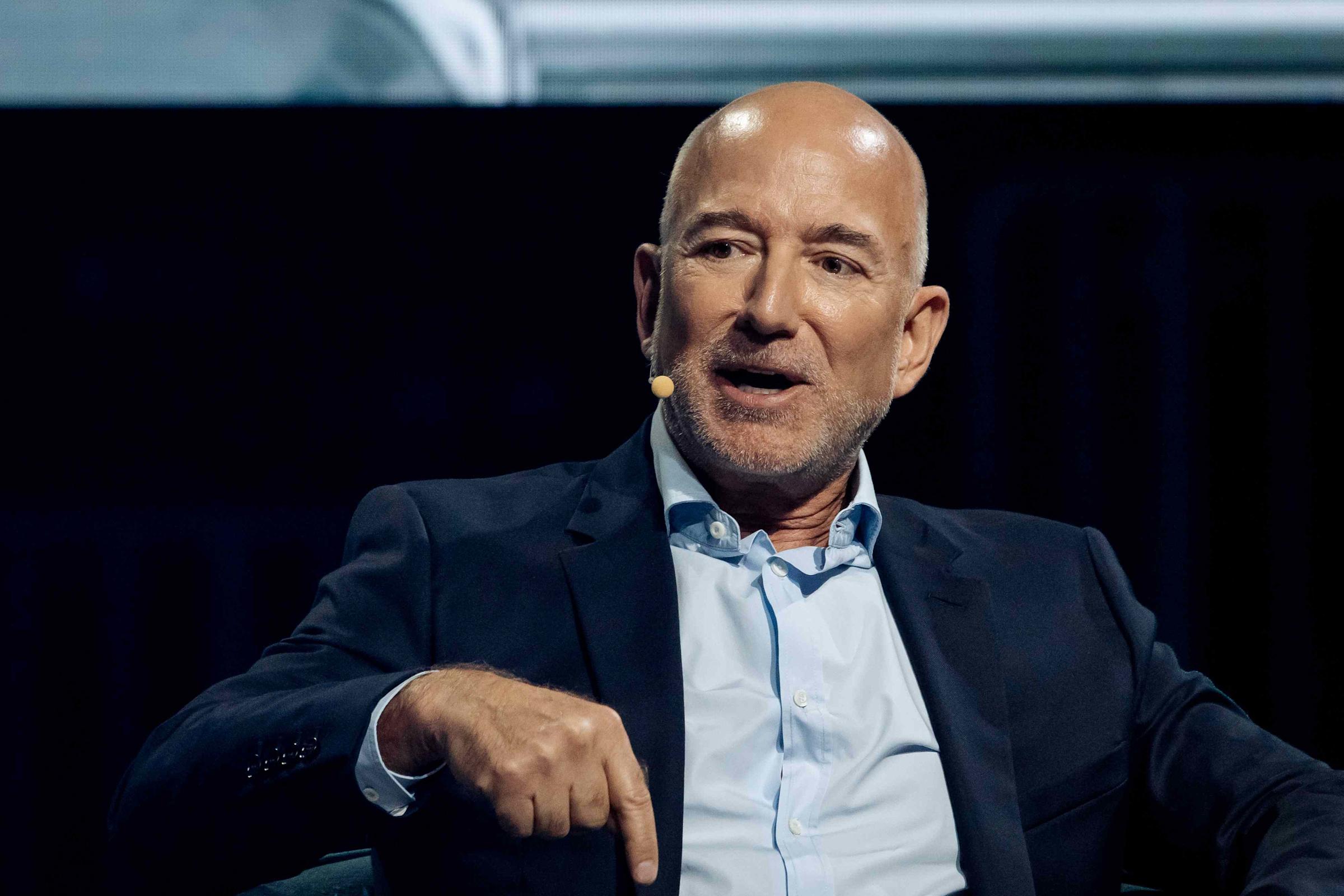
A seemingly unlikely advocate for tax cuts for lower-income Americans emerged in the past month—billionaire Jeff Bezos.

In a recent interview with CNBC, the founder of Amazon and private space company Blue Origin called for eliminating federal income taxes for the bottom half of earners.

"I want to make sure that the people who are struggling today have a chance...to bring themselves up," Bezos said. "We can give them a better chance by eliminating their tax bill. I don't want to reduce it, I want to eliminate it."

The bottom half of taxpayers earn adjusted gross income below $53,801 and have an average income tax rate of 3.7%, according to a recent Tax Foundation report on the 2023 tax year. There were about 76.5 million tax units in the bottom half, who, on average, paid about $913 in income taxes. Eliminating federal income taxes for the lower half of earners wouldn't eliminate payroll taxes or state income taxes.

Several lawmakers have proposed lowering the tax burden on lower and middle-income earners while raising taxes on the top earners. Data from the Tax Foundation shows the top 1% has an average tax rate of about 26%. However, with the combination of tax deductions and credits, the tax rate for some of the top earners drops to 3%, according to the Budget Lab at Yale.

Eliminating taxes for the lower half of taxpayers will have the greatest impact on middle-income households, not the lowest-income taxpayers, analyses say.

A recent congressional proposal from Representatives Don Beyer (D-VA) and Chris Van Hollen (D-MD) would accomplish a similar goal to Bezos' proposal.

Beyer and Van Hollen propose eliminating federal income taxes for Americans who earn less than $46,000 for single taxpayers, $92,000 for joint filers, and $64,400 for heads of household.

The proposal would also offer a tax discount for middle-income taxpayers, including single taxpayers earning between $46,000 and $80,500 and married taxpayers earning between $92,000 and $161,000.

This type of proposal would have the greatest impact on middle-income households, as many lower-income households have no tax liability, according to an analysis from The Budget Lab at Yale. In 2025, about 40% of households paid no income tax because their tax credits and deductions offset their income, according to the Tax Policy Center.

According to an analysis from the Institute on Taxation and Economic Policy of Beyer and Van Hollen's proposal, the third quintile of taxpayers, those who earn $53,300- $92,100, would see the biggest tax cut. The households would see an average tax cut of $1,340.

While voters often support tax cuts, they can be a hard sell as they require cutting government funding for programs and services. So often, to make tax cuts palatable, lawmakers look for other forms of income.

In some parts of the country, proposals to raise taxes on billionaires like Bezos are gaining traction as a way for state governments to secure alternative funding. This could also be implemented on the federal level.

The "Working Americans' Tax Cut Act" would cost the government almost $1.6 trillion over 10 years, though the lawmakers' proposal would increase taxes on those who make $1 million or more, offsetting the costs, according to the Yale Budget Lab.

When asked if he would be willing to pay more taxes to make his proposal for lower-income Americans work, Bezos didn't directly answer.

"The line that gets quoted all the time is, 'the wealthy should pay their fair share.' We can argue about what the fair share is; that's a policy debate, that's okay," he said. "If you really are being honest about it, we don't have a revenue problem in this country. ... We actually have a spending problem."

Read the original article on Investopedia
Comments
You must be logged in to comment.