yahoo Press
A couple owes $220K at 2.75% — and a TikToker wants them to swap it for an 8% variable HELOC
Images
1 / 5
2 / 5

3 / 5
4 / 5

5 / 5
Moneywise and Yahoo Finance LLC may earn commission or revenue through links in the content below.

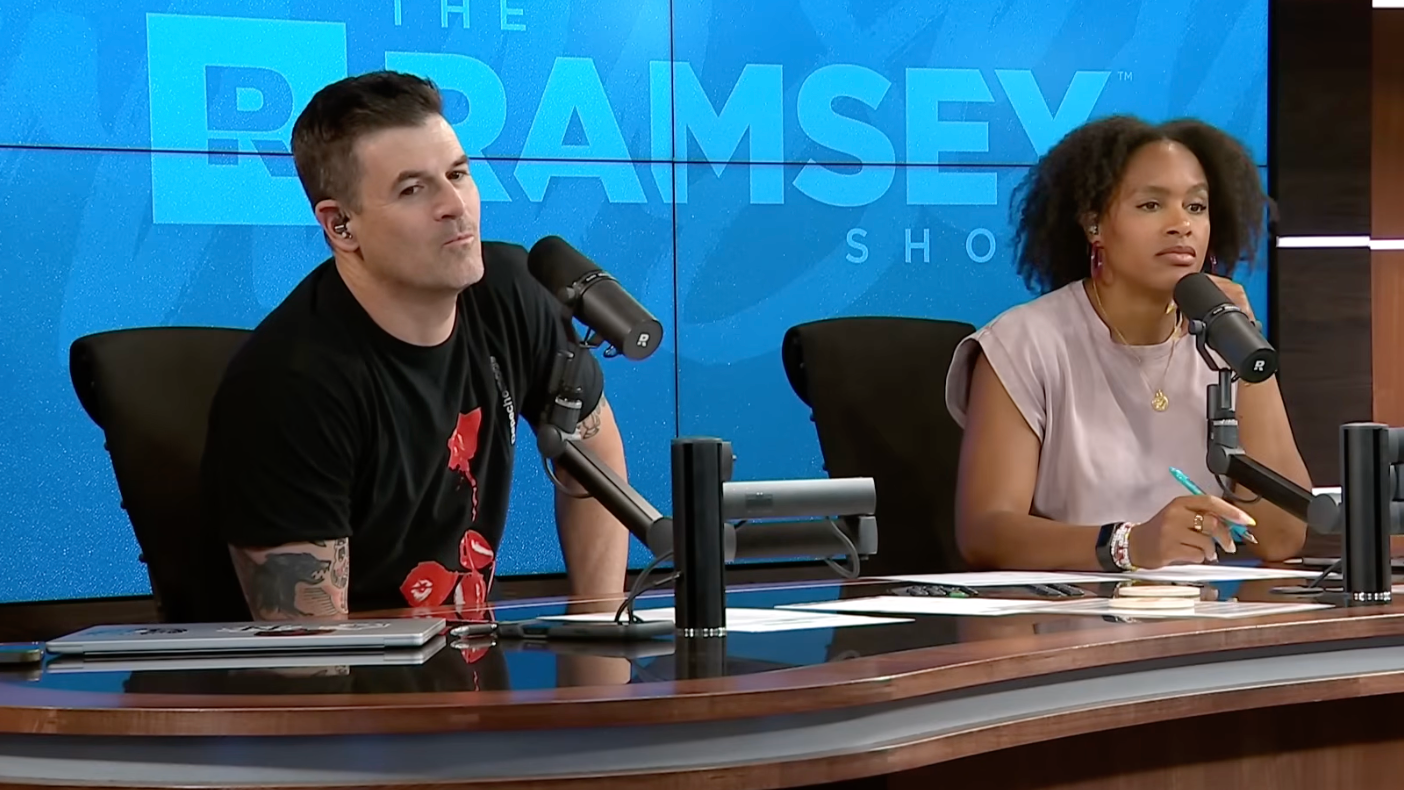
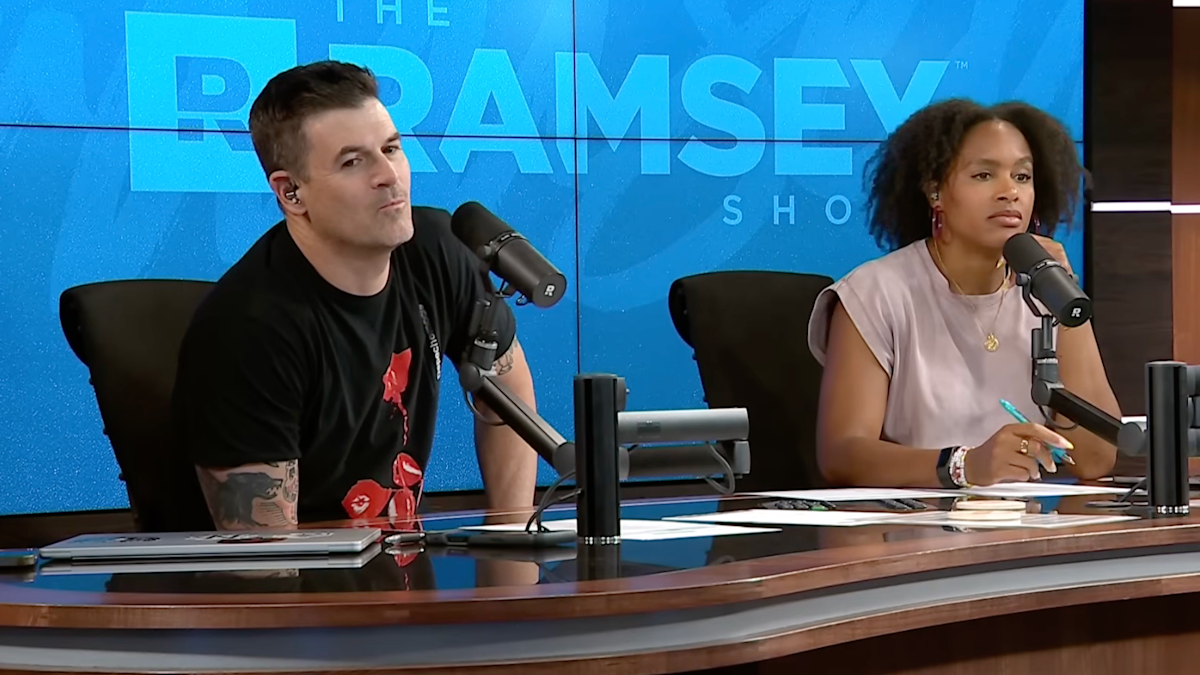
A caller to The Ramsey Show (1) recently wanted to know whether she was in the right for being wary of a TikToker’s financial advice, or if she was “crushing” her husband’s dreams.

Brooke from Baton Rouge, La., said that her husband was keen on an idea from a TikToker who was promoting first-lien Equity Line of Credit (HELOC).

The ultra-rich use these 5 real estate strategies to build wealth while they sleep — you can start with just $100

The IRS usually taxes gold as a collectible — but this little-known strategy lets you hold physical bullion tax-free. Get your free guide from Priority Gold

Dave Ramsey warns nearly 50% of Americans are making 1 big Social Security mistake — here’s how to fix it ASAP

“I’m very hesitant about it,” Brooke said on the call. “In fact, my family gives me the name ‘dream crusher.’ Because I’m just not a risk taker.”

But co-hosts Jade Warshaw and John Delony were squarely in Brooke’s corner when it came to the idea — and on the prospect of taking advice from “finfluencers.”

“Hey, here’s my big problem number one, Brooke: Your husband’s quote, ‘following a TikToker,’” Delony laughed.

Brooke agreed, saying that she looked at the numbers and didn’t see a way that the plan made sense.

Whereas HELOCs are typically second mortgages, a first-lien HELOC is a line of credit that replaces your existing mortgage.

If you defaulted on a home loan, the first-lien lender would be first in line to be repaid — traditionally the mortgage lender. So, when you take a first-lien HELOC, it moves into first position.

According to consumer credit reporting agency Experian (2), people who choose a first-lien HELOC often do so for “access to equity and initial interest-only payments,” using the money for home renovations, investments or for debt consolidation.

Similar to a regular HELOC, a first-lien HELOC usually has a draw period, when you’re able to borrow and repay funds, like a credit card and a repayment period where you can’t withdraw funds and you have to repay the principal and interest.

While a mortgage can have a fixed or a variable interest rate, a HELOC’s interest rate is variable and is “calculated daily based on your outstanding balance,” according to Experian. That’s why it can be “a smart idea to repay whatever you can during the draw period, even if you’re not required to,” Experian adds.

First-lien HELOCs typically use an automated sweep feature, meaning your paycheck automatically reduces your HELOC balance when it lands. But as you pay bills and pull money back out for everyday expenses, that balance can climb again.

The problem? It can be tempting to treat your home equity like a giant credit card. The strategy only works well if you’re extremely disciplined with your spending.

“With a first-lien HELOC, that guardrail is gone. Someone who lacks financial discipline could draw heavily against their line for lifestyle spending, car purchases, vacations and find themselves approaching their credit limit with little equity buffer remaining,” said Anthony Rushing, sales manager for the first-lien HELOC department at First Merchant’s Bank (3).

A traditional HELOC may be a safer alternative for homeowners who want access to their equity without putting their entire mortgage at risk. You only pay interest on the amount you borrow and you can repay and reuse funds during the draw period — similar to how a credit card works.

You can tap into your home equity with a HELOC from AmeriSave and access your full funds right at closing.

You can choose a draw period that fits your life — three, five, or 10 years — along with 20- or 30-year terms to suit your budget. And with a 10-year interest-only option, you can keep monthly payments manageable while you plan ahead.

It’s essentially a flexible credit line secured by your home, delivered through a mostly online application process.

Read More: Thanks to Jeff Bezos, you can become a landlord for $100 — without the headache of actually being one

For Ramsey Show caller Brooke, the hosts' question was: Why does your husband want to get a first-lien HELOC?

“What’s the purpose of it — the grand purpose in his mind?” Warshaw asked. “‘We need to get the first-lien HELOC because I need to get a boat,’ or ‘Because we’re funding college.’ Like, what’s the why?”

Brooke said that because they are in their 50s, the idea was to pay off their mortgage before they retire. They still owe about $220,000 on their mortgage and the TikToker her husband follows claims that a first-lien HELOC can allow people to pay off their mortgage in three to six years.

“The why is [to] pay [the home] off in three to six years,” Brooke said. “But we don’t have, like, this huge income, like, minus our debts that we have to even throw at this HELOC. Because that’s what it seems like to me that you need. You need this huge income.”

Delony said that there’s no “secret atomic way to make you owe less than $200,000 on your mortgage.” While “there might be a way that you can reduce your interest rate,” he explained, “There’s not a way to contract time or to contract money from what you owe.”

Brooke’s mortgage currently has a 2.75% interest rate and she said she was seeing daily rates for HELOCs at 8%.

When Warshaw heard that those HELOC rates were also variable, she said, “That’s scary.”

“I’m trying to say this in a non-incredulous way, but truly I can see no good in this,” she added.

Delony agreed that the high variable interest rate on the first-lien HELOC, compared with Brooke's 2.75% rate, was a no-brainer. Plus, with the HELOC, there is the temptation to spend.

“You’d have to be superhuman to never spend this line of credit,” Delony said. “There’s no way you’re going to get a better interest rate. It’s a credit card at a variable rate that’s higher than your mortgage. Like, there’s no possible win here.”

The hosts advised Brooke that she should write out a plan for how much they’d have to pay every month to pay down their mortgage in 72 months and then ask her husband to run the numbers on the first-lien HELOC and how it would save them money, factoring in that interest rates could go up.

Delony reiterated, “It’s just total madness.”

A first-lien HELOC isn’t the only strategy for getting ahead on your mortgage. Depending on your current rate, refinancing may be worth exploring first.

Of course, it depends on your mortgage rate. In Delaney’s case, with a mortgage rate of just 2.75%, refinancing would likely mean trading a low-cost loan for today’s much higher rates. The average 30-year fixed mortgage rate was 6.52% as of June 11 (4).

But those with higher rates might save thousands of dollars by refinancing their mortgage at a lower rate. You may be able to save more than $50,000 by refinancing your mortgage at the lowest rate available, according to LendingTree (5).

Now, there’s a way for you to compare the refinance rates offered by various lenders near you for free through Mortgage Research Center.

All you have to do is answer a few basic questions about your property and your finances (including your annual income and credit score) and Mortgage Research Center will compile a list of mortgage rates offered by lenders near you.

After matching with a lender, you can set up a free introductory call to learn how to transfer your current mortgage.

Your mortgage may be your biggest monthly expense, but insurance could quietly be eating into your budget too. Home insurance costs have surged across the country, with premiums increasing by an average of 24% between 2021 and 2024, according to the Consumer Federation of America (6).

Shopping around and comparing quotes could help you cut costs and keep more money in your pocket.

You can compare offers from leading home insurance providers near you for free through OfficialHomeInsurance.com.

Simply enter some basic information about yourself and the type of home you own and OfficialHomeInsurance will browse through their database of over 200 insurers and display the lowest quotes for you in just two minutes.

By comparing your options and selecting the best rate available, you could save an average of $482 per year on premiums.

- With files from Rebecca Payne.

No time to shop for cheaper car insurance? This 2-minute check could slash your bill today — no phone calls required

Robert Kiyosaki says this 1 asset will surge 400% in a year and begs investors not to miss this ‘explosion’

Millionaires under 43 are reshaping investing — just 25% of their portfolios are in stocks. Here’s where their money is going

Here are the 4 costs Americans (still) overpay for every single month. How many of these are sabotaging your budget?

Join 250,000+ readers and get Moneywise’s best stories and exclusive interviews first — clear insights curated and delivered weekly. Subscribe now.

We rely only on vetted sources and credible third-party reporting. For details, see our ethics and guidelines.

YouTube (1); Experian (2); Bankrate (3); Freddie Mac Primary Mortgage Market Survey (4); LendingTree (5); Consumer Federation of America (6)

This article provides information only and should not be construed as advice. It is provided without warranty of any kind.
Comments
You must be logged in to comment.