yahoo Press
What the $38 billion Visa, Mastercard swipe fee settlement means for credit card users
Images

1 / 12
2 / 12

3 / 12

4 / 12

5 / 12

6 / 12

7 / 12

8 / 12

9 / 12

10 / 12

11 / 12

12 / 12
Some offers on this page are from advertisers who pay us, which may affect which products we write about, but not our recommendations. See our Advertiser Disclosure.

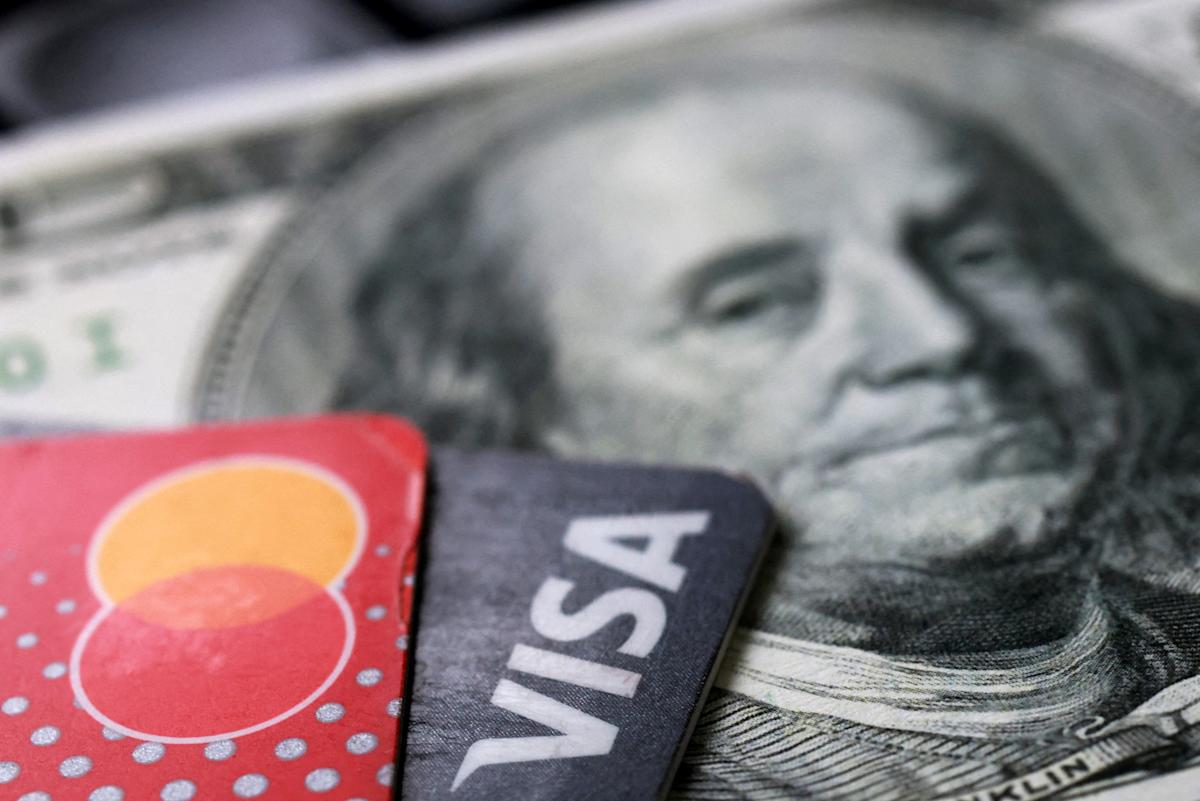
A $38 billion Visa and Mastercard settlement with merchants accusing the credit card networks of charging excessive processing fees has been approved by a U.S. district judge. While the decision does not grant final approval, it is another step in a legal battle that has lasted for more than 20 years.

A previous $30 billion settlement of the case was rejected two years ago in a different court.

The dispute centers on "swipe fees," the charges merchants pay when customers use a credit card. A class-action suit filed by more than 12 million merchants in 2005 accused Visa and Mastercard of charging excessive processing fees. In 2025, the credit card network charged merchants almost $119 billion in swipe fees.

Many merchants, particularly small businesses, either absorb the cost or pass the processing fees of 3% to 4% on to customers as surcharges, or offer similar discounts for cash payments.

If granted final approval, what will the settlement mean for consumers?

Read more: Best credit cards with no annual fee

Under the proposed settlement, Visa and Mastercard have agreed to lower swipe fees (also known as interchange fees) by 0.1 percentage point for five years. The standard consumer card fee would be capped at 1.25% for eight years. In 2024, merchants paid an average of 2.35% in processing fees.

Whether any savings would be passed along to consumers remains uncertain.

One of the most significant results of the settlement, if approved, could be a negative impact on popular rewards cards.

The "honor all cards" provision, which requires merchants to accept all Visa and Mastercard versions, would be discontinued. Merchants may choose to decline to accept higher-cost rewards cards and other premium consumer and commercial credit cards.

However, major retailers have said that such cards are too popular with customers to reject.

Read more: Best rewards credit cards

Another provision of the settlement allows merchants to pass additional processing fees on to customers as surcharges on certain higher-fee cards, or offer discounts on lower swipe-fee cards.

The two-decade legal battle is far from resolved. The National Retail Federation said it is "disappointed" by the judge's preliminary approval of the settlement.

"The proposed settlement offers no meaningful relief and leaves intact the underlying system that enables Visa and Mastercard to dictate the rules and costs that merchants and consumers must bear," the NRF said in a statement.

The organization added that it looked forward to "participating in the next phase of the proceedings."

Editorial Disclosure: The information in this article has not been reviewed or approved by any advertiser. All opinions belong solely to Yahoo Finance and are not those of any other entity. The details on financial products, including card rates and fees, are accurate as of the publish date. All products or services are presented without warranty. Check the bank's website for the most current information. This site doesn't include all currently available offers. Credit score alone does not guarantee or imply approval for any financial product.

When you swipe or tap your credit card, the merchant incurs certain fees. How do these credit card processing fees work? Here's what to know.

Interest is a major source of revenue for credit card companies. These are the other factors you should know to start saving more money as a cardholder.

From rewards and benefits to fees and interest rates, these are a few changes to look out for as a credit cardholder in 2026.

It’s possible to run your debit card as “credit” at the register, which has its pros and cons. Here’s what happens when you select credit for a debit card purchase.

Stablecoin is a form of crypto, meaning it's digital currency that runs on a blockchain network. But it’s a bit different from many mainstream cryptocurrencies and could soon become part of everyday transactions.

Before you opt into a debt relief program, make sure you know all your debt payoff options and avoid these red flags.
Comments
You must be logged in to comment.