yahoo Press
Congress weighs major tax changes affecting 70 million Americans
Images
1 / 5

2 / 5

3 / 5
4 / 5

5 / 5
About 70 million Americans are estimated to own crypto, according to recent industry surveys, a figure that has surged from virtually zero a decade ago.

The rapid growth has transformed digital assets from a fringe experiment into a major part of the financial system, drawing increasing attention from regulators and tax authorities.

Now, Congress is taking a fresh look at how those assets should be taxed.

Related: 'Big Short' investor sends warning on SpaceX's June 12 IPO

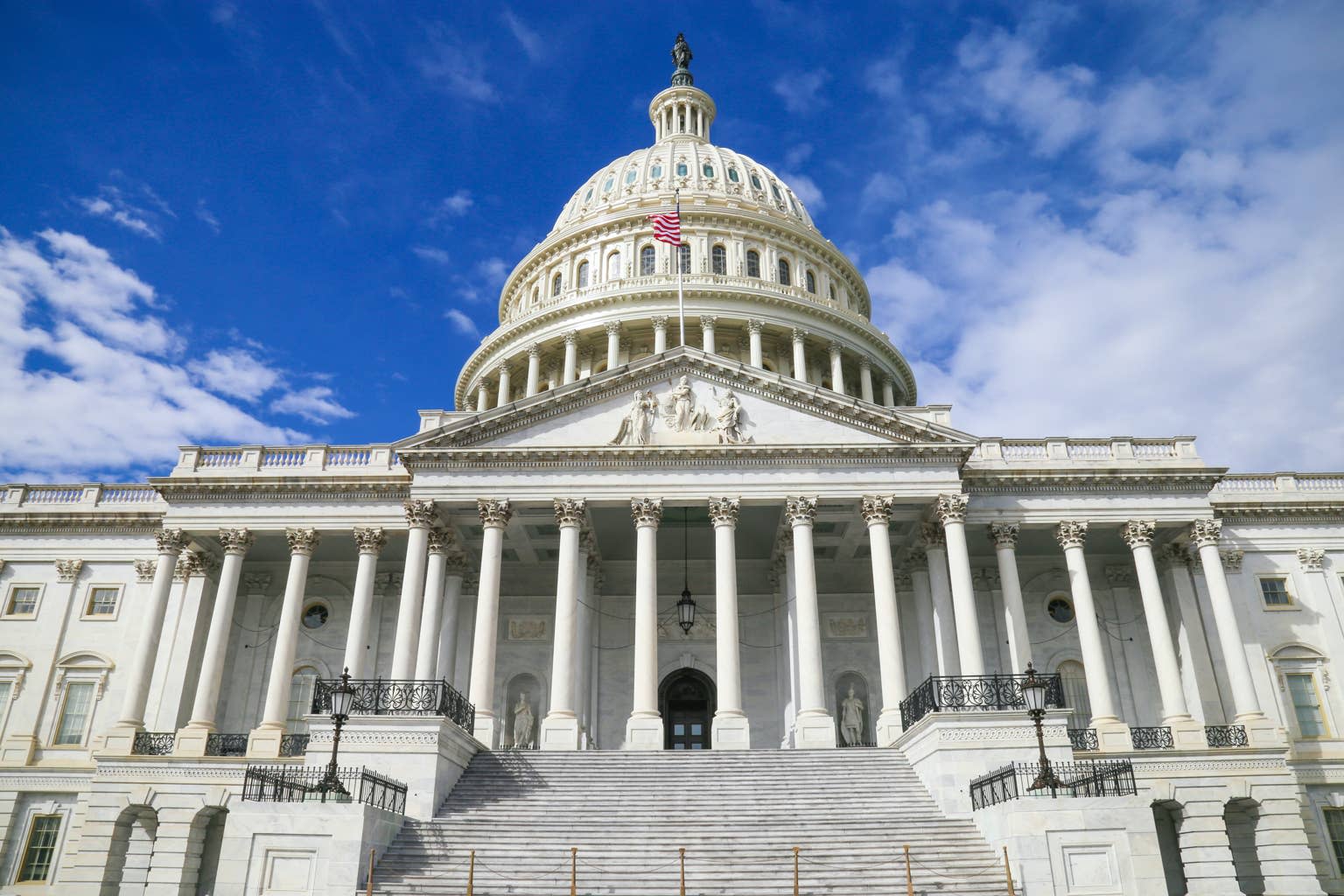
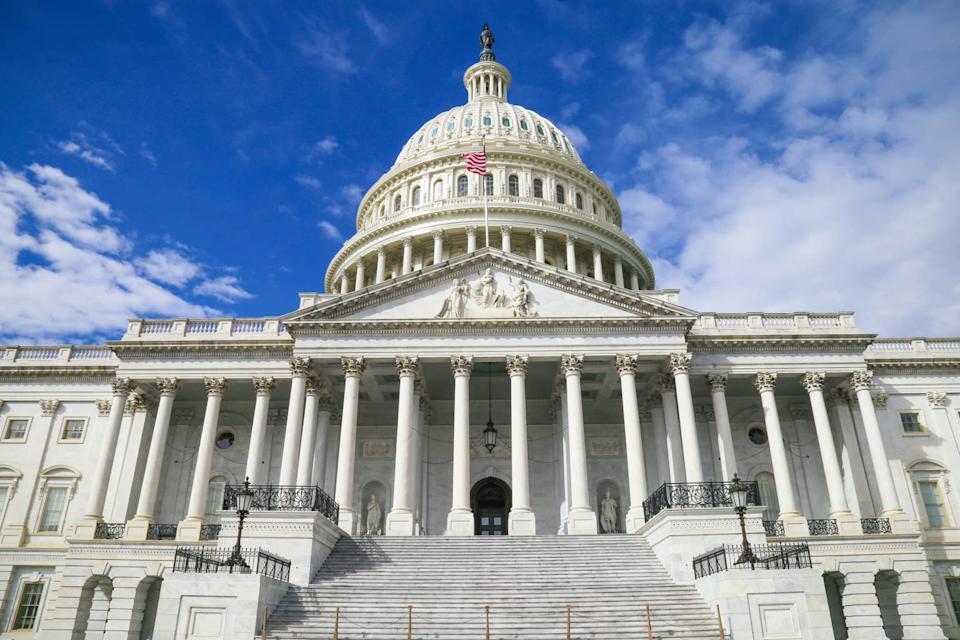
The House Ways and Means Committee is scheduled to hold a legislative hearing on June 9 to examine six digital asset tax bills and a separate discussion draft aimed at offshore crypto tax shelters.

The hearing is not a vote and does not immediately change tax law. Instead, lawmakers are set to hear testimony from industry and tax experts as they consider what could become one of the most significant overhauls of crypto taxation in the United States.

Witnesses include Fidelity vice president and senior tax counsel Sarah Reilly, Coinbase vice president of tax Lawrence Zlatkin, Coin Center policy director Jason Somensatto and NYU Tax Law Center deputy director Mike Kaercher.

The proposals will cover a wide range of issues, including reducing tax paperwork for digital asset users, creating new tax treatment for mining and staking, establishing tax parity with traditional financial assets, clarifying rules for crypto donations, creating a voluntary disclosure program for taxpayers and applying existing anti-abuse rules to digital assets.

Lawmakers are also going to review a separate proposal targeting offshore crypto tax shelters.

Bitcoin crash triggers billions in liquidations

Traders are pricing SpaceX 70% higher before its June 12 IPO

Popular tech stock surges after new data center announcement

If enacted, the changes could affect millions of Americans who buy, use, mine, stake or donate digital assets.

Current U.S. tax rules generally treat cryptocurrency as property rather than currency.

That means selling crypto can trigger capital gains taxes. Mining and staking rewards are typically treated as taxable income when received, and selling those assets later can create a second taxable event through capital gains calculations.

Industry groups have long argued that the framework creates excessive reporting burdens. Even small crypto purchases can technically generate taxable events, making everyday use difficult.

Supporters of reform say many of today's rules were developed before stablecoins, staking, crypto lending and other modern digital asset activities became widely adopted.

However, its important to note that the June 9 hearing will not immediately change taxes. Any proposal would still need to advance through Congress and be signed into law before taking effect.

Related: Major U.S. financial bill sees odds slashed to 60%

This story was originally published by TheStreet on Jun 9, 2026, where it first appeared in the MARKETS section. Add TheStreet as a Preferred Source by clicking here.
Comments
You must be logged in to comment.