yahoo Press
Iran war live updates: Israel launches major strike hours after Trump tells Netanyahu not to retaliate
Images
1 / 9
2 / 9

3 / 9

4 / 9

5 / 9
6 / 9

7 / 9

8 / 9

9 / 9
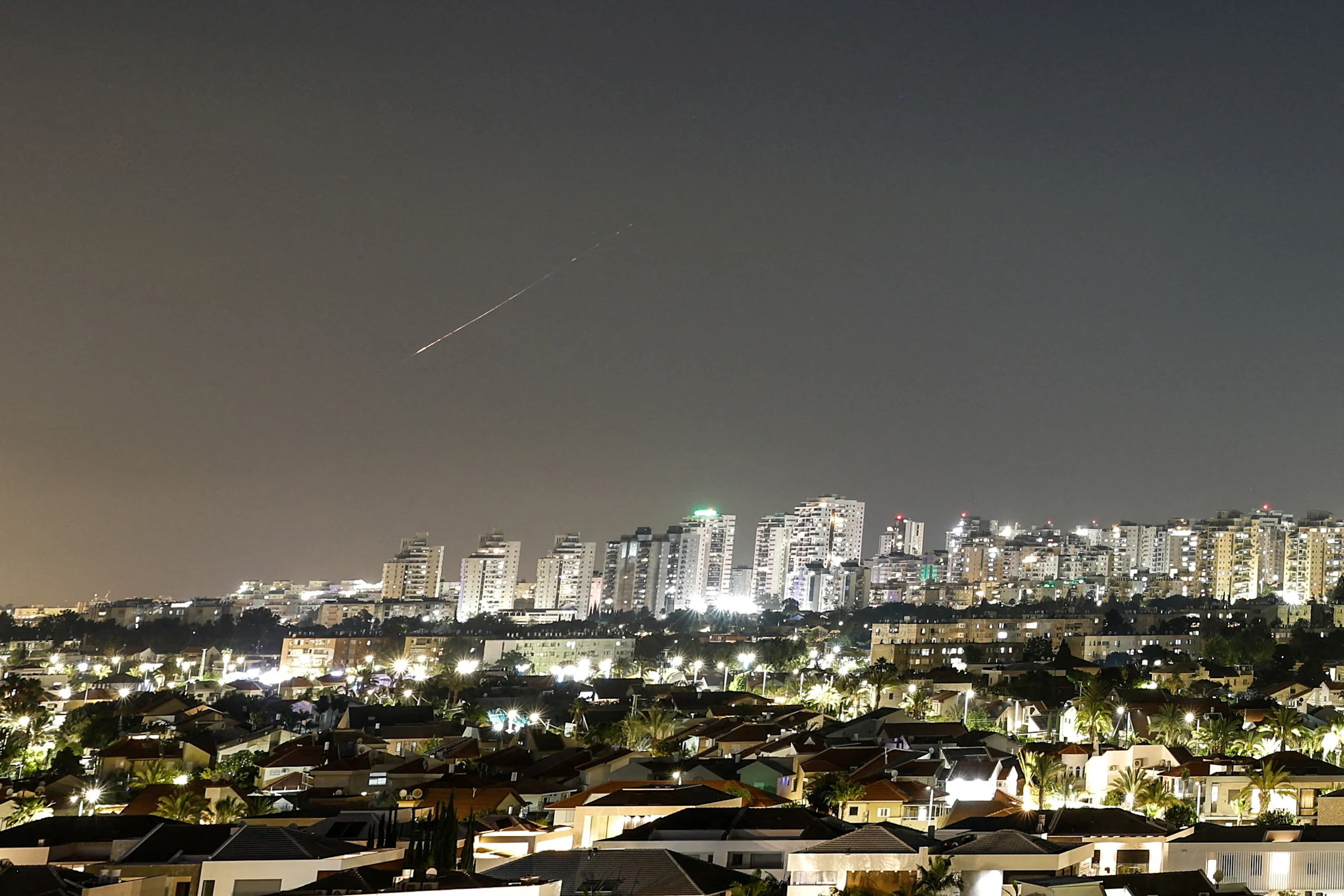
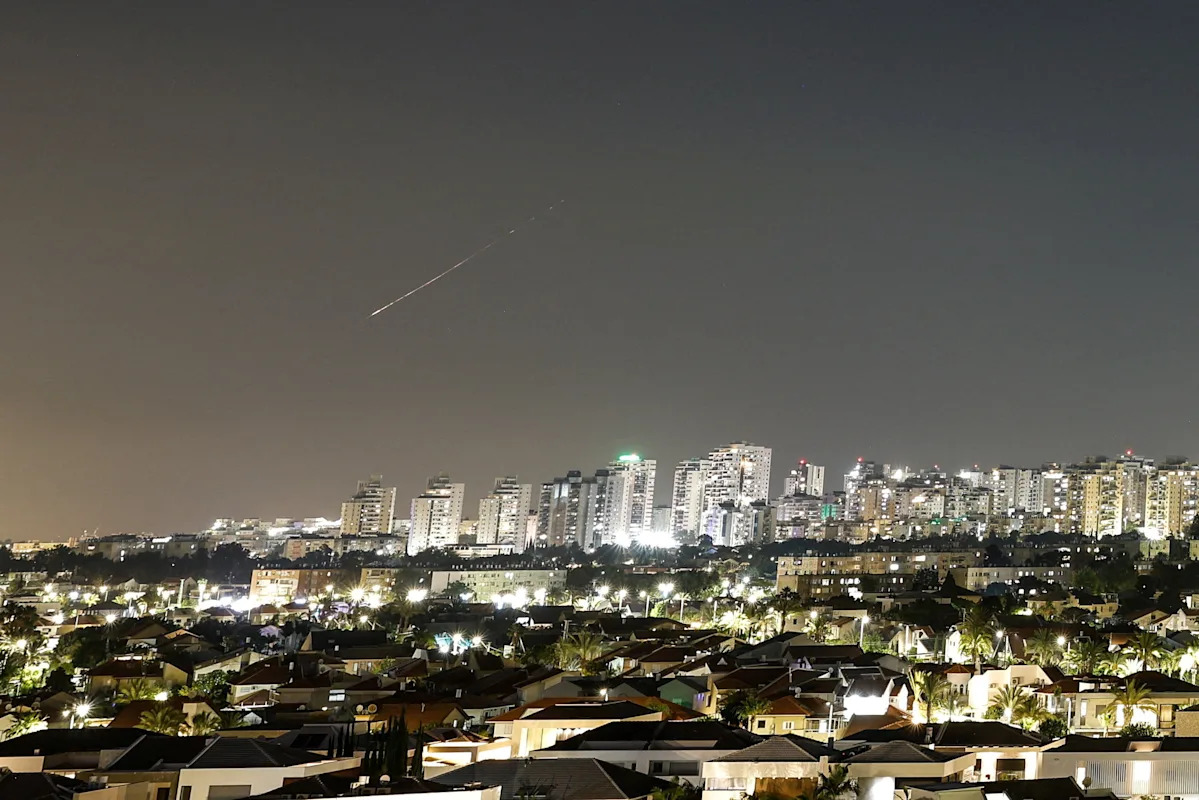
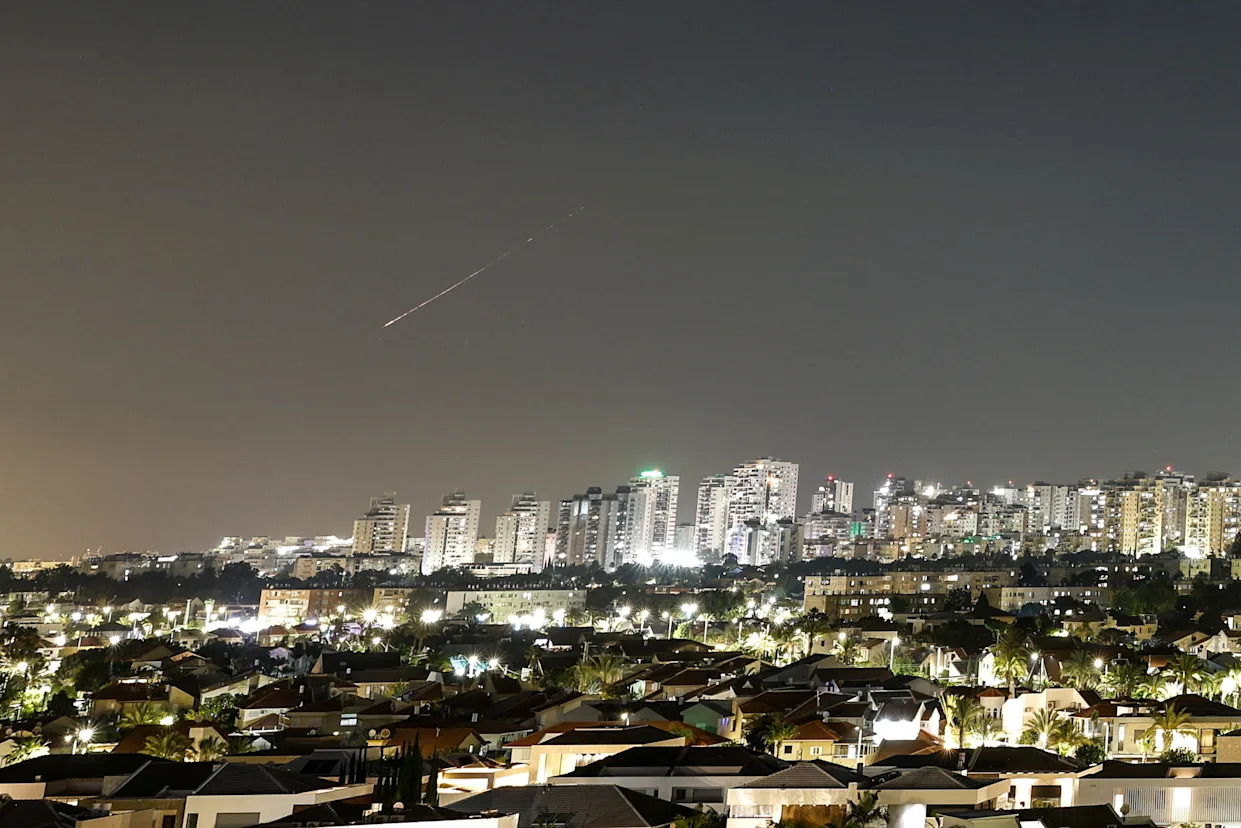
The tentative Middle East ceasefire teetered on Monday as Israel and Iran traded airstrikes in the biggest escalation in the crisis for weeks.

Israel launched airstrikes against Iran on Monday in response to missile fire from Tehran, despite US President Donald Trump reportedly telling Israeli Prime Minister Benjamin Netanyahu to refrain from further attacks.

Iran had launched its attacks — the first since a ceasefire in the wider war started in April — after Israel carried out airstrikes in Lebanon on Sunday. Tehran followed up with a further wave of strikes on Monday after Israel’s retaliation.

The Israeli strikes came hours after Trump told Axios in the wake of Iran’s initial retaliation: "I am going to call Bibi right now and tell him not to retaliate. Each of them had their fun. Israel had its strike, and Iran had its strike. We don't need another one.”

A senior U.S. official told the Associated Press that Trump had called Netanyahu to urge him not to retaliate and that he believed he had convinced Netanyahu to wait. Trump later told the Financial Times: "It’s not going to have any impact on the deal. I call the shots. I call all the shots. He [Netanyahu] doesn’t call the shots."

The exchange, which marks the biggest escalation between the two sides since a tentative ceasefire came into force on April 8, threatened to derail ongoing peace talks and drag the wider Middle East back into a full-scale regional war.

Iran’s Islamic Revolutionary Guard Corps said Tehran’s latest attack marked the “beginning of a full week of continuous strike,” while Yemen’s Houthi rebels also fired at Israel and warned they would target Israel-affiliated ships in the Red Sea, further escalating tension.

Follow the latest updates below.

The U.S. is responsible for the “consequences of any escalation” in the Middle East caused by Israel, an Iranian official said on Monday.

Iranian Foreign Ministry spokesman Esmail Baghaei made the comment in a briefing with journalists on Monday in Tehran, according to Reuters.

“No one believes that the Israeli regime would take any action without coordination with the United States,” Baghaei said. “The United States bears responsibility for the Israeli regime’s aggression, and it will also be responsible for the consequences of any escalation in tensions.”

Iran has said it targeted two military bases in Israel after Israel’s military claimed it hit a petrochemical complex in southwestern Iran.

Iran’s paramilitary Revolutionary Guard described the attack as being part of Operation Nasr, or “Victory.” The Guard said it retaliated after Israel targeted radar sites in three areas of Iran.

Good morning, and welcome to our coverage of the latest escalation in the Iran war.

Over the past 24 hours, the fragile ceasefire that had been in place since April 8 was rocked as Iran and Israel traded crossfire in the most serious escalation in the crisis for weeks.

Israel launched its strikes on central and western Iran early Monday in response to missile fire from Tehran, with Iran retaliating with waves of attacks - its first since April.

Tehran had warned of retaliation on Sunday after Israel struck Beirut without warning.

Hours earlier, Donald Trump said new strikes by Israel and Iran would not affect his administration's peace talks with Tehran, adding that Israeli Prime Minister Benjamin Netanyahu "doesn’t call the shots."

The Associated Press reported a senior U.S. official on Sunday saying Trump had called Israeli Prime Minister Benjamin Netanyahu to urge him not to retaliate immediately for the Iranian missile attack.
Comments
You must be logged in to comment.