yahoo Press
Iran war live updates: Iran halts strikes on Israel as Trump urges 'immediate' end to strikes
Images
1 / 18
2 / 18

3 / 18

4 / 18

5 / 18
6 / 18

7 / 18
8 / 18
9 / 18

10 / 18

11 / 18
12 / 18
13 / 18
14 / 18
15 / 18
16 / 18

17 / 18

18 / 18
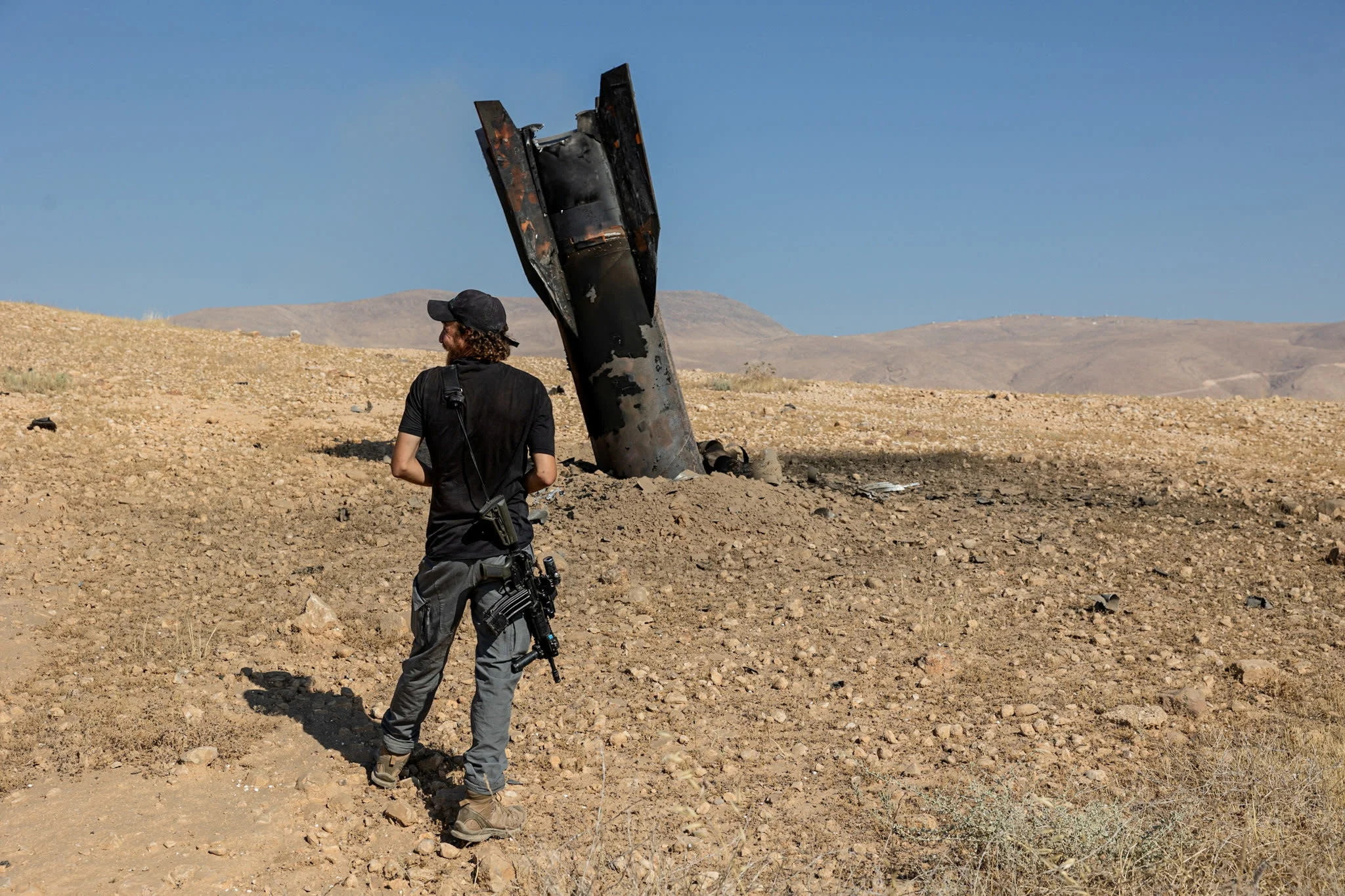
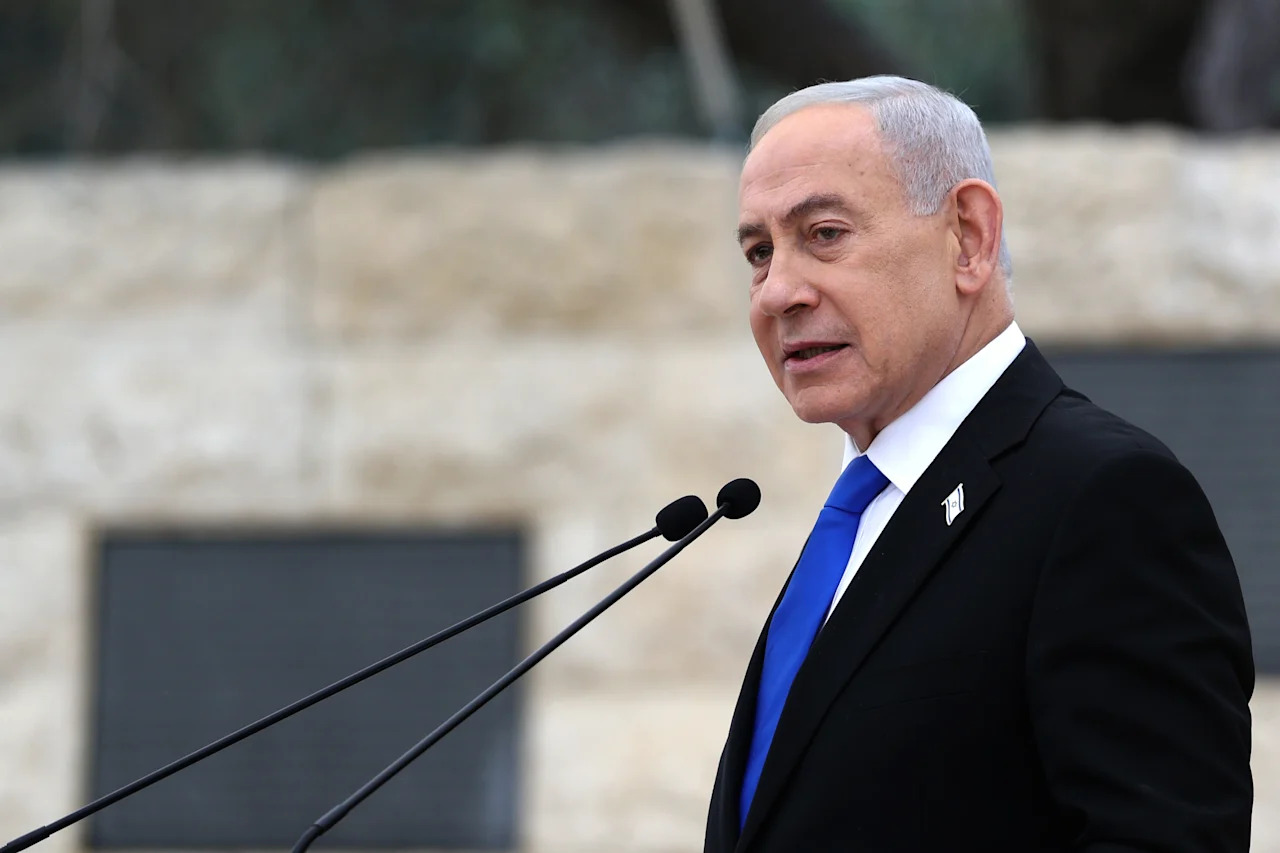
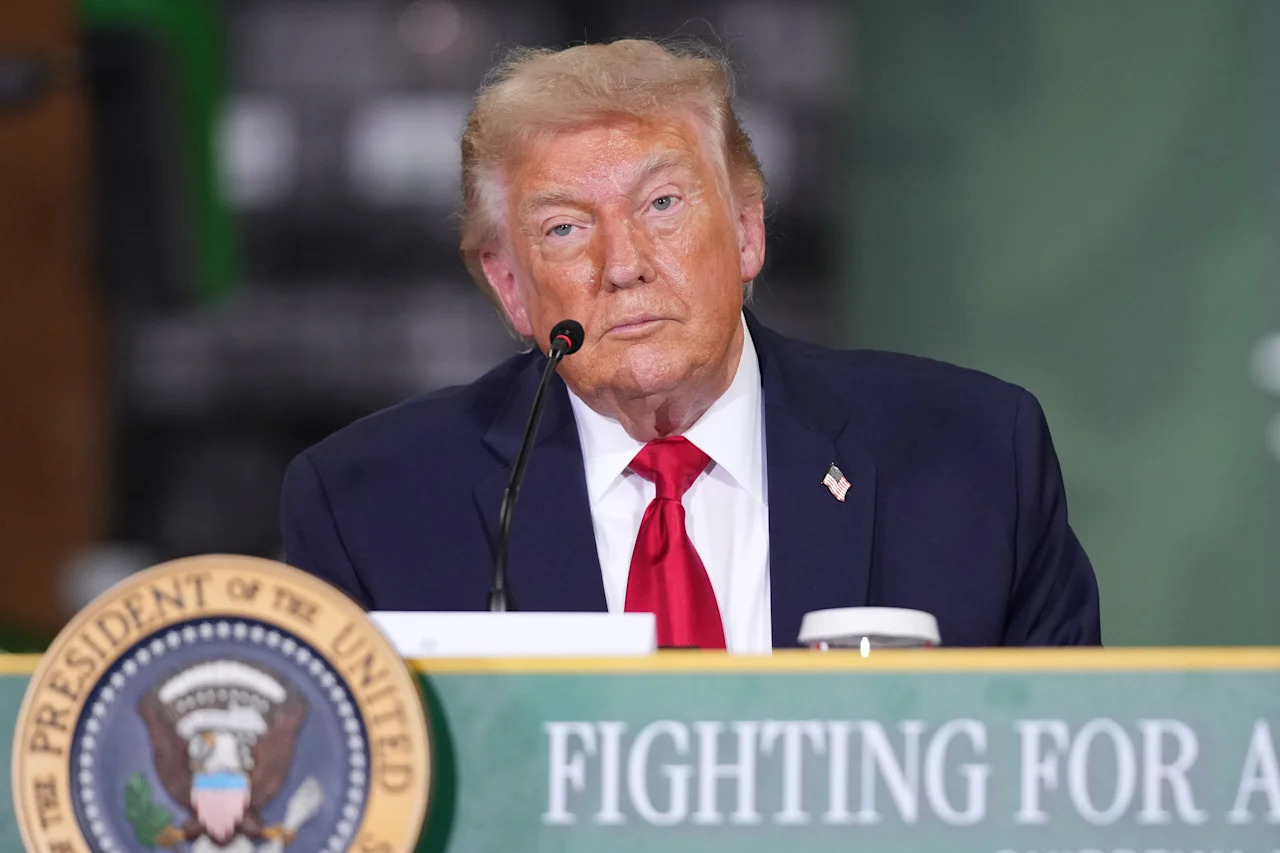
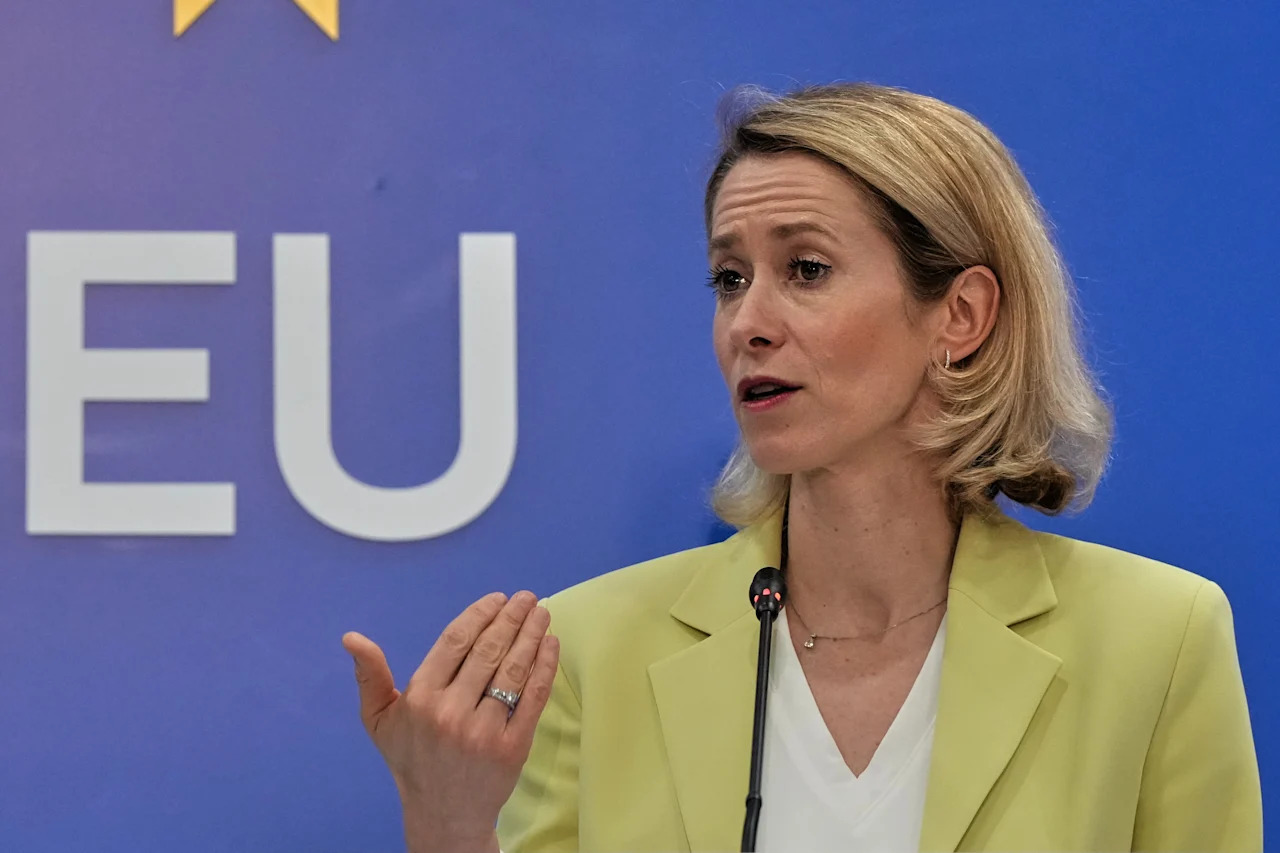
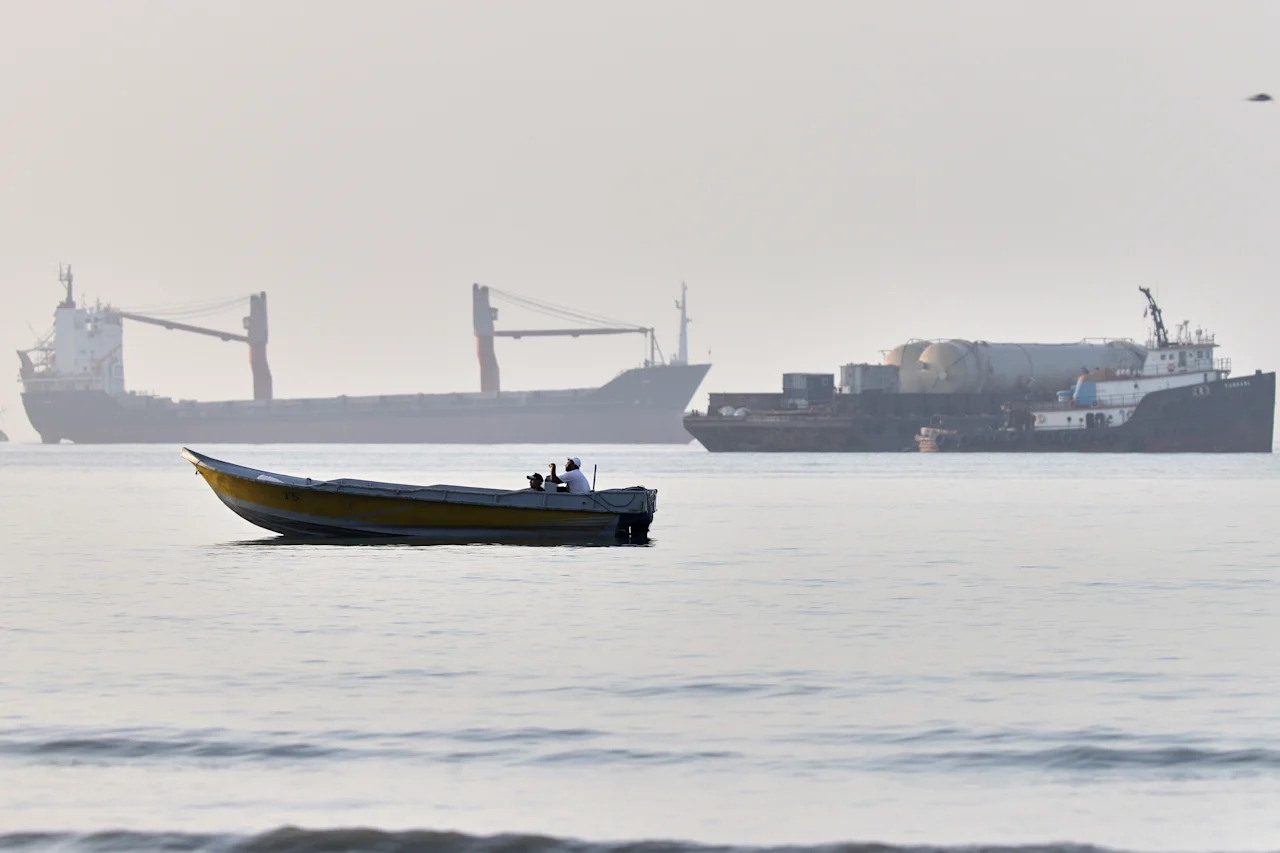
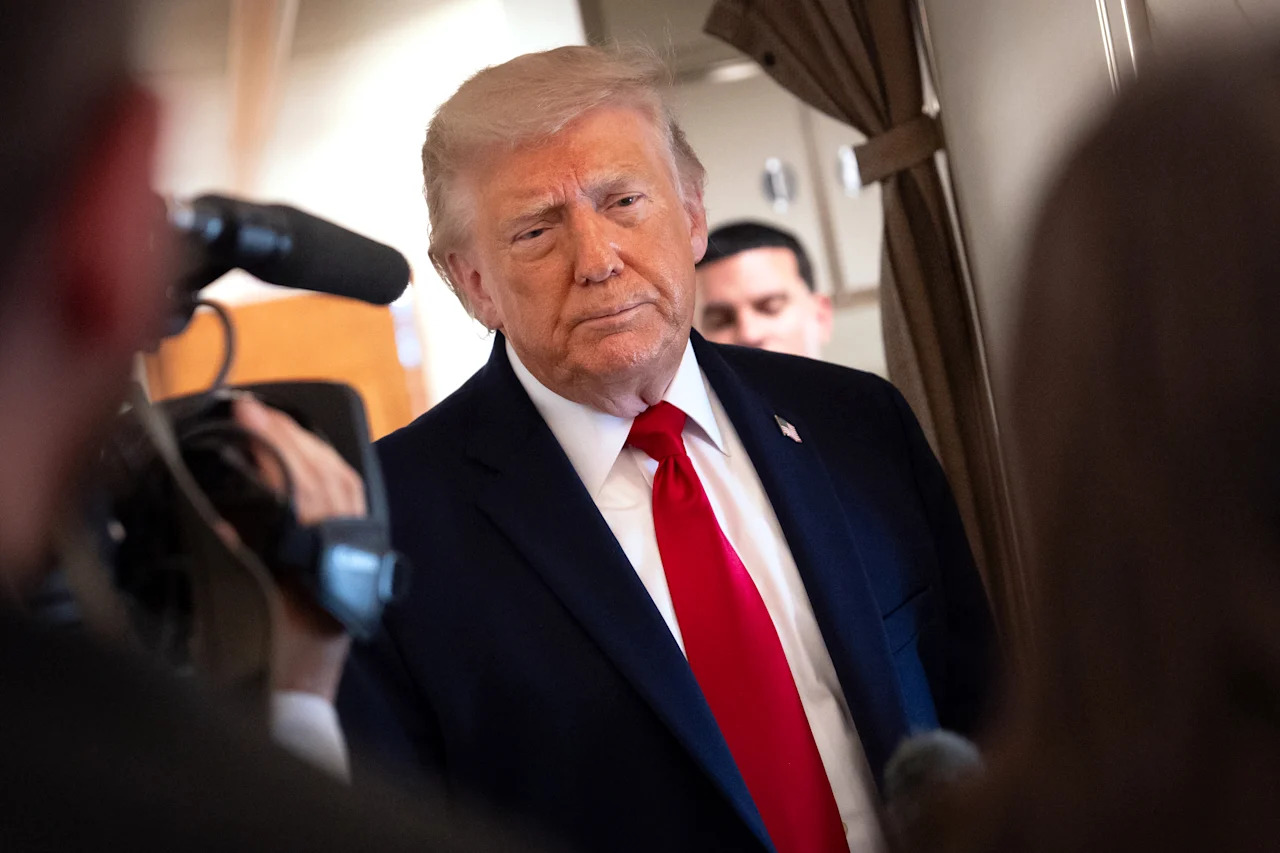
Israel and Iran have halted strikes against each other as a tentative Middle East ceasefire teetered on Monday, after both sides traded attacks in the biggest escalation in the crisis for weeks and President Trump called for an "immediate ceasefire." Israel launched airstrikes against Iran on Monday in response to missile fire from Tehran, despite Trump reportedly telling Israeli Prime Minister Benjamin Netanyahu to refrain from further attacks. Iran had launched the strikes after Israel carried out attacks in Lebanon on Sunday. Tehran followed up with a further wave of strikes on Monday after Israel's retaliation. In a statement, Iran's central military command said it had "delivered a painful response" and that Israel "and its supporters must learn a lesson" from the strikes. Netanyahu said in response that "the fire has been halted," but that Israel would respond "with force" if Iran attacked again. The Israeli strikes came hours after Trump told Axios in the wake of Iran's initial retaliation: "I am going to call Bibi right now and tell him not to retaliate. Each of them had their fun. Israel had its strike, and Iran had its strike. We don't need another one." A senior U.S. official told the Associated Press that Trump had called Netanyahu to urge him not to retaliate and that he believed he had convinced Netanyahu to wait. Trump later told the Financial Times: "It's not going to have any impact on the deal. I call the shots. I call all the shots. He [Netanyahu] doesn't call the shots." The exchange, which marks the biggest escalation between the two sides since a tentative ceasefire came into force on April 8, threatened to derail ongoing peace talks. On Monday, Trump said both sides must "immediately stop shooting" in a post on his Truth Social account. He added in a later post that both sides were looking to broker an "immediate ceasefire" and that "Final negotiations on 'Peace' are proceeding." Follow the latest updates below. All flights in Iran have been canceled after the closure of western Iranian airspace following Monday's missile attacks by Israel. Iran Airports and Air Navigation Company said in a statement that all flights in Iran had been canceled until further notice. Iran resumed some passenger flights in late April following the ceasefire agreement between Iran and the United States earlier that month. The only open airport is Mashhad International Airport, a joint civilian airport and military air base, which will remain open to facilitate the return of pilgrims from the hajj. Israel's leader Benjamin Netanyahu has said the country has "full right of self defense" after it traded airstrikes with Iran overnight. In a televised address, the prime minister said Iran and Hezbollah are "weaker than ever," but the war with them "has not yet ended." He said that in the event Iran attacks again, Israel will respond “with force." The Israeli prime minister's brief statement added that "right now, the fire has been halted." Netanyahu asserted Israel's right to self defense, "and I say this with appreciation and respect in my good conversations with my friend President Trump." A spokesperson from Iran's highest operational command, the National Security Council, said the entire region will become "hell" for the US and Israel if the conflict escalates. The comments follow President Trump saying on Saturday that Iran has 48 hours to make a deal or open the Strait of Hormuz, or "hell" will rain down on the country. In a message shared by the Iranian state's Mehr News Agency, the council's secretary Mohammad Bagher Zolghadr said people should "look elsewhere than Washington and Tel Aviv for a credible threat". President Trump called Israeli Prime Minister Benjamin Netanyahu on Sunday to urge him not to retaliate immediately for the Iranian missile attack, according to a senior U.S. official. Speaking to the Financial Times before the Israeli strikes on Iran, Trump insisted he dictated terms to Netanyahu on how the war should be prosecuted. "He won't have any choice," Trump told the newspaper in a telephone interview. "I call the shots. I call all the shots. [Netanyahu] doesn't call the shots." Israel has reportedly halted further offensive strikes, stopping attacks on Iran "at Trump's request," Israel's Channel 12 news outlet reported, citing a senior Israeli official. Iran's president has said that the nation has "not abandoned the field nor the negotiating table." Iran's military announced on Monday that its first wave of attacks on Israel since a ceasefire in April was now over, although it threatened to resume the strikes if Israel continued attacks on Lebanon. In a post on X, Iranian President Masoud Pezeshkian said: "Our priority is national security and the peace of our people. We will defend the rights of the nation with authority and will not retreat in the face of any threat. "Diplomacy and defense are the two wings of national power; we have neither abandoned the field nor the negotiating table. God willing, with unity and rationality, Iran will emerge triumphant from this trial as well," he added. Israel has reportedly halted strikes on Iran at the request of President Trump, a senior Israeli official said Monday. According to Reuters, the official added that Israel will renew attacks on Beirut if Hezbollah strikes on Israeli towns continue. The report to Israel's Channel 12 citing a senior Israeli official also said that Israeli strikes in southern Lebanon would continue at full strength in the coming days. Earlier on Monday, Iran said it was halting strikes on Israel, but warned it would resume attacks if Israel continued to strike Lebanon. Iran's attack against Israel is a response from which the country must "learn a lesson," its military command said. As part of its statement confirming it is halting its offensive operations against Israel, Iran's military command said more "crushing actions than before will follow" if Israel keeps on bombing both southern Lebanon and Iran. Iran's military announced on Monday that its first wave of attacks on Israel since a ceasefire in April was now over, although it threatened to resume the strikes if Israel continued attacks on Lebanon. There was no immediate response from Israel, which had launched attacks on Iran in retaliation after Tehran fired missiles late on Sunday, the first direct strikes between the foes since the ceasefire. Earlier, President Trump demanded that Israel and Iran immediately stop “shooting.” The European Union's foreign policy chief said the 27-member bloc approved sanctions against Iranian individuals and entities involved in disrupting transit through the Strait of Hormuz. Kaja Kallas said, after a meeting with EU defense ministers on Monday, that this is the first time the EU has applied a new freedom-of-navigation sanctions system, "and where necessary will apply it again." "Ministers were clear today that Iran's actions are unacceptable," Kallas said. Iranian military's joint command has said it is halting its offensive operations. Israel and Iran traded fire early on Monday in their first attacks since the U.S. struck a tentative ceasefire with Tehran two months ago. The Iranian joint command said that if Israel or its supporters carried out any further "aggression and hostile acts" then "much more severe and crushing measures than before will follow." Israel and Iran are looking to agree on an immediate ceasefire, Donald Trump has said, despite both sides trading renewed airstrikes. The president wrote on Truth Social that "final negotiations" were underway, "subject to ignorance or stupidity getting in its way." The full post said: "Both sides, Israel and Iran, are looking to do an immediate CEASEFIRE! Final negotiations on ‘Peace’ are proceeding, subject to ignorance or stupidity getting in its way. "The Blockade will remain in place, and in full force and effect, until a ‘Final Deal’ is reached. Things should move quickly. Thank you for your attention to this matter!" On Wednesday, Iran's foreign minister said messages were "still being exchanged" between Iran and the U.S., but that no tangible progress had been made. Iran has placed responsibility the U.S. for the latest exchanges of fire with Israel. Iran's ambassador to Moscow has said that the Strait of Hormuz will reopen but reiterated that it will be under new conditions set by Iran and Oman, including controversial plans for transit fees previously rejected by the United States. The strait, which carries roughly a quarter of global oil flows, has been closed since March 2, four days after the crisis escalated. Several tankers have managed to leave the Persian Gulf recently, but oil and liquefied natural gas flows are still severely constrained, Reuters reported. The disruption has caused significant challenges for the world's energy supply, as well as sharp price increases for oil and gas. The proposal to bring in tolls has faced strong opposition from the U.S.. In late May, the U.S. warned Oman not to get involved in any such proposals. Iran has asserted that a permanent peace deal should allow it to demand fees for ships passing through the strait. "Of course, this strait will be open, but with new conditions to be determined by the Iranian and Omani authorities," Ambassador Kazem Jalali told the Russian newspaper Izvestia. The Iran-backed militant group Hezbollah says it has joined the latest wave of escalatory strikes in the Middle East by firing a rocket barrage at a gathering of military vehicles on the outskirts of Beit Yahoun, in southern Lebanon. In an update on Telegram, the group said it had targeted a group of Israeli army vehicles and soldiers. It claimed the attack was in response to Israel's "violation of the ceasefire and its attacks on villages in southern Lebanon." On Sunday, Israel launched strikes on Hezbollah strongholds in the Beirut area for the first time since the U.S. announced a truce plan for Lebanon last week. Trump has recently urged Israel to pause strikes on Hezbollah to assist a deal to end the wider conflict with Iran. Donald Trump has called for an end to the escalating conflict between Israel and Iran. In a post on Truth Social, the president wrote that “Israel and Iran must immediately stop 'shooting.'" Trump reiterated his support for the fragile ceasefire today after telling a number of media outlets on Sunday that he had urged Prime Minister Benjamin Netanyahu not to retaliate immediately to the Iranian missile attack. President Trump had called Israeli Prime Minister Benjamin Netanyahu to urge him not to retaliate immediately for the Iranian missile attack, according to a senior U.S. official. The official, who spoke on condition of anonymity to describe a private phone call, said on Sunday that Trump believed he had convinced Netanyahu to wait. Trump earlier told a Fox News Channel reporter he wanted the Iranians to stop firing missiles and return to the negotiating table. He also stated that Israel's strikes in Lebanon earlier Sunday were not coordinated with the U.S., and said: "I'm not happy about it." Speaking to The Financial Times before the Israeli strikes on Iran, Trump insisted he dictated terms to Netanyahu on how the war should be prosecuted. "He won't have any choice," Trump told the newspaper in a telephone interview. "I call the shots. I call all the shots. He [Netanyahu] doesn't call the shots." Two regional officials said on Monday that concerted diplomatic efforts were underway to salvage the ceasefire between Iran and the U.S. following the exchange of strikes between Israel and Iran. Officials from Egypt, Saudi Arabia, Turkey, Pakistan and Qatar, have urged the U.S. administration to pressure Israel to rein in its strikes on Iran and Beirut. They have also urged Iranian officials to stop attacks on Israel, they said. Both officials spoke on condition of anonymity because they were not authorized to speak to reporters. One of the officials, who is involved in mediation efforts between Iran and the U.S., said the Pakistan-led mediators were furious about the Israeli strike on Beirut's southern suburbs, which came while Pakistan's interior minister was in Tehran in a fresh bid to push U.S.-Iranian negotiations forward. Yemen's Iran-aligned Houthis claimed responsibility for the first missile attack on Israel since the ceasefire and said they would block Israel's maritime navigation in the Red Sea. In a statement, the Houthis said there was a "complete and total ban on Israeli maritime navigation in the Red Sea, and we consider all enemy movements to be legitimate military targets," The Times of Israel reported. Israel said Monday that it hit a petrochemical plant in Iran's southwest, alongside strikes elsewhere on military targets, after President Trump reportedly told Israeli Prime Minister Benjamin Netanyahu to refrain from further attacks, Reuters reported. In the first hit on an energy site inside Iran since the April 8 ceasefire, Israel said it struck targets at the Mahshahr petrochemical complex, while a provincial official told Iran's semi-official Fars news agency parts of the plant were damaged. The fresh strikes between Israel and Iran saw oil prices jump more than $4 on Monday. Brent crude futures rose $4.42 or 4.47% to $97.15 a barrel at 1 a.m. ET, while U.S. crude futures were up $4.07 or 4.50% at $94.61 per barrel. Monday's gains erased Friday's losses, when prices had fallen amid hope of a deescalation in the conflict. Oil prices have climbed just under 60% since the start of the war in February, but remain below the highs experienced in March at the peak of the crisis, when Brent reached nearly $120 per barrel. Tehran continues to block most shipping through the Strait of Hormuz, a key supply route that carries a fifth of the world's crude oil and liquefied natural gas. The U.S. is responsible for the "consequences of any escalation" in the Middle East caused by Israel, an Iranian official said on Monday. Iranian Foreign Ministry spokesman Esmail Baghaei made the comment in a briefing with journalists on Monday in Tehran, according to Reuters. "No one believes that the Israeli regime would take any action without coordination with the United States," Baghaei said. "The United States bears responsibility for the Israeli regime's aggression, and it will also be responsible for the consequences of any escalation in tensions." Iran has said it targeted two military bases in Israel after Israel's military claimed it hit a petrochemical complex in southwestern Iran. Iran's paramilitary Revolutionary Guard described the attack as being part of Operation Nasr, or "Victory." The Guard said it retaliated after Israel targeted radar sites in three areas of Iran.
Comments
You must be logged in to comment.