yahoo Press
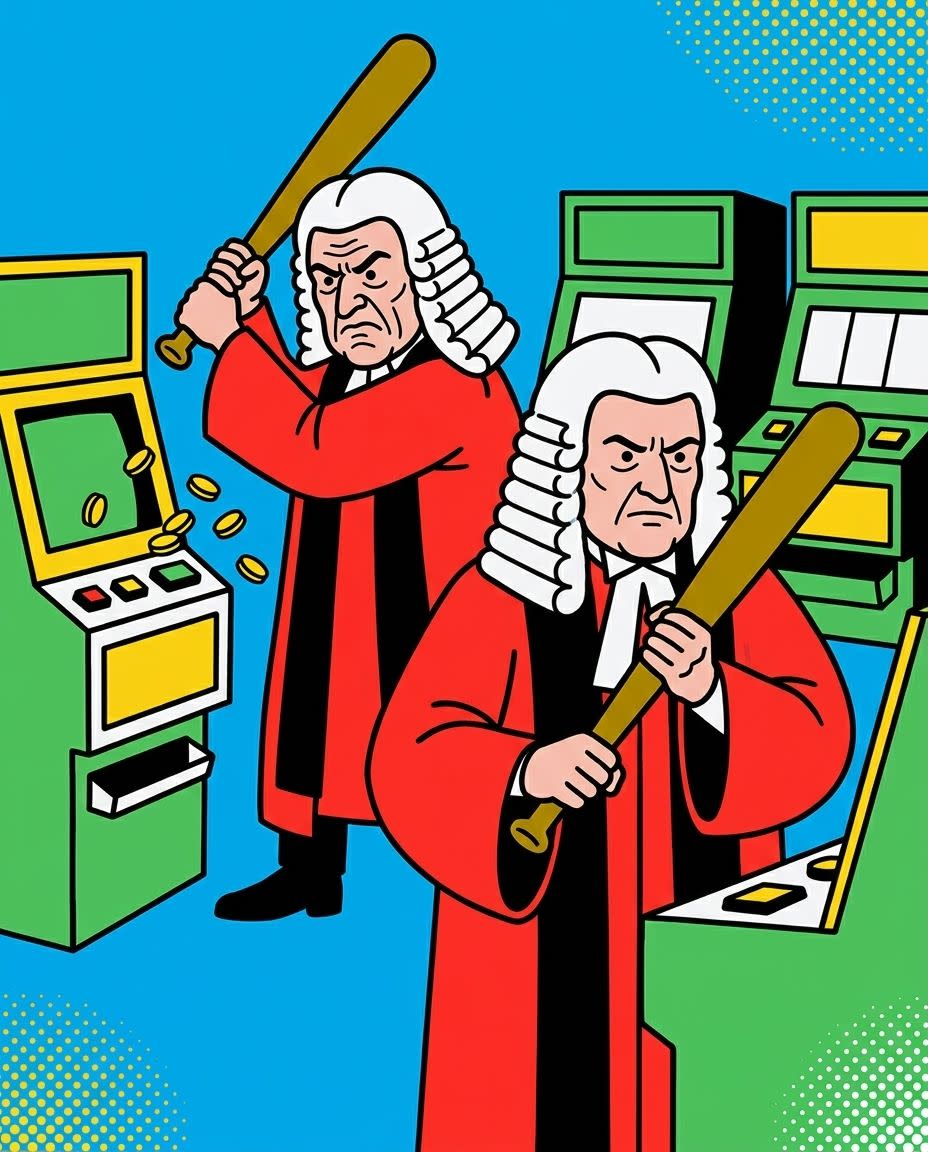
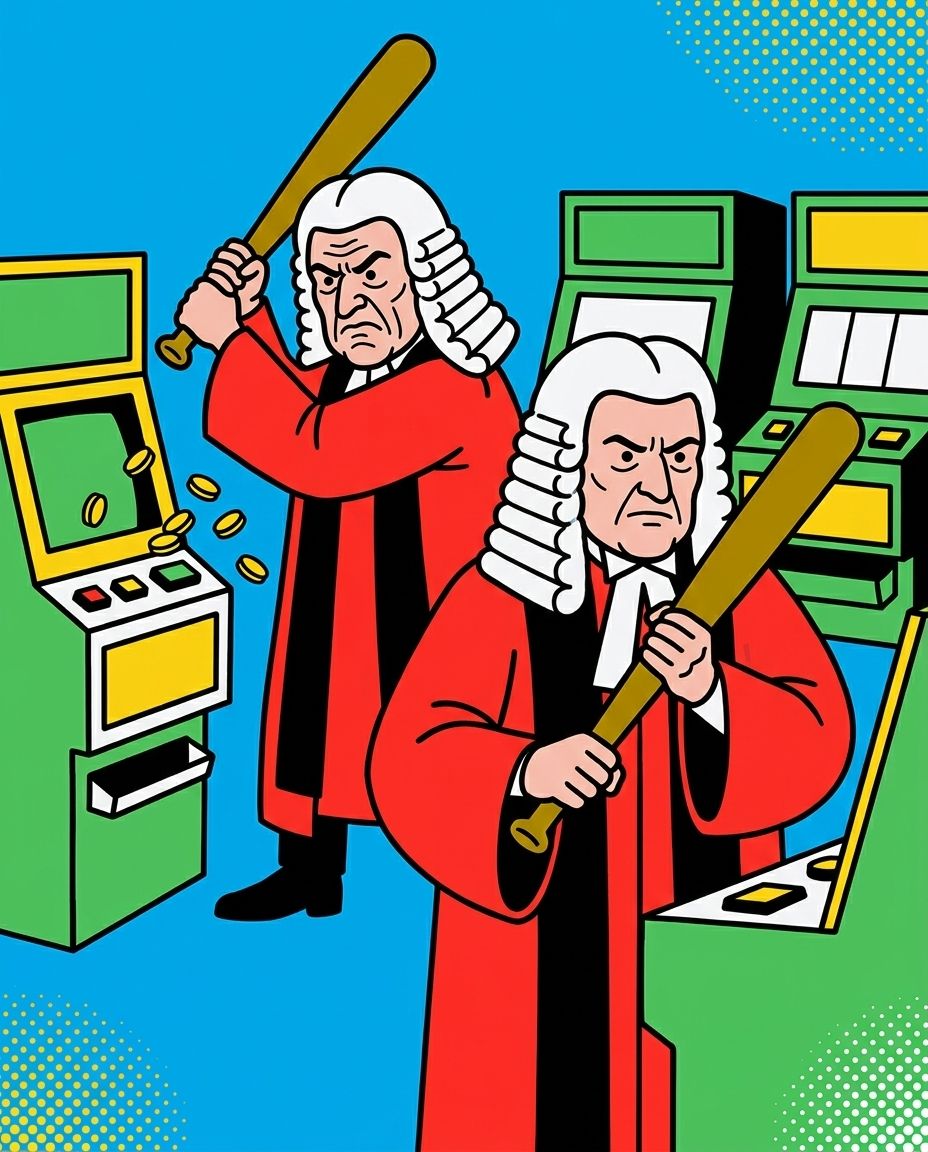
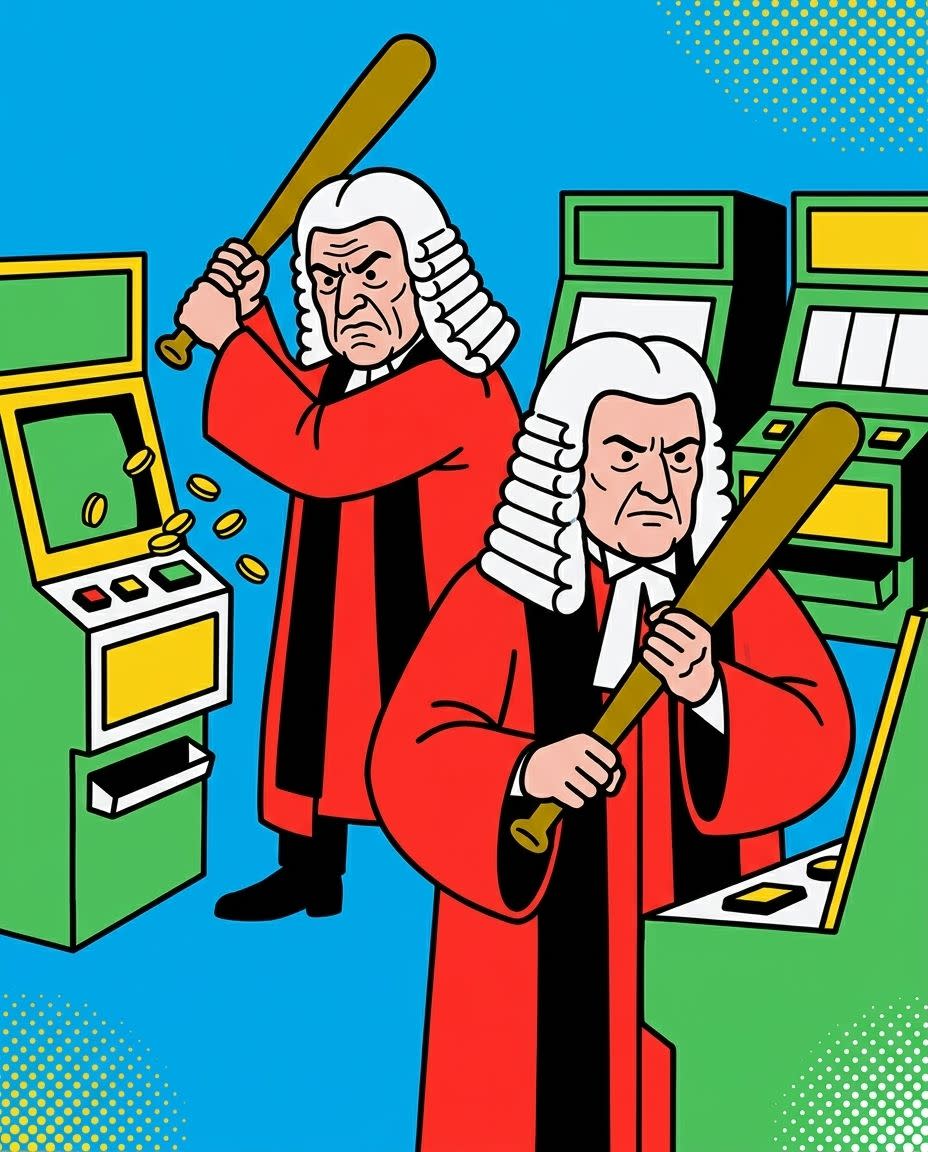
Britain's Gambling Crackdown Just Triggered a Corporate Bailout
Images
1 / 5
2 / 5

3 / 5
4 / 5

5 / 5
The above button links to Coinbase. Yahoo Finance is not a broker-dealer or investment adviser and does not offer securities or cryptocurrencies for sale or facilitate trading. Coinbase pays us for certain activity generated through this link. Prices displayed are informational.

Our analysts just identified a stock with the potential to be the next Nvidia. Tell us how you invest and we'll show you why it's our #1 pick. Tap here.

Evoke PLC, a gaming company, has officially thrown in the towel on its standalone strategy, agreeing to a £243.1 million (about $326.4 million) takeover by Athens-listed gaming giant Bally’s Intralot. The all-stock transaction, which offers a partial cash alternative, values the owner of iconic British betting brands William Hill and 888 at 52p per share.

The agreed terms represent a vital escape hatch for Evoke, whose balance sheet has been completely crushed by a mountain of legacy debt and a dramatic, government-mandated doubling of U.K. remote gambling taxes.

The multi-month corporate chess match between Gibraltar-headquartered Evoke and Bally’s Intralot culminated in a definitive merger agreement on Friday morning. The Athens-listed gaming group, controlled by US-based private equity firm Providence through Rhode Island's Bally’s Corp, had been aggressively circling Evoke since April. Evoke’s board unanimously recommended the 52p-per-share offer after previously batting away five lower, non-binding proposals that commenced at an indicative floor of just 32p.

The transaction structure offers Evoke investors 0.537 of a new Intralot share for each share held, with the enlarged entity maintaining its primary listing on Euronext Athens. Alternatively, shareholders can elect for a cash payout capped at an aggregate pool of £117.1 million, backed by a comprehensive bridge facility arranged through Deutsche Bank and Jefferies. The announcement triggered a sharp relief rally, driving Evoke’s London-listed shares up 14% to touch an eight-month high of 45.8p.

The deal is anchored by a massive institutional debt restructuring mechanism. A heavyweight private lending consortium led by TPG Credit, alongside Oaktree Capital Management and OHA, has formally stepped into the transaction architecture. The credit groups have committed roughly £889 million in fresh capital to entirely refinance Evoke’s toxic, near-term debt obligations, providing the combined entity with the immediate financial flexibility required to execute its integration plan.

This takeover is a direct consequence of a highly aggressive, unexpected regulatory intervention by the British Treasury.

One stock. Nvidia-level potential. 30M+ investors trust Moby to find it first. Get the pick. Tap here.

Back in November, the U.K. government fundamentally reset the domestic online gambling landscape by announcing a dramatic expansion of remote gaming duty, ratcheting the tax rate from 21% up to a punitive 40%. Scheduled hikes on online sports betting from 15% to 25% are set to follow in April 2027. For a high-volume, margin-dependent operator like Evoke, this aggressive fiscal grab translated into an immediate operational nightmare. CEO Per Widerström warned that the structural tax shift would drain up to £135 million a year from the company's bottom line, rendering its medium-term financial targets entirely obsolete.

The timing of the tax hike caught Evoke in a position of extreme structural vulnerability. Back in 2022, the company—then operating under the 888 Holdings banner—executed a massive, highly leveraged £2.2 billion acquisition to buy William Hill’s U.K. bookmaking business from Caesars Entertainment. The transaction saddled the group with a staggering £1.86 billion net debt pile right at the historical inflection point where global interest rates skyrocketed.

Trapped in a capital straitjacket and crushed by rising interest costs, management had already begun executing an aggressive internal retrenchment program, outlining plans to permanently shutter 200 high street betting shops across the United Kingdom. By merging with Bally's Intralot, the founding Shaked family — which still controls a dominant 19.2% slice of the equity — is choosing to dilute its ownership into a diversified global entity rather than watch its legacy asset face structural liquidation on the public London market.

Bally’s Intralot is treating the U.K.’s current regulatory dislocation as a prime consolidation opportunity. Intralot already operates high-margin lottery and technological infrastructure across 12 US states and multiple global jurisdictions. By absorbing Evoke’s elite brand equity, the combined group aims to extract over £180 million in annualized pre-tax cost and capital expenditure synergies by the end of the second year.

The operational scale shifts the group's proforma adjusted EBITDA margin from Evoke's strained 20% baseline up to a highly resilient 27%. For private equity backers, the target is clear: build a cross-border, multi-jurisdictional powerhouse that can seamlessly hedge against localized regulatory shocks, leaving localized UK operators entirely exposed to the domestic tax squeeze.

The formal acquisition roadmap is scheduled to navigate a binding vote of Evoke shareholders, with the closing sequence expected to cross the finish line in the final quarter of 2026. The Shaked family has already signed irrevocable undertakings covering 29.1% of the shares, giving the deal substantial structural momentum.

Over the summer, the primary operational variable to monitor will be the execution velocity of the William Hill retail branch closures. Management must wind down those brick-and-mortar leases rapidly to prevent additional cash leakage before the final capital handover. If the merger faces any unexpected execution delays in Brussels or Washington, the bridge facility's high interest carrying costs will squeeze remaining public equity holders, meaning that for Evoke, a rapid fourth-quarter exit to Athens is the only viable path to corporate survival.
Comments
You must be logged in to comment.