yahoo Press
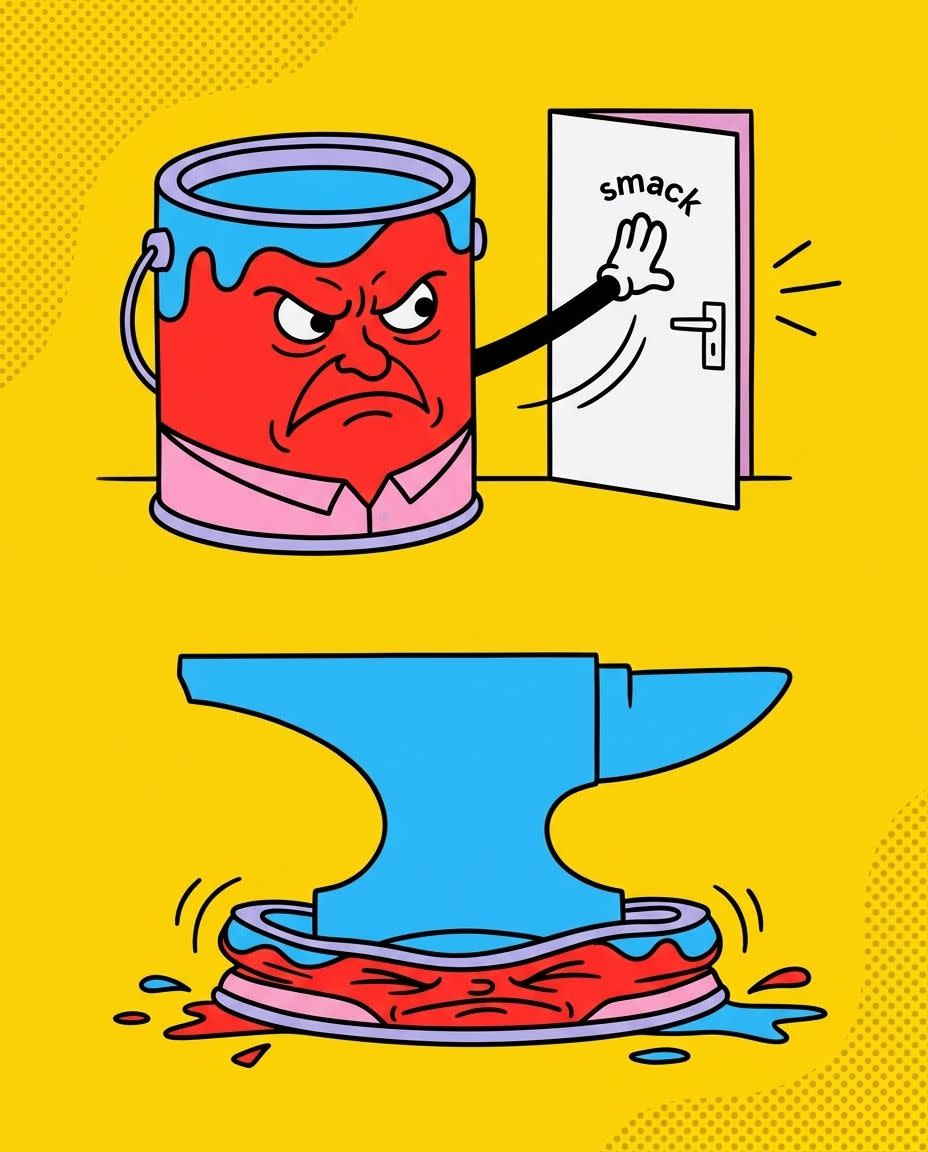
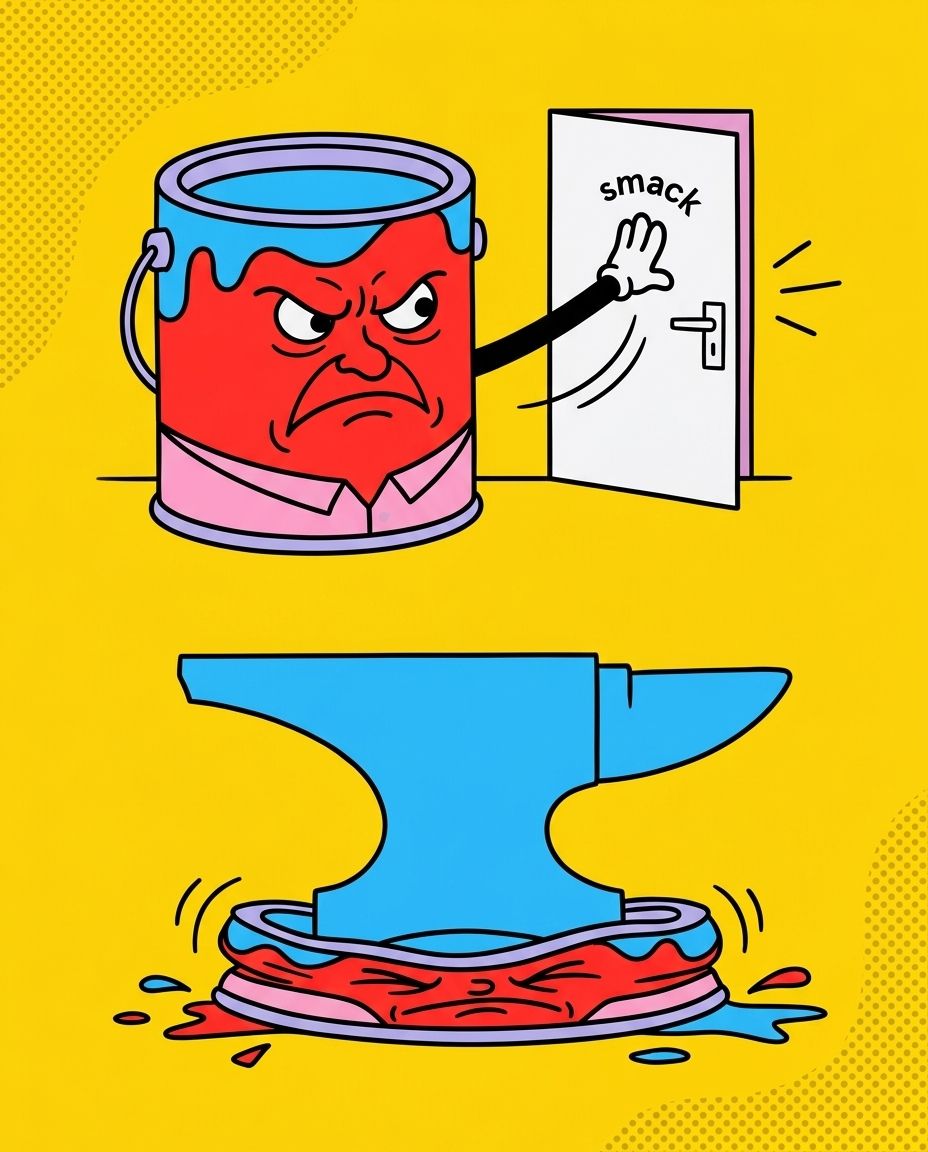
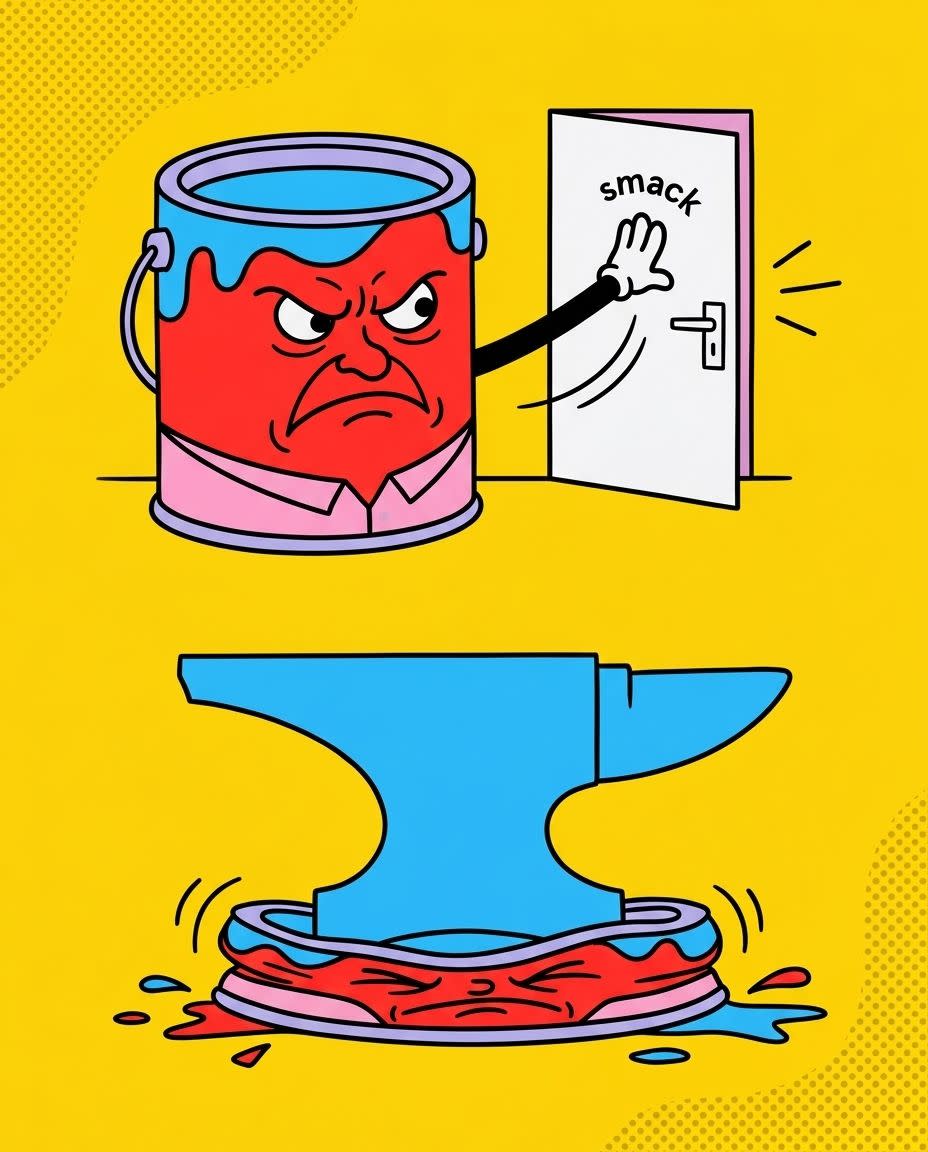
AkzoNobel Slammed the Door on a Buyout and Got Crushed
Images
1 / 5
2 / 5

3 / 5
4 / 5

5 / 5
The above button links to Coinbase. Yahoo Finance is not a broker-dealer or investment adviser and does not offer securities or cryptocurrencies for sale or facilitate trading. Coinbase pays us for certain activity generated through this link. Prices displayed are informational.

Our analysts just identified a stock with the potential to be the next Nvidia. Tell us how you invest and we'll show you why it's our #1 pick. Tap here.

AkzoNobel, a Dutch multinational paint company, suffered the worst single-day trading collapse in its corporate history on Wednesday, with its shares plunging 19% in Amsterdam. The violent sell-off was triggered after Japan’s Nippon Paint Holdings and American heavyweight The Sherwin-Williams Company released a joint statement confirming they have permanently terminated their hostile, multi-billion-euro pursuit of the company.

AkzoNobel’s board had summarily rejected their €12.5 billion (about $14.5 billion) all-cash alternative, choosing instead to protect its pre-existing $25 billion merger-of-equals agreement with U.S. competitor Axalta Coating Systems.

The high-stakes corporate standoff reached a sudden end on Wednesday morning. Nippon Paint and Sherwin-Williams had teamed up to bypass AkzoNobel's defensive perimeter, presenting a joint cash offer of €73 per share. Under the mechanics of the proposed carve-up, Nippon Paint would have assumed control of AkzoNobel’s core decorative paints and industrial coatings operations, while simultaneously offloading its automotive, marine, and powder coatings divisions straight to Sherwin-Williams.

AkzoNobel’s management and supervisory boards flatly refused to engage with the consortium, throwing out the non-binding approach last week. The boards argued that a €73 headline price severely undervalued the intrinsic worth and long-term prospects of the Dulux manufacturer. They also cited severe execution risks, warning that a complex regulatory clearance process and a messy subsequent asset separation between the Japanese and American buyers would paralyze the company's day-to-day operations.

Following the formal withdrawal of the bid, speculative investors rushed for the exits. AkzoNobel shares suffered a sharp, post-halt collapse to close at €53.74, anchoring the stock at the absolute bottom of Europe’s STOXX 600 index and wiping out all the speculative gains built up since the initial overtures in March. In response to the market bloodbath, AkzoNobel immediately issued a statement unanimously reaffirming its absolute commitment to its pending merger with Axalta Coating Systems, which is scheduled for a definitive shareholder vote in early July.

This failed acquisition is a clear indicator of a massive consolidation scramble sweeping across the global chemical and materials sectors. Paint manufacturers are facing extreme operational pressures, caught in a pincers between escalating raw material costs and the structural supply chain uncertainty triggered by the Trump administration's aggressive import tariffs. Building corporate scale has evolved from a growth strategy into an absolute survival necessity.

One stock. Nvidia-level potential. 30M+ investors trust Moby to find it first. Get the pick. Tap here.

AkzoNobel’s board is gambling its entire corporate future on the thesis that internal integration synergies yield far greater long-term wealth than an immediate, private equity style buyout. The planned merger with Axalta is engineered to create a global coatings titan with a combined enterprise value of $25 billion, led by AkzoNobel CEO Greg Poux-Guillaume. Under the terms of the all-stock exchange, Axalta shareholders will receive 0.6539 AkzoNobel shares for each share they hold, leaving AkzoNobel equity holders with a dominant 55% controlling stake in the combined New York-listed entity.

Financial analysts at Barclays point out that the arithmetic behind the board's defense is fundamentally sound. The Axalta combination is projected to unlock a staggering $600 million in annual cost savings, with the vast majority of those efficiencies scheduled to be fully realized within the first three years. If management executes this roadmap flawlessly, the net present value delivered to shareholders will comfortably exceed the rejected €73 cash bid.

However, the aggressive rejection of the consortium has exposed massive near-term structural vulnerabilities. Buyout specialists at Bernstein note that the €73 bid was simply too low to force AkzoNobel to the negotiating table, estimating that the Nippon-Sherwin alliance would have needed to fork over at least €78 per share to trigger mandatory board compliance.

Yet, the suitors were facing their own severe credit constraints; Moody’s warned that pushing the price any higher would have severely threatened Sherwin-Williams’ investment-grade rating, given that its slice of the acquisition was slated to be funded almost entirely through expensive, floating-rate debt. With both suitors heavily leveraged and uncomfortable taking on more high-interest exposure in a volatile macro environment, they chose to pack up and walk away, leaving AkzoNobel to face a highly skeptical public market entirely on its own.

The immediate flashpoint for the stock lands in early July, when AkzoNobel convenes its extraordinary general meeting for the formal shareholder vote on the Axalta merger. Institutional asset managers, still smarting from Wednesday's 19% capital destruction, will grill Poux-Guillaume on whether his $600 million synergy targets are a realistic financial projection or just defensive window dressing designed to protect boardroom seats.

If the shareholder vote passes on schedule, the combined entity will transition its primary listing to the New York Stock Exchange, with closing expected between late 2026 and early 2027 pending final antitrust clearances in Brussels and Washington. However, by rejecting a clean cash exit, AkzoNobel has effectively signaled to the wider market that it is officially in play. If the execution of the Axalta merger experiences even a minor operational delay over the summer, a less debt-constrained predator like Pittsburgh-based PPG Industries could easily emerge to launch a fresh, hostile intervention before the winter sets in.
Comments
You must be logged in to comment.