foxnews Press
What to do if someone is having a stroke, after Jill Biden revealed debate-night fears
Images
1 / 20

2 / 20
3 / 20

4 / 20

5 / 20
6 / 20
7 / 20

8 / 20

9 / 20
10 / 20

11 / 20

12 / 20

13 / 20

14 / 20

15 / 20

16 / 20

17 / 20
18 / 20

19 / 20

20 / 20
Former first lady Jill Biden revises her account of former President Joe Biden's disastrous 2024 debate, now alleging she feared he was suffering a stroke. This new statement from the first lady contrasts sharply with her earlier public affirmations of his performance. Contributor Ben Domenech scrutinizes the timing and motivations behind this sudden shift.

Former first lady Jill Biden has expressed her concerns about former President Joe Biden’s health status, noting that she feared he was having a stroke during a 2024 debate against President Donald Trump.

Biden struggled his way through the performance, with long periods of silence, confused facial expressions and stammered speech. In a recent interview with CBS, Jill Biden commented that she was "frightened."

"I don't know what happened," she said. "I mean, when I watched it, I thought, ‘Oh my God, he's having a stroke,’ and it scared me to death."

JILL BIDEN SAYS SHE THOUGHT JOE WAS HAVING A STROKE DURING HIS DISASTROUS 2024 DEBATE PERFORMANCE

A stroke occurs when there is bleeding in the brain or when blood flow to the brain is blocked, according to Mayo Clinic.

Identifying a stroke may be difficult, as symptoms can vary.

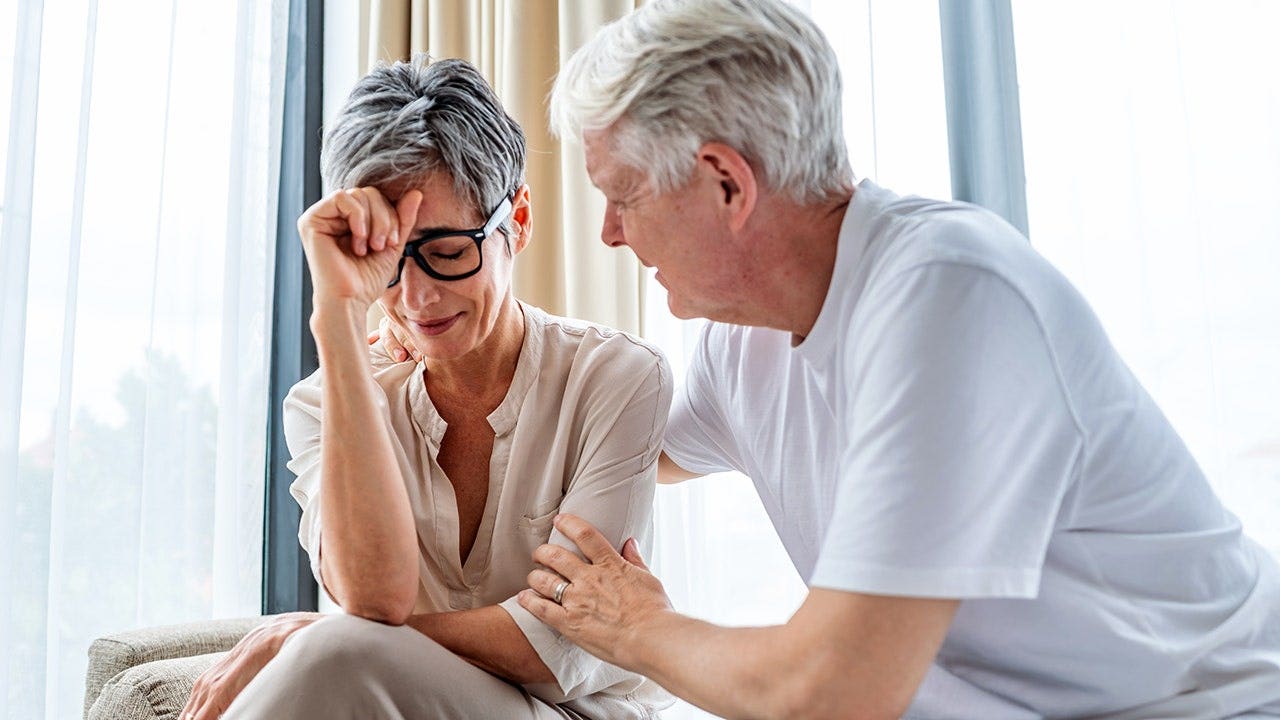
Stroke symptoms can include balance loss, weakness, slurred speech, face drooping, confusion and severe headaches. (iStock)

The American Stroke Association (ASA) identifies the following key warning signs, using the acronym "B.E. F.A.S.T."

In a situation in which someone could be having a stroke, "the only" thing to do is to call 911, Fox News senior medical analyst Dr. Marc Siegel told Fox News Digital.

CLICK HERE FOR MORE HEALTH STORIES

The doctor emphasized other symptoms to watch for, including weakness on one side, slurred speech, difficulty processing information and confusion.

The ASA also warns that severe headaches can also be a sign of stroke.

At the first sign of stroke, 911 should be contacted immediately, as 1.9 million brain cells die every minute that a stroke goes untreated. (iStock)

Siegel advised against giving the person an aspirin, as it could worsen bleeding in the brain if that is the cause of stroke.

With an ischemic stroke, that type of medication could be helpful.

CLICK HERE TO SIGN UP FOR OUR HEALTH NEWSLETTER

The ASA says 1.9 million brain cells die every minute that a stroke goes untreated, which means earlier treatment leads to higher survival rates and lower risk of disability.

"In medicine, we use the term ‘time is brain,’" Siegel said. "This means that the faster you bring the patient to the emergency room, the faster they can receive emergency treatment if indicated to reopen the blocked artery in the brain, if there is one."

Brain imaging should be done within the first several hours after seeking medical attention for a stroke, according to a top physician.  (iStock)

Brain imaging can also be done on arrival at the ER, which should occur within the first several hours, Siegel said.

Anyone who is experiencing a stroke should not drive themselves to the hospital, according to the CDC. Instead, the person should get a ride or call 911 — as treatment begins inside the ambulance.

TEST YOURSELF WITH OUR LATEST LIFESTYLE QUIZ

About 80% of strokes are preventable, the American Heart Association states.

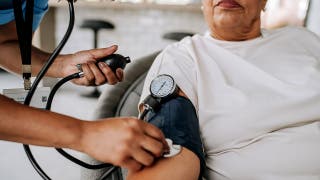
Prevention includes managing high blood pressure, diabetes, atrial fibrillation and other risk factors.

One in four survivors have another stroke within the next five years, per CDC data, so those at higher risk should prepare a prevention and treatment plan.

CLICK HERE TO DOWNLOAD THE FOX NEWS APP

Fox News Digital's Alexander Hall contributed to this report.

Angelica Stabile is a lifestyle reporter for Fox News Digital.

Stay up-to-date on the biggest health and wellness news with our weekly recap.

By entering your email and clicking the Subscribe button, you agree to the Fox News
        Privacy Policy
       and
        Terms of Use
      , and
      agree to receive content and promotional communications from Fox News. You understand that you can
      opt-out at any time.

Subscribed

You've successfully subscribed to this newsletter!
Comments
You must be logged in to comment.