yahoo Press
The world is quietly adapting to 9% less oil
Images
1 / 6
2 / 6

3 / 6

4 / 6

5 / 6
6 / 6
Can the world live with 9% less oil?

The answer, at least for right now, seems to be… maybe? That’s according to JPMorgan oil strategists Natasha Kaneva, Lyuba Savinova, and Artem Fakhretdinov, who spent last week meeting with market participants in China.

“The most striking takeaway from our meetings was not simply that oil demand has fallen,” the strategists wrote in a recent client note. “It was that it may have dropped by as much as 9% or 1.5 [million barrels per day] — abruptly, unexpectedly, and with remarkably little visible disruption.”

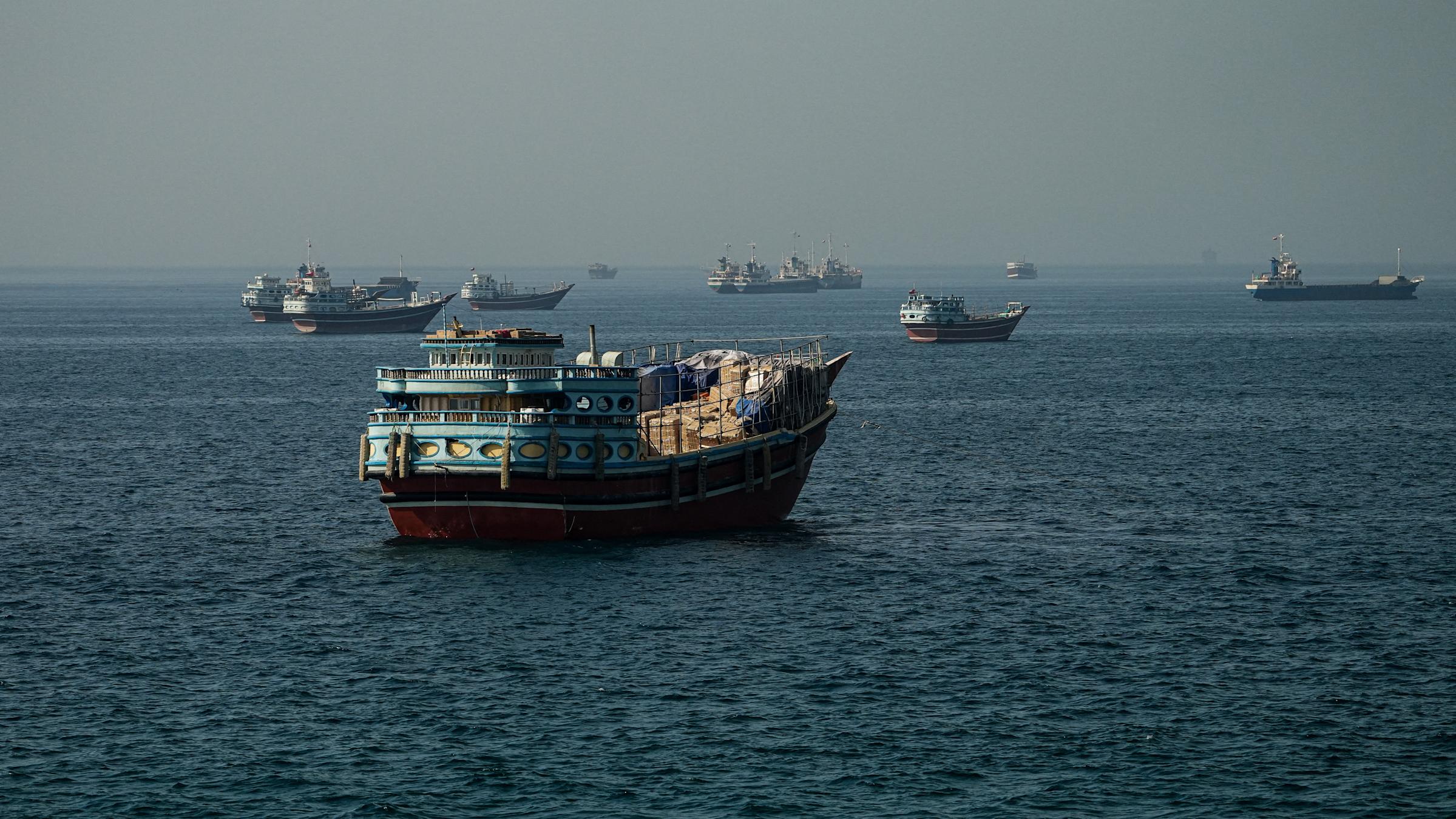
Despite the three-month-long closure of the Strait of Hormuz, the world’s most critical shipping conduit for the global oil trade, prices on the energy product have remained relatively contained around $100 per barrel, only briefly spiking higher earlier in the war.

The market entered the year oversupplied, and governments and private companies have spent the disruption drawing down reserves to cushion the impact. A large part of the story, however, is demand destruction.

Simply put, when prices get too expensive, people stop buying.

“The decline [in demand] does not appear to be the product of a formal government conservation campaign. There were no conspicuous appeals to save energy, no major limits on mobility, and no sense of crisis in daily life,” the JPMorgan strategists wrote.

“Instead, it looks like consumers have made a quiet economic choice. Faced with higher gasoline, diesel and airfare, many seem to have shifted away from oil-based transportation toward cheaper, lower-carbon alternatives: electric buses, gas-powered trucks, subways, electrified high-speed rail, and electric taxis.”

It’s important to note that China is its own market. But the Chinese economy is not alone in seeing early signs of demand destruction. Governments in Southeast Asia have reduced work and school weeks, while New Delhi has pushed for energy conservation throughout India. In the private sector, the European airline giant Lufthansa has begun curtailing flights on lower-priority regional routes.

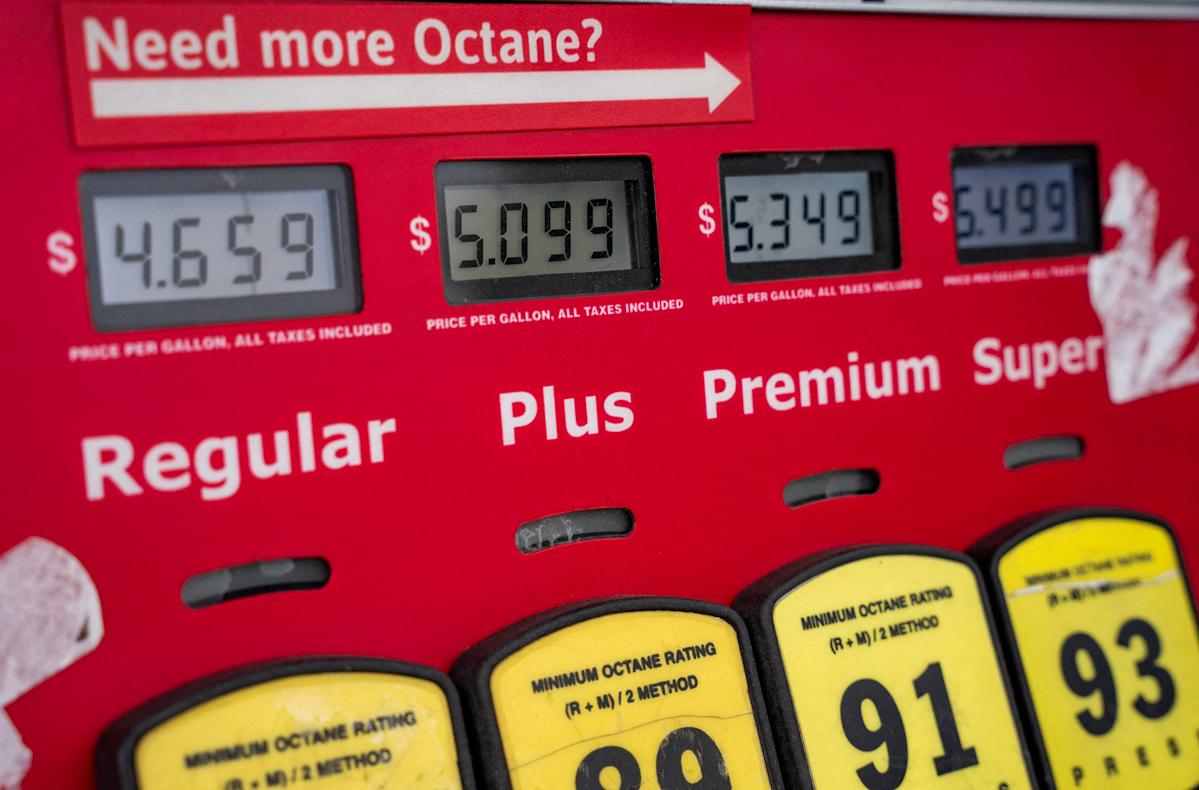
The US hasn’t yet seen widespread demand falloff, partially because the low level of dependence on Middle Eastern oil has kept the American market somewhat insulated. But gasoline prices are on the rise and persistently holding above $4 just as the country enters the summer driving season, when fuel blends get more expensive and the road trip craze kicks off demand at the pump.

The wider question raised, the strategists wrote, is whether that demand comes back once the war ends.

“Taken together, developments in China and Europe raise a larger set of questions: how much of today’s demand weakness is likely to reverse once conditions normalize, and how much reflects a more durable shift in consumption?” the strategists wrote.

“Put differently, could the world actually function with something like 9% less oil?”

Jake Conley is a breaking news reporter covering US equities for Yahoo Finance. Follow him on X at @byjakeconley or email him at jake.conley@yahooinc.com.

Click here for the latest economic news and indicators to help inform your investing decisions

Read the latest financial and business news from Yahoo Finance
Comments
You must be logged in to comment.