buzzfeed Press
This 1 Term For Asians Is Becoming More Popular, But People Have Mixed Feelings About It
Images
1 / 12
2 / 12

3 / 12

4 / 12
5 / 12
6 / 12
7 / 12
8 / 12
9 / 12
10 / 12
11 / 12
12 / 12
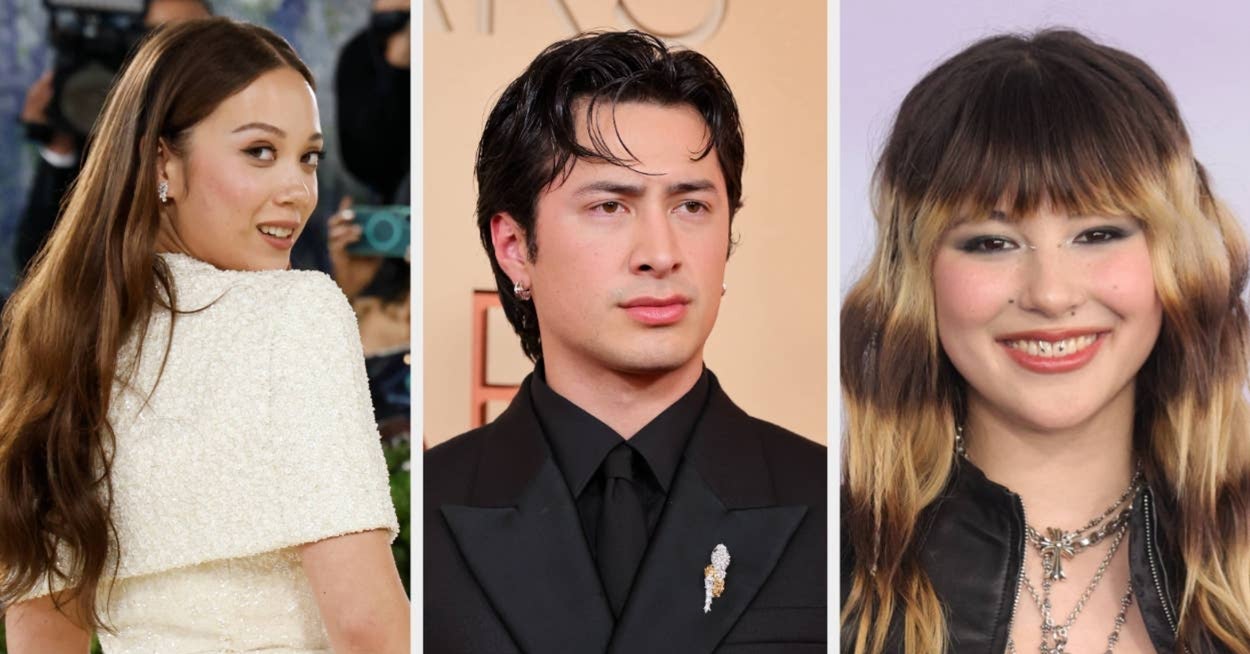
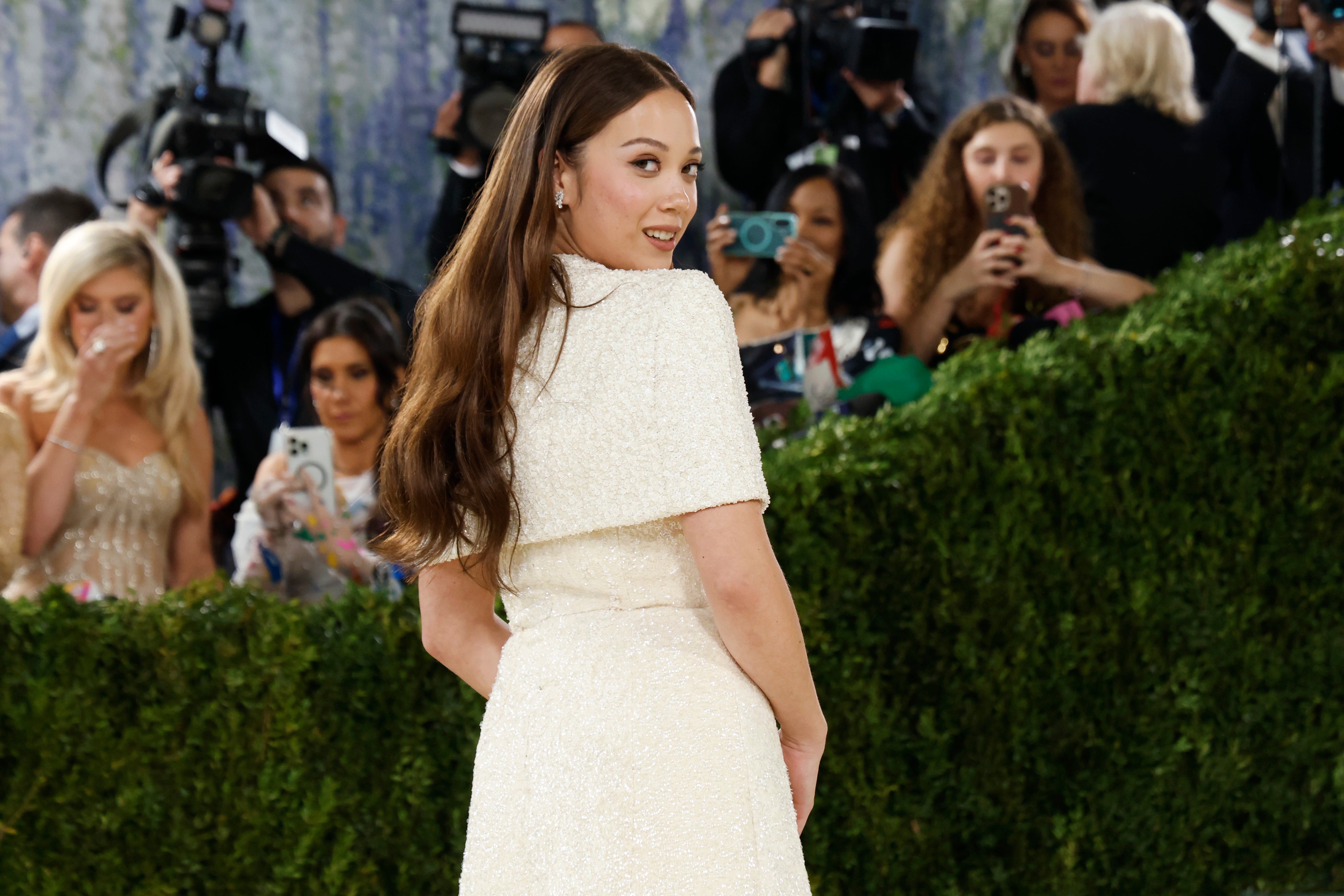
On TikTok and Instagram, there is a surging fixation on tracing mixed-race celebrities’ white-Asian heritage–– and famous Wasians are embracing the label.

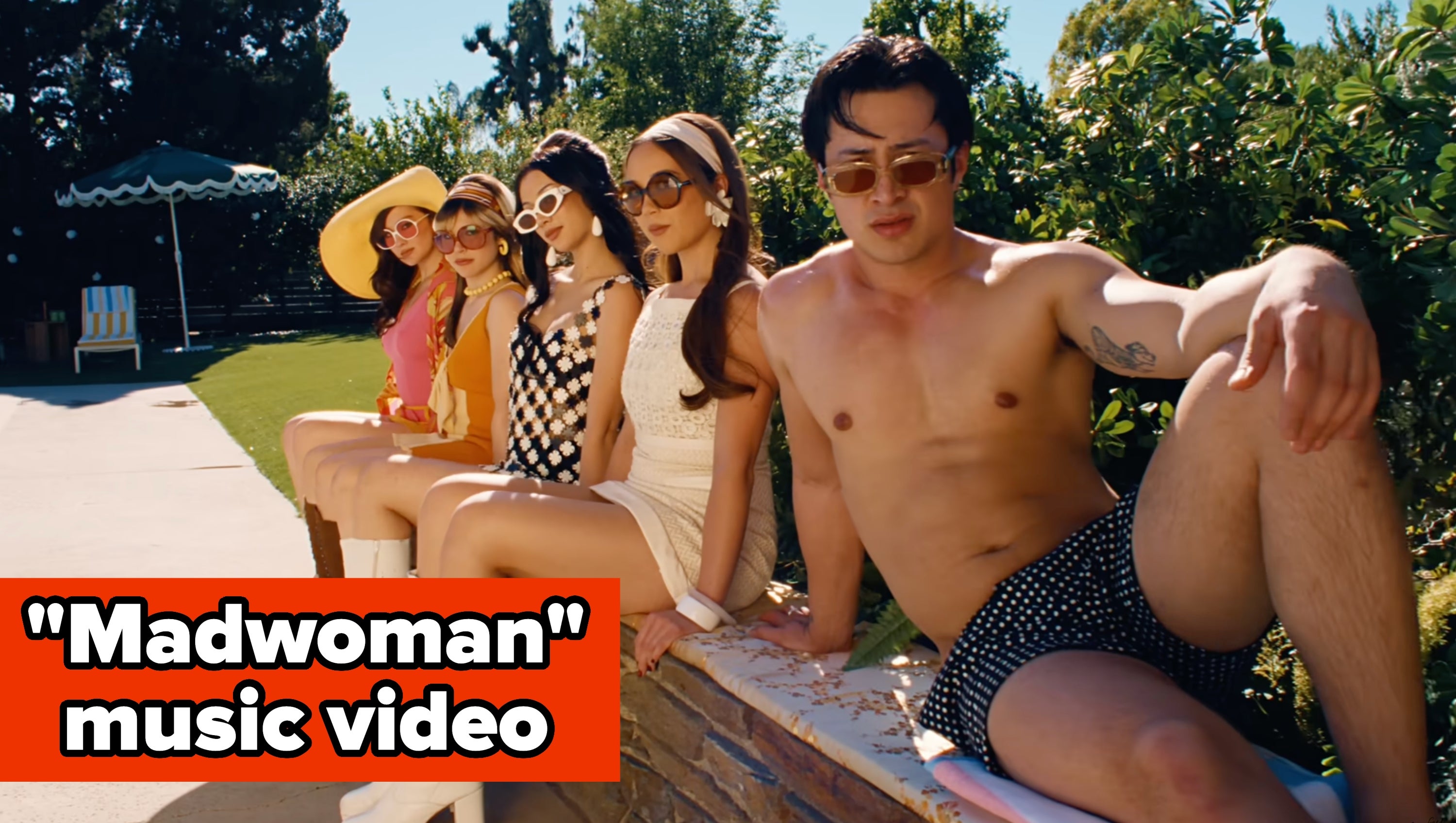
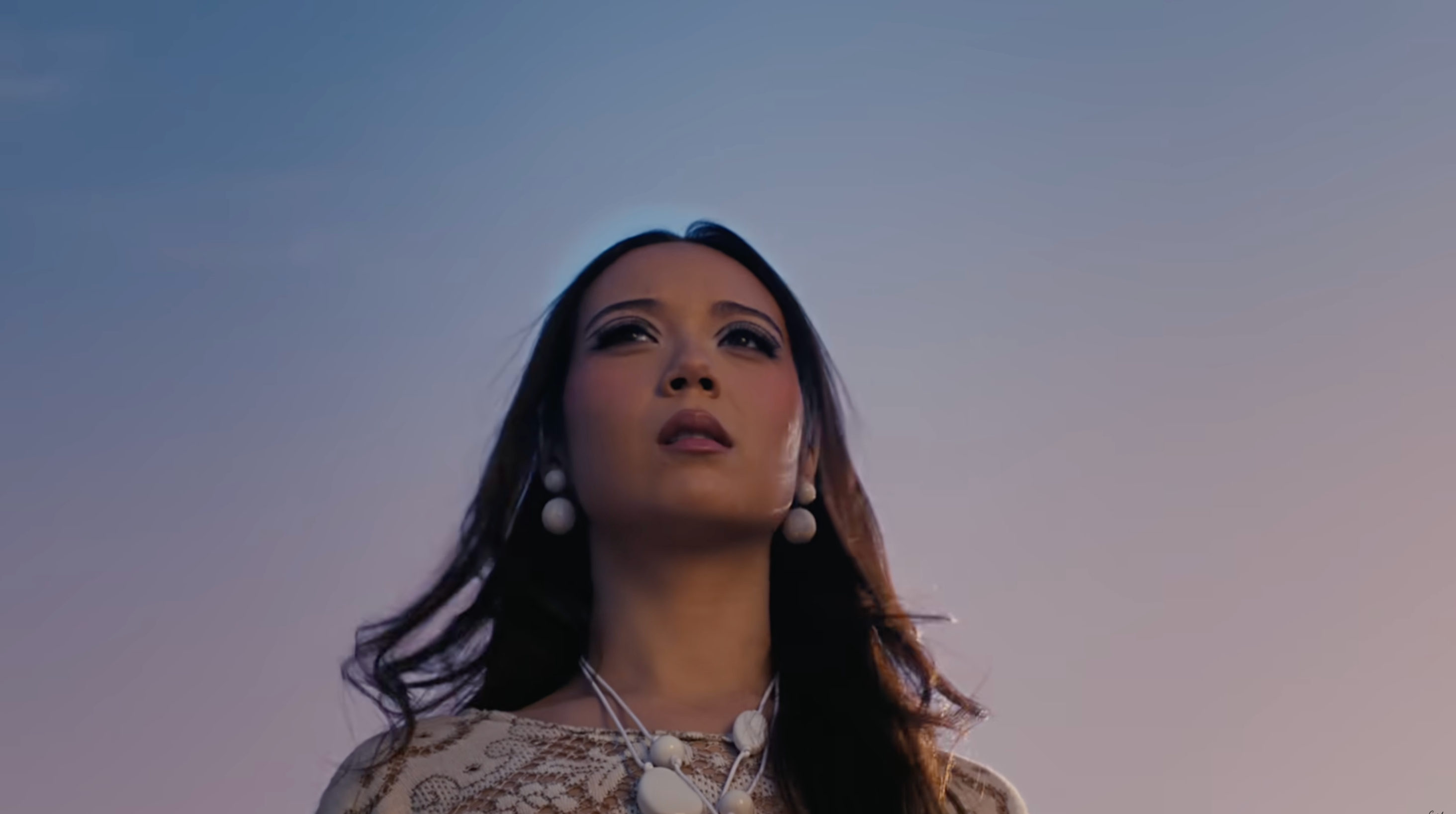
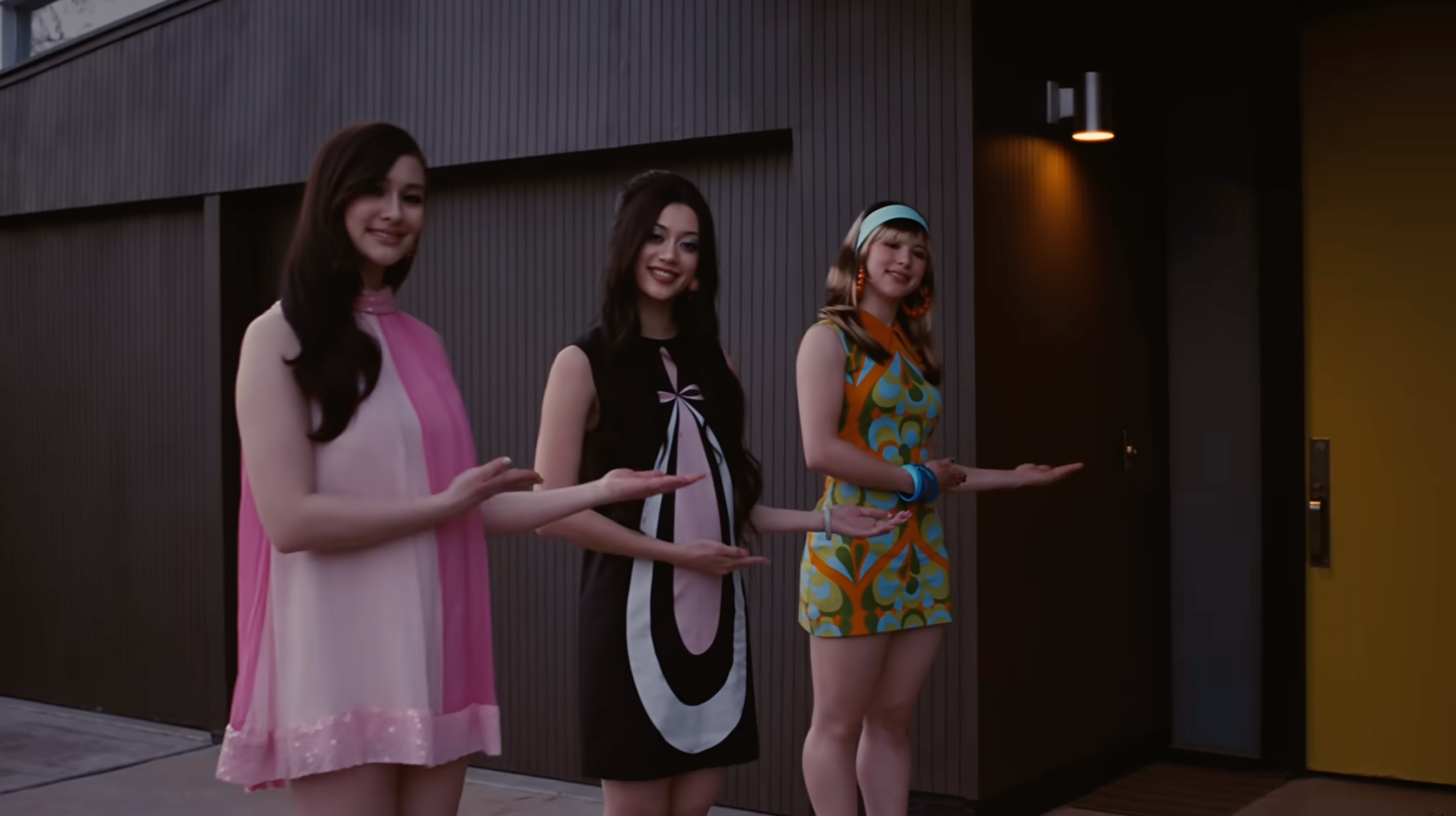
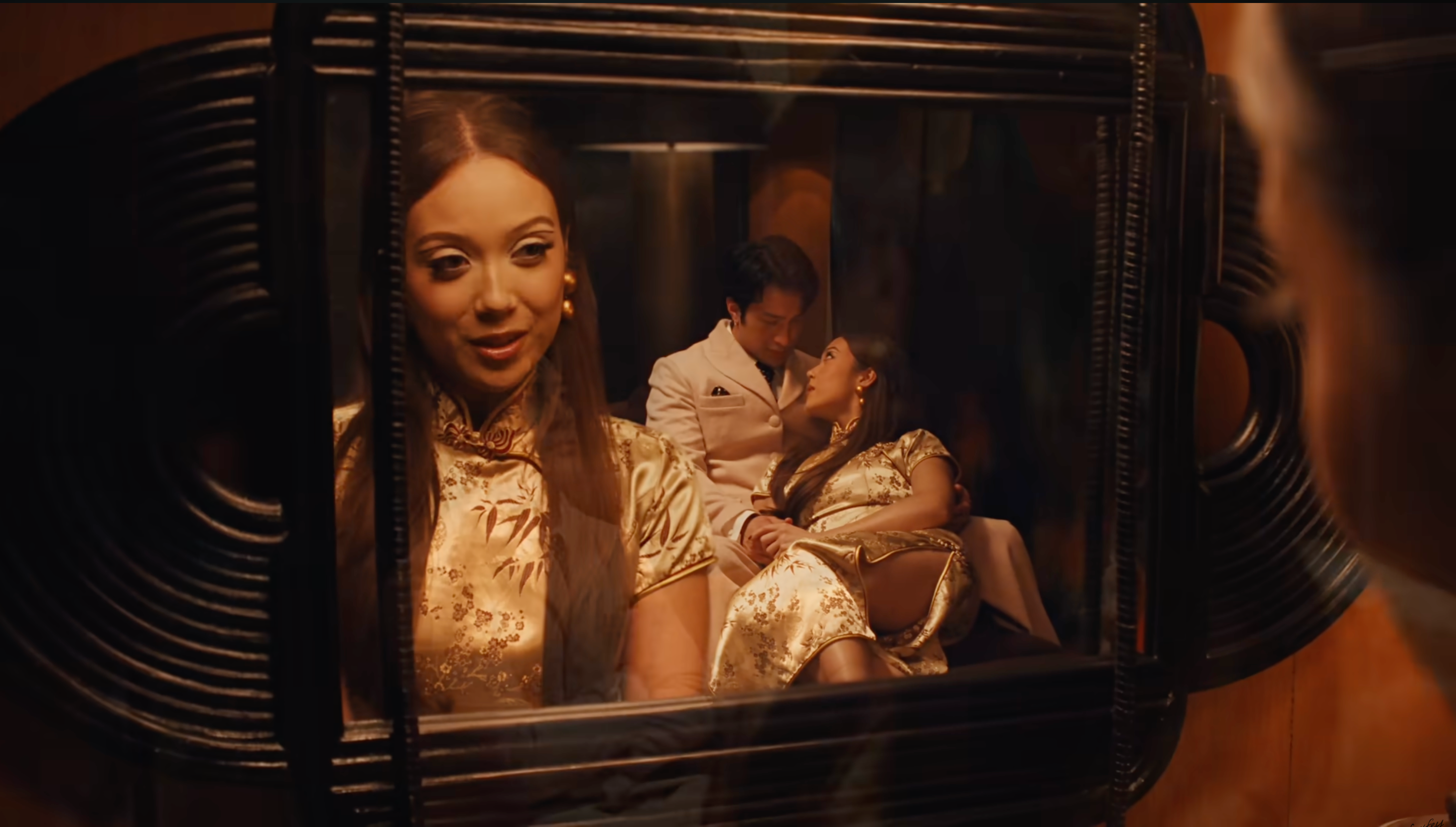
“Growing up, I felt a general lack of representation for people who looked like me in music and media. With the ‘Madwoman’ video, I wanted to be that representation,” Laufey told the Hollywood Reporter about why she cast these Asian Americans in leading roles for her video.

“All the Wasians are uniting and being like, ‘Oh my God, there’s so many of us that we didn’t know,’” Buss said.

Calling yourself Wasian is also a playful portmanteau that invites jokes and makes talking about race fun.

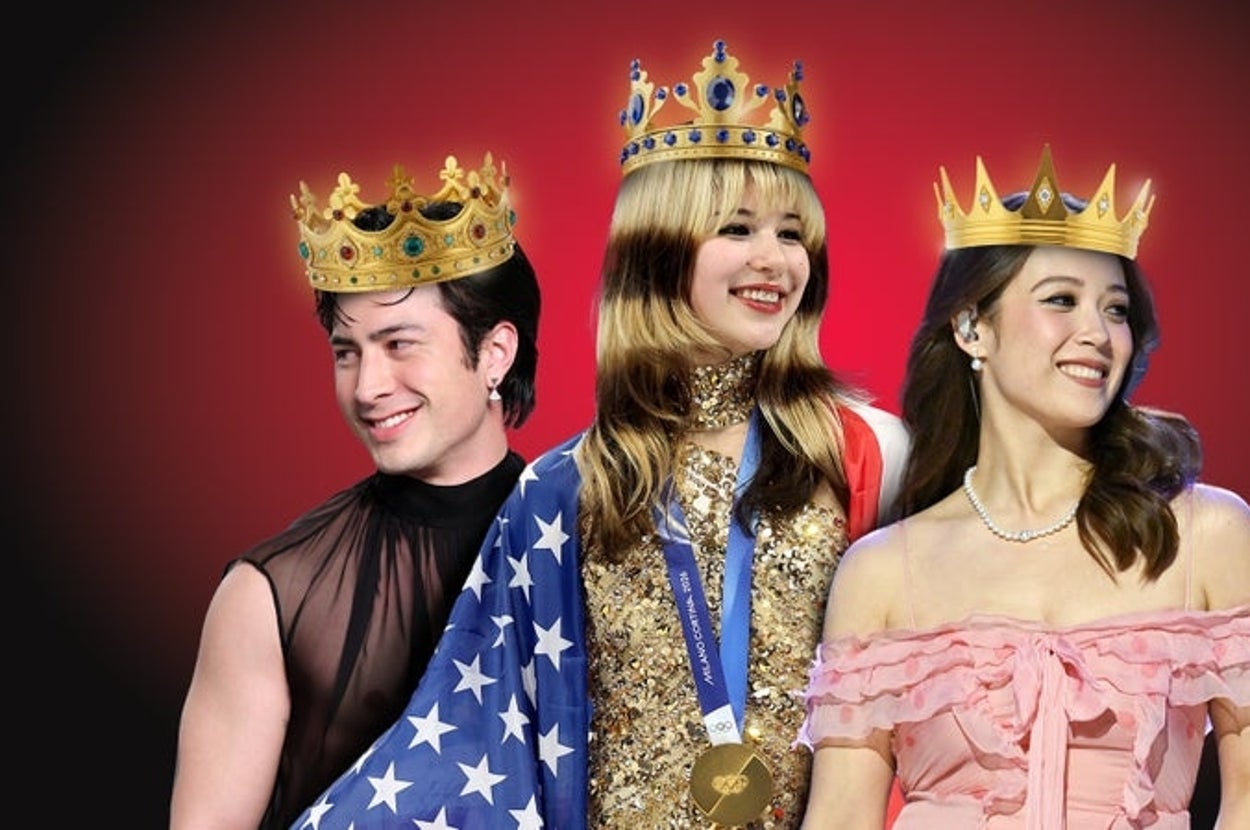
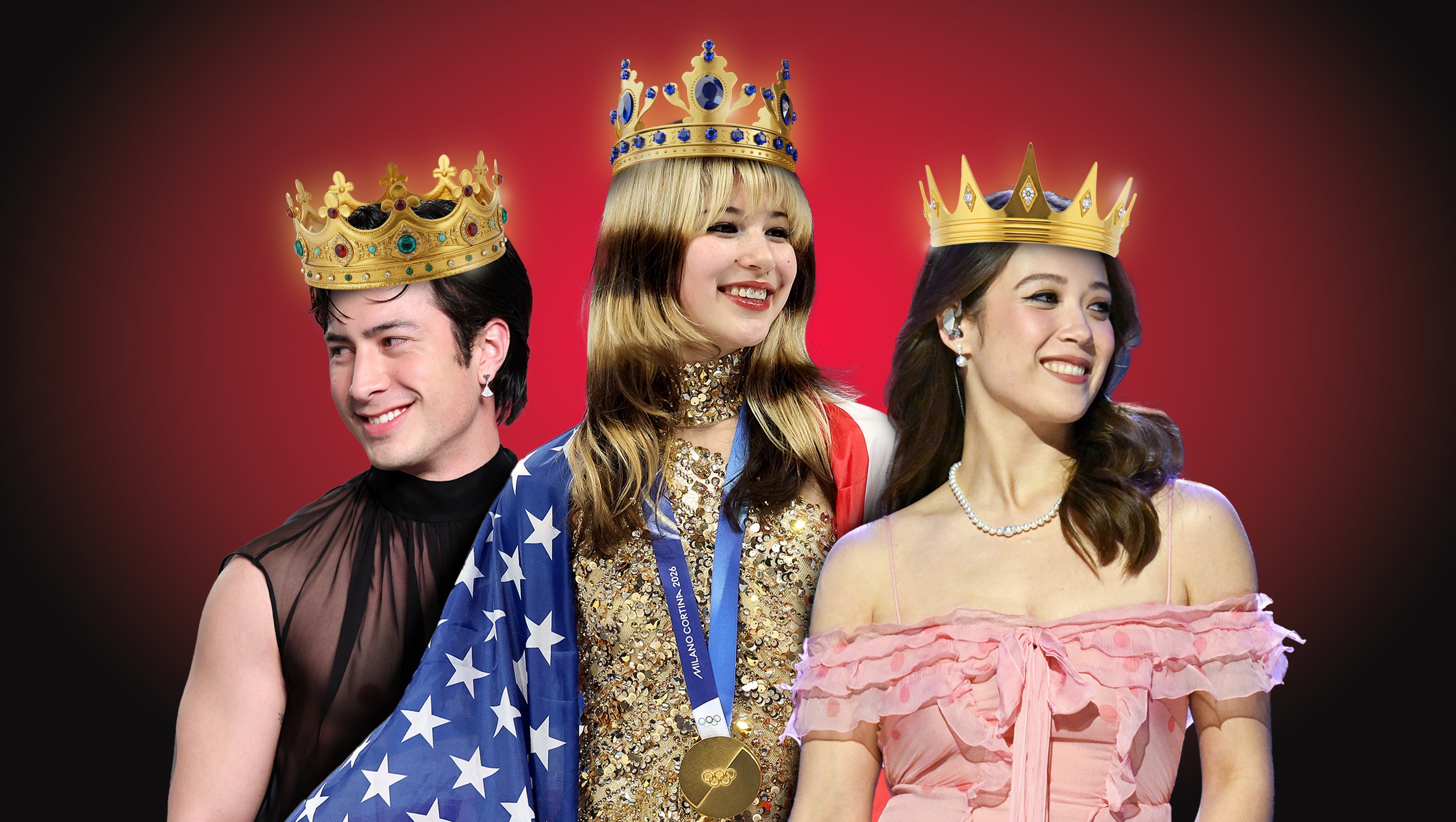
“A queen hasn’t really been decided, but everyone agrees that Keanu Reeves is the king” of Wasia, Buss said about online fans who are playfully charting the royal family of Wasia’s lineage.

“The term Wasian in itself is kind of goofy, so I feel like it’s meant to be funny,” Nishime said.

But problems may arise for people not in on the humor. Nishime’s concern “is that it can start creating these boundaries and people saying, ‘This is what a Wasian’ person is supposed to be like.’”

What unites some Wasians across their different ethnic heritages are not just jokes about the imagined continent of Wasia –– it can be a shared sense of displacement and alienation for being multiracial. Buss noted that Wasians often have to contend with “Oxford study” harmful stereotypes that criticize the romantic and sexual choices of Asian women who date white men.

Buss, who is Korean American, said when she lived in South Korea, she was not accepted as Korean, which is why she and other Wasians relate to the broader mixed-race term. “It’s easier for us to say Wasian instead of specifying what type of Wasian we are, because, we don’t really feel like we belong in our ethnic group in the first place,” Buss said.

Blasians, or people who identify as Black-Asian, also had a moment of great visibility before this current Wasian era, which is an example of how these trends “are always cyclical,” Washington said. Before presidential candidate Kamala Harris’ rise, there was Dwayne “The Rock” Johnson, Tiger Woods and model Kimora Lee Simmons in entertainment and sports as famous Blasians, for example.

“Part of it is that East Asia is wealthier, has a lot more political power,” Nishime said about this uneven focus. “Because of that hierarchy, those are the people who are going to get the most attention, get the most press, kind of get centered in those conversations.”

It’s an example of how attitudes around mixed-race identities are evolving, but there is still more progress to be made.

“A lot of people in my [TikTok] comments are like, ‘Oh, I’m 25 [% Asian]. Do I still count?’” Buss recalled. “And people will comment back and be like, ‘Yes, girl, you’re part of us.’”

This article originally appeared on HuffPost.
Comments
You must be logged in to comment.