yahoo Press
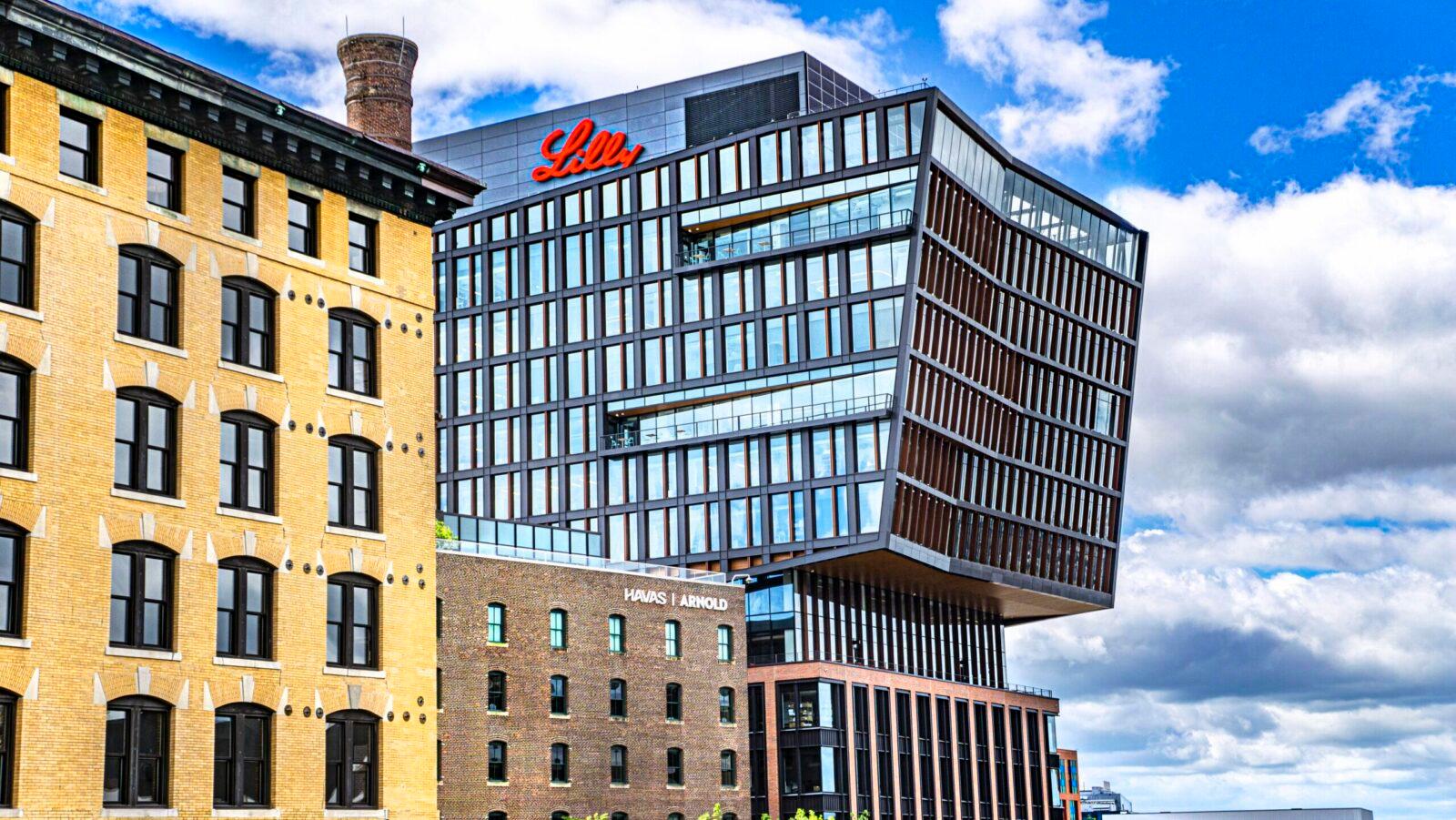
Lilly Follows Upbeat Trials for Cholesterol Shot with $4B M&A Spree
Images
1 / 5
2 / 5

3 / 5

4 / 5
5 / 5
The above button links to Coinbase. Yahoo Finance is not a broker-dealer or investment adviser and does not offer securities or cryptocurrencies for sale or facilitate trading. Coinbase pays us for certain activity generated through this link. Prices displayed are informational.

Concerned about an AI bubble? Sign up for The Daily Upside for smart and actionable market news, built for investors.

The Nvidia playbook seems to be just what the doctor ordered for Eli Lilly.

Similar to the way the chipmaker powered the artificial intelligence boom, Lilly is parlaying its blockbuster weight-loss drug gold rush into a massive stake in the future of medicine. The latest investments from the pharma giant, announced Tuesday, are three acquisitions meant to boost its infectious disease portfolio: Curevo, LimmaTech Biologic and Vaccine Company, which are developing vaccines for shingles, staph infections and the Epstein-Barr Virus, respectively. If completed, they will cost Eli Lilly nearly $4 billion.

“It does provide a lot of upside to Lilly’s potential,” Brian Mulberry, chief market strategist at Zacks Investment Management, told The Daily Upside. “They have clearly won the GLP-1 market out of sheer scale and volume of production, [and] one of the key drivers of these new acquisitions will be once fully approved (and potentially recommended), Lilly has the industrial base to meet the demand of the market.”

Sign up for The Daily Upside at no cost for premium analysis on all your favorite stocks.

READ ALSO: Salesforce Delivers a SaaSpocalypse Reality Check and Space Companies Rocket Upward on SpaceX IPO Hype

Weight loss medications have surged in popularity of late, and Lilly has dominated the space alongside Novo Nordisk, thanks to Mounjaro and Zepbound. As a result, it became the first healthcare company to snag a $1 trillion valuation and has gone on a shopping spree, acquiring firms working on treatments for cancer, narcolepsy, cell engineering and more.

Lilly announced the acquisitions just a day after reporting upbeat results from a study on its gene-editing treatment VERVE-102, which the company hopes could help prevent heart disease. The highest single-dose injection reduced patients’ cholesterol levels by 62%. Last week, the company shared positive results for its next-gen weight loss drug, retatrutide.

So in the world of health care, Eli Lilly is suddenly everywhere all at once:

“It is a decent parallel to Nvidia in that they have multiple products that are in high demand, and they have been able to ramp up production capacity to a scale that balances the needs of the market with strong margins protecting shareholders,” Mulberry said.

While recent earnings reports have focused heavily on GLP-1 revenues, the addition of vaccine segments helps the company diversify growth, he added.

Investor Reaction: Sometimes, big spending can spook investors. Just ask Amazon CEO Andy Jassy, whose defense of the company’s AI spending took up a good portion of real estate in his latest annual shareholder letter. But Eli Lilly’s investors didn’t seem to raise eyebrows; the stock edged higher after the news before ending the day down less than 0.1%.

This post first appeared on The Daily Upside. To receive razor sharp analysis and perspective on all things finance, economics, and markets, subscribe to our free The Daily Upside newsletter.
Comments
You must be logged in to comment.