yahoo Press
Spotify’s Next Big Bet: AI Remixes for Paying Fans
Images
1 / 8
2 / 8

3 / 8

4 / 8
5 / 8

6 / 8

7 / 8

8 / 8
The above button links to Coinbase. Yahoo Finance is not a broker-dealer or investment adviser and does not offer securities or cryptocurrencies for sale or facilitate trading. Coinbase pays us for certain activity generated through this link. Prices displayed are informational.

Our analysts just identified a stock with the potential to be the next Nvidia. Tell us how you invest and we'll show you why it's our #1 pick. Tap here.

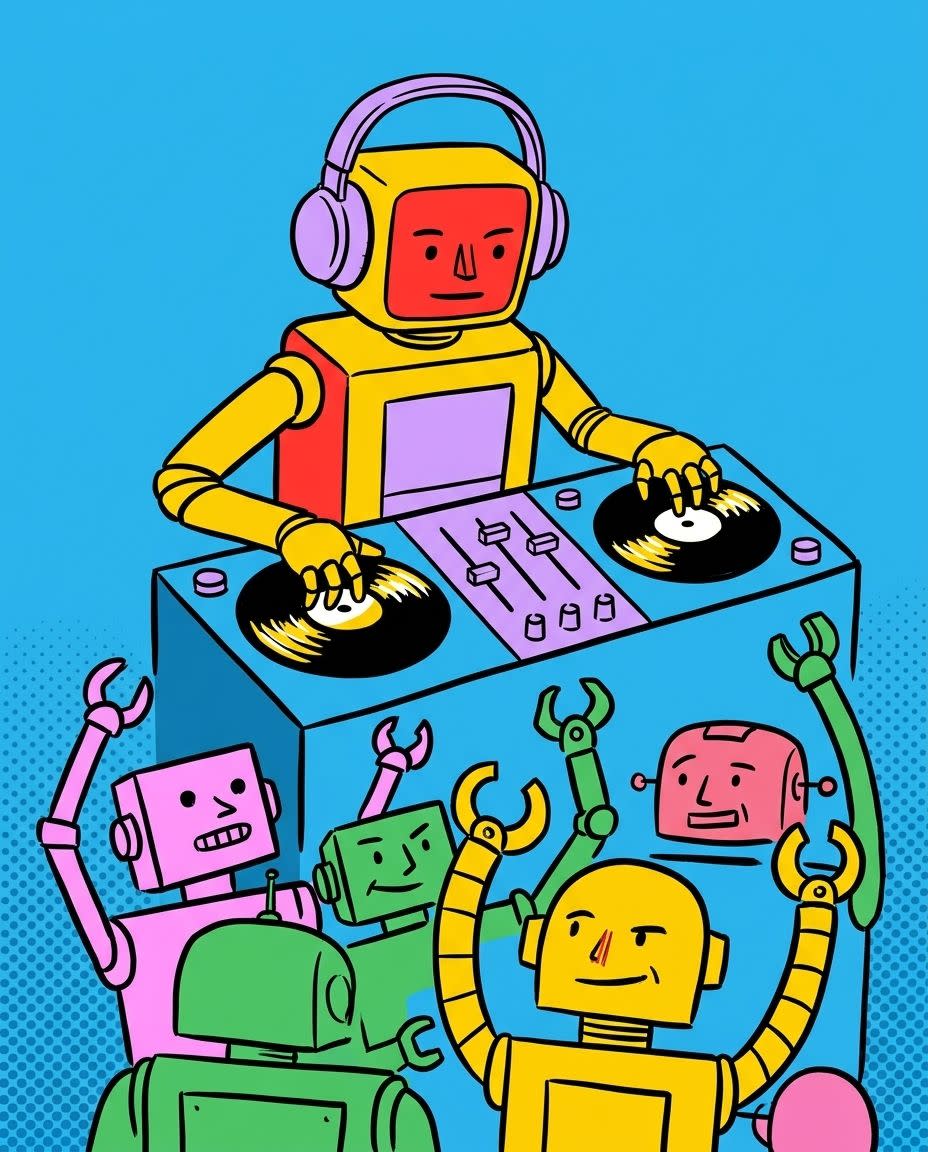
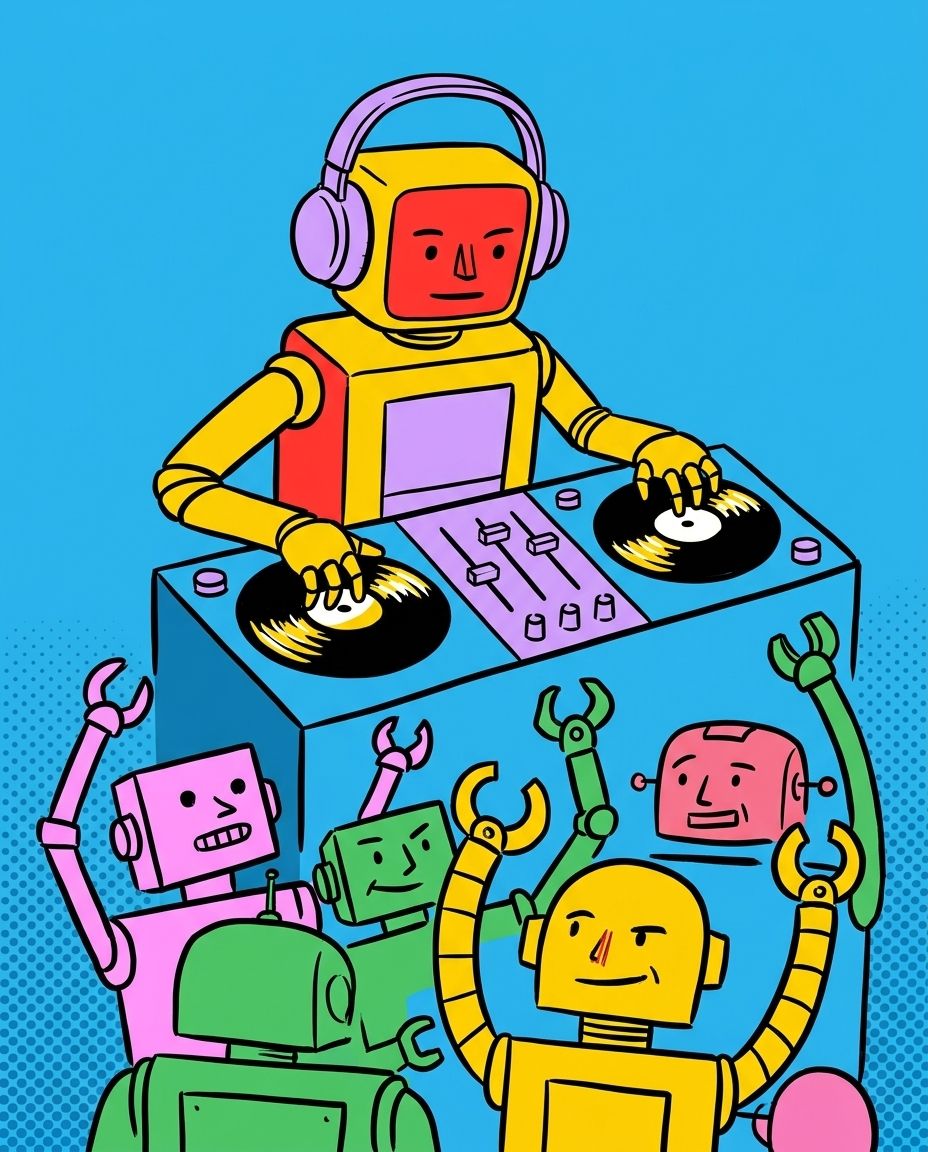
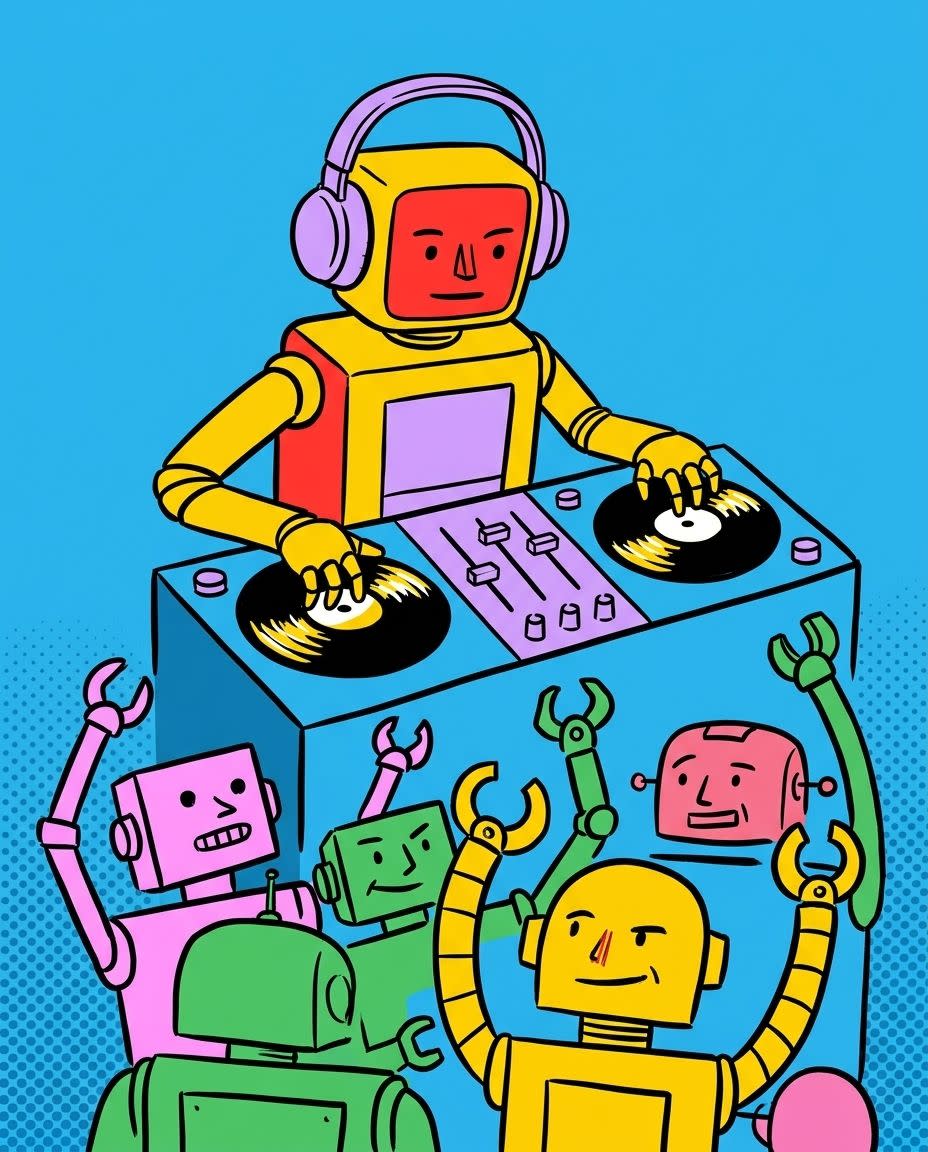
Spotify is turning to AI to squeeze more cash out of its most obsessive listeners. The streaming pioneer has locked in a major commercial partnership with Universal Music Group that will allow premium subscribers to use AI tools to generate custom covers and remixes of songs from participating artists.

Despite a growing cultural backlash against unregulated AI slop online, Spotify co-CEO Alex Norström defended the rollout as a controlled, artist-approved alternative that will supercharge the company’s monetization strategy.

Spotify shares went on an absolute tear, surging 18% after the company used its first investor day in four years to unveil an aggressive pivot toward the era of generation. The headline-grabbing development is a licensing agreement with Universal Music Group, the world's largest record label and home to superstars like Taylor Swift and Kendrick Lamar.

The agreement marked the first time a major streaming platform has launched a commercial AI music product with full label backing. The tool will operate as a paid add-on for Spotify Premium subscribers, allowing users to enter prompts to remix tracks or swap vocal styles under a structure built on consent, credit, and compensation. Norström told investors that the technology would effectively allow one song to become 10,000 songs inside the app, creating a massive loop of user engagement.

The blockbuster AI announcement overshadowed an otherwise mixed financial picture. In its first quarter results, Spotify reported that monthly active users grew 12% to 761 million, while premium subscribers rose 9% to 293 million. Net income jumped to €721 million ($845 million), comfortably beating analyst estimates.

Spotify is undergoing a massive evolution from a scrappy tech startup into a highly profitable, mature media conglomerate. The days of hunting for raw user growth at all costs are officially over. Under the new leadership of Norström and co-CEO Gustav Söderström, who took over after co-founder Daniel Ek stepped down as chief executive earlier this year, the name of the game is maximizing average revenue per user.

The Universal deal is a masterstroke of defensive positioning against the threat of open source AI. The internet is already saturated with rogue AI music generators and deepfake tracks that infringe on copyrights. By creating a closed, fully licensed ecosystem, Spotify is trying to corner the market on legal AI music. Norström was brutally candid about this, positioning Spotify as the safe adult in the room compared to startups like Udio or Stability AI.

One stock. Nvidia-level potential. 30M+ investors trust Moby to find it first. Get the pick. Tap here.

Because Spotify can spread its infrastructure costs across 750 million users, its investment per subscriber is minuscule compared to a small tech firm, proving that scale begets scale.

The strategy also aims to pacify furious artists who fear that generative tech will dilute human art. Hit producers like Jack Antonoff have blasted the new ways you can fake making art. Spotify is attempting to heal this rift by launching artist verification badges and ensuring that every AI-generated remix pumps royalties back to the original songwriters and labels.

Beyond music, the superfan monetization strategy is expanding in every direction. Spotify is introducing premium fan subscriptions, early access concert ticketing via a feature called Reserved, and customizable audiobooks.

They also unveiled Personal Podcasts that allow users to generate custom audio content from text prompts, alongside a desktop app called Studio by Spotify Labs that uses calendar and inbox data to build personalized audio experiences. Even an ugly, temporary emerald green disco ball app icon, launched to celebrate the company’s 20th anniversary, served its purpose by driving users into the app to engage with nostalgic listening metrics.

The tool’s international rollout is slated for the second half of 2026, when Spotify plans to launch the paid AI add-on outside the US. The key operational metric to watch in late July’s second-quarter print will be the actual take rate of this premium add-on.

If Spotify can convince its 300 million paying subscribers to shell out an extra few dollars a month to remix their favorite tracks, it will validate its higher-ARPU thesis and secure a critical growth catalyst that leaves Apple Music and Amazon completely outgunned.
Comments
You must be logged in to comment.