yahoo Press
CEO photographed wearing gold dollar-sign chain convicted in $1B Medicare scheme targeting 100,000s of seniors
Images

1 / 5

2 / 5

3 / 5

4 / 5
5 / 5
Rapper Flo Rida once sang that the “Club Can’t Handle Me,” and perhaps one Floridian health care founder felt the same way.

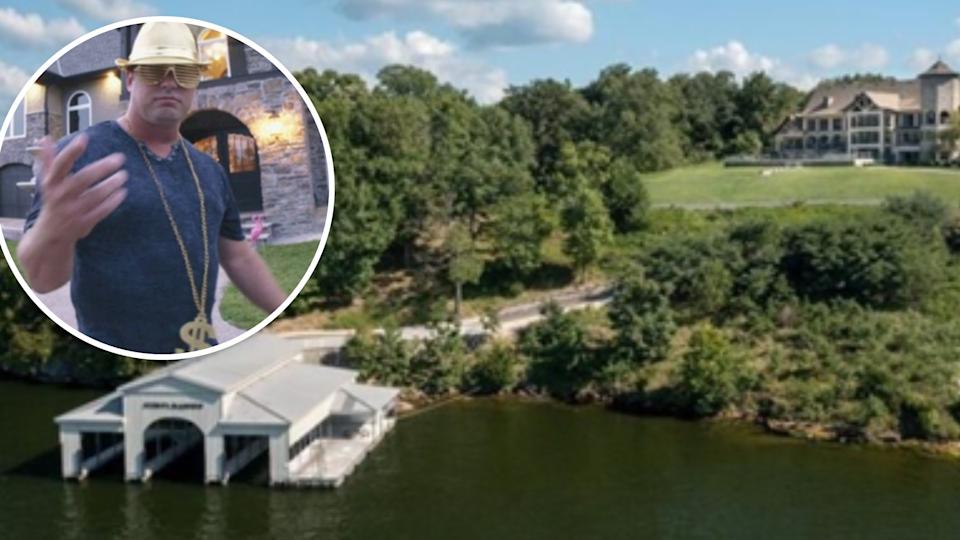
But for Brett Blackman, 42, the founder and owner of HealthSplash, his luxe lifestyle — which included shooting a music video and owning a mansion — caught up to him as he was convicted on May 13 for one of the “most egregious” Medicare fraud schemes in Florida history. He even flaunted his wealth in a music video.

Here’s how to get rich from rising US property values with as little as $100 — and without the stress of angry tenants

Robert Kiyosaki says this 1 asset will surge 400% in a year and begs investors not to miss this ‘explosion’

Dave Ramsey warns nearly 50% of Americans are making 1 big Social Security mistake — here’s how to fix it ASAP

“This was cold, calculated, industrial-scale theft targeting the sick and elderly, coercing vulnerable people into buying unnecessary medical equipment,” acting U.S. Attorney General Todd Blanche said in a May 14 press release (1). “We will not rest until every fraudster ripping off the American people is held accountable.”

Blackman could face 30 years in prison over health care fraud, wire fraud, conspiracy to pay and receive health care kickbacks, conspiracy to defraud the United States and to make false statements in connection with healthcare matters.

His partner in crime, Gary Cox, 79, was convicted and sentenced to 15 years for his part in the scheme in June 2025 (2).

Federal prosecutors said Blackman helped operate a company that generated about $1 billion in fraudulent doctors’ orders used to bill Medicare and other federal services under the companies Healthsplash Inc. and Power Mobility Doctor Rx.

South Florida was the base of operations for the scheme, which included Miami-Dade County, as well as Kansas and Arizona. The alleged fraud took place from 2015 through 2020 and involved executives tied to Blackman’s companies.

Healthsplash and the other companies ran an online portal that produced doctors’ orders for braces, prescription creams and other medical supplies. Those orders were then funneled to medical suppliers, including pharmacies, which used them to submit claims to Medicare, among others.

“The defendant orchestrated a scheme to defraud government healthcare benefit programs on a massive scale, creating fraudulent doctors’ orders used to bill insurers over $1 billion,” the head of the Justice Department’s Criminal Division, Matthew Galeotti, said (3). “Americans are all too familiar with junk mail and spam calls that target seniors to steal their personal information and promote waste, fraud, and abuse in our economy. The Criminal Division will continue to aggressively prosecute health care fraud schemes to hold criminals accountable, protect the vulnerable, and recover financial losses.”

Read More: Taxes are going to change under Trump’s ‘big beautiful bill’ — 4 reasons you can’t afford to waste time

Advocates for older adults say one of the best ways families can protect older relatives from Medicare fraud is by regularly reviewing Medicare Summary Notices and insurance statements for unfamiliar charges, equipment or providers.

Some other examples of Medicare fraud, according to the National Council on Aging, include (4):

Charging for services or supplies that were not provided

Misrepresenting a diagnosis, a person’s identity, the service provided or the means to justify payment

Prescribing or providing excessive or unnecessary tests and services

Offering or receiving a bribe in exchange for a beneficiary’s Medicare number

Experts also warn older adults to be suspicious of unsolicited phone calls, emails or advertisements offering free medical equipment or services in exchange for Medicare information. Representatives will never ask you for your Medicare or Social Security number over the phone (5).

Suspected fraud can be reported to Medicare (6), the Department of Justice National Elder Fraud Hotline (7) or state consumer protection agencies (8). Early reporting not only helps the victims, but can also prevent further schemes from continuing to target others.

Thanks to Jeff Bezos, you can now become a landlord for as little as $100 — and no, you don't have to deal with tenants or fix freezers. Here's how

Millionaires under 43 are reshaping investing — just 25% of their portfolios are in stocks. Here’s where their money is going

No time to shop for cheaper car insurance? This 2-minute check could slash your monthly bill today — no phone calls required

Are you 15 years from retirement but having nothing saved? Here’s why it’s actually not too late — and how to turn things around

Join 250,000+ readers and get Moneywise’s best stories and exclusive interviews first — clear insights curated and delivered weekly. Subscribe now.

We rely only on vetted sources and credible third-party reporting. For details, see our ethics and guidelines.

Justice (1), (2); Vaoig (3); Ncoa (4); Consumer Ftc (5); Medicare (6); Ovc Ojp (7); Occ (8)

This article originally appeared on Moneywise.com under the title: CEO photographed wearing gold dollar-sign chain convicted in $1B Medicare scheme targeting 100,000s of seniors

This article provides information only and should not be construed as advice. It is provided without warranty of any kind.
Comments
You must be logged in to comment.