yahoo Press
Gold prices ease as bond yields and firm dollar pressure sentiment
Images
1 / 4
2 / 4

3 / 4

4 / 4
Gold prices moved slightly lower on Thursday as investors balanced the impact of elevated government bond yields and a stable U.S. dollar against optimism surrounding a possible end to the conflict between the United States and Iran.

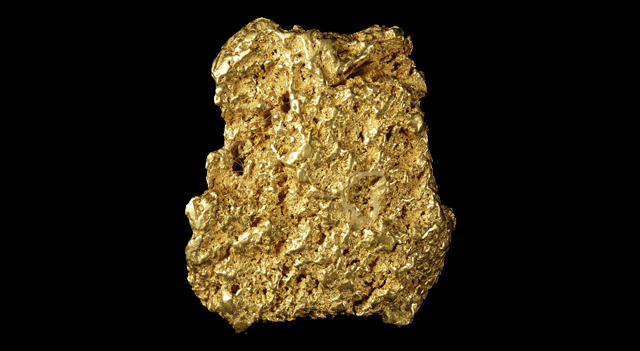
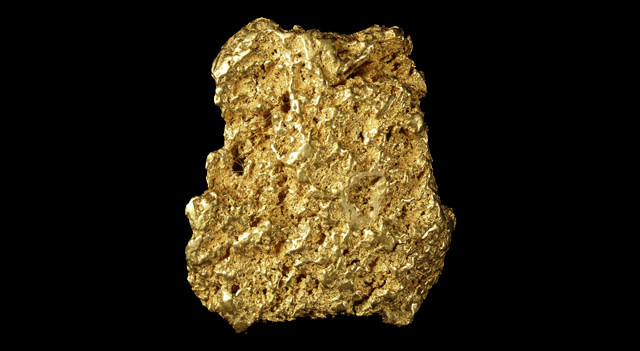
By 05:33 ET (09:33 GMT), spot gold had declined 0.2% to US$4,536.09 an ounce, while gold futures slipped 0.5% to US$4,536.01 an ounce.

Market sentiment has increasingly been shaped by expectations that a diplomatic agreement could bring an end to the war between Washington and Tehran, which has now lasted for more than two months. President Donald Trump said the United States was in the “final stages” of negotiating a potential draft peace deal, although he also warned of the possibility of renewed escalation, stating that “we’re going to do some things that are a little bit nasty” if negotiations fail.

Iran has meanwhile confirmed that it is examining Washington’s latest proposals aimed at ending the conflict.

Investors are particularly focused on signs that an agreement could reopen the Strait of Hormuz, the strategically important shipping route off Iran’s southern coast that has been almost entirely closed to tanker traffic since the conflict began in late February. Shipping data cited in media reports earlier this week suggested that some vessels have recently resumed crossing the waterway.

Brent crude futures, the international oil benchmark, were last trading lower at US$103.97 a barrel after retreating from levels near US$110 following Trump’s comments regarding a possible agreement. Even so, prices remain well above pre-war levels of around US$70 a barrel.

Concerns persist that a prolonged conflict in the Middle East could trigger another wave of energy-driven inflation globally, potentially forcing central banks to consider further interest rate increases.

Higher interest rate environments generally reduce the appeal of non-yielding assets such as gold.

At the same time, investor demand for the U.S. dollar as a safe-haven asset during the geopolitical crisis has also weighed on gold prices. Some market participants believe the United States, as a major energy exporter, may be relatively shielded from the sharp rise in oil prices. A stronger dollar can make gold more expensive for buyers using other currencies.

Other precious metals also traded lower, trimming part of this week’s modest recovery. Spot platinum fell 0.3% to US$1,949.70 per ounce, while spot silver declined 0.6% to US$75.4065 per ounce.

“Base metals are starting the morning on a cautious footing as markets continue to balance shifting geopolitical signals with a softer macro backdrop,” analysts at Britannia Global Markets said in a note.

Gold price
Comments
You must be logged in to comment.