yahoo Press
U.S. Senator issues stark warning over new banking loopholes
Images
1 / 6
2 / 6

3 / 6

4 / 6

5 / 6

6 / 6
The above button links to Coinbase. Yahoo Finance is not a broker-dealer or investment adviser and does not offer securities or cryptocurrencies for sale or facilitate trading. Coinbase pays us for certain activity generated through this link. Prices displayed are informational.

Crypto is moving deeper into the US financial system as Washington debates how far digital asset companies should be allowed to operate like traditional banks without becoming banks themselves.

A growing number of crypto companies have secured or applied for federal trust bank charters in recent months, opening the door to nationwide custody and stablecoin operations under the oversight of the Office of the Comptroller of the Currency (OCC).

The shift is now drawing scrutiny from lawmakers who warn the approvals could reshape parts of the banking system through what critics describe as a regulatory loophole.

Related: Explained: What is a stablecoin?

Since late 2025, the OCC has conditionally approved multiple national trust bank charters tied to crypto firms, including Ripple, Circle, BitGo, Paxos and Fidelity Digital Assets.

On Feb. 23, Crypto.com became the latest company to receive conditional approval for a national trust charter, allowing it to operate federally regulated custody services across the United States.

Unlike traditional banks, national trust banks cannot accept FDIC-insured deposits or engage in conventional lending. However, the charters allow firms to provide digital asset custody, stablecoin infrastructure and payment-related services under federal oversight.

Crypto companies have increasingly pursued the charters as a way to reduce reliance on fragmented state-level money transmission licenses while gaining institutional credibility and nationwide operational access.

In a Dec. 12, 2025 statement announcing five charter approvals, OCC Comptroller Jonathan Gould said:

“New entrants into the federal banking sector are good for consumers, the banking industry and the economy.”

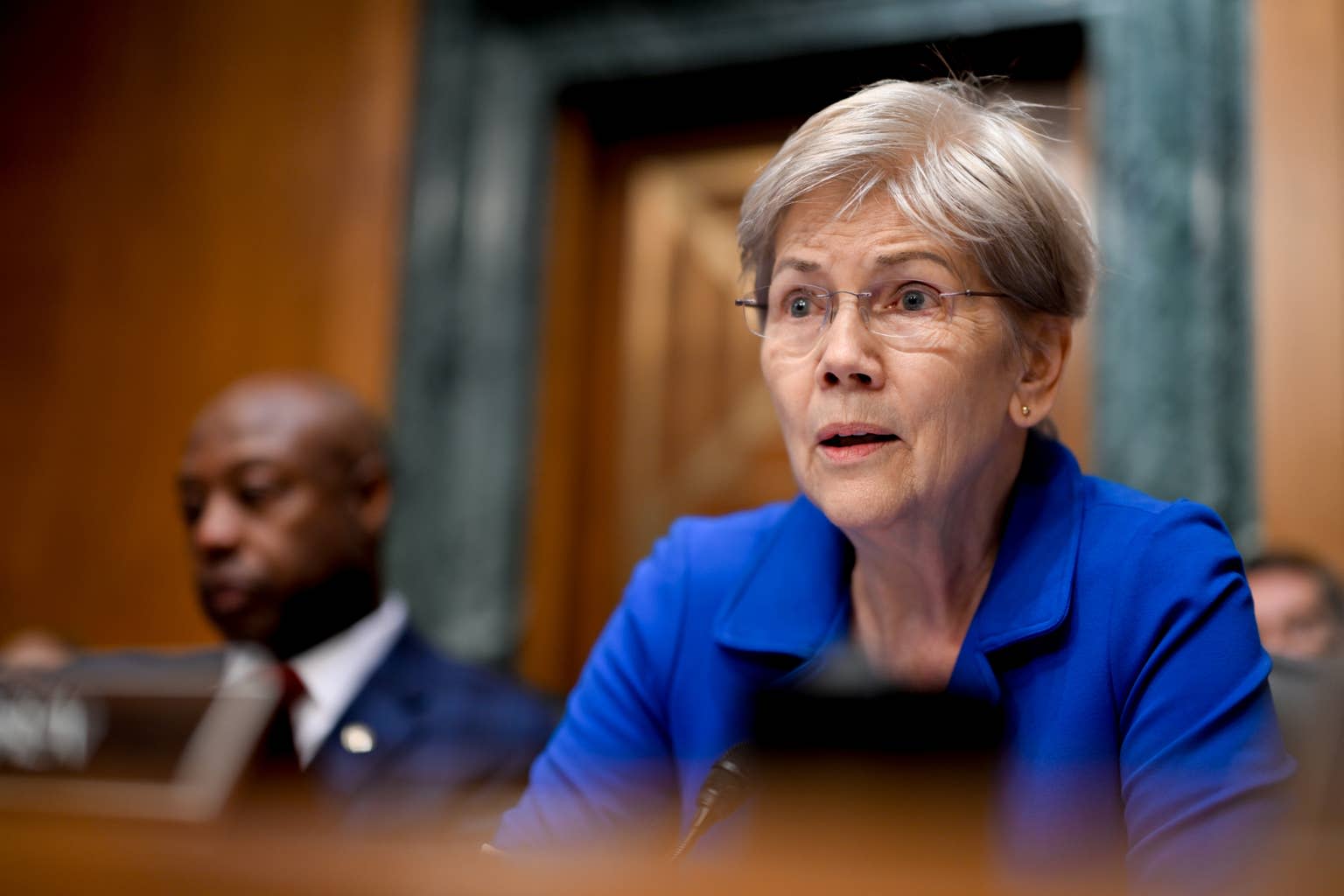
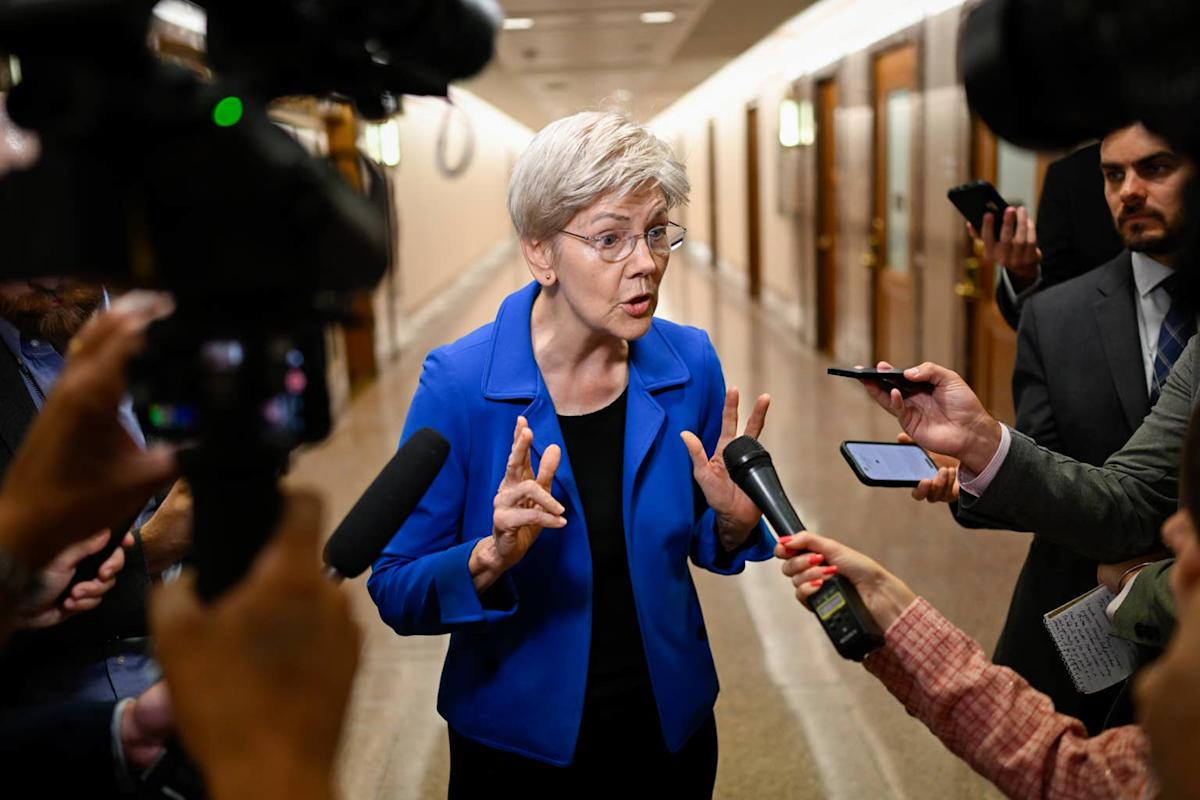
On May 19, Senator Elizabeth Warren sent a letter to Gould accusing the OCC of allowing crypto firms to sidestep core banking safeguards through what she described as “regulatory arbitrage.”

“These companies are effectively crypto banks that want to evade the fundamental safeguards and obligations that come with being a bank,” Warren wrote.

The Massachusetts senator argued that several approved trust-charter business models appeared to extend beyond narrow fiduciary activities into payments, custodial services and stablecoin operations that “closely related to deposit-taking.”

Wall Street giant dumps Solana, XRP for surprising new investment

Popular American ATM operator files for Chapter 11 bankruptcy

Iran offers insurance lifeline for ships crossing Hormuz

Warren warned the approvals could create “clear risks to consumers,” threaten “the safety and soundness of the banking system” and undermine the separation of banking and commerce.

Her letter also requested internal OCC legal analyses and communications involving the White House or Trump family members regarding the approvals.

Warren separately raised concerns over a pending OCC trust charter application tied to Trump-backed World Liberty Financial, which plans to issue and custody its USD1 stablecoin internally if approved.

The latest clash is part of Warren’s broader opposition to deeper crypto integration into the US financial system, particularly around stablecoins and banking access.

Warren has repeatedly criticized the GENIUS Act, warning the legislation could create “light-touch regulation for crypto banks” while weakening consumer protections and financial safeguards.

On May 7, Warren also pressed Meta over reported stablecoin integration plans, warning that stablecoins tied to major technology platforms could threaten competition, financial privacy and payment system stability.

As more crypto firms push for federal charters and stablecoin infrastructure expands, the fight over whether digital asset companies should operate inside the US banking system is rapidly becoming one of Washington’s biggest financial policy battles.

Related: White House advisor teases major announcement again

This story was originally published by TheStreet on May 19, 2026, where it first appeared in the MARKETS section. Add TheStreet as a Preferred Source by clicking here.
Comments
You must be logged in to comment.