yahoo Press
Vatican warns rebel Catholic group it risks excommunication
Images
1 / 8
2 / 8

3 / 8

4 / 8
5 / 8

6 / 8

7 / 8

8 / 8
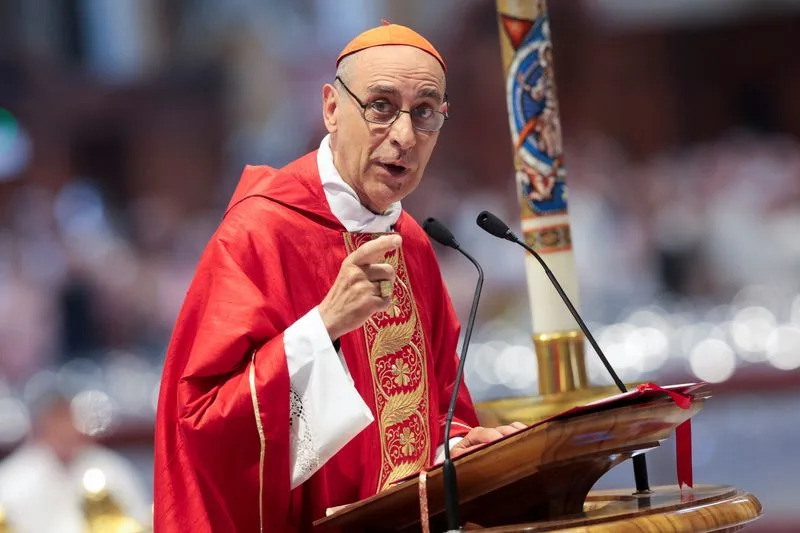
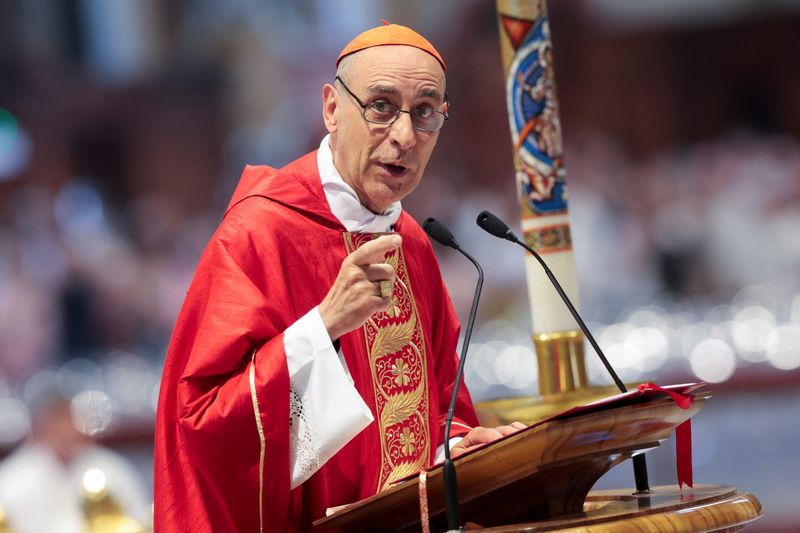
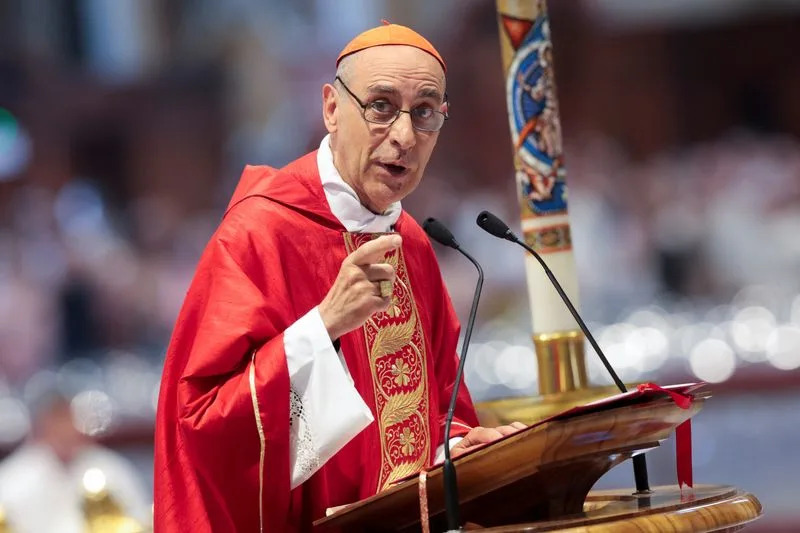
By Joshua McElwee VATICAN CITY, May 13 (Reuters) - The Vatican on Wednesday urged a breakaway Catholic group dedicated to the old Latin mass to cancel plans to ordain new bishops without consent from Pope Leo, warning the action would incur excommunication from the 1.4-billion-member Church. In the first known threat of the Church's most severe penalty during Leo's papacy, the Vatican's doctrinal office told the Swiss-based Society of St. Pius X any ordination of bishops would create a "schism", or formal rupture with the pope. The planned ordination ceremony would mark "a grave offence against God and entail the excommunication established by the Church," Cardinal Victor Fernandez, head of the office, said in a statement. The Society of St. Pius X is an ultra-traditionalist group that denies the key teachings of the Second Vatican Council, a landmark Vatican gathering of bishops in the 1960s that pursued a range of reforms for the global Church. The Council also allowed for the Mass, until then said only in Latin, to be celebrated in local languages. The society rejected that change, citing a desire for the Latin rite's sense of mystery and formality. Excommunicated persons are considered completely separated from the Church. They are unable to receive sacraments or hold Church office until they repent. If they die while excommunicated, they are unable to receive Catholic burial. The Society of St. Pius X, which says it counts 733 priests worldwide, has had tense relations with the Vatican for decades. Its late founder, Archbishop Marcel Lefebvre, was excommunicated in 1988 after ordaining four bishops without permission from then-Pope John Paul II. Benedict XVI, John Paul's successor, sought to renew dialogue with the society and lifted four remaining excommunications. The current leadership announced in February that it planned to ordain new bishops, without Vatican approval, in July, citing a need for more prelates to lead the society. It is a strict teaching of the Church that only the pope can authorize the consecration of new bishops, in order to maintain the Church's ties to Jesus' 12 apostles, who are considered the first priests and bishops. Consecration without papal consent incurs automatic excommunication for both the person being consecrated and the bishop conducting the ceremony. (Reporting by Joshua McElwee; Editing by Crispian Balmer, Alexandra Hudson)
Comments
You must be logged in to comment.