yahoo Press
Oil little changed as Trump arrives in China; US oil stocks fall more than expected
Images
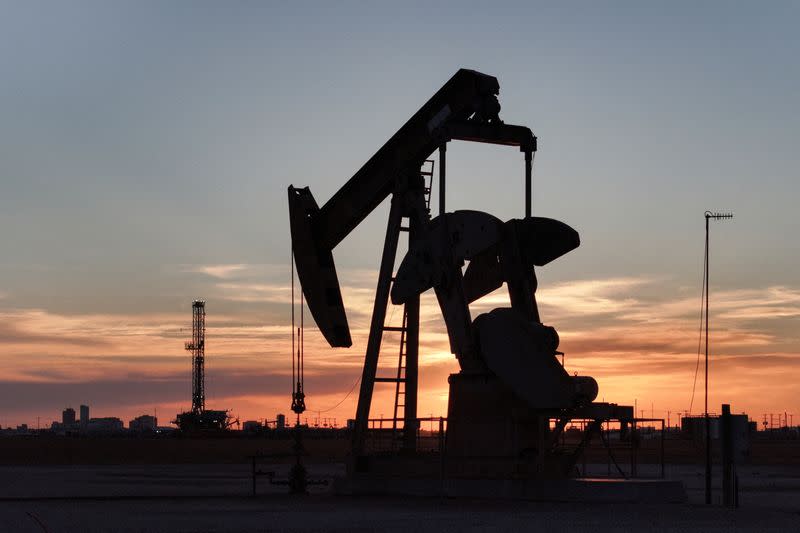
1 / 4
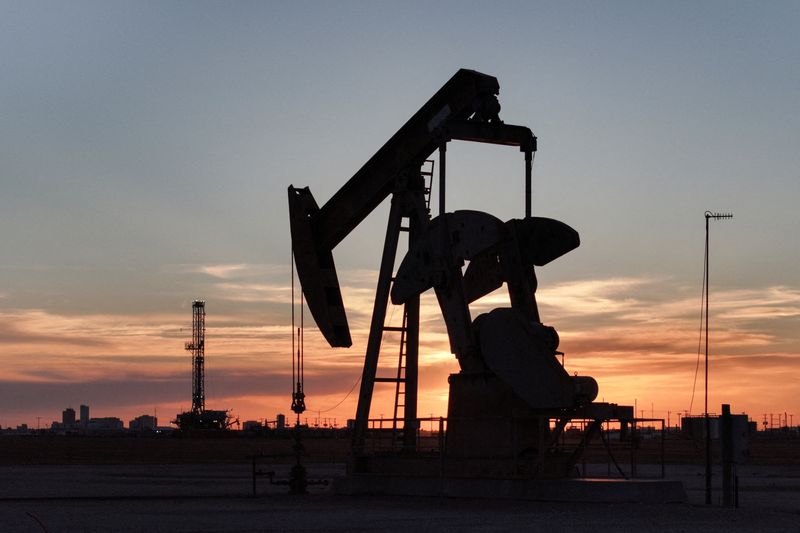
2 / 4

3 / 4

4 / 4
By Arathy Somasekhar HOUSTON, May 13 (Reuters) - Oil prices were little changed on Wednesday even as U.S. crude inventories fell sharply with investors focused on a fragile Middle East ceasefire and a high-stakes summit in Beijing between U.S. President Donald Trump and China's Xi Jinping. Brent crude futures were down 15 cents, or 0.1%, to $107.62 a barrel at 1503 GMT. Meanwhile U.S. West Texas Intermediate futures edged up 91 cents, or 0.9%, to $103.09. U.S. crude stocks fell by 4.3 million barrels last week, compared with analysts' expectations in a Reuters poll for a 2.1-million-barrel draw, the U.S. Energy Information Administration said on Wednesday. Gasoline stocks fell by 4.1 million barrels in the week, compared with analysts' expectations in a Reuters poll for a 2.9-million-barrel draw. Distillate stockpiles, which include diesel and heating oil, rose by 0.2 million barrels versus expectations for a 2.7-million-barrel drop. Brent and U.S. crude futures extended gains briefly on the data. On Tuesday, oil prices rose more than 3% as hopes for a lasting U.S.-Iran ceasefire faded, dimming prospects for reopening the Strait of Hormuz, through which about a fifth of global oil and liquefied natural gas normally flows. Trump landed in Beijing on Wednesday after saying on Tuesday he did not think he would need China's help to end the war, even as prospects for a lasting peace deal weakened and Tehran tightened its grip over the strait. China is the biggest buyer of Iranian oil despite sanctions pressure from the Trump administration. Trump is scheduled to meet Xi on Thursday and Friday. "The length of time of the market rebalancing is somewhat in the balance depending on the latest round of negotiations, but it is unlikely to be less than a few months," said Rystad analyst Janiv Shah. "There is likely to be some structural tightness for at least the balance of this year." OPEC on Wednesday lowered its forecast for world oil demand growth in 2026. The International Energy Agency said global oil supply would not meet total demand this year as the war wreaks havoc on Middle Eastern production. The war has begun to weigh on the U.S. economy, with higher oil prices pushing up fuel costs and economists expecting to see second-round effects in the months ahead. In April, U.S. consumer prices rose sharply for a second straight month, producing the largest annual increase in inflation in nearly three years and reinforcing expectations the Federal Reserve will keep interest rates steady for a while. Elevated interest rates raise borrowing costs and can curb oil demand. "Traders remain focused on further escalations before de-escalation," said Dennis Kissler, senior vice president of trading at BOK Financial. "While supplies do remain tight, we are seeing further demand destruction also becoming more relevant," he added. (Reporting by Stephanie Kelly in London, Katya Golubkova in Tokyo and Jeslyn Lerh in Singapore. Editing by Thomas Derpinghaus, Joe Bavier, Mark Potter and Keith Weir)
Comments
You must be logged in to comment.