buzzfeed Press
9 Things You Didn’t Know About Sculptor David Gerstein
Images
1 / 7
2 / 7

3 / 7

4 / 7
5 / 7
6 / 7
7 / 7
The artist made a brief stop in Singapore to promote his cool metal artworks at Bruno Gallery

Israeli artist David Gerstein has become one of the most recognisable names in contemporary sculpture and painting. Known for his vibrant, layered metal works and joyful subject matter, his influence stretches far beyond his Tel Aviv studio. But behind the bright colours and familiar imagery lies a practice full of unexpected detail.Here are nine things you may not know about him.1.  Singapore sparked the koi fish series

The idea for Gerstein's iconic koi fish works originated right here in Singapore. He was so captivated by the pools of koi fish he encountered that the concept took hold and he developed an entire series around the subject. So taken by the imagery that he went on to build a dedicated pool in his own studio, allowing him to observe the fish and lotus at close range as he worked.

2.  A koi painting sold within hours of being displayed

Such is the immediacy of Gerstein's work that one of his koi fish paintings sold within just five hours of being placed in a window display in Bruno Gallery, Singapore – a remarkable testament to how instantly arresting his art is to even the most casual passerby.3.  He paints to jazz from the 1940s and '50s

When Gerstein picks up a brush, he does so to the soundtrack of jazz music from the 1940s and 1950s. The rhythm and mood of that era are a constant presence in his studio, quietly shaping the energy he brings to every canvas.

4.  He was an early adopter of laser cutting

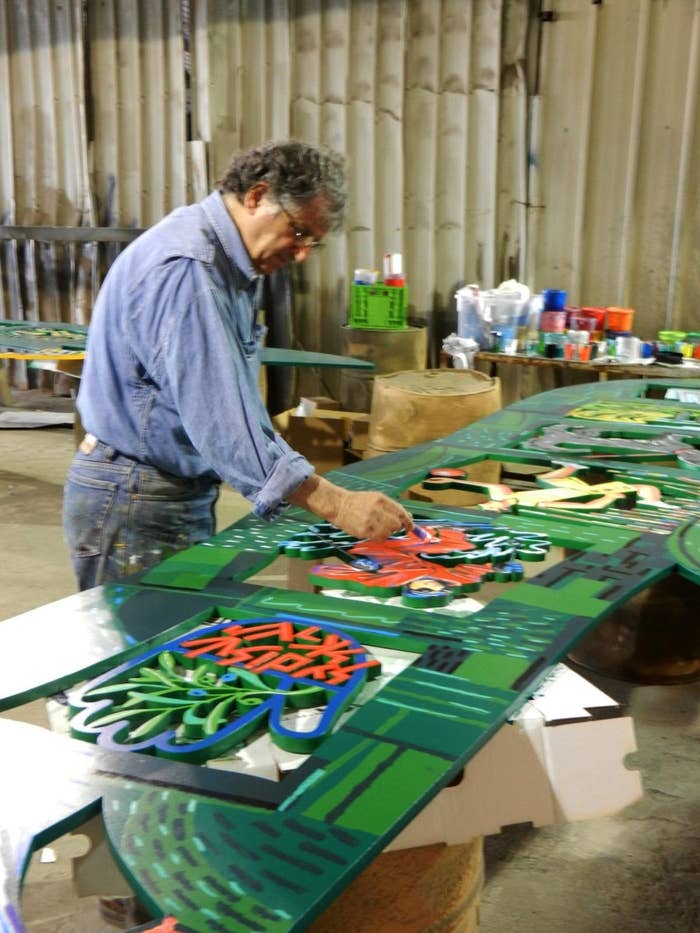
When laser cutting technology first emerged in the 1990s, Gerstein was quick to recognise its creative potential. He adopted the technique to cut metal with precision, and it marked the true beginning of his distinctive works in steel and aluminium. In this respect, he was something of a pioneer – using industrial technology as an artistic tool long before it became widespread in the art world.

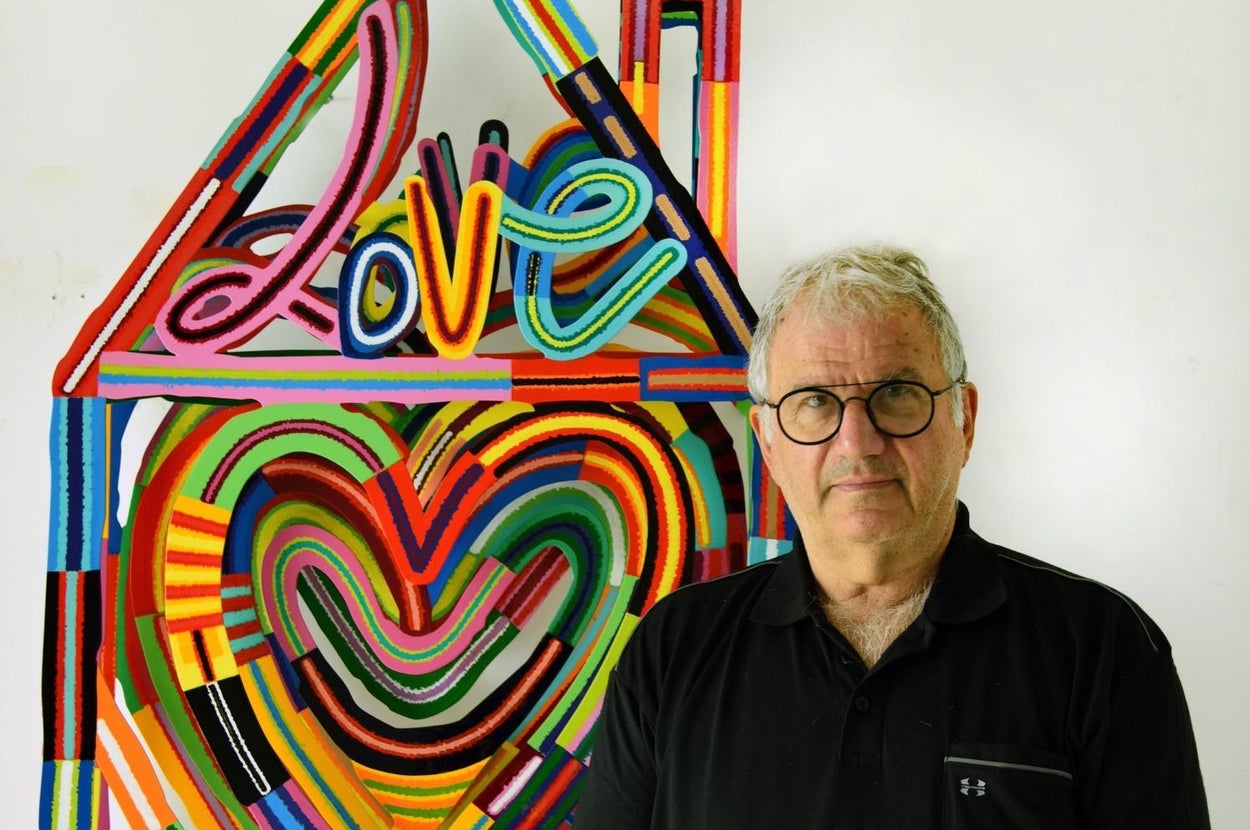
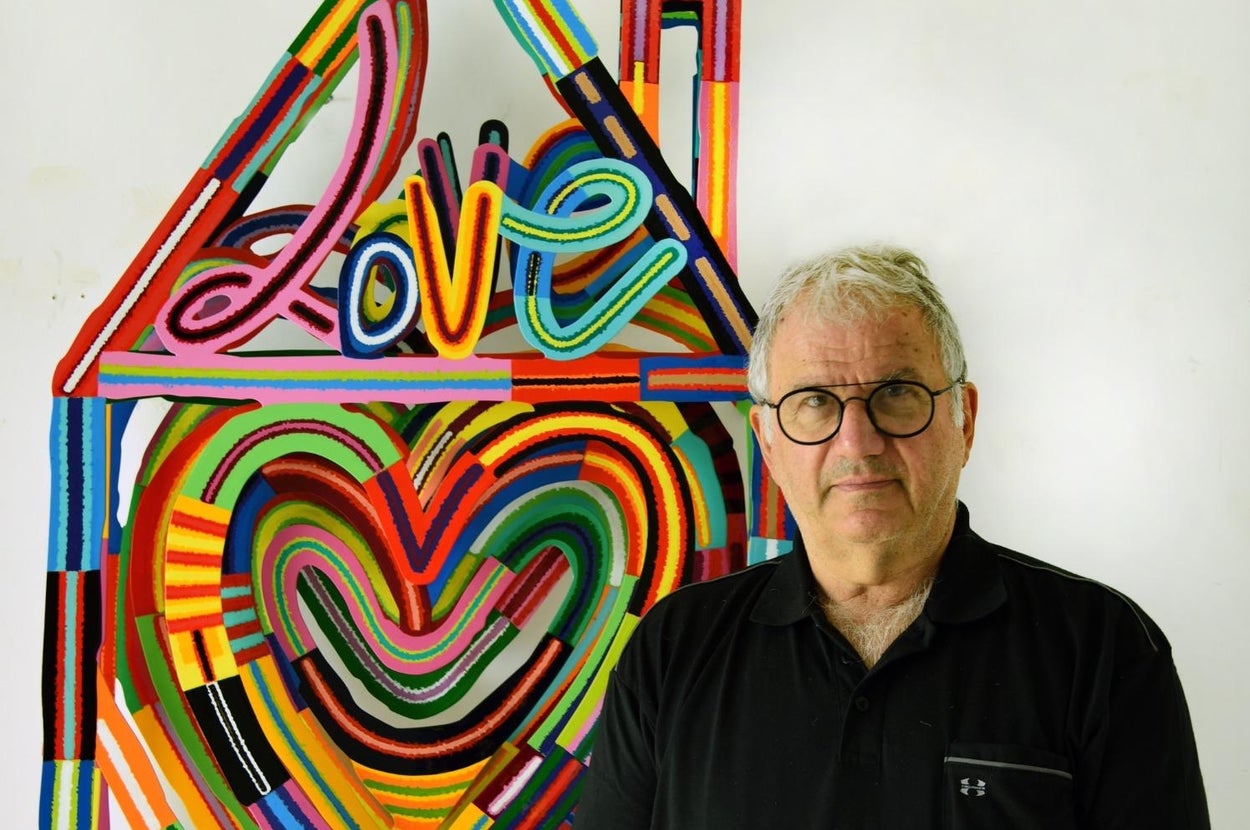
One of the most distinctive features of Gerstein's practice is his decision to strip away the background – to remove, as he puts it, the 'walls of the canvas' – and concentrate entirely on the subject itself. The result is art that feels close to pop art in spirit but is three-dimensional in form, with etched figures and forms floating freely in space rather than sitting within a frame.

6.  Car industry paint keeps his colours vivid for decades

The luminous, enduring colours that define Gerstein's metal works are no accident. He uses automotive industry paint – the same durable coating applied to cars – ensuring that his public sculptures and artworks can withstand the elements for decades without fading. It is a practical choice that is also a deeply considered one, as colour is central to his artistic identity.

7.  The Raffles sculpture was a colour compromise – with meaning

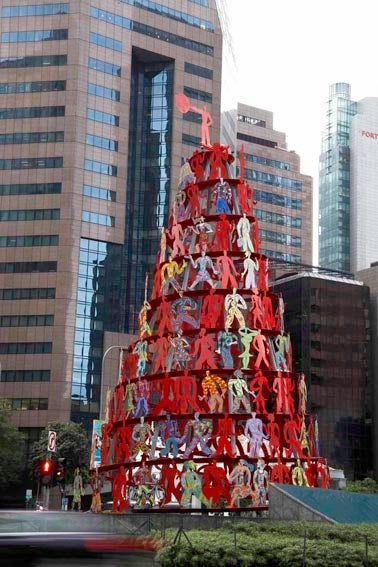
Gerstein originally wanted his sculpture at Raffles Place, Singapore, to be rendered entirely in red. He felt the singular colour would be more visually striking. The final multicoloured version was a compromise, but one that took on its own significance: the blend of colours came to reflect Singapore's multicultural identity, a melting pot rendered in paint and steel. He returns every five years to inspect the work and ensure it remains in perfect condition.

8.  His cyclist sculpture won best sculpture in Taiwan in 2017

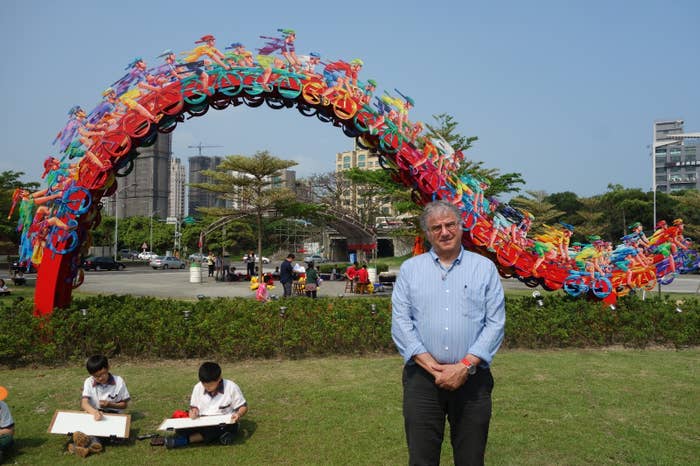
Among his most ambitious works is a monumental cyclist sculpture – 14 metres long and 6 metres high – which took the prize for best sculpture at a prestigious competition in Taiwan in 2017. Gerstein has spoken of his ambition for such works to become cultural icons in the tradition of the Eiffel Tower or the Statue of Liberty: landmarks that people travel to see, and that come to define the places they inhabit.

9. His art carries a quiet message of peace

Peace is a recurring theme in Gerstein's work, made visible through recurring motifs of doves and the Hebrew word shalom – meaning peace, wholeness, and harmony. For Gerstein, art is not merely decorative but carries an intention: to spread warmth and goodwill into the public spaces his works inhabit.
Comments
You must be logged in to comment.