yahoo Press
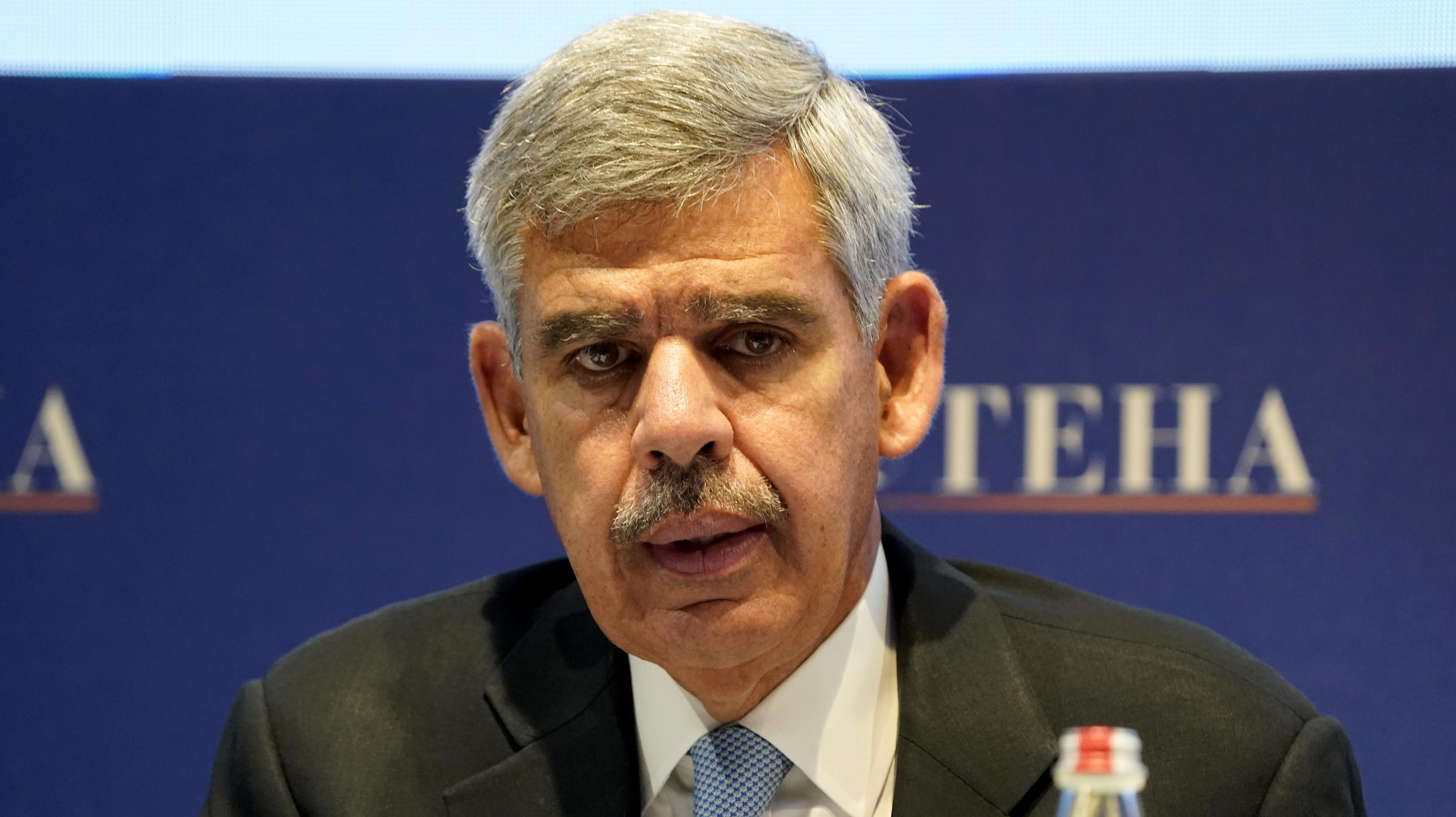
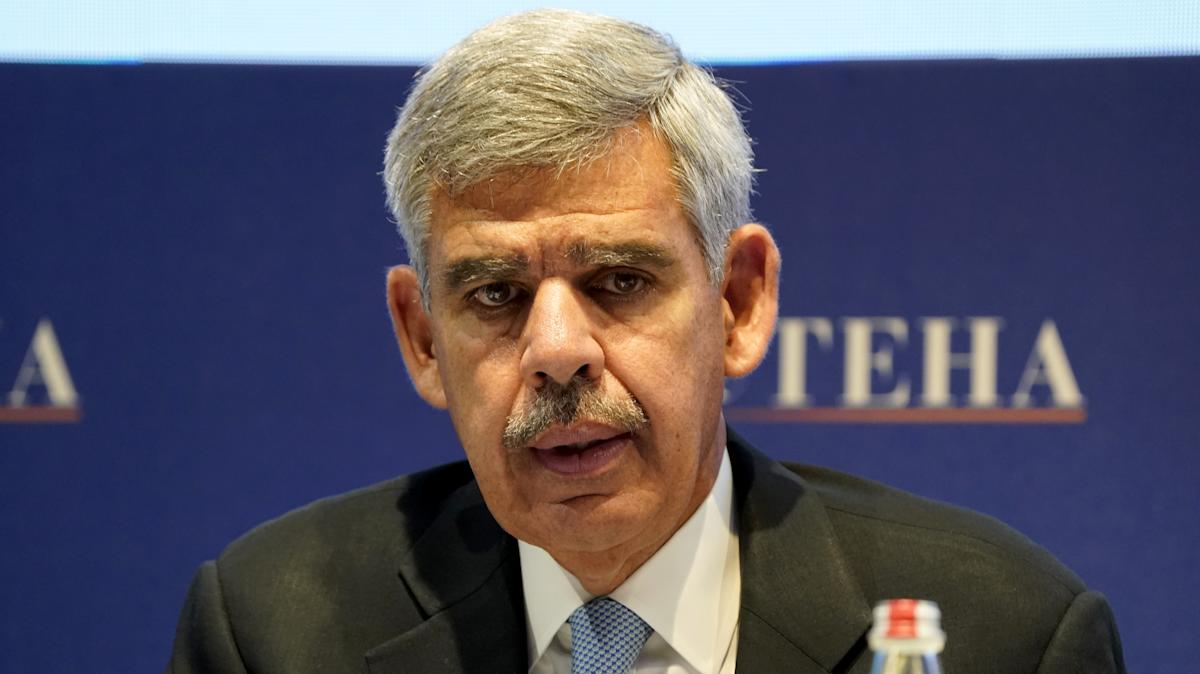
Mohamed El-Erian says the Fed must learn to be ‘more deserving of independence' — or the economy could go down with it
Images
1 / 4
2 / 4

3 / 4

4 / 4
An international group of former central bankers, finance ministers and senior economists has delivered a sharp rebuke to the U.S. Federal Reserve.

They warned that the institution must earn back its independence from "shorter-term political pressures that may emanate from the election calendar," and that failure to do so poses real risks to everyday Americans (1).

Thanks to Jeff Bezos, you can now become a landlord for as little as $100 — and no, you don't have to deal with tenants or fix freezers. Here's how

Robert Kiyosaki says this 1 asset will surge 400% in a year and begs investors not to miss this ‘explosion’

Dave Ramsey warns nearly 50% of Americans are making 1 big Social Security mistake — here’s how to fix it ASAP

The Group of Thirty (G30), an influential think tank of current and former global finance leaders, released a 36-page report (2) this month examining the Fed's monetary policy framework in the wake of the central bank's 2025 review (3).

The report presents the views of a working group within the G30, including the well-known Mohamed El-Erian, a chief economic advisor at Allianz and professor of practice at the Wharton School, University of Pennsylvania (2).

The core message is that central bank independence isn't automatic. It must be actively earned through accountability, credibility and public trust. As the authors put it, the Fed needs to be "more deserving of independence (2)."

The report praised some progress from the Fed's 2025 framework review, particularly its return to a symmetric 2% inflation target and its abandonment of "flexible average inflation targeting" (FAIT) — the post-pandemic policy that allowed inflation to run above target to compensate for prior undershoots (4).

Researchers at the American Institute for Economic Research argued that FAIT "contributed to the problem," saying the Fed misdiagnosed the post-pandemic inflation issue and responded too slowly — holding interest rates near-zero throughout 2021, even as evidence mounted that inflation was steadily climbing, and not just a blip (5).

El-Erian was among the loudest voices warning that the Fed was losing credibility by calling inflation "transitory" (6). His concerns proved well-founded: inflation peaked at 9.1% in June 2022 — the highest rate in over 40 years (7).

But the experts say those fixes aren't enough.

Chaired by William C. Dudley, former president of the Federal Reserve Bank of New York, the report laid out eight recommendations to shore up the Fed's framework, including publishing staff economic forecasts after each meeting of the Fed's open market committee, developing a clearer framework for quantitative easing (8) and tightening, and better communicating how it will weigh its inflation and employment goals against each other (4).

A recent Brookings Institution survey of Fed watchers underscores the urgency: three-quarters of respondents rated the threat to Fed independence as a four or five out of five. And while academics tended to give the Fed's communications an A or A-, only 8% of private-sector respondents agreed, most giving a B+ or B (9).

When the central bank loses credibility or surrenders autonomy to political pressure, the consequences ripple directly into household finances. The interest rates set by the agency have a trickle-down effect on the borrowing and savings rates consumers see every day, from credit cards and auto loans to mortgages.

As CNBC reported after the Fed's April meeting, credit card interest rates have stayed just under 20%, while car buyers are being squeezed by both high sticker prices and elevated interest rates, with neither showing signs of letting up (10).

Mortgage rates tell the same story. The average 30-year fixed rate sits at 6.37% (11), as the Fed held rates steady at its April meeting while navigating persistent inflation and ongoing White House pressure to cut rates (which could stimulate economic activity, but make inflation worse).

In 2023, El-Erian warned the Fed's aggressive rate-hiking cycle had effectively "destroyed" both supply and demand in the housing market (12).

The following year, he told PBS the same hikes had to be done "very quickly because the Fed fell behind," and that Americans were still feeling the consequences of having to raise rates by more than five percentage points in a compressed window (13).

Read More: This $1B private real estate fund is now accessible to non-millionaires. Start investing with just $10

The timing of the G30 report is pointed. Jerome Powell's term as Fed chair expires this month (14), and on May 11, the Senate voted to advance the confirmation of Trump's chosen replacement, Kevin Warsh.

The Banking Committee advanced his nomination along strictly party lines — the first fully partisan committee vote on a Fed chair nominee in history, according to Sen. Elizabeth Warren (15).

Warsh has insisted that "Fed independence is largely up to the Fed," and that the institution must "stay in its lane" by avoiding policy overreach into areas like climate and social inequality, according to CNBC (16).

But critics, including former Fed officials interviewed by CNBC, have flagged that some of Warsh's proposals — particularly around a new "Fed/Treasury accord" governing the balance sheet — remain vague and potentially concerning (17).

The G30 report lands squarely into this highly charged moment. As the Brookings survey found, the most common answer experts gave for Warsh's biggest challenge was "maintaining monetary policy independence from the White House" (9).

Millionaires under 43 are reshaping investing — just 25% of their portfolios are in stocks. Here’s where their money is going

Taxes are going to change for retirees under Trump’s ‘big beautiful bill’ — here are 4 reasons you can’t afford to waste time

Robert Kiyosaki issues grim warning for baby boomers: many could be ‘wiped out’ and homeless ‘all over’ the country

Vanguard’s outlook on U.S. stocks is raising alarm bells for retirees. Here’s why and how to protect yourself

Join 250,000+ readers and get Moneywise’s best stories and exclusive interviews first — clear insights curated and delivered weekly. Subscribe now.

We rely only on vetted sources and credible third-party reporting. For details, see our ethics and guidelines.

Group of Thirty (1),(2),(4); EIN Presswire (3); American Institute for Economic Research (5); CNBC (6),(10),(15),(16),(17); U.S. Bureau of Labor Statistics (7); Investopedia (8); Brookings Institution (9); Yahoo Finance (11),(12); PBS (13); NPR (14)

This article originally appeared on Moneywise.com under the title: Mohamed El-Erian says the Fed must learn to be ‘more deserving of independence' — or the economy could go down with it

This article provides information only and should not be construed as advice. It is provided without warranty of any kind.
Comments
You must be logged in to comment.