yahoo Press
Hot CPI report likely to put Fed on guard for longer-lasting inflation. Meanwhile, rate hike odds are rising.
Images
1 / 7
2 / 7

3 / 7

4 / 7

5 / 7

6 / 7
7 / 7
April’s hotter-than-expected inflation reading is likely to put the Fed on watch for higher energy costs creeping into other prices, a red line that, if crossed, could raise the possibility of interest rate hikes.

The Consumer Price Index rose 3.8% in April, compared with expectations for a rise of 3.7%, and up from 3.3% in March. Energy prices accounted for 40% of the increase, while shelter and food also surged.

“The fact that higher input costs from oil are being readily passed through to consumers, as well as other signs of broadening inflation impact, should both add to the Fed’s worries about inflation,” said Preston Caldwell, chief US economist at Morningstar. “The odds of a rate hike in 2026, while still less than 50%, are rising.”

According to CME FedWatch, markets on Tuesday morning were pricing in a nearly 98% chance that the Fed will hold rates steady at its next meeting in June and through most of 2026. But looking out to December, there’s now a nearly 30% chance of a rate hike.

Stripping out energy and food prices, the inflation index on a “core” basis clocked in at 2.8%, compared with expectations of 2.7% and up from 2.6% previously. Services inflation excluding energy was up 3.3%, while goods prices, which have been pushed higher by tariffs, rose 1.1%.

Stephen Brown, chief North America economist for Capital Economics, said pressure on core inflation is “still a bit too strong for comfort, and the [Federal Open Market Committee] is likely to be concerned by renewed signs of food inflation accelerating, given the risk that higher gasoline and food prices together will further boost households’ inflation expectations.”

Members of the Fed who pushed to change language in the central bank’s policy statement, indicating the next interest rate move would be a cut, will likely push harder to shift the statement to the possibility that the next rate move could be an increase.

“We’re not getting rate cuts this year, guys,” Joe Brusuelas, chief economist for RSM, said in an interview on Yahoo Finance. “If you’re a forward-looking central banker, in good conscience, you’re not going to be arguing for a rate cut. What you’re going to be doing is talking about changing the risk bias inside the statement, setting up two-sided risks.”

Brusuelas added, “So you build a bridge in case you do have to hike rates if this war moves on a lot longer and this inflation gets sticky and it’s persistent.”

Typically, when there’s an oil price surge from a conflict, the central bank tends to treat it as a one-off and looks through it, with the expectation that prices will come back down.

But the current energy price increase is coming on top of tariffs at a time when inflation has been stuck above the Fed’s 2% goal for more than five years.

That has some Fed officials worried that pressure from the Iran war could spell more persistent inflation.

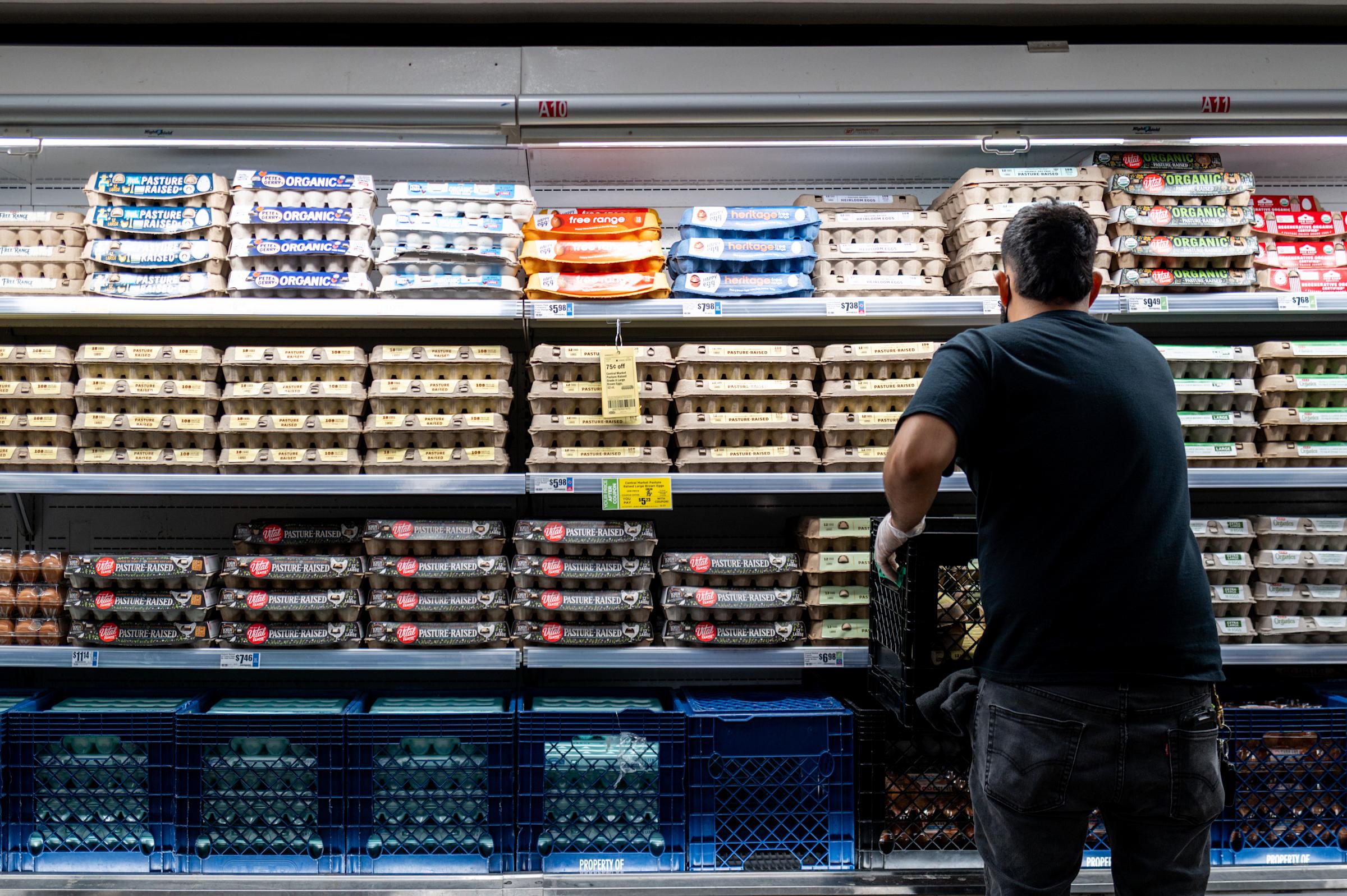
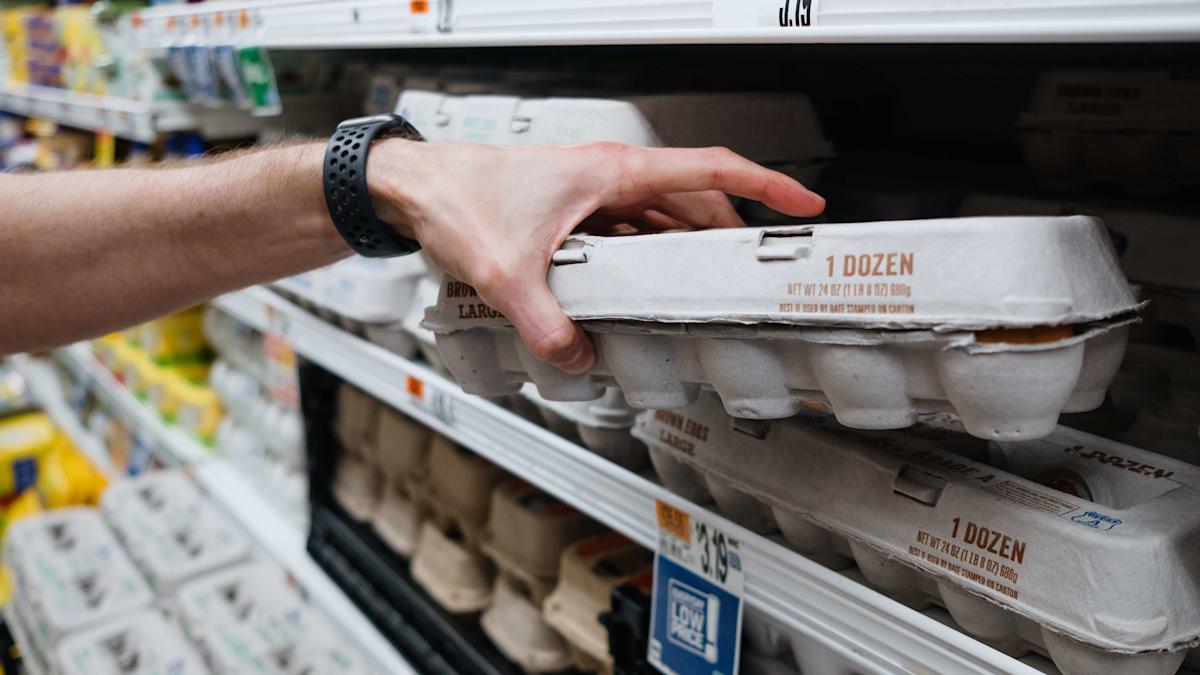
Read more: It's not just gas prices. How the Iran war is coming for your grocery bill.

“This is probably the fourth shock that we’ve had in five years,” Cleveland Fed president Beth Hammack said last week, referencing the pandemic’s disruption of global supply chains, the Russia-Ukraine invasion, and tariffs. “Is each one of these really independent? Is each one of these going to be short-lived, or is this starting to build in consumers’ and businesses' minds to create more of an inflationary mindset?”

Fed governor Chris Waller, who had been touting rate cuts, cautioned last month about looking through a sequence of shocks, saying Fed officials need to be “more vigilant.”

“If the shocks hit one after another, they will keep inflation elevated for quite some time,” Waller said. “The standard ‘look-through’ can become problematic if businesses and households start to believe inflation is persistently high and it affects their price- and wage-setting behavior.”

This new inflation alarm is what incoming Fed Chair Kevin Warsh, who is expected to be confirmed on Wednesday, is walking into. Any dovish assumption that artificial intelligence could help push down inflation and allow the central bank to cut rates — a case Warsh made publicly last year — would be a tough argument to sell to the rest of the Fed committee right now.

“The increase in the core CPI suggests high energy prices are making themselves felt throughout the economy,” said Ellen Zentner, chief economic strategist for Morgan Stanley Wealth Management. “It doesn’t mean the Fed will pivot to rate hikes, but it does reinforce the reality that new Fed leadership won’t result in an immediate dovish shift.”

Jennifer Schonberger is a veteran financial journalist covering markets, the economy, and investing. At Yahoo Finance she covers the Federal Reserve, Congress, the White House, the Treasury, the SEC, the economy, cryptocurrencies, and the intersection of Washington policy with finance. Follow her on X @Jenniferisms and on Instagram.

Click here for the latest economic news and indicators to help inform your investing decisions

Read the latest financial and business news from Yahoo Finance
Comments
You must be logged in to comment.