buzzfeed Press
A Real Pathway Into Motorsport: How Sim Racing Is Driving Talent From First Laps To World Champions
Images
1 / 9
2 / 9

3 / 9
4 / 9
5 / 9

6 / 9
7 / 9
8 / 9
9 / 9
Featuring insights from Oliver Norris, CEO of Cool Performance and brother of Lando Norris, on how simulation is reshaping driver development and access in motorsport

The idea that a racing career must begin at the track is being challenged like never before.

Across motorsport, drivers are proving that the journey can start in a simulator and still lead to the highest level. What was once seen as an alternative is now becoming a foundation. Now more than ever, sim racing is opening doors for those who may never have had access to traditional pathways, with governing bodies and teams increasingly building structured routes into the sport.

“Modern racing simulators are helping drivers to develop long before they reach Formula One and other top categories,” explains Oliver Norris, CEO of Cool Performance. “Accurate, realistic simulators provide the opportunity to optimise race craft beyond very limited test days and race weekends.”

In recent years, even at the very top of the sport, the influence of simulation has become impossible to ignore.

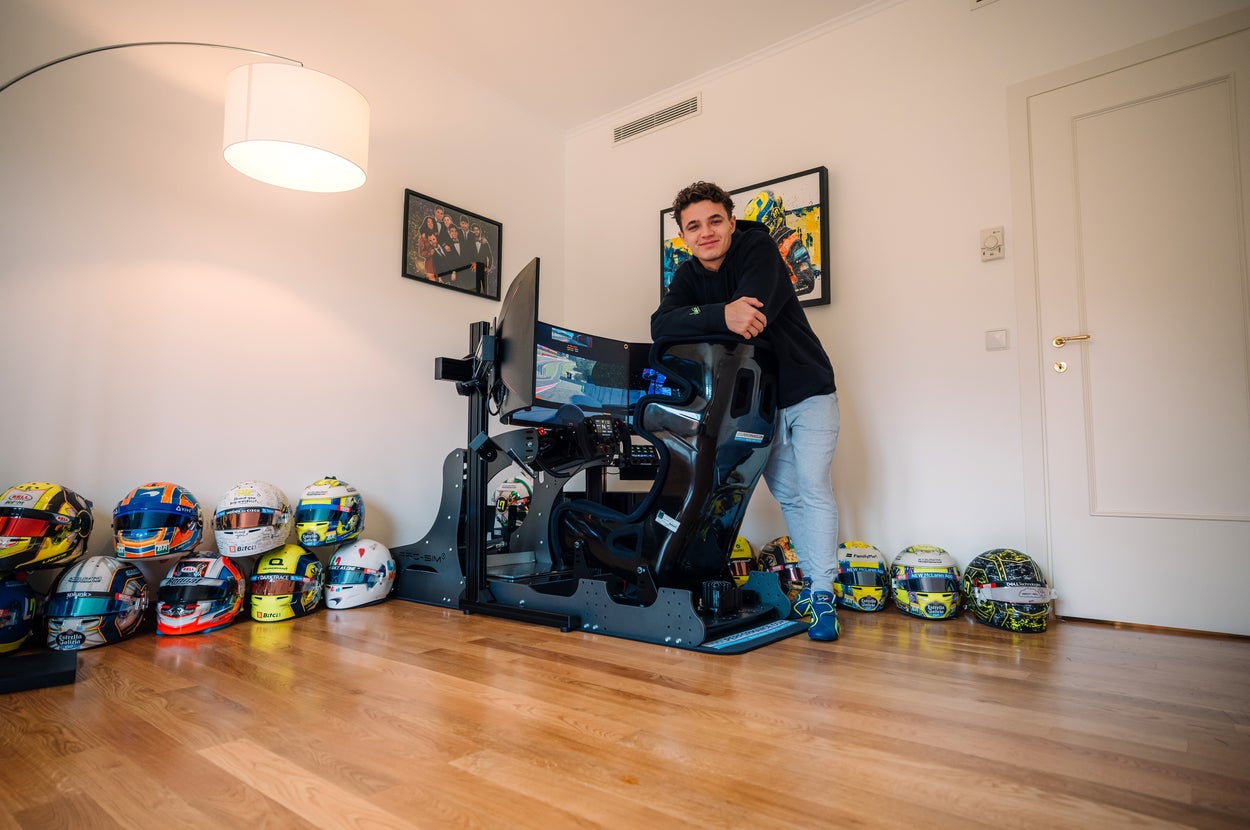
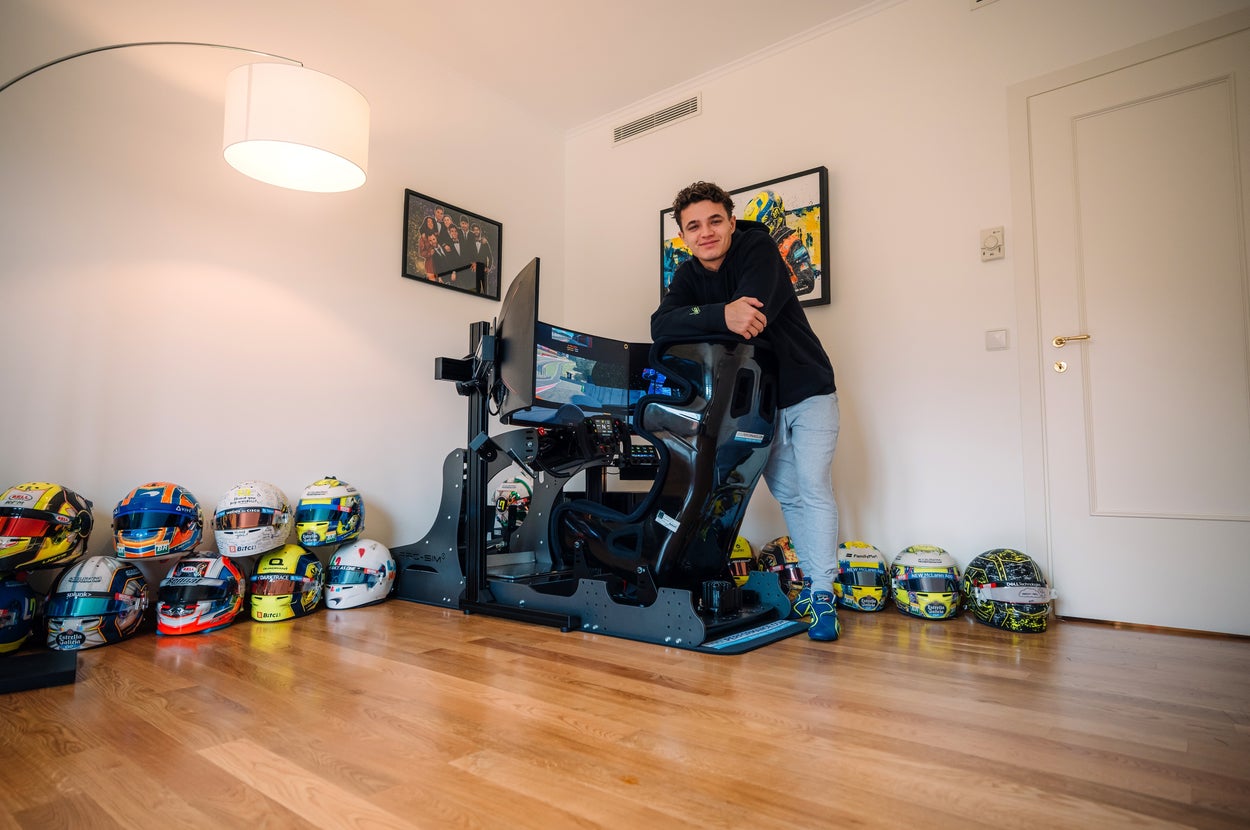
The reigning Formula One World Champion Lando Norris spent years refining his craft in the virtual world, underlining just how vital simulation has become, both as preparation and as a core part of performance.

Modern simulation systems now play a central role in driver development, offering levels of realism and consistency that were once only available within team environments.

Among those contributing to this evolution is Cool Performance, founded by Oliver Norris, whose systems have played a role in his brother Lando’s preparation.

Now widely regarded as a benchmark in professional racing simulation, the company’s technology has been shaped through feedback from hundreds of professional drivers, combined with its founder Oliver Norris’ own experience behind the wheel.

Oliver spent eight years competing in motorsport, progressing from karting through to single-seater categories, while also working closely alongside his brother, Lando Norris, during his rise to Formula One.

Simulation has fundamentally changed how drivers prepare.

Across motorsport, not just in Formula One, track time remains one of the biggest limiting factors. Testing is restricted, and in many series, opportunities to drive are heavily dependent on budget. It is a reality many drivers openly acknowledge.

Simulation is helping to close that gap.

Drivers now arrive at race weekends having already completed extensive preparation in the simulator.

“Simulators play an essential role in race preparation, allowing drivers to get track time long before arriving at a race weekend,” Norris explains. “Preparing on the simulator allows drivers to arrive with the muscle memory needed to deliver consistently fast laps.”

That level of preparation is now trusted at the very highest level, shaping how drivers arrive, perform and compete.

GT Academy proved more than a decade ago that sim racing could translate into real-world success. Its most famous graduate, Jann Mardenborough, progressed from virtual racing into professional motorsport, going on to compete at the highest levels of endurance racing, including the 24 Hours of Le Mans. His journey was later brought to a global audience through the film Gran Turismo, reinforcing the legitimacy of sim racing as a pathway into the sport.

Today, that pathway is evolving further.

Many teams are now using simulators not just for preparation, but to identify and nurture talent. Cool Performance has been part of that shift, recently working with Academy 55 on a project designed to do exactly that.

“We’re seeing more projects where race teams find new drivers through competitions and then train them up to drive real cars,” Norris notes. “We recently worked with Academy 55 on a project that does exactly this.”

Four-time Formula One World Champion Max Verstappen has long spoken about the role simulation plays in his preparation, and has demonstrated his belief in the transferability of sim racing skills by promoting a driver from his own esports setup into real-world competition.

Sim racer Chris Lulham, who emerged from Team Redline, now rebranded as Verstappen Sim Racing under the Verstappen.com Racing programme, was given the opportunity to step into GT3 competition, marking one of the clearest modern examples of a driver progressing from esports into real-world competition at an elite level.

Simulators also play a key role in helping drivers adapt to evolving technology, while refining strategy and race scenarios, an adaptability now essential in modern motorsport, particularly Formula One.

“The simulator also provides the perfect environment to practice strategies,” Norris says. “Race restarts can be practiced repeatedly… which can be a key moment for a prepared driver to gain positions or defend.”

“Simulator training is definitely more important than ever,” he continues. “Modern F1 cars now require drivers to manage energy deployment, super clipping, and race strategy lap by lap. All of this can be practised on the simulator.”

In a sport defined by fine margins, that level of preparation can be decisive.

At the heart of this shift is the software driving modern simulation.

Platforms such as iRacing, Assetto Corsa and rFactor 2 have become the foundation of sim racing, offering highly detailed physics models, laser-scanned circuits and competitive online environments where drivers can develop their skills.

And it does not always begin with expensive equipment.

In 2011, Josh Berry won the iRacing World Championship Series using a modest home setup, competing against drivers with far more advanced equipment. His performances caught the attention of industry figures and ultimately led to opportunities with JR Motorsports, proving that talent, consistency, and racecraft can stand out, regardless of budget.

Basic setups, often consisting of a consumer steering wheel, pedals and a standard gaming PC or console, can be enough to compete, with many further developing their skills through sim racing centres.

And crucially, access is no longer limited to ownership.

Professional-grade simulators are increasingly being made available through rental services and dedicated training centres, allowing aspiring drivers to develop their skills without the upfront cost. According to Oliver Norris, this shift is central to opening the sport to a wider and more diverse pool of talent.

“Professional-grade, realistic racing simulators are not just for established drivers,” he says. “They can be used by anyone, with adjustable driving aids that can be reduced as a driver develops. What’s great is that truly anyone can use these simulators.”

That accessibility is being supported through partnerships with driver training centres and sim racing venues, as well as dedicated rental programmes. Facilities such as Drivers Lab Dubai and Focus Performance offer affordable sessions using high-end systems, often combined with professional coaching, creating an entry point that would otherwise be out of reach for many.

“We have also partnered with training centres and simulator venues, as well as offering rental services, which makes the simulators themselves more accessible,” Norris explains. “This helps under-represented groups access high-end simulators without the upfront cost needed to purchase one.”

For many aspiring drivers, this is the starting point.

From there, the path mirrors real-world motorsport. As drivers progress, so too does their equipment.

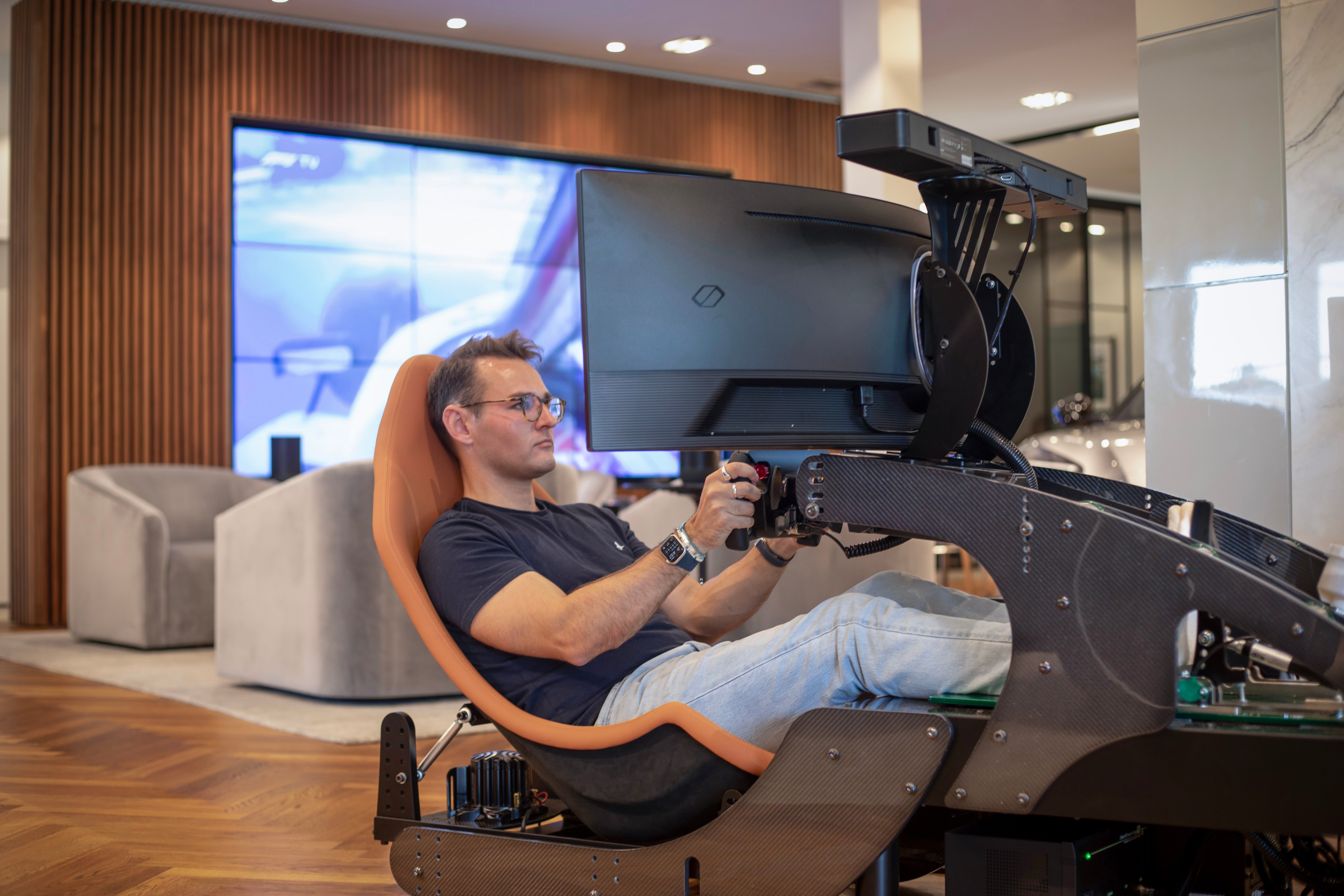
Higher-end setups introduce stronger force feedback, more precise pedal systems and improved seating positions, allowing drivers to better replicate the feel of a real car. For those serious about transitioning into real-world racing, this level of immersion becomes increasingly important.

At the highest level, professional drivers turn to systems designed to replicate racing conditions as closely as possible.

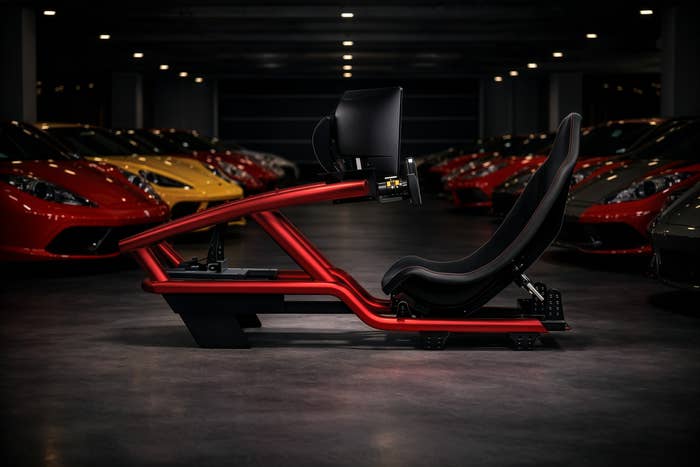
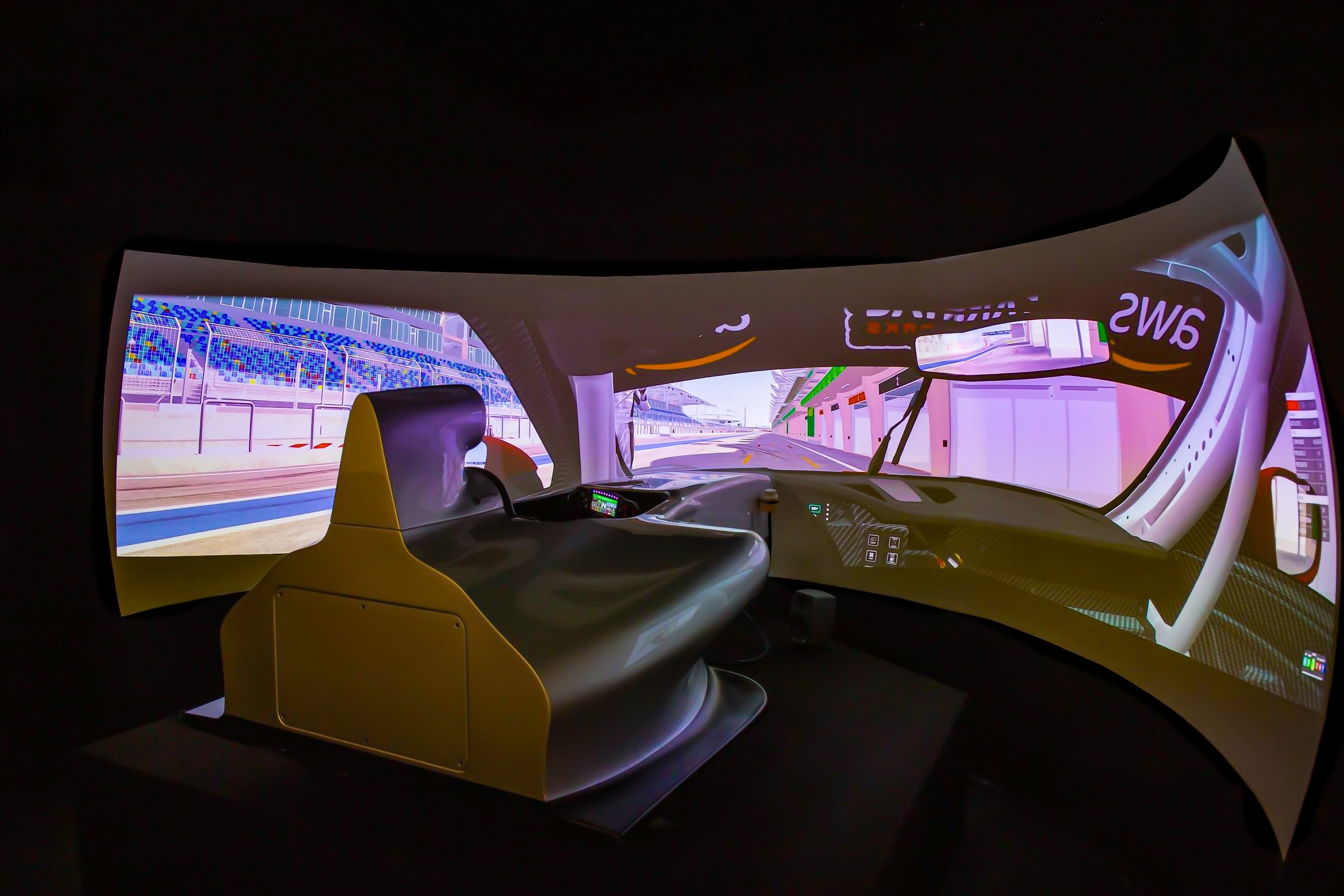
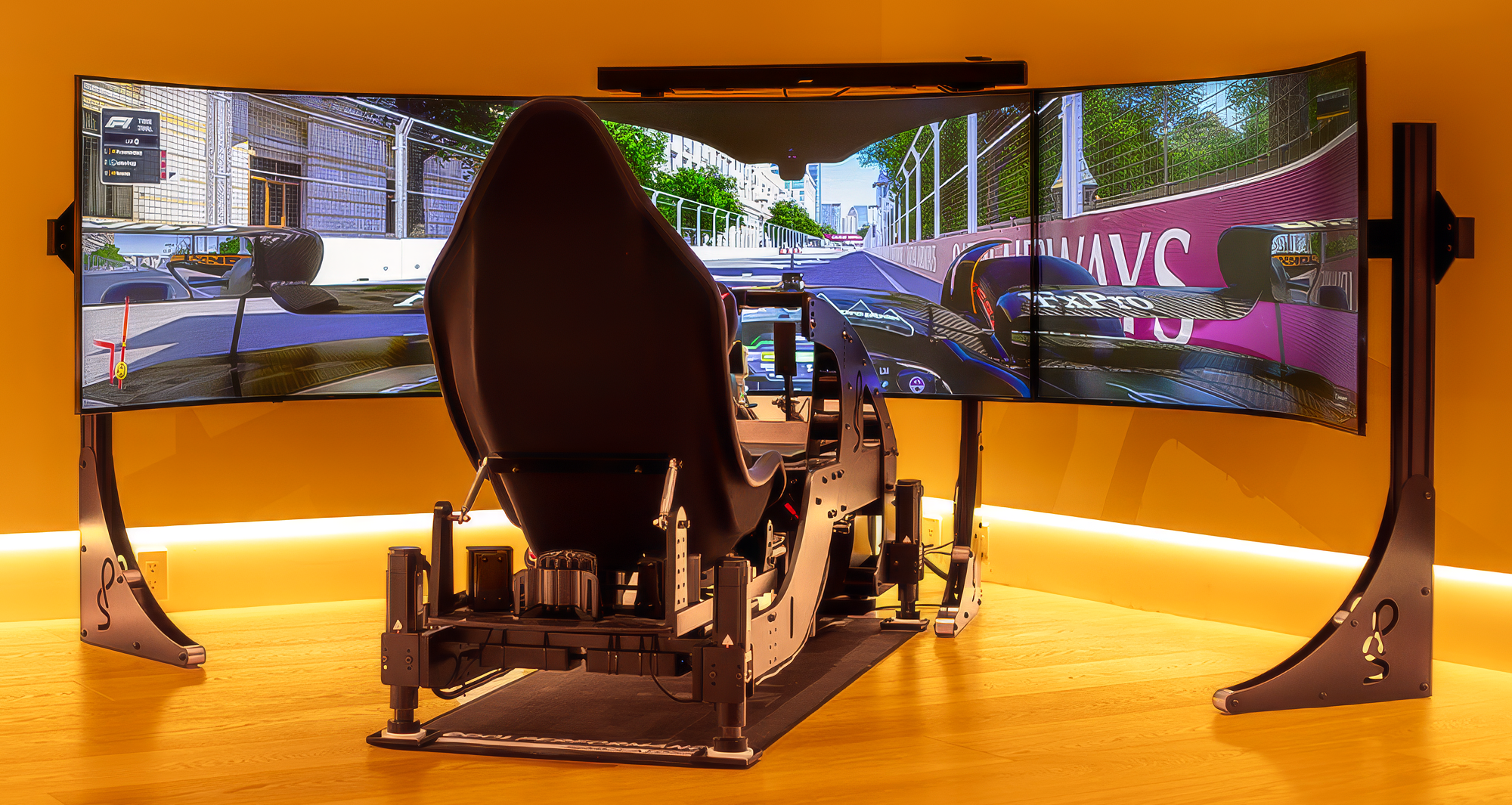
This is where companies like Cool Performance come into focus. Their flagship systems, including the Formula Pro F1 Simulator and GT Pro simulator, are built to deliver that level of realism.

Designed and engineered in-house, these systems use proprietary components refined through feedback from hundreds of professional drivers, allowing them to replicate the demands of real-world racing with a high degree of accuracy.

Powered by custom-built, high-performance computing and paired with ultra-responsive, high-resolution displays, the simulators provide precise, real-time feedback, creating an environment that closely mirrors the conditions drivers face on track.

This is where the shift becomes most significant.

Motorsport has long been defined by access. Track time is expensive. Equipment is costly. Opportunities are limited.

In the UK, Motorsport UK is now actively building that bridge. The 2026 Cross Car Esports Cup has been launched as a national competition designed to identify new talent through simulation and provide a direct pathway into real-world racing.

In addition to structured competitions, Motorsport UK has also developed a dedicated esports hub, providing a central platform for aspiring drivers to understand how to get started in sim racing.

The hub offers guidance on everything from choosing the right game and equipment based on budget, to connecting with verified communities, leagues and coaching opportunities. It removes much of the uncertainty around entering the space, creating a clearer and more accessible route into motorsport.

As a result, sim racing is not only becoming more visible, but more structured, with governing bodies actively supporting its role as an entry point into the sport.

Hosted on the iRacing platform using the official FIA Cross Car, the championship offers something rarely seen at this level: a guaranteed step into the sport. The overall winner will receive a real-world test day and race entry into the Motorsport UK Cross Car Championship, a direct transition from virtual competition to national-level racing.

Crucially, the structure is built around accessibility. Open to drivers aged 16 and over, with no prior experience required in Cross Car, Rallycross or Autocross, the competition removes traditional barriers and places the focus squarely on performance.

That accessibility is already being experienced by drivers across the world.

During the 2020 Mini Challenge UK eSeries, I competed from Barbados against a grid that included both virtual racers and real-world drivers. The championship was structured to mirror the real-world series, complete with professional commentary, live broadcasts and post-race driver interviews, offering a level of exposure rarely seen in grassroots motorsport.

The format itself reinforced the pathway. While the top sim racer earned the opportunity to step into a real race car, the leading real-world driver was rewarded with high-end sim racing equipment. The series remains available to watch today on Amazon Prime Video, reflecting how seriously these platforms are now being treated.

It is a clear signal that sim racing is no longer just a proving ground, but a recognised entry point into the sport.

Programmes like Ovoko Dream 2 Drive are taking a similar approach, using open-entry competitions to identify talent and create real-world opportunities. Drivers progress from online qualifiers into finals, where they are assessed not just on speed, but consistency, racecraft and overall potential.

It follows a model made famous by GT Academy, proving that sim racing can be more than just a game. It can be a genuine route into motorsport.

Simulation is no longer a secondary tool. It is now a core part of modern motorsport.

Drivers across the Formula One grid, including Lando Norris, Carlos Sainz and Alex Albon, have integrated simulation into their preparation, while its influence continues to expand across the wider motorsport landscape, with Cool Performance supporting over 250 professional drivers worldwide across categories including Formula 1, Formula 2, Formula 3, Formula 4, LMP and WEC.

The pathway into motorsport is becoming more open and accessible, with the potential to better reflect talent rather than circumstance.

For a new generation watching from the outside, the starting point is no longer fixed.

And for some, it still leads all the way to the grid.
Comments
You must be logged in to comment.