yahoo Press
Dave Ramsey tells woman to consider counseling, annulment 3 days after wedding over husband's broken debt promise
Images
1 / 4
2 / 4

3 / 4

4 / 4
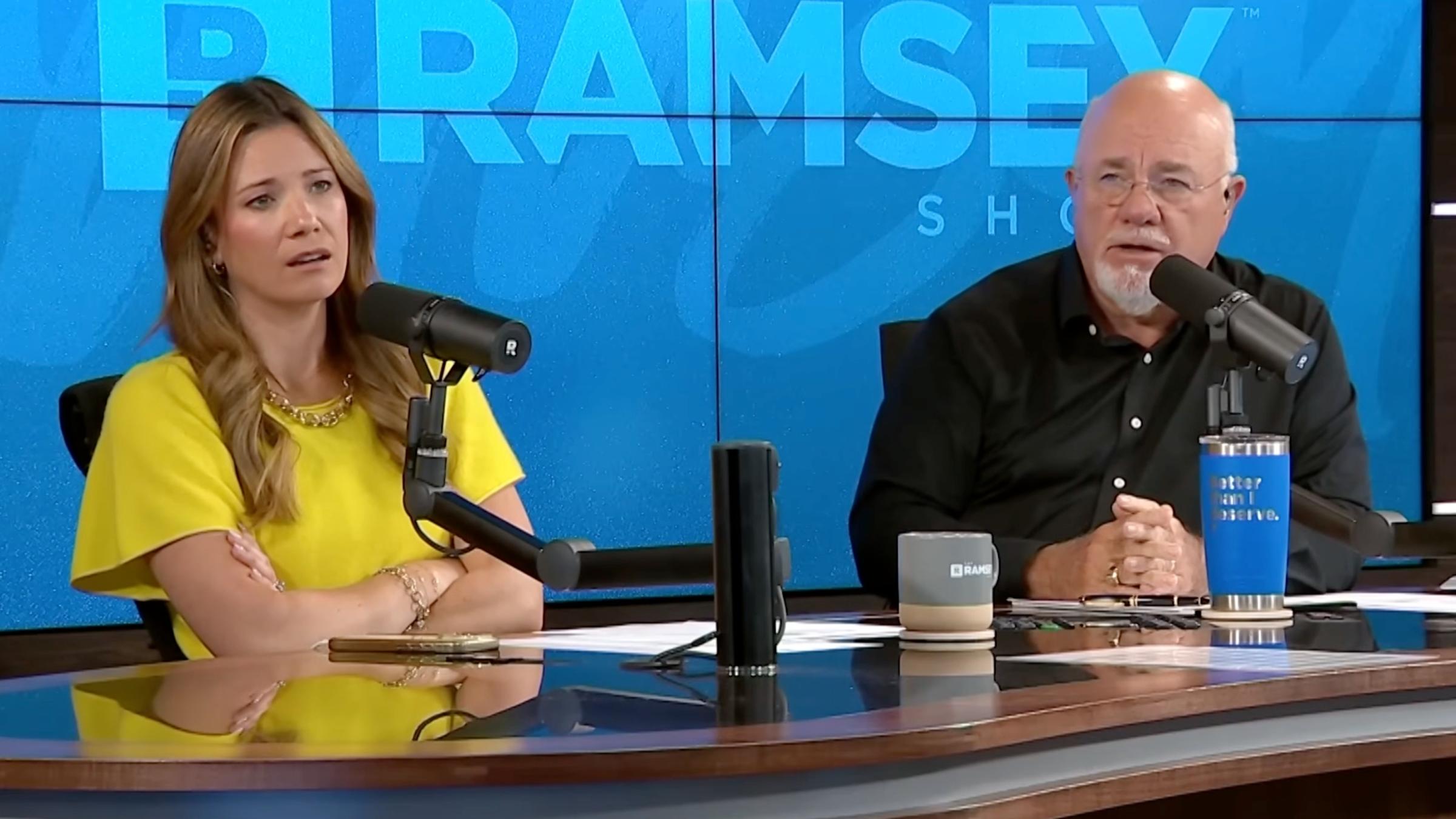
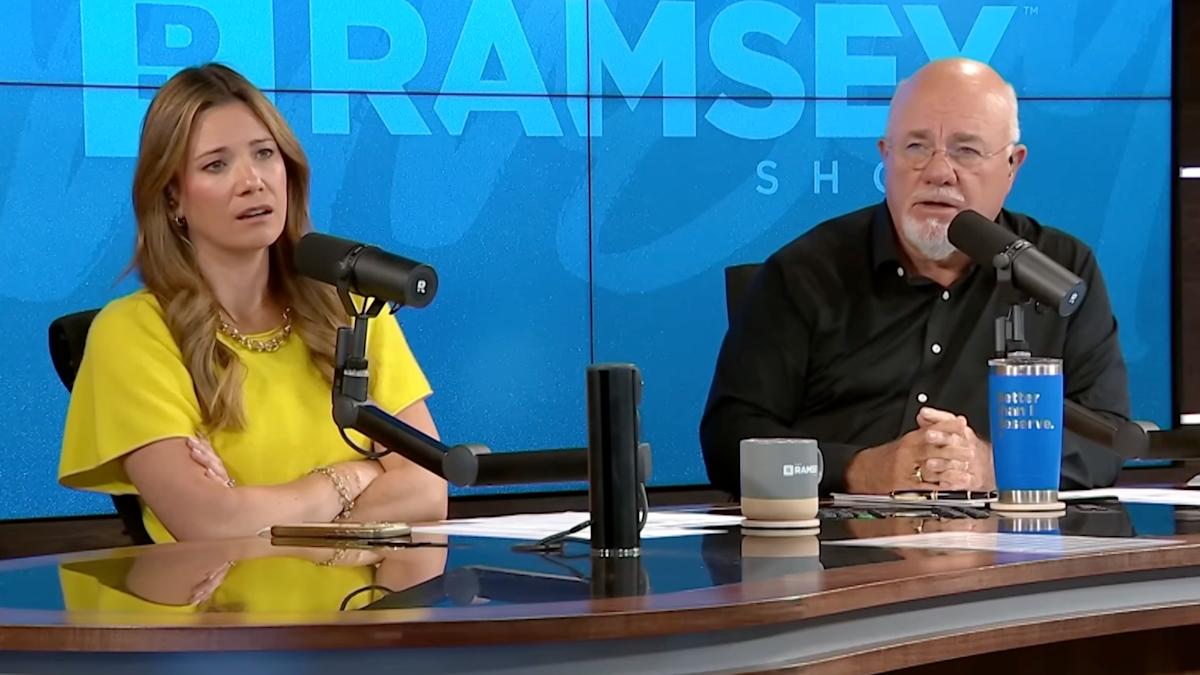
A recent caller to The Ramsey Show (1) thought she'd done everything right. She already worked through the baby steps, got herself out of debt, and bought her own home — but then she got married.

Before marriage, she and her partner had agreed to combine their finances and tackle his debt. But three days after saying "I do", he went back on their agreement.

Thanks to Jeff Bezos, you can now become a landlord for as little as $100 — and no, you don't have to deal with tenants or fix freezers. Here's how

Robert Kiyosaki says this 1 asset will surge 400% in a year and begs investors not to miss this ‘explosion’

Dave Ramsey warns nearly 50% of Americans are making 1 big Social Security mistake — here’s how to fix it ASAP

"I told him when we got married that we would combine our finances, follow Dave Ramsey, and then start paying off debt. So yesterday I said we should start paying off your credit cards and then start on your vehicle. And he's just like, 'That's fine.' I'm like, 'But you got to promise me not to use them again.' And he said, 'No, I'm going to,' 'cause he doesn't see them as debt," the caller told Dave Ramsey and Rachel Cruze.

Frustrated with both the fact that her partner doesn't consider credit cards debt and his going back on their agreement, the woman from Oklahoma City called The Ramsey Show for advice and the hosts didn't hold back.

Ramsey was blunt: the credit card disagreement isn't the real issue here – it is the lack of care and respect the husband has for his new wife.

"What bothers me about this whole thing is not the issue of whether he thinks credit cards are debt or not," he said. "The thing that bothers me is that you've married a guy that doesn't give a crap about your opinion and can't keep his word."

Cruze agreed, noting that the husband was acting like a single man who'd never had to consider anyone else. "Sounds like he's 14 years old," Ramsey added.

Their advice? Do not let this slide. Ramsey urged the caller to take this seriously, get into marriage counseling immediately, and even explore whether an annulment would be an option if things didn't change quickly.

"I would bring in a third party as soon as possible because if you let this linger, you guys will continue to create division in a new marriage that will continue on that way for a long time," Cruze added.

Considering annulment may sound extreme, but it might be the best path forward in this case. Money issues are one of the leading causes of divorce in the U.S. (2), and when couples enter marriage without getting on the same page financially, those cracks tend to deepen over time.

Read More: This $1B private real estate fund is now accessible to non-millionaires. Start investing with just $10

Being aligned on finances is crucial not only to your financial success, but also to the success of your marriage. Whether you've been married for years or are considering getting engaged, these steps will ensure you start on the right financial footing:

If you're not yet married, make sure to have a detailed conversation about your financial situation and goals before you tie the knot. Go beyond surface-level questions like "how much debt do you have?" and get into values: How do you feel about credit cards? What does financial security look like to you? What are your long-term goals? And if you're already married—make time for this talk right away.

Many couples, especially older ones entering marriage with established financial habits, find it easier to maintain two personal accounts alongside a joint account for shared expenses like rent, utilities, and groceries. The personal accounts give each partner some independence and spending freedom without having to justify every purchase, while the joint account keeps shared goals on track.

Once you've agreed on budget and savings goals, remove the friction. Set up automatic transfers to your joint accounts and any debt payoff plans. There's less to argue about if you don't have to manually move the money every month. Saving also tends to be easier when you don't have to think about it!

Your finances will shift over time — a new job, a raise, a baby, a layoff. Build in a check-in at least once a year, or any time there's a major life change, to make sure your financial plan still reflects where you both are. Think of it less like a budget meeting and more like a quick gut check: is this still working for us? Should we make changes? This helps you address challenges earlier and ensures you stay on the same page.

This is what Ramsey told his caller to do, and it applies even before problems get serious. A fee-only financial planner or a couples therapist who works with financial issues can help you surface disagreements and work through them before they become dealbreakers.

Remember that financial conversations aren't a one-and-done deal. It should be an ongoing conversation you have on a regular basis.

Millionaires under 43 are reshaping investing — just 25% of their portfolios are in stocks. Here’s where their money is going

Taxes are going to change for retirees under Trump’s ‘big beautiful bill’ — here are 4 reasons you can’t afford to waste time

Robert Kiyosaki issues grim warning for baby boomers: many could be ‘wiped out’ and homeless ‘all over’ the country

Vanguard’s outlook on U.S. stocks is raising alarm bells for retirees. Here’s why and how to protect yourself

Join 250,000+ readers and get Moneywise’s best stories and exclusive interviews first — clear insights curated and delivered weekly. Subscribe now.

We rely only on vetted sources and credible third-party reporting. For details, see our ethics and guidelines.

YouTube (1); Institute for Divorce Financial Analysts (2)

This article originally appeared on Moneywise.com under the title: Dave Ramsey tells woman to consider counseling, annulment 3 days after wedding over husband's broken debt promise

This article provides information only and should not be construed as advice. It is provided without warranty of any kind.
Comments
You must be logged in to comment.