yahoo Press
'Vampire Diaries' star Ian Somerhalder sold 'houses, cars, watches, everything' to escape 8-figure debt
Images
1 / 4
2 / 4

3 / 4

4 / 4
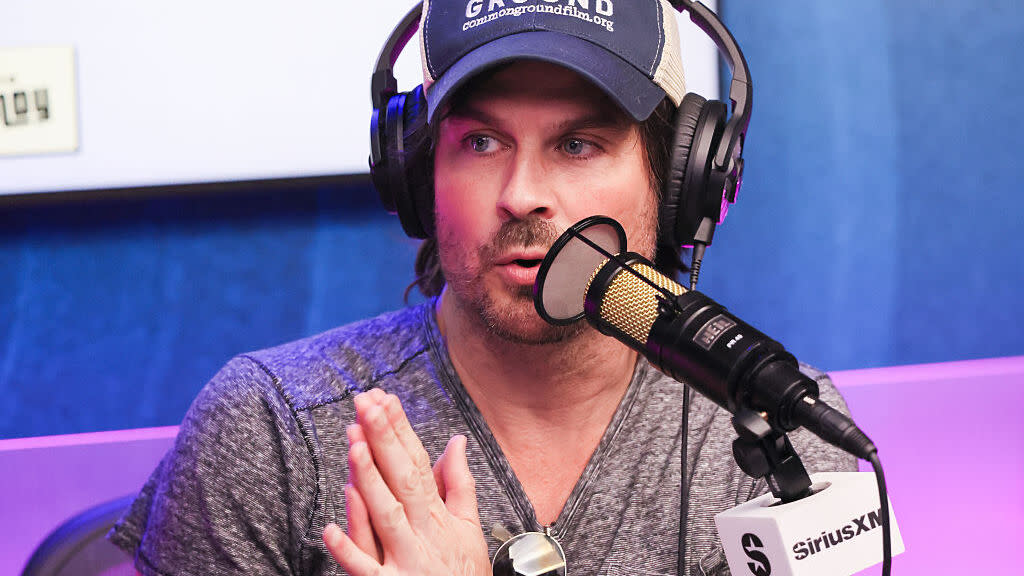
When a business fails, it can turn your world upside down, and that's what happened to one television star, who lost everything and retired from acting after a venture went wrong.

Ian Somerhalder, star of The Vampire Diaries and Lost, told E! News that he retired seven years ago from "an insanely lucrative career in television." (1) He made the decision to walk away not because roles dried up, but because his attention and finances were pulled into building a business that didn't pan out.

Thanks to Jeff Bezos, you can now become a landlord for as little as $100 — and no, you don't have to deal with tenants or fix freezers. Here's how

Robert Kiyosaki says this 1 asset will surge 400% in a year and begs investors not to miss this ‘explosion’

Dave Ramsey warns nearly 50% of Americans are making 1 big Social Security mistake — here’s how to fix it ASAP

Fraud involving an unnamed clean energy company put him and his wife, actress Nikki Reed, in "an eight-figure hole," he explained. The exact number wasn't provided but the couple were at least $10 million in debt, in a situation that Somerhalder described as being "a true nightmare."

Instead of coasting on residuals from a global hit like The Vampire Diaries, he and Reed found themselves liquidating nearly everything they owned.

According to Somerhalder, Reed played a critical role in stabilizing their situation. He said his wife "really negotiated [them] out of this deal, but [they still] sold houses, paintings, cars, watches, everything."

"This woman here decided that she didn't want to see her husband ruin his body/mind/spirit and pulled up her bootstraps and got down in the trenches assembling a team to get to the negotiating table to find a way out," Somerhalder wrote on Instagram in 2021. "She devoted her life to getting me out of that mess, and it almost killed her along the way." (2)

Somerhalder is now a co-founder "of multiple successful business initiatives," according to E! News.

According to The Hollywood Reporter, Somerhalder co-founded Brother's Bond Bourbon with his The Vampire Diaries co-star Paul Wesley (3), and he and Reed also co-founded the Absorption Company, focused on high-absorption powdered supplements. (4)

Still, the star said that, in hindsight, he "should have been retiring off of one of the biggest TV shows in the world" instead of "starting companies that were not gonna pay [him] possibly ever."

Somerhalder's story might sound extreme, but the takeaways are relatable even if you're not a Hollywood star. In a time when side hustles and entrepreneurship are widely encouraged, here are some key takeaways to consider before investing your hard earned money.

Even with a steady paycheck from a hit series, Somerhalder's financial stability unraveled quickly. Income can disappear, but debt, especially from business ventures, lingers.

The U.S. The Securities and Exchange Commission stresses the importance of diversifying your investments, and doing so with risk management in mind is key. (5)

Starting a business can be rewarding, but it means due diligence, structure and oversight. Somerhalder openly admits he didn't build his company properly. That's a costly mistake when large sums of money and reputations are on the line.

Many entrepreneurs focus on growth, but don't forget about protection. Without proper legal and financial controls, fraud can derail even promising ventures. According to Forbes Business Council, investment scams in the U.S. caused over $6.5 billion in losses in 2024 alone. (6) Do your due diligence around making sure the investment is legitimate, avoid phishing scams and stay informed about emerging threats.

Selling assets like homes and collectibles helped Somerhalder regain footing, but doing so under pressure often means accepting lower prices. Keeping a portion of wealth in liquid, accessible forms can prevent fire-sale scenarios.

Who you surround yourself with matters. Somerhalder's wife's role in navigating negotiations was critical to them getting out of their crisis. Whether it's a partner, advisor or mentor, having someone you can trust and who is capable during a crisis can make a significant difference.

Read More: This $1B private real estate fund is now accessible to non-millionaires. Start investing with just $10

Even if you take the right steps to protect your pockets, the universe can always have other plans. Inevitable life circumstances can put anyone in a hole, and a failed business — due to fraud or something else entirely — can be tough to navigate both financially and emotionally.

Recovering after a business has failed might feel insurmountable, but experts say there is a path forward, and it starts with accepting it.

Entrepreneur Neil Patel, writing in Entrepreneur magazine, says that by accepting that it's over, "failing fast" can help you get out of denial and start rebuilding. (7) Otherwise, you risk stretching out the inevitable — and pouring more money into a venture that's on its last breath.

By accepting and embracing the failure, Patel says, you can get back on track and focus on the path forward.

Once you've accepted it's over, it's important to grieve the loss, as well — but not get stuck in that grief.

"Give yourself the time you need to be upset, sad or angry," Patel continues. "That could take three months. It could take 30 minutes … You should avoid staying at this emotional nadir, however. There is benefit in negative emotion. The benefit is to give yourself the inspiration to pick up, move on and build again."

Research led by Bayes Business School on entrepreneurial failure also found that taking the steps of accepting failure, grieving and then looking forward can help people move on, and up.

"Entrepreneurs who take stock, grieve and acknowledge how they feel about their business failure might develop and engage in building networks, coaching and raising money," the researchers found. (8) "A positive, resilient attitude to failure is associated with bouncing back, while prolonged grief jeopardizes chances of this."

While grieving might seem like the hardest part, Patel's prescription for what comes next might not be an easy pill to swallow. Patel recommends taking full responsibility for the failure — not searching for outside factors or other parties to blame.

He says that owning this truth allows you to fully move on, and to grow into a better leader. Not only that, but when you accept responsibility, Patel says, "you give yourself permission to learn from the experience," adding that, "to staunchly deny your culpability is to refuse to learn from the experience."

The Bayes Business School research also found that focusing on external factors "tends to ignore the root of the problem," while taking on the blame "is more likely to yield successful learning outcomes."

Once you've accepted your part in your business's end, you can begin to learn what went wrong. Patel advises cataloguing everything: spending or hiring problems, conflict with partners, marketing missteps, all of it.

After all this, Patel says, it's time to begin again. You can start creating a new plan, taking what you've learned from your failure and putting that knowledge to work as you build your next business.

Today, Somerhalder says his Hollywood career is firmly "in the rearview mirror." After his Netflix series V Wars was canceled in 2020, he chose not to return to acting, instead focusing on family life and ventures tied to sustainability, farming and energy.

His financial setback forced him to rethink everything, and his story is a reminder that even the highest earners aren't protected from making money mistakes.

That said, recovery — even when it's painful — is still possible with the right strategy, support and mindset.

Jessica Wong contributed reporting to this story.

Millionaires under 43 are reshaping investing — just 25% of their portfolios are in stocks. Here’s where their money is going

Taxes are going to change for retirees under Trump’s ‘big beautiful bill’ — here are 4 reasons you can’t afford to waste time

Robert Kiyosaki issues grim warning for baby boomers: many could be ‘wiped out’ and homeless ‘all over’ the country

Vanguard’s outlook on U.S. stocks is raising alarm bells for retirees. Here’s why and how to protect yourself

Join 250,000+ readers and get Moneywise’s best stories and exclusive interviews first — clear insights curated and delivered weekly. Subscribe now.

We rely only on vetted sources and credible third-party reporting. For details, see our ethics and guidelines.

E! Online (1); Instagram (2); The Hollywood Reporter (3); Page Six (4); U.S. Securities and Exchange Commission (5); Forbes (6); Entrepreneur (7); Bayes Business School (8)

This article originally appeared on Moneywise.com under the title: 'Vampire Diaries' star Ian Somerhalder sold 'houses, cars, watches, everything' to escape 8-figure debt

This article provides information only and should not be construed as advice. It is provided without warranty of any kind.
Comments
You must be logged in to comment.