yahoo Press
Syphilis making a comeback, health officials warn. CDC map shows where risk is highest
Images
1 / 11
2 / 11

3 / 11

4 / 11

5 / 11

6 / 11

7 / 11
8 / 11

9 / 11

10 / 11

11 / 11
(NEXSTAR) – Health officials around the country are sounding the alarm: Syphilis cases are spiking.

New York has seen the number of syphilis cases increase five-fold since 2013, Nexstar’s WIVT/WGBH reports, and the state isn’t alone. Compared to about a decade ago, the Centers for Disease Control and Prevention said congenital syphilis cases are 700% higher nationwide.

Syphilis is a sexually transmitted disease; it’s considered congenital when its passed from mother to baby during pregnancy. It can cause miscarriage, stillbirth or death after birth. Babies may also be born with deformed bones or organs.

While progress has been made in fighting diseases like chlamydia and gonorrhea, congenital syphilis has increased for 12 straight years as of 2024 (the last year of available data from the CDC). Prevalence of the disease has reached its highest point since 1994.

Blue Cross Blue Shield customers to receive payments in $2.67B settlement. Do you qualify?

The CDC has set a goal of cutting syphilis rates down in reproductive-aged women to 4.6 per 100,000 people by 2030. To meet the target, the agency is recommending health care providers screen everyone between the ages of 15 and 44 in areas with a high rate of the disease.

Testing should also be repeated during pregnancy in counties with the highest rates.

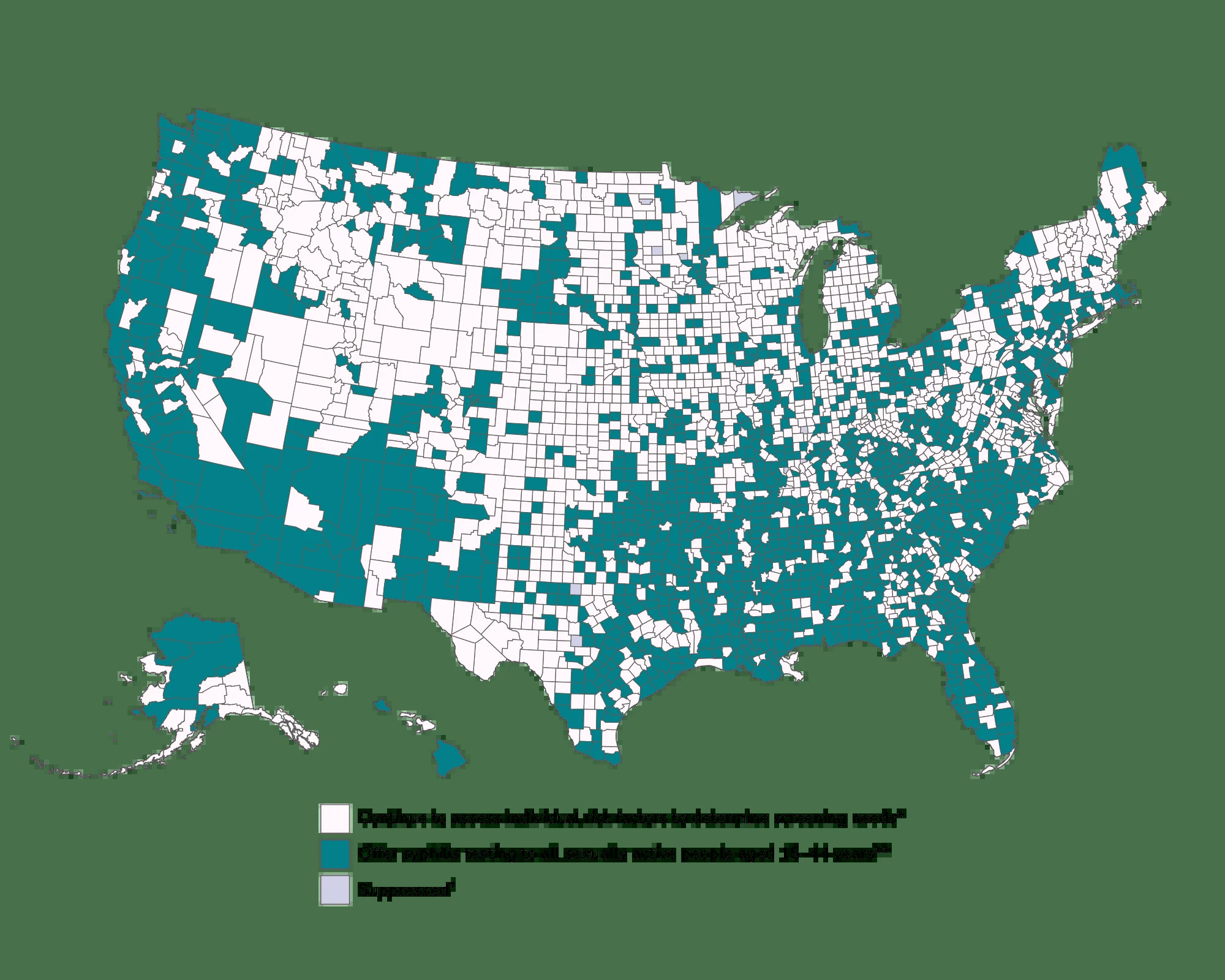
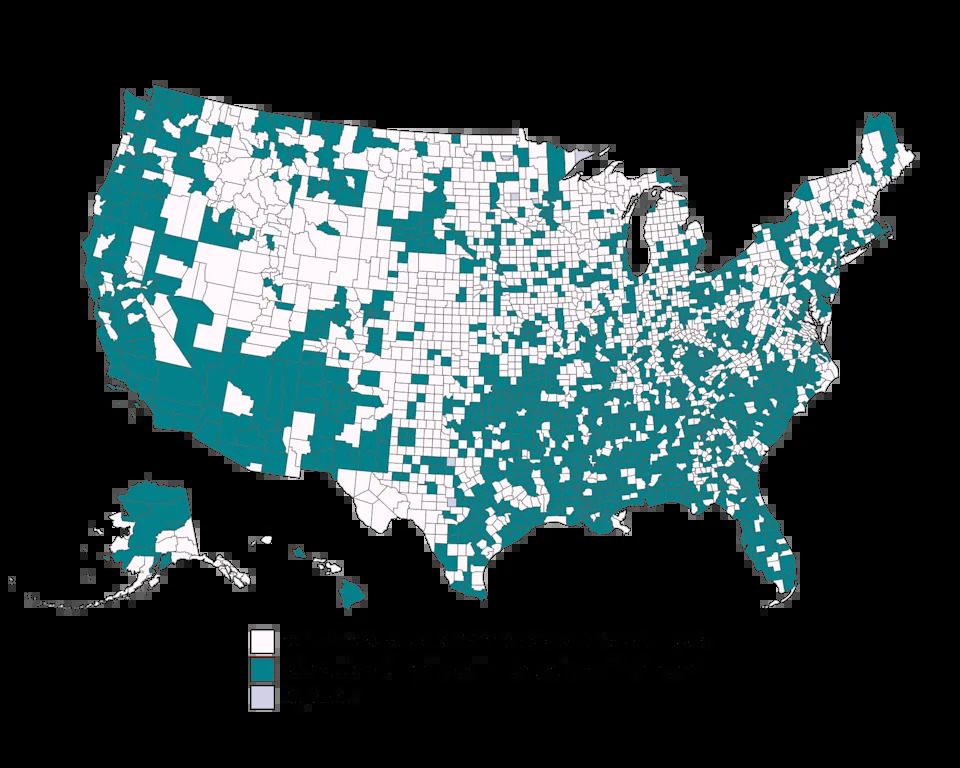
The map below shows which U.S. counties (shaded in color) have a higher prevalence of syphilis, above the 4.6 per 100,000 people goal. In those places, the CDC advises syphilis testing for all sexually active people between 15 and 44 years old to prevent the disease from spreading.

The counties shaded in white don’t have especially high rates of syphilis, but testing should still be considered based on an individual’s situation and symptoms.

“For many people, the most significant risk factor for syphilis is living in a community with high rates of syphilis,” the CDC said.

“Syphilis is kind of complicated,” said Dr. Lazarus Gehring, medical director of the health department in Broome County, New York. “There’s multiple stages and phases, and there’s asymptomatic ones, too.”

FedEx, UPS say they will give tariff refunds to customers: What to know

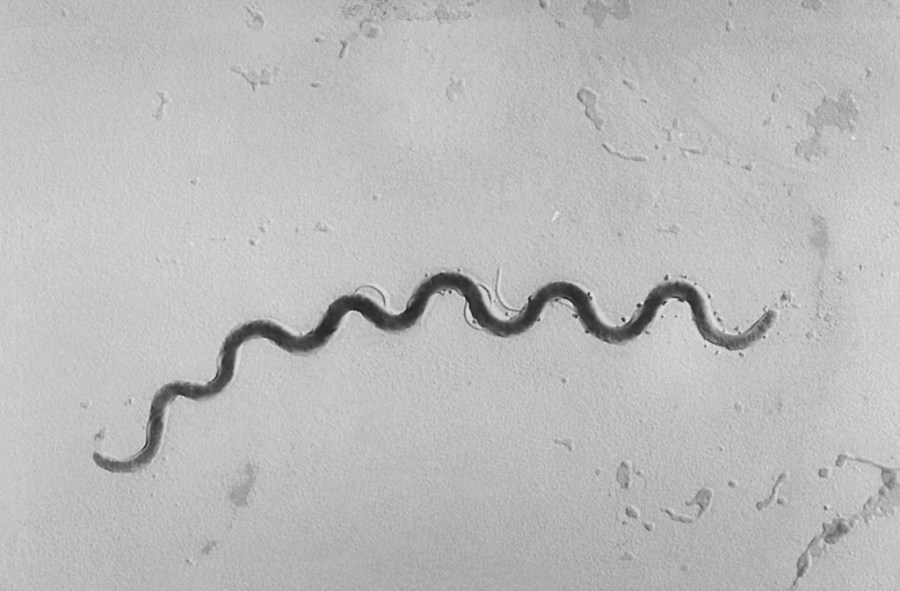
Syphilis is caused by a type of bacteria, and has different symptoms depending on what stage the infection is in. The first signs usually show up about two to six weeks after infection, according to Dr. Khalil Ghanem, a professor of medicine at Johns Hopkins Medicine. The first symptoms are typically painless ulcers, which sometimes go undetected.

Your immune system may clear the ulcers, but without antibiotics, your body won’t be able to cure the disease. At this stage, you may be at secondary syphilis, when the bacteria are multiplying throughout the body, which could cause fever, skin lesions and more.

Your immune system may also kick into high gear here, ridding you of symptoms, but putting you into a stage called latent syphilis.

“Sixty percent of people with latent syphilis will never have symptoms again. The other 40% suffer devastating complications including neurological problems, cardiovascular issues, and inflammatory masses all over the body,” explained Dr. Ghanem. “Overall, 10% of patients who are not treated for syphilis wind up dying from this infection. … Syphilis is a cruel disease.”

Early treatment with penicillin and other antibiotics is essential, he said, and can cure the disease.

Copyright 2026 Nexstar Media, Inc. All rights reserved. This material may not be published, broadcast, rewritten, or redistributed.

For the latest news, weather, sports, and streaming video, head to The Hill.
Comments
You must be logged in to comment.