yahoo Press
McKinsey layoffs show white-collar job cuts are spreading
Images
1 / 5
2 / 5

3 / 5

4 / 5
5 / 5
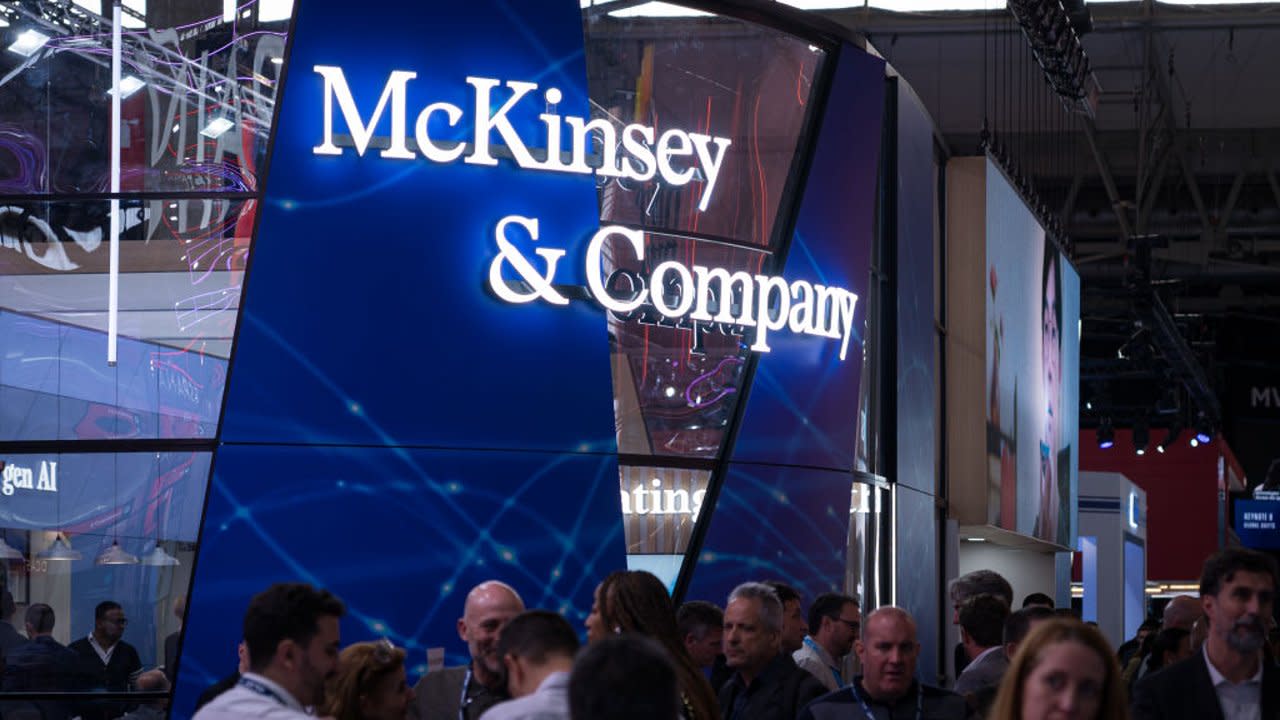
McKinsey & Co. is one of the most recognizable names in business consulting — the kind of firm that other companies call when they need to figure out how to run themselves better. Now, McKinsey is facing a problem of its own. The firm is planning to cut jobs in its non-client-facing divisions, and the numbers aren't small. Reports suggest up to 10% of staff in some areas could be let go, potentially amounting to several thousand people over the next year and a half to two years.

The backstory matters here. McKinsey went on a hiring spree not long ago, pushing its headcount past 45,000. That number has since dropped to around 40,000, and the slide isn't over. Clients are spending less, putting projects on hold, and increasingly turning to automation and AI to do work they used to pay consultants to handle. The result is a firm — and an entire industry — dealing with more capacity than demand.

The AI piece cuts both ways, though. The same technology that's eating into consulting revenue is also creating new work, as big companies scramble to figure out how to actually use it. That tension makes it genuinely hard to read where the consulting industry is headed from here.

McKinsey isn't alone in this. Accenture, KPMG, PricewaterhouseCoopers, and Ernst & Young have all announced layoffs since 2023. Deloitte, Bain & Company, and a long list of smaller firms have done the same. Ernst & Young recently flagged that companies across industries are likely to keep cutting hiring and trimming headcount as input costs — including tariff-driven ones — stay elevated.

What makes McKinsey's situation feel like more than just a corporate restructuring story is what the firm represents. In white-collar America, McKinsey is about as close to a symbol of professional stability as it gets. When a firm like that starts cutting, people pay attention — and for good reason. It tends to say something about the broader job market, not just one company.

The broader picture isn't exactly reassuring. Fed Chair Jerome Powell has raised concerns that the official U.S. jobs numbers may be misleading. The Bureau of Labor Statistics uses a model called "birth-death" to estimate job creation, and Powell suggested it could be overstating new jobs by as many as 60,000 per month. If he's right, the country might actually be shedding around 20,000 jobs a month — a very different story than the headlines have been telling.

That backdrop makes the next jobs report a bigger deal than usual. It'll be the first full picture of the labor market since the longest government shutdown on record finally ended, and economists are watching closely to see whether the official data starts to line up with what private surveys and Powell's own read have been suggesting.

Powell called the current situation "a little bit curious." Big company layoffs keep making the news, but unemployment has not risen much yet. Instead, it feels more like a slow squeeze: there are fewer job openings, smaller support teams, and more companies are quietly using AI to replace analysts and staff. It is a recession that does not look obvious at first glance.

There's an odd wrinkle in all this. A weak jobs report might actually be good news for stocks. If the labor market looks soft enough, it raises the odds of the Fed cutting interest rates again, which markets tend to respond to positively. Powell pointed to labor market weakness as a key driver of the rate cuts in late 2025. Right now the Fed is projecting just one cut in 2026, but if the numbers keep deteriorating, that could change.
Comments
You must be logged in to comment.