aljazeera Press
Joy and desire for change as Gaza’s Deir el-Balah holds elections
Images
1 / 11
2 / 11
3 / 11
4 / 11

5 / 11

6 / 11

7 / 11

8 / 11

9 / 11

10 / 11

11 / 11
Deir el-Balah residents vote for first time since 2006 despite destruction, displacement and genocide.

Save

Share

Deir el-Balah, Gaza – Early this morning, Salama Badwan, his wife and daughter headed to a polling station in Deir el-Balah, central Gaza, to participate in the municipal elections, which are taking place for the first time since 2006.

The 43-year-old said he was delighted to be casting a vote after such a long absence, and overjoyed that his daughter, who recently turned 18, could vote for the first time in her life.

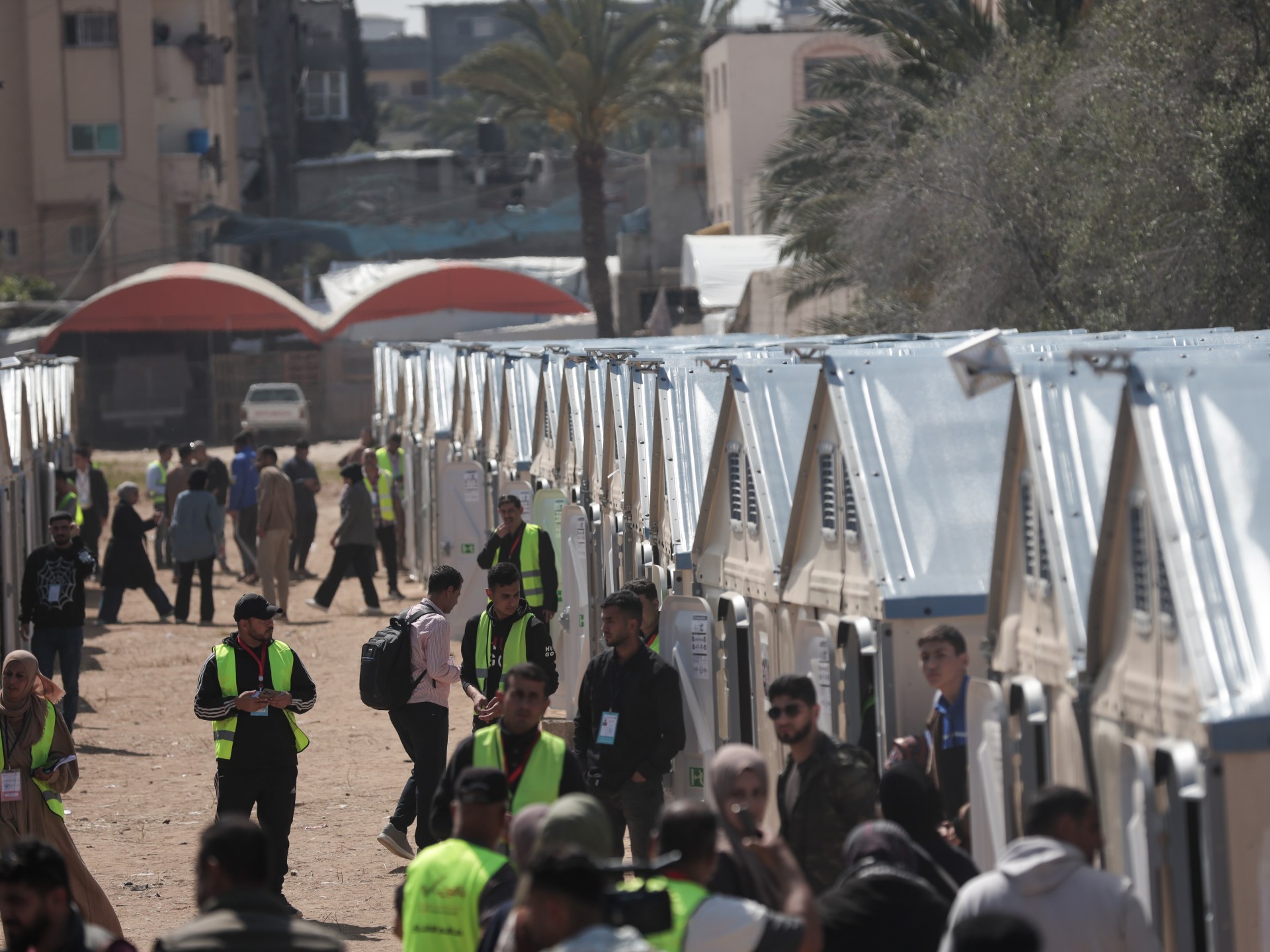
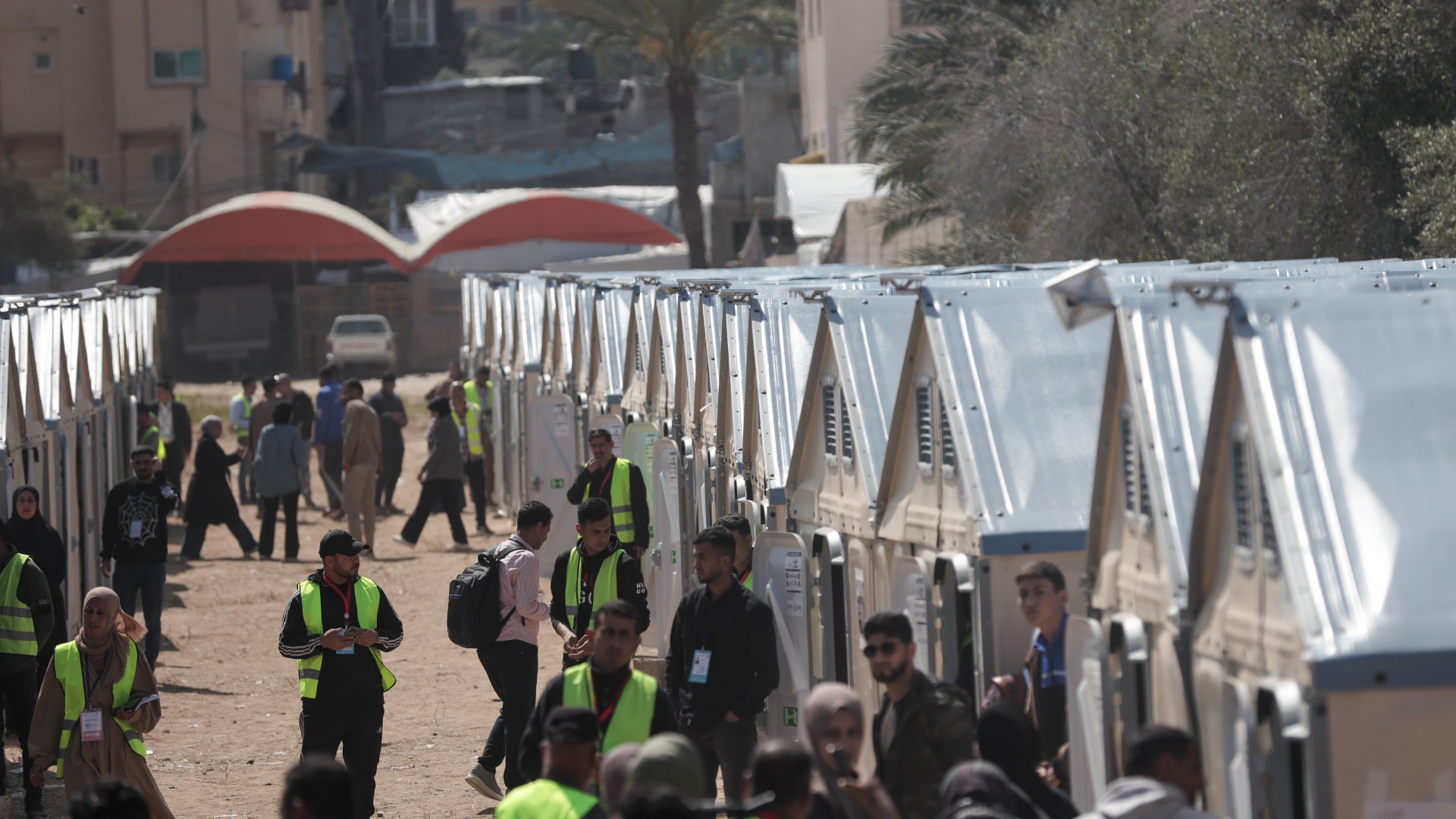
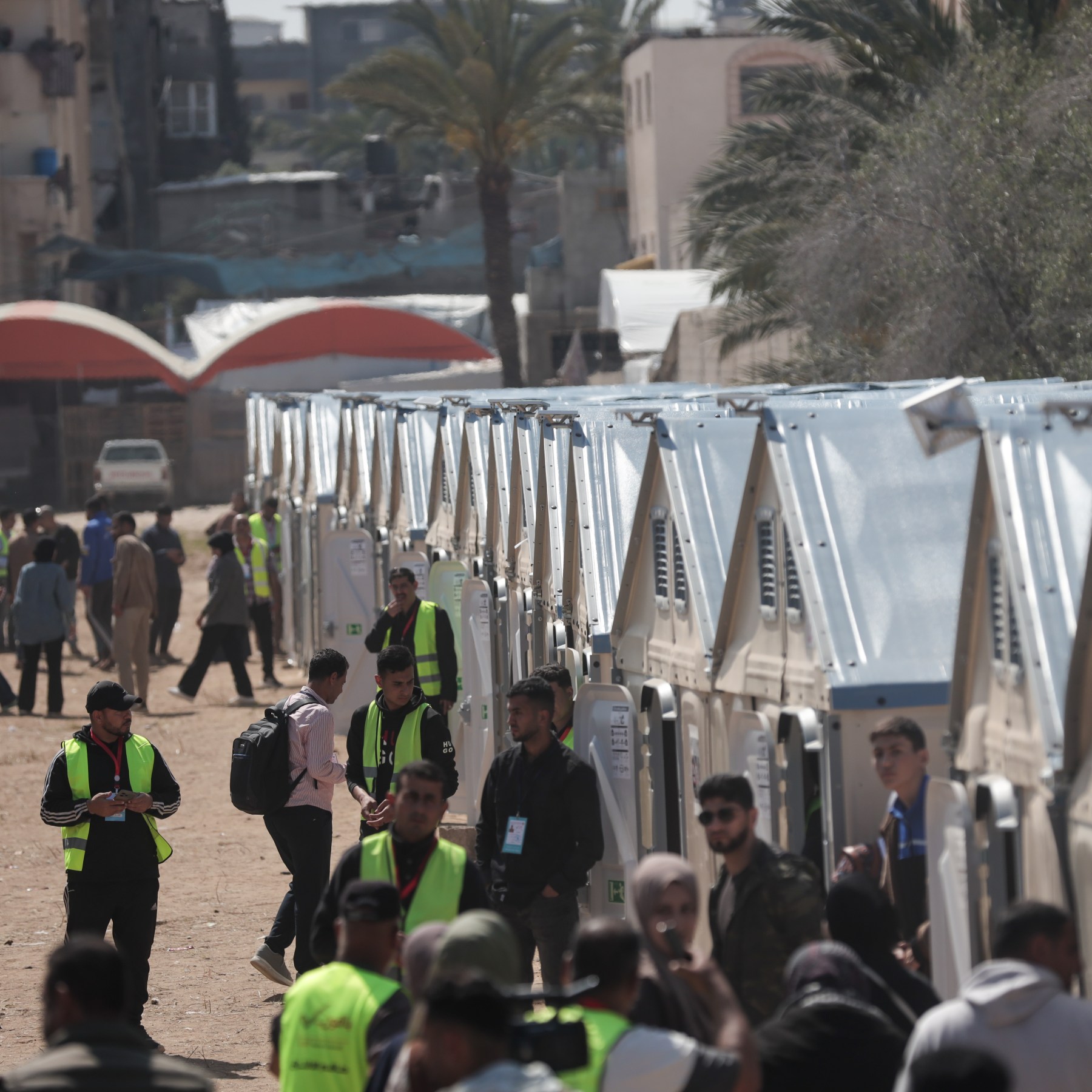
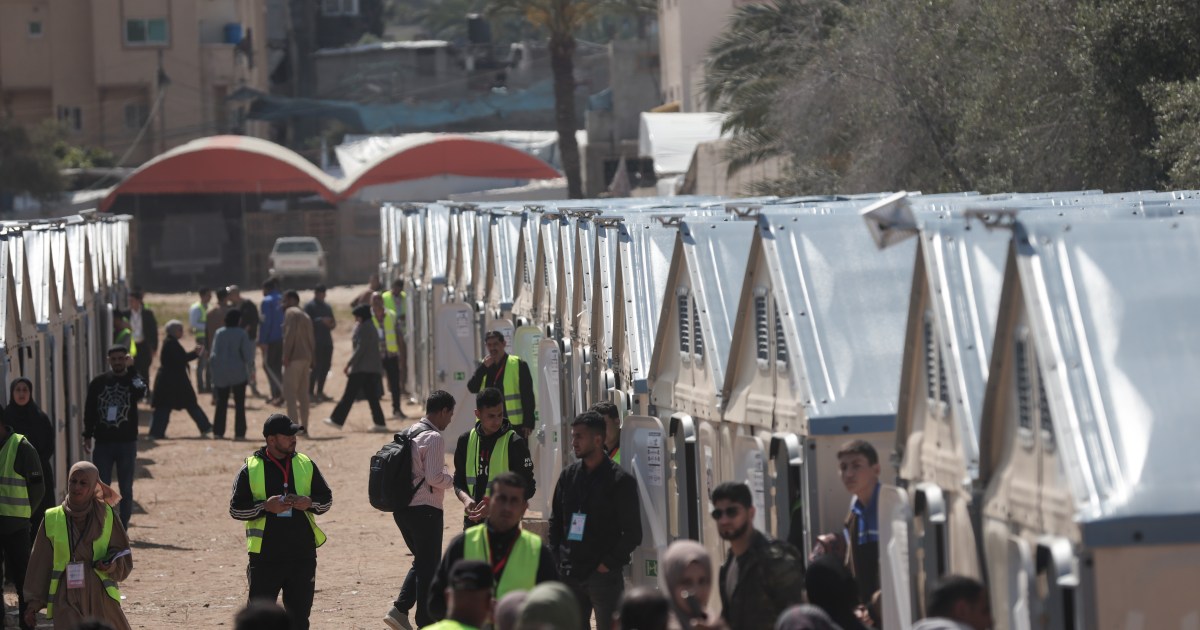
The vote is also the first since a “ceasefire” took effect in Israel’s genocidal war against Palestinians in the Gaza Strip. The war has affected all aspects of life, including the electoral process itself. With many of Deir el-Balah’s buildings damaged or destroyed during the war, polling stations have been set up in temporary fibreglass tents on open land.

“I am very happy today, because this is a truly Palestinian democratic celebration. Many generations have been deprived of it for more than 21 years, and today my daughter is voting for the first time,” Badwan told Al Jazeera.

For him, the importance of the elections is providing Palestinians in Gaza with a chance to achieve change through peaceful and democratic means.

“We must change everything through the ballot box … whoever wins, it is their right, but not through inheritance … change must be in the hands of the people.”

But despite this enthusiasm, the reality in Deir el-Balah, in central Gaza, remains complex amid the ongoing “ceasefire”.

The city, which Badwan describes as “always calm,” has become a refuge for hundreds of thousands of displaced people from across Gaza, putting unprecedented pressure on its infrastructure.

“The city received large numbers of displaced people, each coming with different ideas, circumstances, and harsh suffering … This created enormous pressure on water networks, sewage systems, and waste management, and exhausted the previous municipality.”

Deir el-Balah was given the opportunity to hold elections because its infrastructure was less damaged than that of other cities in Gaza during the war.

Badwan places his hopes on a new municipal council capable of handling the scale of the crisis left by the war, away from the political divisions that have swept the Gaza Strip between Hamas and Fatah, the two main rival factions.

“We want a very strong municipal team that does not belong to any faction … one that can secure support from donor countries and meet people’s needs, because today Deir el-Balah is hosting all.”

On the street, he describes the atmosphere of the elections as “positive and enjoyable”, despite general frustration with the political class.

“People are fed up with politicians and unfulfilled promises,” he says, adding that he encouraged those around him to participate in the elections in the hope of creating change.

“I told my friends and children we must go and vote … we cannot just sit at home and wait for change.”

Standing beside her father, Dunia, Salama’s 18-year-old daughter, did not hide her joy at casting a vote, despite the exceptional circumstances surrounding her.

“I’m very happy that I can vote in my country and my city, Deir el-Balah … and that I, like others in my generation, can finally participate and have a voice,” said Dunia, a first-year nursing student at Al-Aqsa University.

“Honestly, I had never voted before and didn’t have a clear idea … but when the elections came, my father explained how things work and how our voices could help change the difficult reality we live in, even a little,” she said.

Like many of her peers, Dunia’s motivations are practical and directly tied to daily life, which has sharply deteriorated since Israel launched the war in October 2023. She chose a candidate list composed mostly of young people, describing them as “capable and experienced in their work,” reflecting her hope for a more efficient municipal administration.

“The reality the city is living after displacement is far from stable… the situation is tragic, especially cleanliness, public streets, healthcare, and even education … everything is in very bad condition.”

“I hope these elections help create a situation where students return to schools, and new housing alternatives and camps are provided for displaced people instead of using schools,” she said.

“We want things to go back to how they were … schools should return to students instead of being shelters, hospitals should improve, and streets should be cleaned,” she says.

For Awda Abdel Karim Abu Baraka, 73, the elections represent an opportunity to choose those capable of “reviving society and institutions that have been stalled for years”.

He believes that the local elections could carry broader significance beyond Deir el-Balah. “They are part of a larger system … the West Bank and Gaza,” he explains.

“Holding elections today in Deir el-Balah shows the world that we are a democratic people, and we choose our representatives without imposition,” he adds, expressing hope that “the international community will support this path.”

He also stressed the need for the winners of the vote to respect the city’s residents who have suffered for years amid Israel’s war. “There must be real programmes, not high slogans that later fall … the citizens must be respected, and their dignity and humanity – violated by war – must be restored.”

Despite recognising the scale of challenges, he remains committed to gradual change. “We know the challenges are big and that change takes time … a long journey begins with a single step, and hopefully, this is the first step on the way.”

Meanwhile, Mohammad Abu Nada, coordinator of the Deir el-Balah electoral district, moved between voters and staff inside tents set up in place of school polling stations, describing an electoral process that was “born out of nothing”.

He recalls greeting the initial announcement of the elections by the Central Elections Commission in the West Bank with a mix of surprise and a sense of responsibility.

“At first, the news was unexpected … there was joy that we were returning to work after two and a half years of suffering under war, but at the same time, there was a strong sense of responsibility.”

That feeling quickly collided with the complex logistical reality in a city suffering from widespread destruction and severe shortages of resources.

“Capabilities are extremely limited … even this place was just empty land. We relied on tents from international organisations to use as polling stations,” he says, noting that most schools have been turned into shelters for displaced people.

Despite these challenges, polling centres were set up across the city, in a task he describes as far from easy.

The difficulties did not stop there. Essential electoral materials, usually transported from Ramallah, were prevented from entering Gaza.

Abu Nada explains the challenges in securing logistical items such as ballot boxes, stamps, papers, and campaign materials.

“We had to rely on our local capabilities … ballot boxes were designed and manufactured here in Deir el-Balah, and they served the purpose fully.”

Even electoral ink was unavailable after being denied entry by Israeli authorities. “We used ink previously used by the World Health Organization during vaccination campaigns … we tested it, and it stays on the finger for days and worked well,” he explains.

Amid shortages and soaring prices – “multiplied 10 times” – work continued intensively.

“We worked day and night … everything was difficult, from papers to stamps, but in the end we managed,” he says, noting that approximately 70,000 voters are eligible in the city.

While turnout appeared to be limited in the early morning, it picked up later in the day, Abu Nada said, attributing the slow start to people’s focus on meeting basic needs.

“People are standing in lines for water and bread … but we expect turnout to increase.”

The choice of Deir el-Balah for holding elections was not random, but due to its relatively better conditions compared to other areas.

“It is impossible to hold elections in completely destroyed areas like northern Gaza or Khan Younis … so the decision was to start in an area with minimal capacity, hoping to expand later.”

Still, the challenges facing the upcoming municipal council remain significant.

“Deir el-Balah today is not what it was before the war … population pressure is huge, and expectations from the new municipality are high,” he says.

As for the campaign, Abu Nada explains it was conducted in record time and with intense efforts.

“We worked like a beehive … organised more than 20 awareness workshops, worked with local institutions and influencers, and distributed posters and materials explaining how to vote and encouraging participation.”

At the end of his remarks, he expresses a sense of achievement despite the difficulties.

“Today, in front of everyone, we are exercising our electoral right despite all conditions … and that in itself is a success,” he says.

“And hopefully, this is the first step on a longer road.”
Comments
You must be logged in to comment.