buzzfeed Press
These Celebrity Scandals From The '70s Just Prove How Different Life Is Now
Images
1 / 18
2 / 18

3 / 18
4 / 18
5 / 18
6 / 18

7 / 18
8 / 18
9 / 18
10 / 18
11 / 18

12 / 18

13 / 18

14 / 18
15 / 18
16 / 18
17 / 18
18 / 18
As a Writer at BuzzFeed, I write and curate quizzes, listicles, and articles about everything from pop culture and history to food and fashion.

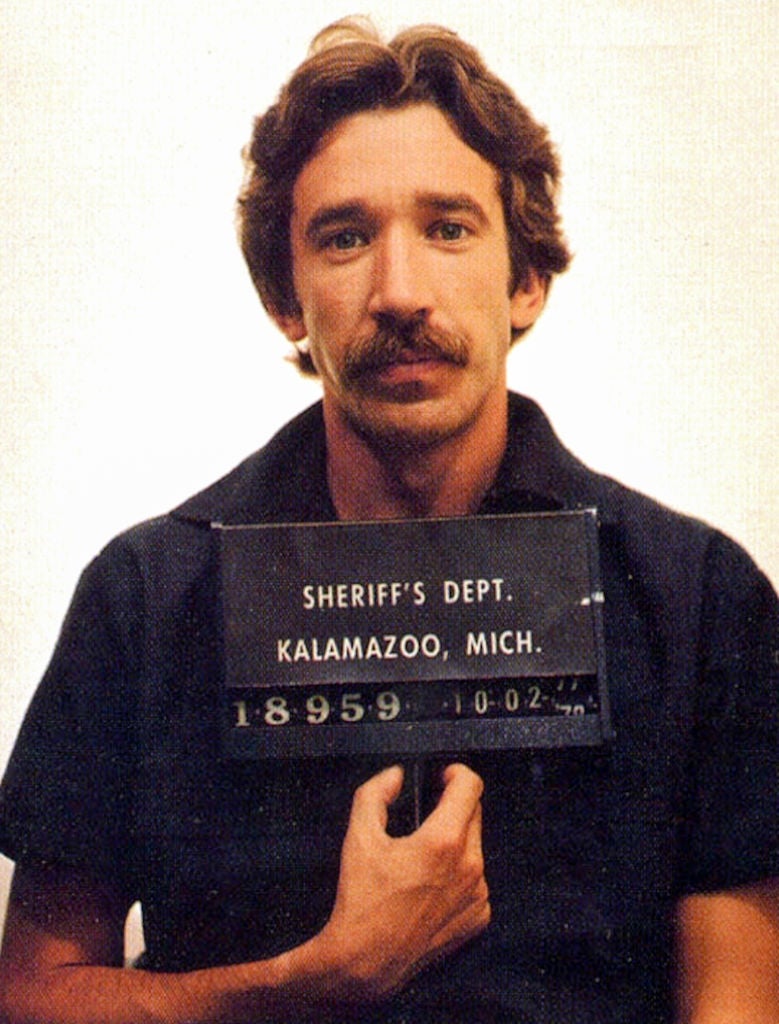
At the time, Michigan lawyers had passed a "650-lifer law," which stated that anyone who was convicted of carrying 650 grams of cocaine (like Tim had) would face life in prison without the possibility of parole.

He was charged with drug trafficking, and he pleaded guilty. He even gave the names of other drug dealers to the police, resulting in his case being taken to the federal court rather than the state court, leading to him dodging life in prison. Luckily for him, he served two years of a 3-7-year sentence and was released from prison in 1981.

This mugshot would follow Tim for his entire career, with the media labeling it as his most "infamous" moment. In an interview with the Hollywood Reporter in 2021, the actor spoke on his time in prison and said, "It was the first time ever I did what I was told and played the game. I learned literally how to live day by day. And I learned how to shut up. You definitely want to learn how to shut up.”

The SLA leader, Donald DeFreeze, stated that he was "willing to carry out the execution of the daughter to save the lives of starving men, women, and children of every race." Also heard on the tape was Patty's voice, where she was telling her parents that she was with an armed group and that "they were perfectly willing to die for what they're doing."

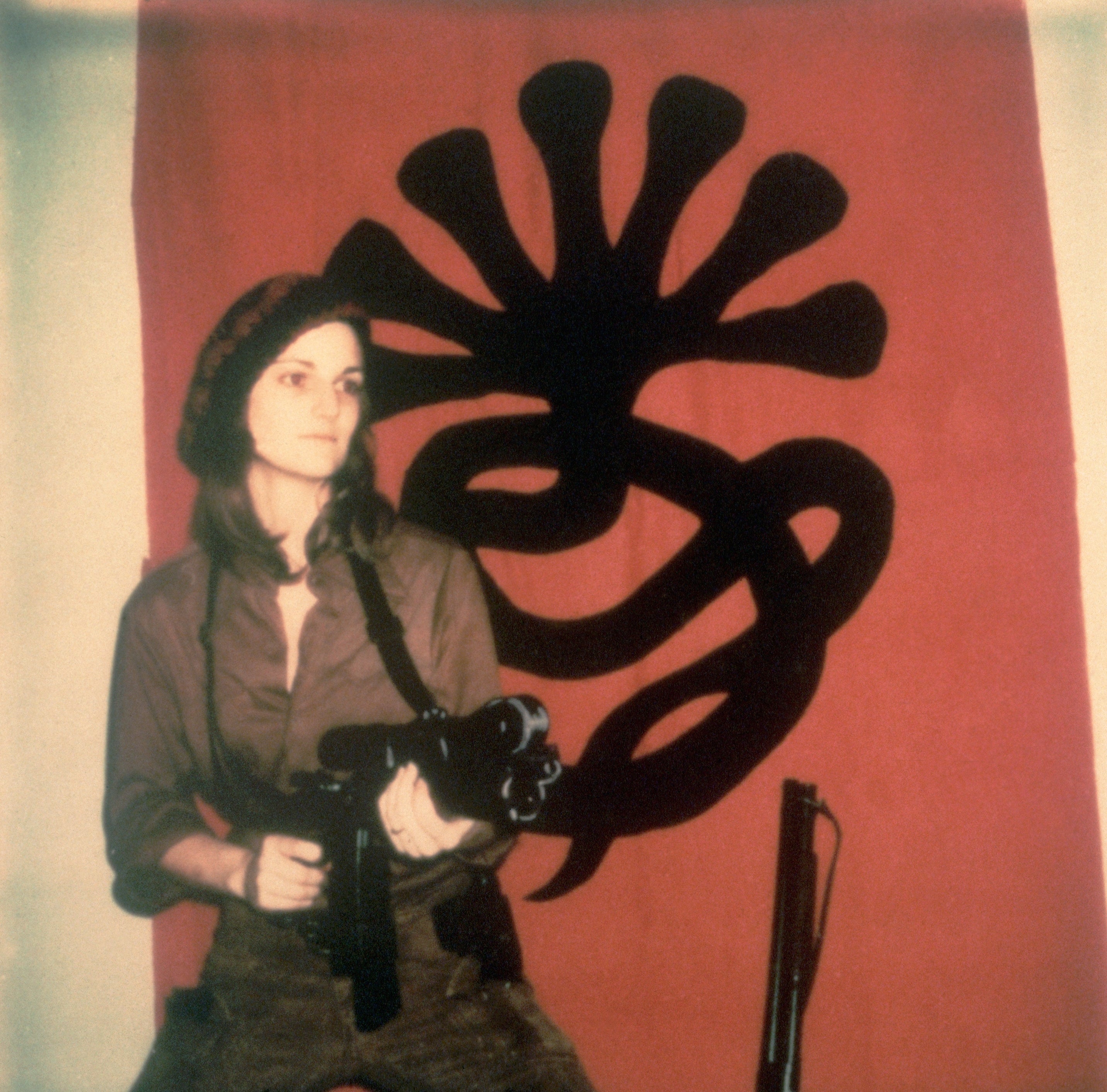
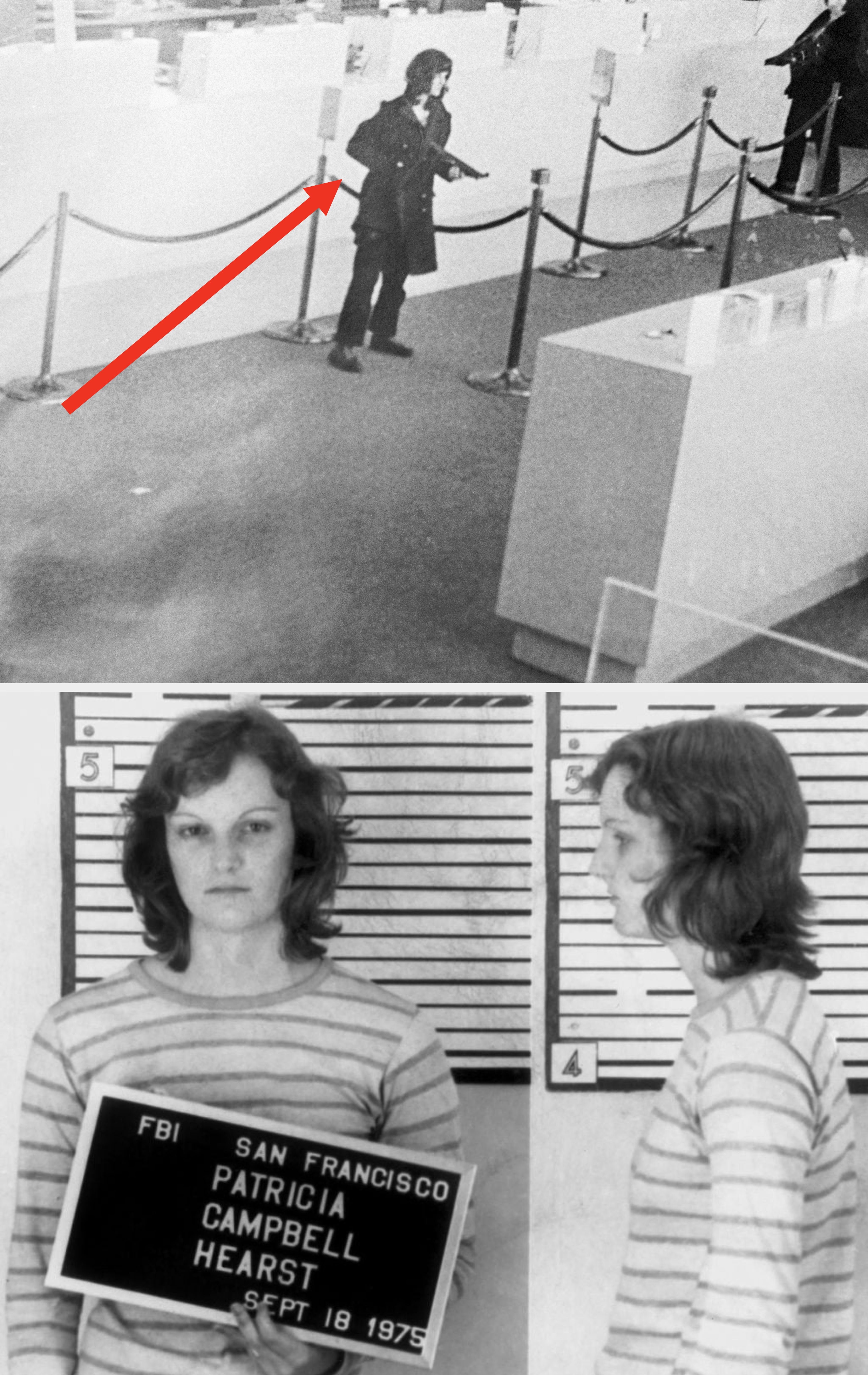
The family agreed to the food handout demand and paid $2 million. The shocking part of this ordeal, however, was a bombshell recording of Patty, a few weeks after the food donation. She stated in the recording, "I have been given the choice of, one, being released in a safe area, or two, joining the forces of the Symbionese Liberation Army and fighting for my freedom and the freedom of all oppressed people. I have chosen to stay and fight." This recording came along with the picture (see above) of her in full combat clothing with a weapon in front of the SLA flag.

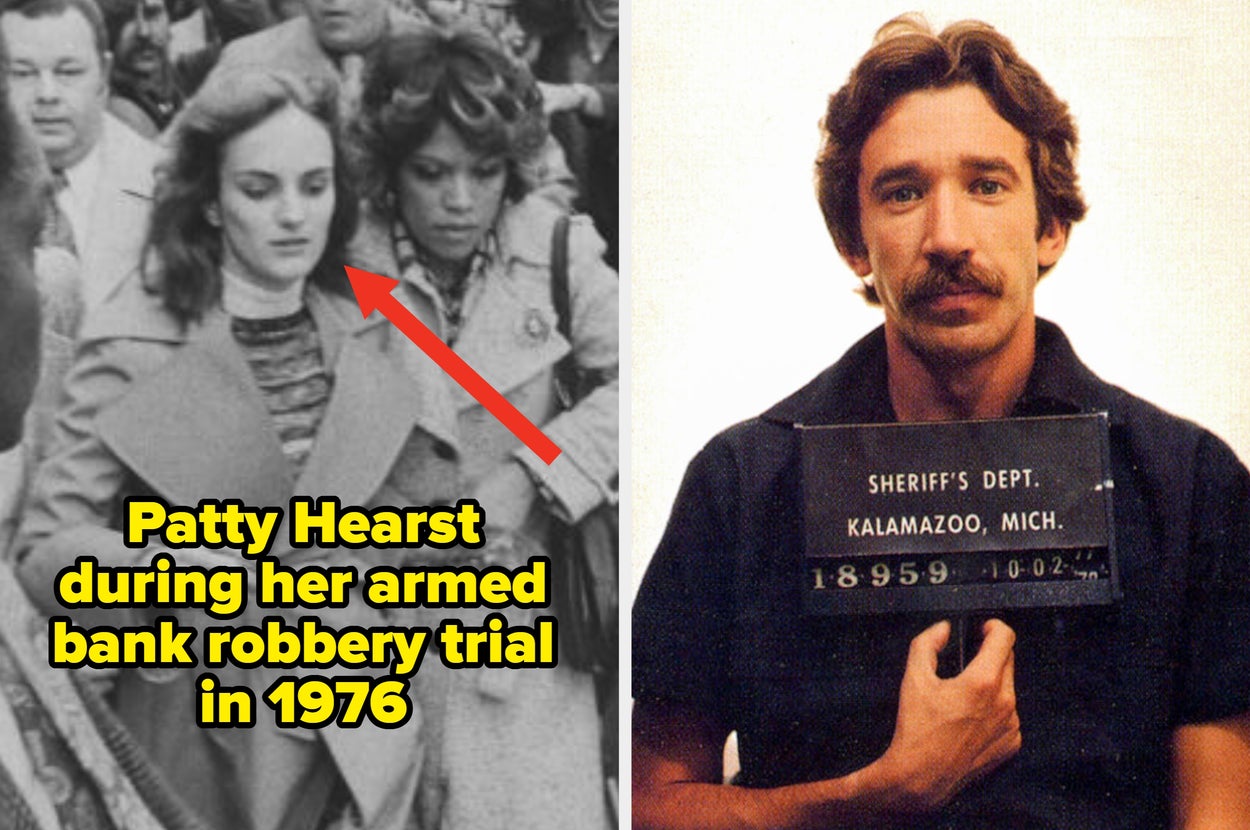
During her trial for the bank robbery, her defense argued that she was threatened with death and was brainwashed through "coercive persuasion." The prosecution countered with the recordings and photos of her participating in the crimes and speaking fluently in SLA rhetoric. On 20th March 1976, the jury found her guilty, and she was sentenced to seven years in federal prison. However, President Jimmy Carter commuted her sentence after 22 months, and in 2001, President Bill Clinton issued a full pardon.

This kidnapping and shocking trial definitely took the media and the public by storm, gathering many eyes to this scandal.

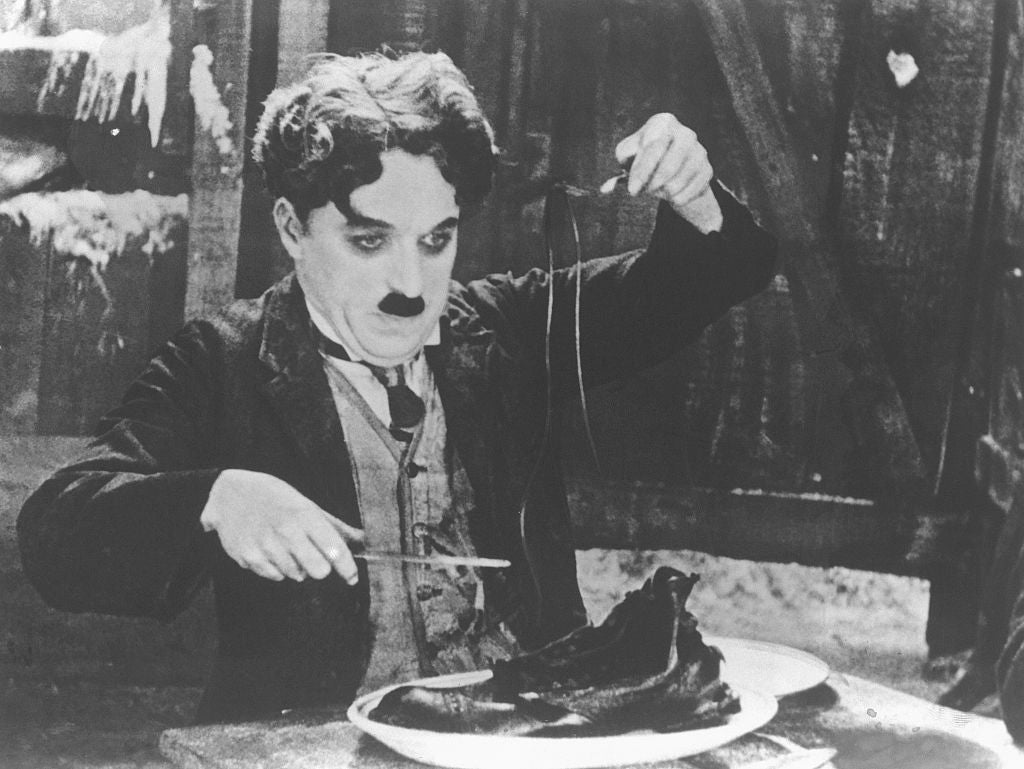
It was one mile from the Chaplin family's home in Corsier. The two men were convicted of grave robbing and attempted extortion. Both were political refugees from Eastern Europe and had stolen the body in an attempt to solve their financial difficulties.

Wardas was sentenced to four-and-a-half years of hard labor, while Ganev was given an 18-month suspended sentence, as he was believed to have limited responsibility for the crime.

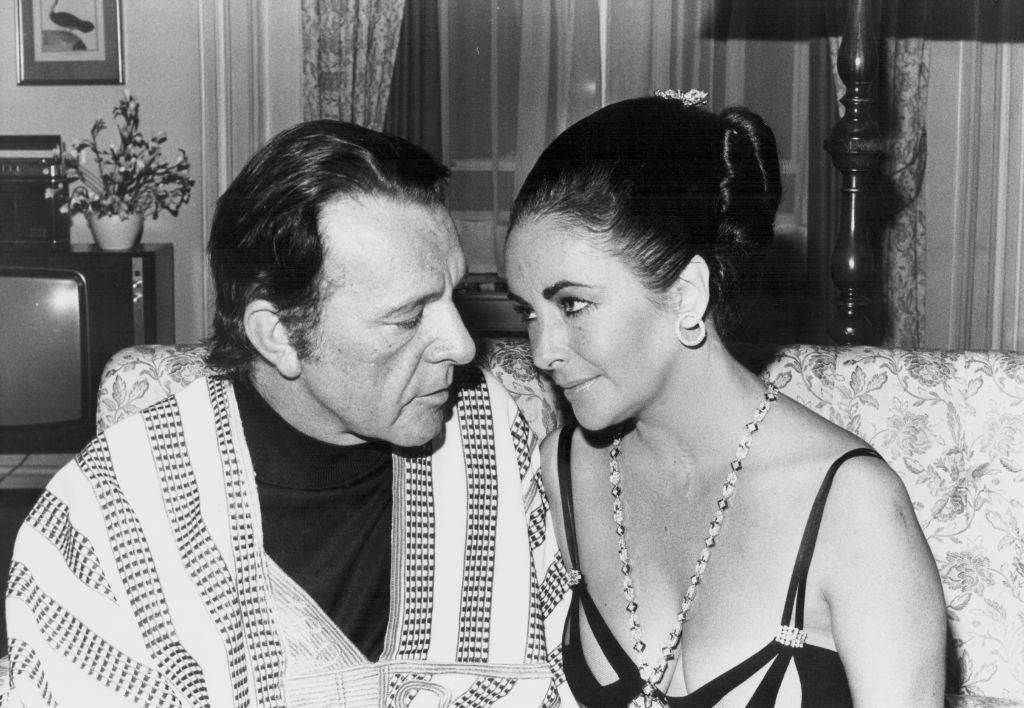
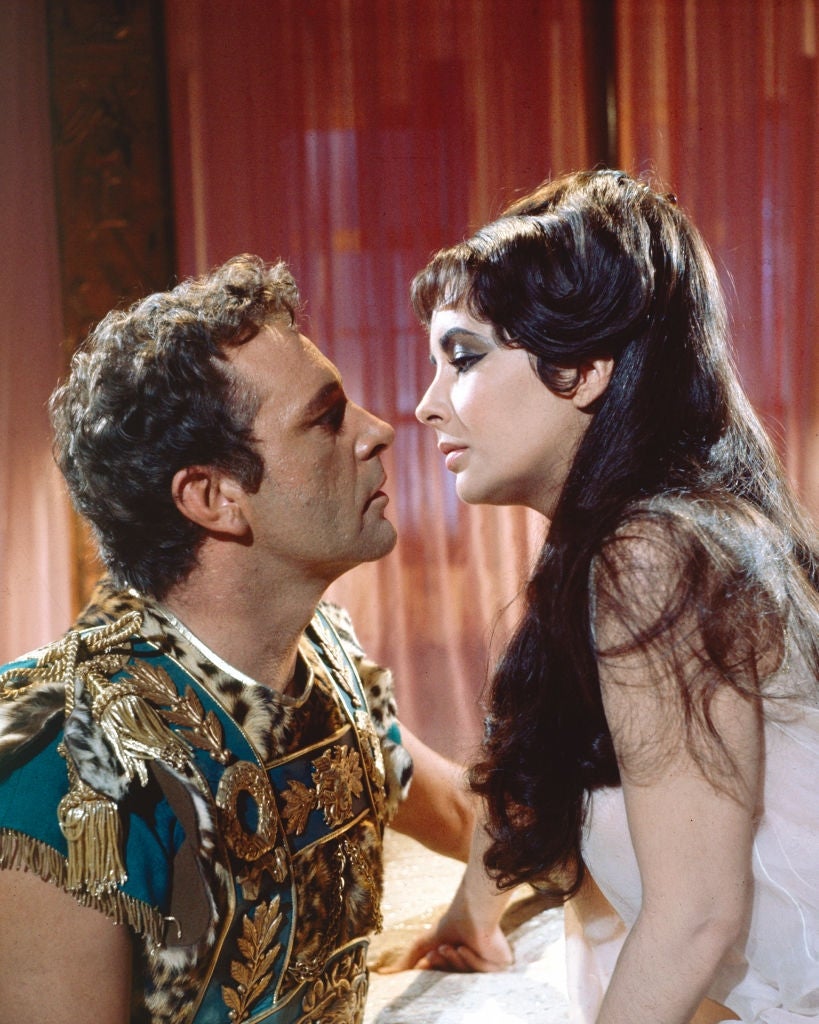
Their married years were a sight to behold for the public. Luxury cars, lavish gifts, and private jets—they truly were an iconic couple. However, there were headlines that reported on the heated arguments between the pair, with hotel staff and co-stars describing their fights and reconciliations.

They divorced for the first time in 1974. Their demanding film schedules and other factors took a huge toll on their relationship. However, regardless of their divorce, they could not stay away from each other—which led to a surprise wedding in Botswana, just 16 months after their divorce.

However, his lawyer told the court that he would not appear. Polanski, a French citizen, could have been imprisoned for a maximum of 50 years. And before getting this sentence in court, he fled to Britain first in 1978, and then to France, where he was protected by France's limited extradition with the U.S.

In 2009, the director requested the case be dismissed, but the U.S. court rejected it. During a visit to Switzerland the same year, he was arrested at Zurich airport and was held under house arrest for months, but he avoided extradition after the Swiss authorities ruled against it. Despite many attempts by the U.S. to extradite the director, they failed to have him on trial in the U.S.

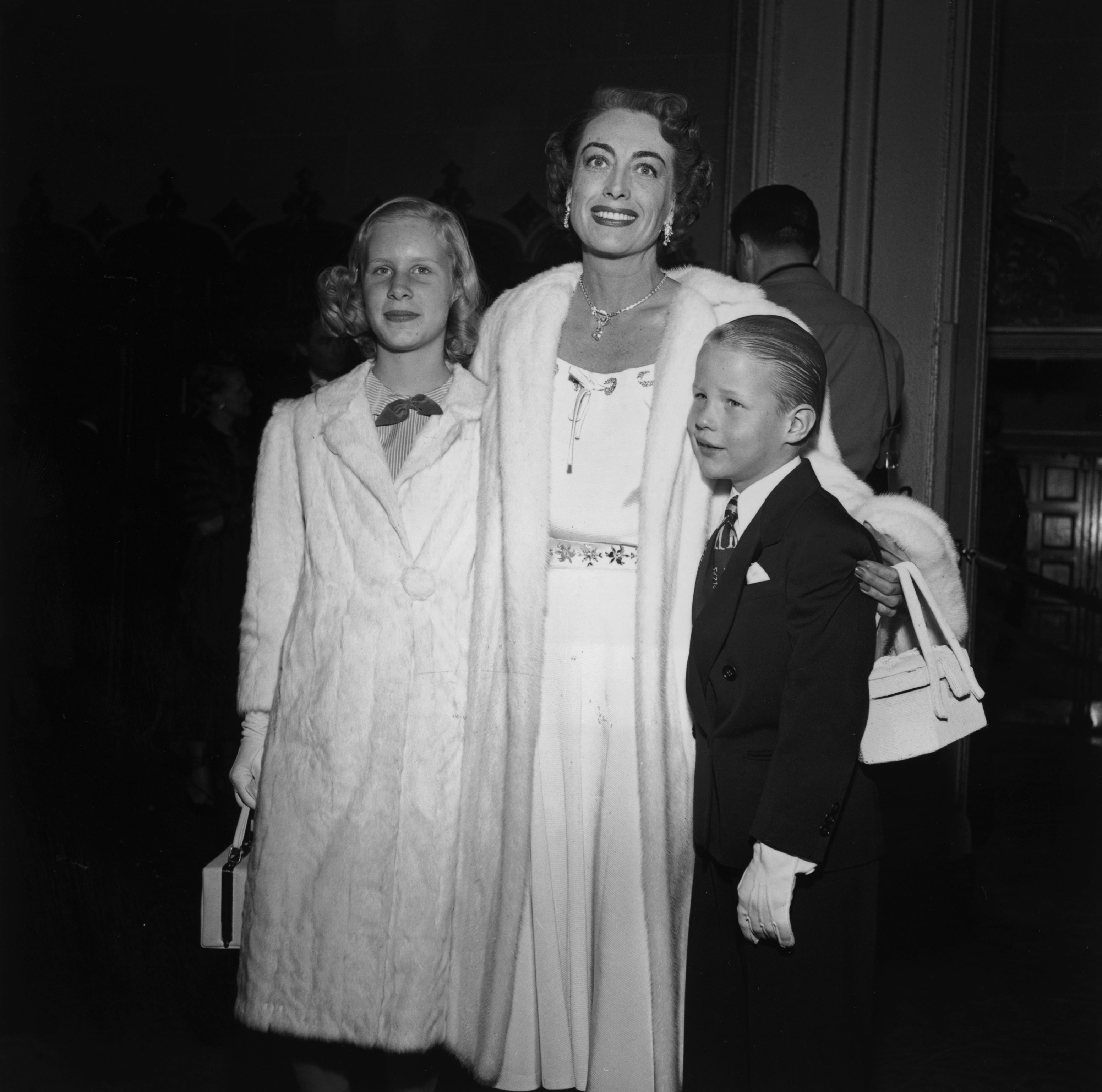
Once when Christina had ripped the wallpaper in her bedroom, Joan shredded her favorite dress and forced her to wear it for a week. But the most terrifying thing of all, according to Christina, were the night raids. Christina and her brother, Christopher, woke up to sounds of their mother destroying her closet and ripping Christina out of her bed.

In the book, another incident recalls how Joan beat Christina with a can of Bon Ami after she failed to clean her mother's bedroom properly. She was nine at the time of the incident.

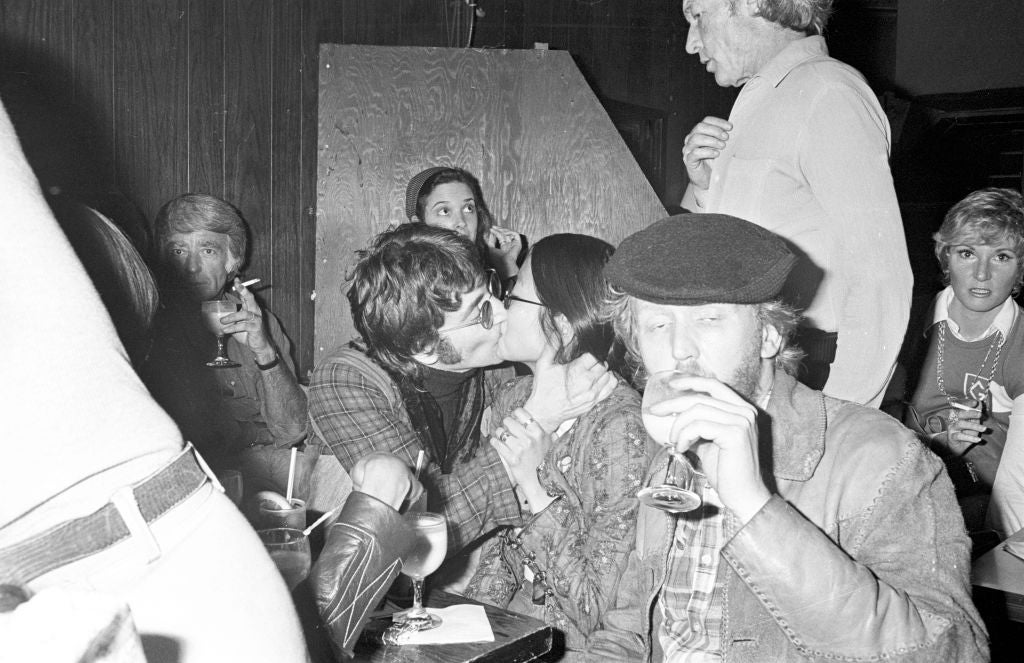
The "lost weekend" refers to the time where Lennon began to drink excessively and was notoriously thrown out of the Troubadour nightclub for drunkenly heckling the Smothers Brothers and Alice Cooper. Some eyewitnesses said that during a 1974 recording session in L.A. with Lennon, Paul McCartney, and Nilsson, they were too drunk to sing in tune or remember the words in time.

This "lost weekend" period of John Lennon in the 1970s stuck in the public's mind, as they saw it as the singer's period of great excess and deep regret after the separation.
Comments
You must be logged in to comment.