aljazeera Press
On Earth Day, remember the people defending the planet
Images
1 / 7
2 / 7
3 / 7
4 / 7

5 / 7

6 / 7

7 / 7
Behind every environmental victory are grassroots activists whose labour, sacrifice and persistence are rarely recognised beyond their communities.

Award-winning Environmental broadcaster and a Juror for the Goldman Environmental Prize.

Save

Share

On a January morning in 1969, an oil platform off the coast of Santa Barbara blew out. Over three million gallons of crude oil spread across swathes of California coastline, darkening beaches and killing marine life. It was the largest oil spill the United States had ever seen.

This catastrophe galvanised an environmental movement already gathering momentum around pesticides and pollution and helped spark the first Earth Day. On April 22, 1970 – 56 years ago today – 20 million people took to the streets, driven by a shared belief that collective, grassroots action could force change. It did: within a few years, the US had its Environmental Protection Agency and landmark Clean Air and Clean Water laws.

Earth Day is now marked in more than 190 countries. An estimated one billion people demonstrate their care for the planet by getting involved.

But caring is not the same as carrying the burden of protecting the Earth. While this falls most heavily on communities already living on the front lines of industrial extraction and environmental breakdown, activists everywhere who make caring for the planet their life’s work face real costs. It can mean relentless effort, day in day out, sustained risk and, sometimes, even violence.

And sometimes, they do win.

This week, the Goldman Environmental Prize honours six grassroots activists, all women, for the first time in its 37-year history. They have secured real victories for their communities and ecosystems, from landmark climate rulings in South Korea and the United Kingdom to stopping extractive projects in Colombia and the US, and protecting ecosystems in Papua New Guinea and Nigeria.

Their achievements deserve recognition. But they are part of a much larger, mostly unseen story. Thousands of others also carry out this work. Most will never win a prize. Many will never be heard of beyond their communities. Some will pay for it with their lives.

Real environmental activism, the kind that changes things, is rarely dramatic. It is slow, grinding, relational work: years of community meetings; having the same conversations again and again with people who are afraid and not sure it is worth the risk; losing in court and coming back with a stronger case; building a coalition that falls apart and rebuilding it. All without any certainty that things will work out.

After years of filming with activists around the world, I have witnessed the pain behind the successes. Exhaustion quietly accumulates. Self-doubt creeps in after years of effort. Grief deepens as you watch what you love disappear faster than you can protect it – the river you grew up swimming in, the land your grandparents stewarded, your hometown. This suffering is not incidental to the work. It is part of it, and makes the joy of victory, if and when it comes, all the sweeter.

For some, the cost is higher still. Environmental activism can be deadly. Global Witness has documented the killing or disappearance of at least 2,253 environmental defenders between 2012 and 2024, roughly three every week.

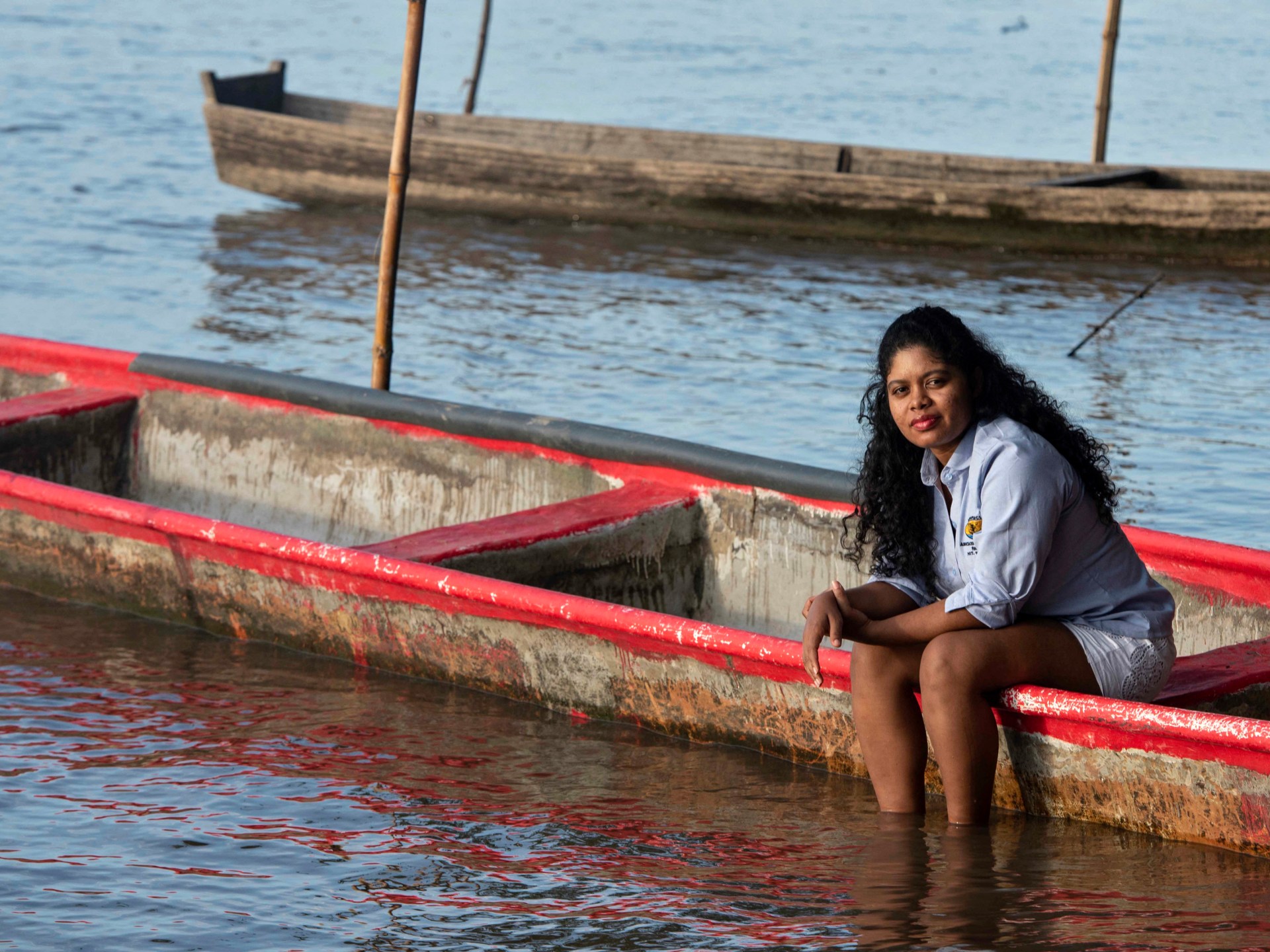
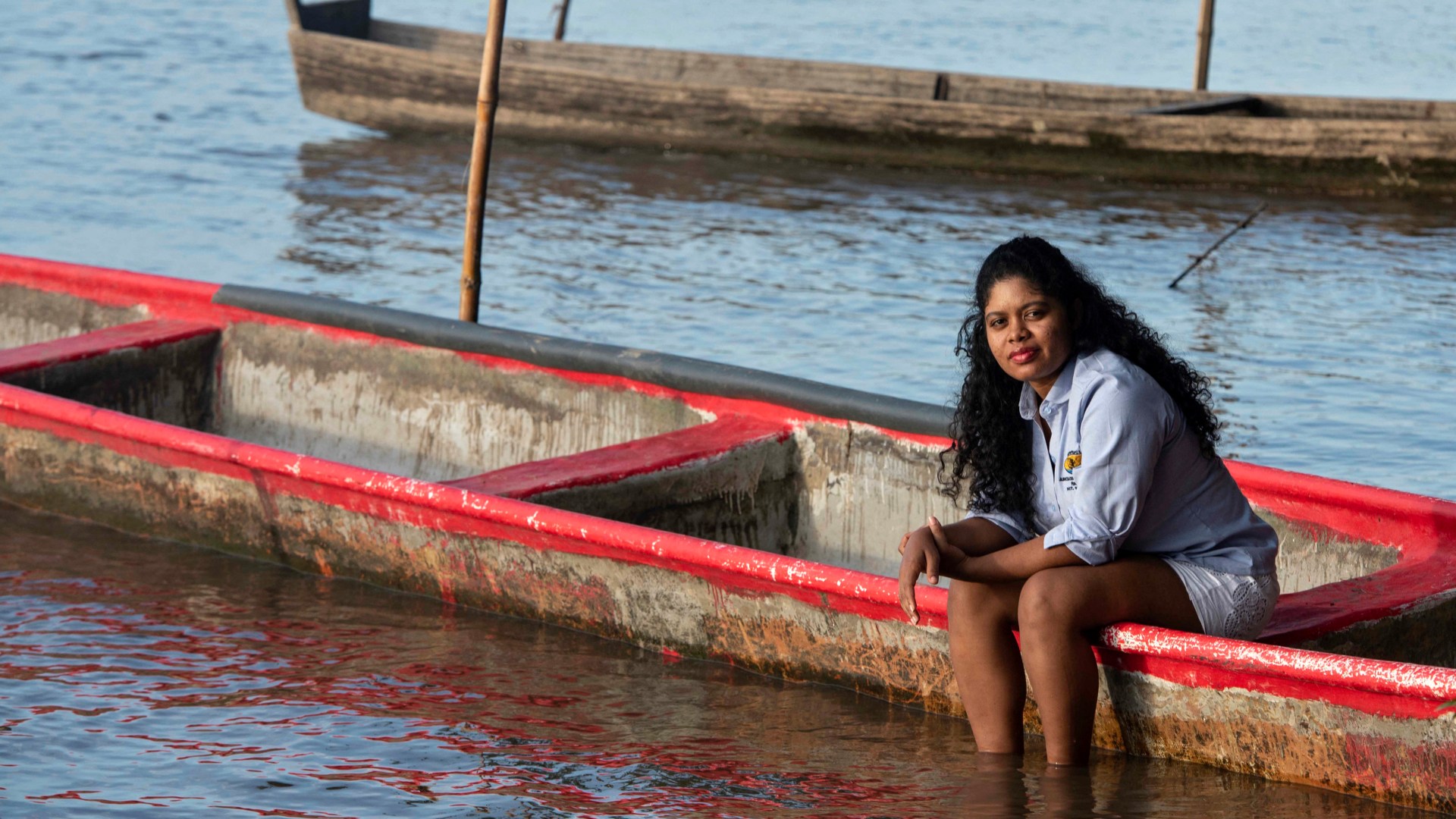
One of this year’s Goldman winners, Yuvelis Morales Blanco, knows this risk firsthand.

She grew up in Puerto Wilches, on the banks of the Magdalena River in Colombia, a country where more environmental defenders are killed than anywhere else. In her Afro-Colombian community, the river is everything: food, livelihood, identity. Her activism began in 2018, after a spill from a field operated by the state oil company, Ecopetrol, contaminated the river, killing thousands of animals and forcing nearly 100 families from their homes.

When Ecopetrol proposed two fracking projects near her hometown, Yuvelis became a leading voice in the campaign against them. She was repeatedly harassed and intimidated until, one day, armed men came to her home. She fled to France, where she was granted asylum. From there, she kept campaigning. The projects were suspended in 2022, and two years later, Colombia’s Constitutional Court ruled they had been approved in violation of her community’s right to free, prior and informed consent.

Yuvelis has since returned home. She is still fighting for an outright ban on fracking in the country, as well as for the legal protection of defenders like herself.

Aged only 24, she has already been an activist for eight years.

Her story is extraordinary. It is also, in some ways, typical. Across the world, the activists who change things share a stubborn persistence – the ability to endure setbacks and the courage to keep going when every rational calculation says the fight is over. Behind every environmental victory – every mine stopped, every river protected, every polluter forced to act – is a story of someone who refused to give up and, instead, kept showing up.

In South Korea, Borim Kim founded Youth 4 Climate Action after a record-breaking heatwave swept the country in 2018, killing 48 people, including a woman her mother’s age who died alone at home. The crisis made her realise that nowhere was safe. She started with climate strikes and school walkouts, then built from there, organising 19 youth plaintiffs to file Asia’s first youth-led constitutional climate case and helping to grow a nationwide movement around it.

In 2024, South Korea’s Constitutional Court ruled unanimously that the government’s climate targets were unconstitutional, mandating legally binding emissions reductions through to 2049. It was a landmark ruling, the first of its kind in Asia.

Borim’s persistence was matched by her ability to forge connections and build coalitions. The most durable environmental victories are not won alone. They are built by people who sustain communities, hold relationships over time and keep the momentum up and pressure on until the system has no choice but to move.

It is work that often falls to women. In many contexts, particularly in the Global South, women remain underrepresented in formal decision-making spaces. Yet at the grassroots level, they are often the organisers, the connectors, the ones doing the relational work that makes collective action possible.

Earth Day began with a belief in the power of collective effort, and that work continues year-round in communities across the world. Global support for climate and nature action has grown significantly in recent years, as the billion people who take part on April 22 each year suggest. Everybody who participates today matters. The question is what we do tomorrow.

The six Goldman winners honoured this week have been doing this work for years. They did not begin as prize winners. They began, as most activists do, by deciding that what they loved was worth showing up for. And then they carried on showing up, again and again.

They will keep going. So will the thousands of others whose names we will never know, who carry this fight in places many of us will never see.

We do not all have to do what they do. But we cannot leave it entirely to them. Their presence and their stories inspire a simple question: What will we keep showing up for, long after today is over?

The views expressed in this article are the author’s own and do not necessarily reflect Al Jazeera’s editorial stance.
Comments
You must be logged in to comment.