aljazeera Press
Iran calls US ship seizure ‘piracy’: Is it?
Images
1 / 8
2 / 8
3 / 8
4 / 8

5 / 8

6 / 8

7 / 8

8 / 8
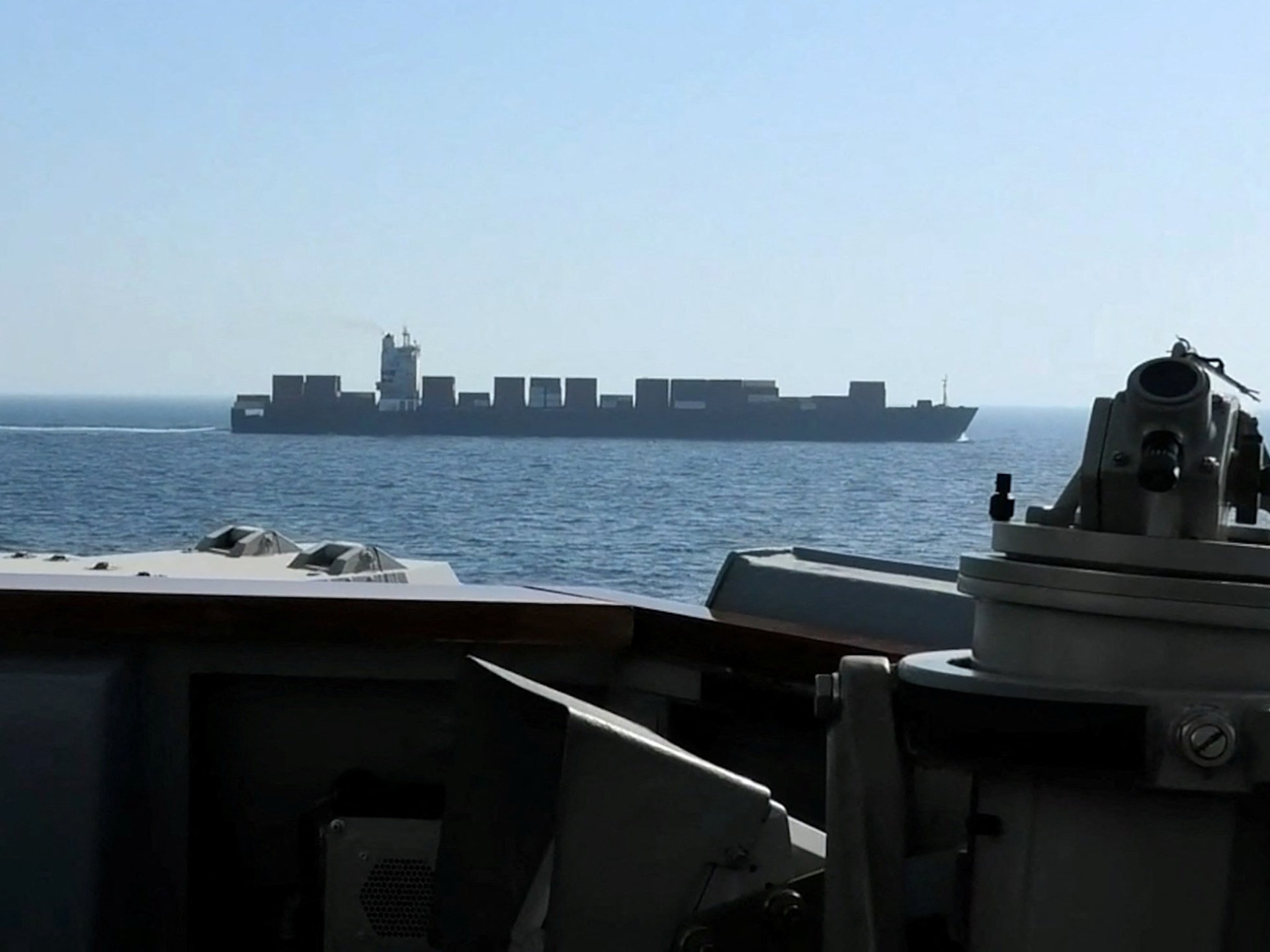
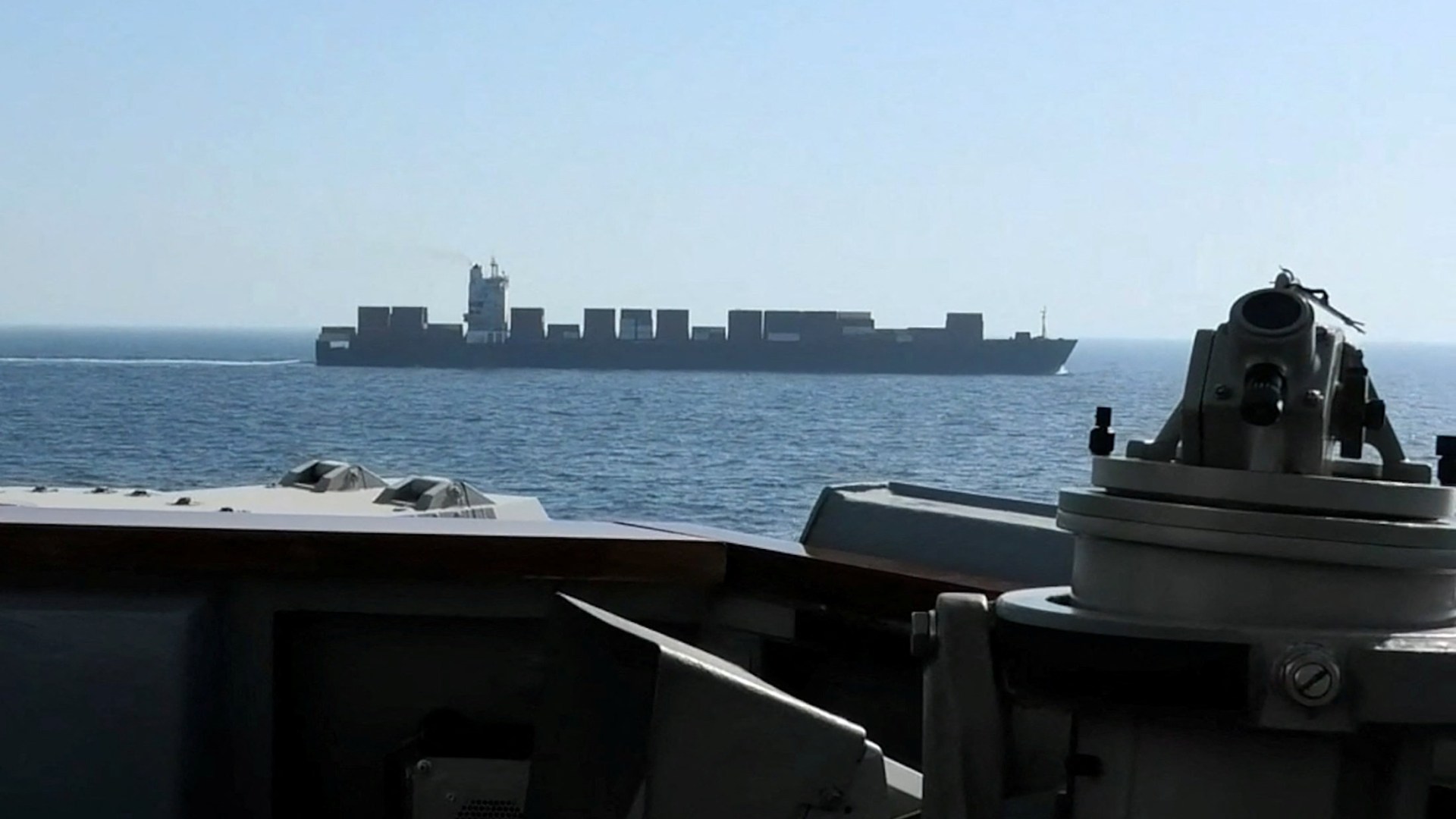
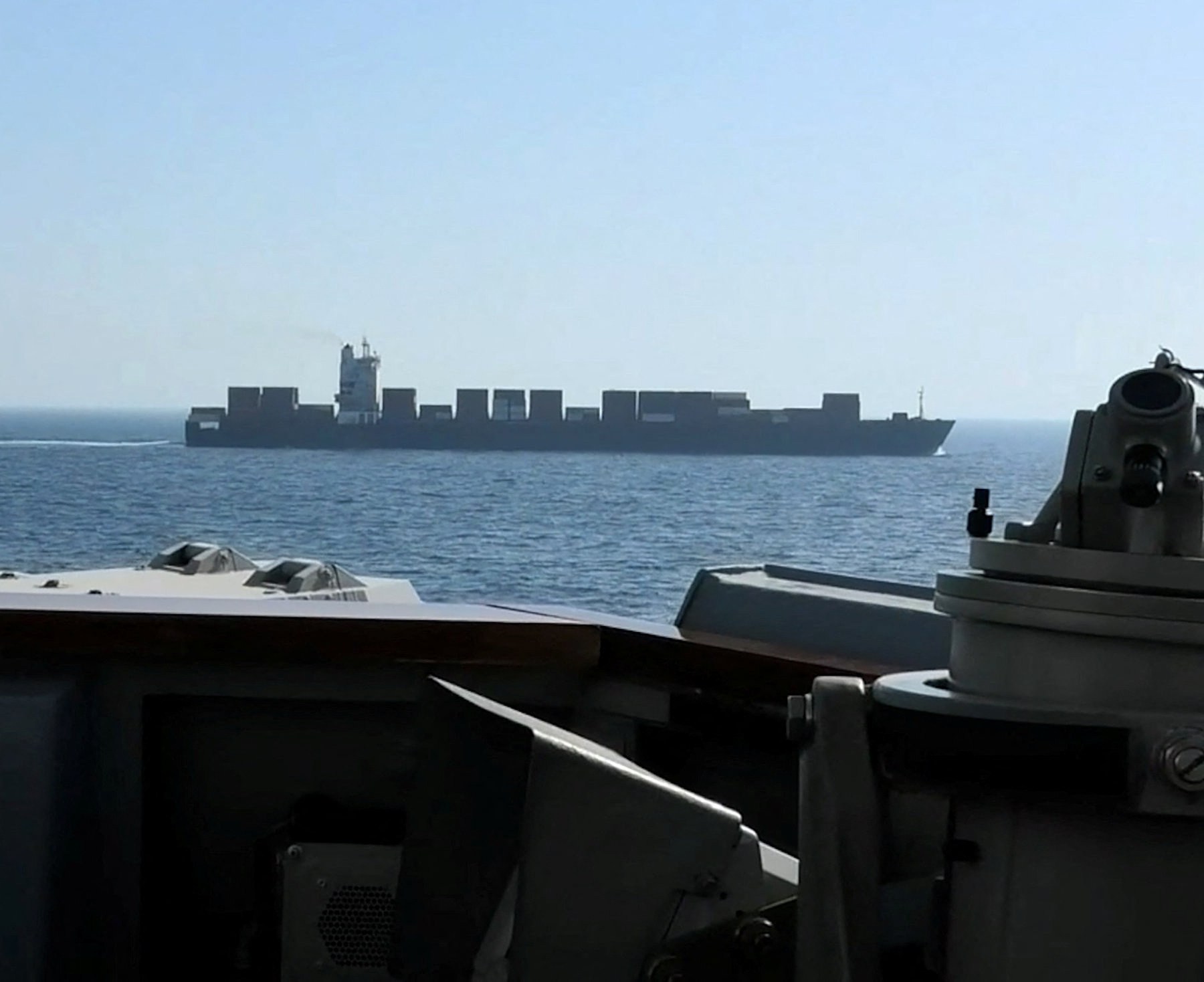
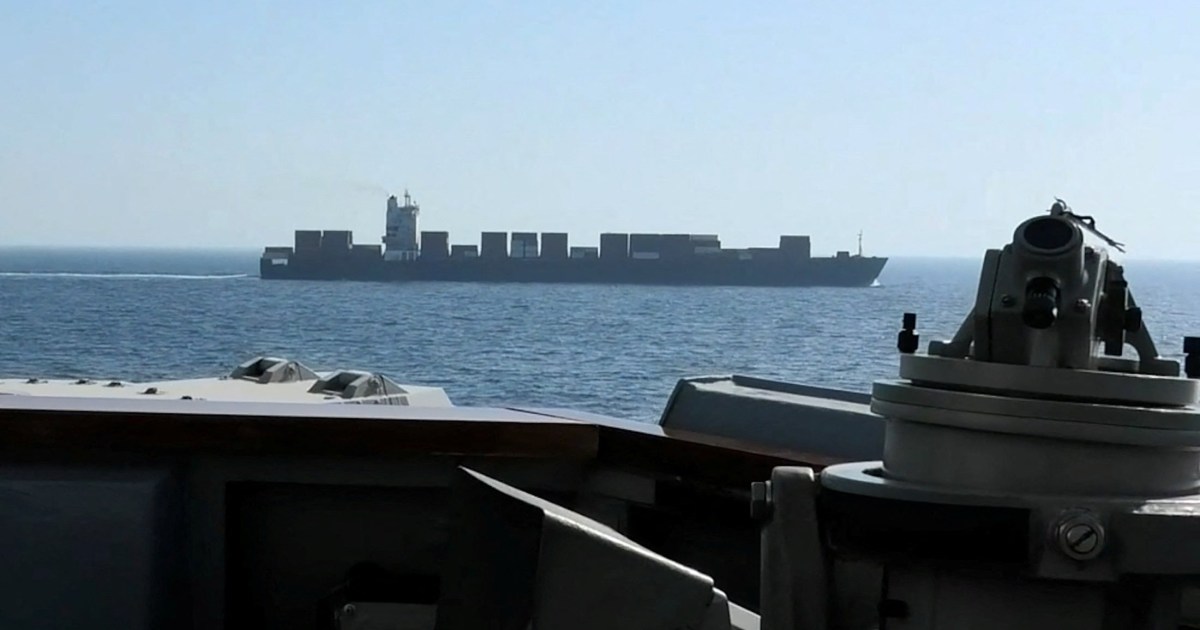
Since the early days of the war on Iran, the US has been targeting Iranian ships in international waters. Save Share Iran responded to the US capture of one of its tankers close to the Strait of Hormuz earlier this week by capturing two foreign commercial vessels on Wednesday and moving them to its coast. Iran called the US attack on its ship by the US an act of “piracy” and, on Wednesday, said the two tankers it had seized had violated maritime regulations, according to Iranian state media. Reporting from Tehran, Al Jazeera’s Tohid Asadi said: “This is in line with what we heard from the IRGC [Islamic Revolutionary Guard Corps] previously, saying that any passage of ships, vessels or oil tankers through the Strait of Hormuz should be with the permission and coordination of the IRGC.” He said the seizure reflected Iran’s continuing strategy to impose control and authority over maritime traffic through the chokepoint, adding that Iranian officials were now discussing charges and transit fees for vessels using the route. On Monday, the US military fired on and then seized the Iranian-flagged container ship Touska close to the Strait of Hormuz in the northern Arabian Sea as it was en route to the Iranian port of Bandar Abbas. The US military’s Central Command (CENTCOM) and President Donald Trump said the Touska had refused to follow US orders to withdraw from its planned passage through the Strait of Hormuz. The seizure came after the US imposed a naval blockade on all Iranian ports on April 13. Iran called Washington’s capture of the vessel “an act of piracy”. This is not the first time the Trump administration has been accused of piracy. Last year, Venezuela also made the allegation when the US seized sanctioned oil tankers off its coast. But is this the case? Here’s what we know about US strikes on Iranian ships: The US military enforced its naval blockade on Iranian ports and the Strait of Hormuz in response to Iran’s block on most vessels coming through the narrow waterway. Since the war began, Iran has allowed only a few ships belonging to nations that have struck deals with Tehran to pass. The US military said it would bar any ships belonging to Iran or travelling to or from Iranian ports from passing through the strait. On Monday, according to the US military, the Touska tried to defy the US blockade by crossing from the Arabian Sea via the Gulf of Oman through the Strait of Hormuz towards Bandar Abbas. CENTCOM reported: “American forces issued multiple warnings and informed the Iranian-flagged vessel it was in violation of the US blockade.” “After Touska’s crew failed to comply with repeated warnings over a six-hour period, Spruance directed the vessel to evacuate its engine room” before the US destroyer fired at the Iranian ship, the CENTCOM statement said. Subsequently, US Marines from the 31st Marine Expeditionary Unit boarded the Touska and captured the ship. On Tuesday, the Pentagon said US forces had detained another oil tanker sanctioned for transporting Iranian crude oil as it sailed in the Bay of Bengal, which links India and Southeast Asia. In a post on social media, the Pentagon said US forces “conducted a right-of-visit maritime interdiction” of the M/T Tifani “without incident”. “As we have made clear, we will pursue global maritime enforcement efforts to disrupt illicit networks and interdict sanctioned vessels providing material support to Iran – anywhere they operate. International waters are not a refuge for sanctioned vessels,” it added. Washington has been targeting Iranian ships throughout the war on Iran, which began when the US and Israel launched air strikes on Tehran on February 28. On March 4, a US submarine sank the Iranian warship IRIS Dena with a torpedo in international waters off the coast of Sri Lanka. The ship and its crew were returning home from Visakhapatnam on India’s east coast after participating in naval exercises. US forces have been criticised for leaving the ship to sink and not making efforts to rescue survivors afterwards. Sri Lanka’s navy, which mounted a rescue effort, reported that 32 Iranian sailors were rescued, 87 bodies were recovered and 61 of the crew remain missing. US Defense Secretary Pete Hegseth said the strike on the Iranian warship was the “first such attack on an enemy since World War II”. After the US sinking of the IRIS Dena, Tehran responded with drone and missile attacks on Israel and US military assets and infrastructure in Gulf countries, causing multiple deaths. After the recent capture of the tankers by the US, Iran called Washington’s actions “piracy” and threatened to strike back. “We warn that the armed forces of the Islamic Republic of Iran will soon respond and retaliate against this armed piracy by the US military,” a spokesperson for Khatam al-Anbiya, Iran’s joint military command, said hours after the capture of the Touska. On Tuesday, Iranian Foreign Minister Abbas Araghchi said Washington’s naval blockade constituted a breach of the two-week ceasefire between the US and Iran. “Striking a commercial vessel and taking its crew hostage is an even greater violation [of the ceasefire],” he said. A spokesperson for Tehran’s Ministry of Foreign Affairs told state television on Tuesday that Iran had yet to decide whether to attend further talks with the US. He described the boarding of the tanker as well as the earlier seizure of the cargo ship as “piracy at sea and state terrorism”. If the US keeps flexing its maritime muscle at the edges of conventional legal frameworks, some might say the only thing missing is an eye patch and a parrot by Jason Chuah, professor of maritime law, City University of London According to the United Nations Convention on the Law of the Sea (UNCLOS), acts of piracy are “any illegal acts of violence or detention, or any act of depredation, committed for private ends by the crew or the passengers of a private ship or a private aircraft”. They can take place either on “the high seas, against another ship or aircraft, or against persons or property on board such ship or aircraft” or can be directed “against a ship, aircraft, persons or property in a place outside the jurisdiction of any State”. Piracy also refers to “any act of voluntary participation in the operation of a ship or of an aircraft with knowledge of facts making it a pirate ship or aircraft”. Jason Chuah, a professor of maritime law at City University of London, told Al Jazeera that legally, therefore, the US actions do not constitute piracy. “Piracy requires private gain, not government vessels enforcing sanctions or a blockade in times of armed conflict,” he said. “However, if the US keeps flexing its maritime muscle at the edges of conventional legal frameworks, some might say the only thing missing is an eye patch and a parrot,” he added. US law allows its Coast Guard to conduct searches and seizures on the high seas if the purpose is to enforce US laws. It states that the US Coast Guard “may make inquiries, examinations, inspections, searches, seizures, and arrests upon the high seas” to prevent violations. The container ship Touska was flying the Iranian flag. However, its owners have been under sanctions issued by the US Department of the Treasury and the US Office of Foreign Assets Control and have been accused of helping Iran evade sanctions. In previous enforcement actions against sanctioned ships, the US has seized not only the ship itself but also the oil on board. In 2020, it confiscated fuel from four tankers allegedly carrying Iranian oil to Venezuela. It is unclear what the Touska was carrying when it was seized, but Trump posted on Truth Social after the capture that American sailors are “seeing what’s on board”. Apurva Mehta, a partner at the Indian law firm ANB Legal, noted that Article 87 of the UNCLOS guarantees all states the freedom to navigate on the High Seas. “While acts of the US cannot be termed as piracy, US warships on government service and authorised as such, can carry out seizures on account of piracy,” she said. “Under Article 110, warships are entitled to board foreign vessels in high seas, if they believe that the vessel is engaged in piracy, slave trade, carrying out unauthorised broadcasting or playing without a flag etc.” Yes. In December, Trump said the US had captured a sanctioned oil tanker close to the coast of Venezuela. According to a Reuters news agency report, British maritime risk firm Vanguard identified the crude carrier captured as the Skipper. Venezuela also described that incident as an “act of piracy”. At the time, the US was building up a military presence in waters near the northern coast of South America. From those positions, it had already carried out strikes on at least 21 boats that it claimed – without showing any evidence – were carrying drugs destined for the US. Many of them were Venezuelan, it said.
Comments
You must be logged in to comment.