yahoo Press
Billionaire Bill Ackman says he made $2.5 billion in just 10 days by predicting the economic impact of the pandemic
Images
1 / 4
2 / 4

3 / 4

4 / 4
When markets were still apprehensive about the early warnings of COVID-19, billionaire investor Bill Ackman was bracing for impact.

The World Health Organization officially declared the pandemic on March 11, 2020 (1), but Ackman was already bunking down with his investments. His main focus was protecting his father, Larry, who was at risk of multiple comorbidities, including lung cancer. But after realizing the pandemic was going to have a big impact on the economy, Ackman focused on protecting his investments as well.

Thanks to Jeff Bezos, you can now become a landlord for as little as $100 — and no, you don't have to deal with tenants or fix freezers. Here's how

Robert Kiyosaki says this 1 asset will surge 400% in a year and begs investors not to miss this ‘explosion’

Dave Ramsey warns nearly 50% of Americans are making 1 big Social Security mistake — here’s how to fix it ASAP

Over a 10-day period, Ackman did just that by purchasing credit default swaps on corporate bonds, which insured the positions of his firm — Pershing Square Capital Management — if the market began to move in a negative direction (2), according to StreetFins. A credit default swap is essentially an agreement where the seller pays the buyer if a specific debt defaults.

In total, Ackman's purchase had about $74 billion notional value in insurance, which represents the total amount of risk being covered, rather than the actual cash amount.

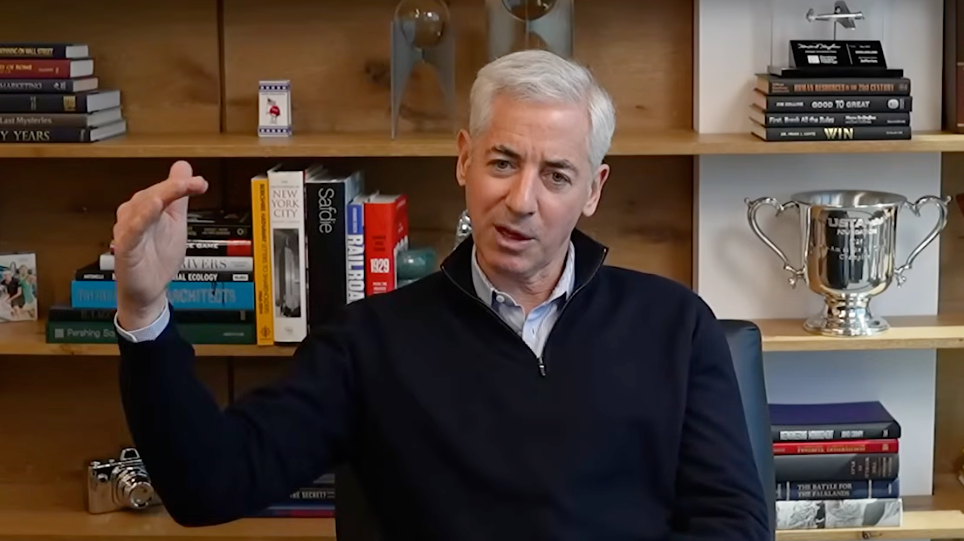
"There was this massive storm coming. We could see the storm, but everyone else was playing on a beach," Ackman told Robinhood CEO Vlad Tenev during a recent interview for Pershing Square's YouTube channel (3).

"It cost us only $27 million. Ten days later, it became worth $2.6 billion. We took that money in March 2020, with the market down 30%, [and] we bought stocks."

As much as this money move paid off for him, Ackman's March 18, 2020 post on X (4) — as well as his subsequent "hell is coming" interview with CNBC (5) — received plenty of criticism. Having become entrenched in the pandemic, Ackman had essentially bet on the U.S. economy undergoing a massive short-term shock due to the lockdown, and some believe his messaging induced further panic.

"Mr. President, the only answer is to shut down the country for the next 30 days and close the borders," Ackman said in his March 18 post on X. "Tell all Americans that you are putting us on an extended Spring Break at home with family. Keep only essential services open. The government pays wages until we reopen."

One of Ackman’s many critics was Galaxy Digital CEO Mike Novogratz, who reacted to Ackman's CNBC interview with a request for the network (6): "Please get Ackman off CNBC before people start jumping off bridges."

Read More: This $1B private real estate fund is now accessible to non-millionaires. Start investing with just $10

Stephanie Ruhle, a former banker and MSNBC correspondent, called Ackman's rhetoric "wildly irresponsible."

"In putting on that grand show while he was getting choked up talking about his father, he caused the markets to puke and he caused the circuit breakers to trigger," she told The Guardian (7), adding that it was perplexing to see Ackman cause such a scene since he was very well respected.

"What has so many people wondering tonight, [is] why Bill Ackman, who maybe has the right idea, or very good intentions, would put on such a ridiculous show and cause such damage to an already panicked market," Ruhle added. "That's what's puzzling."

Despite his controversial approach, there's a practical takeaway from Ackman's antics during the pandemic.

Ackman's success didn't come from predicting COVID-19 specifically, but rather it came from recognizing the broader pattern: markets often underestimate major risks, panic creates sharp declines and those declines can lead to rare buying opportunities.

During the current political climate, investors should be prepared for another potential financial crisis. Ackman admitted in the past that while he didn't know how COVID-19 would unfold, he recognized the potential for disruption early.

For everyday investors, that means having a plan for a market downturn is essential. That can include building an emergency fund, creating a diversified portfolio and having the discipline to stay invested. Emotional decisions, according to Ackman, can be the most costly.

"I'm not emotional about investments," Ackman once shared with the New York Times (8). "Investing is something where you have to be purely rational, and not let emotion affect your decision making — just the facts."

Millionaires under 43 are reshaping investing — just 25% of their portfolios are in stocks. Here’s where their money is going

Taxes are going to change for retirees under Trump’s ‘big beautiful bill’ — here are 4 reasons you can’t afford to waste time

Robert Kiyosaki issues grim warning for baby boomers: many could be ‘wiped out’ and homeless ‘all over’ the country

Vanguard’s outlook on U.S. stocks is raising alarm bells for retirees. Here’s why and how to protect yourself

Join 250,000+ readers and get Moneywise’s best stories and exclusive interviews first — clear insights curated and delivered weekly. Subscribe now.

We rely only on vetted sources and credible third-party reporting. For details, see our ethics and guidelines.

National Institutes of Health (1); StreetFins (2); YouTube (3); X (4), (6); CNBC (5); The Guardian (7); The New York Times (8).

This article originally appeared on Moneywise.com under the title: Billionaire Bill Ackman says he made $2.5 billion in just 10 days by predicting the economic impact of the pandemic

This article provides information only and should not be construed as advice. It is provided without warranty of any kind.
Comments
You must be logged in to comment.